
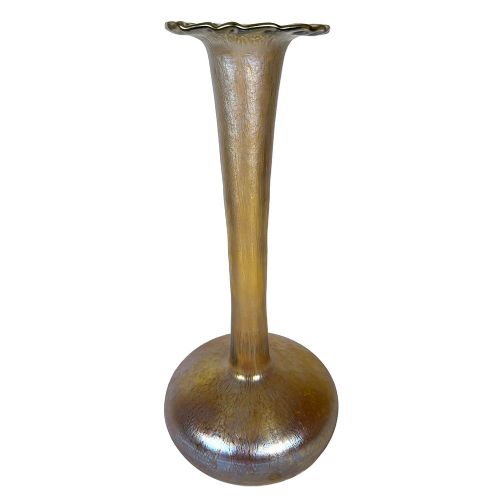

Antique Mantle Glass
When searching for antique mantle glass, collectors encounter grand overmantel mirrors, chiming clocks, and cut glass lustres designed to anchor a room.
Antique Mantle Glass
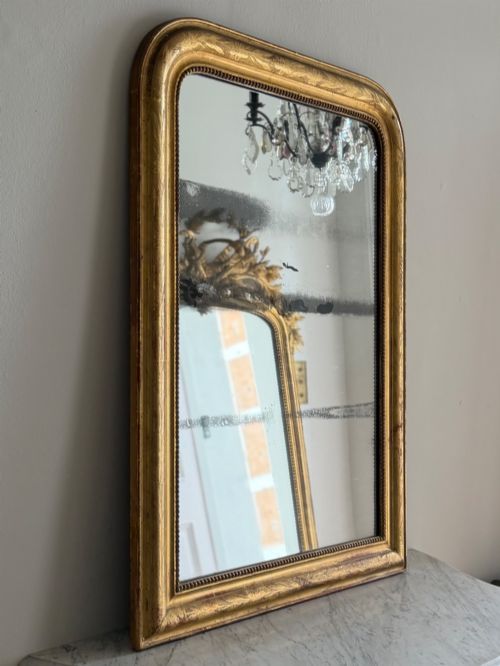
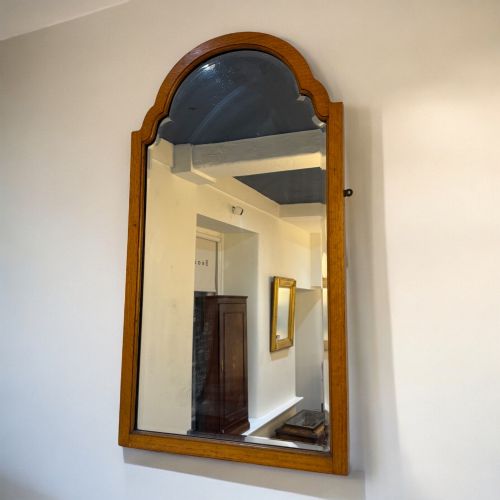
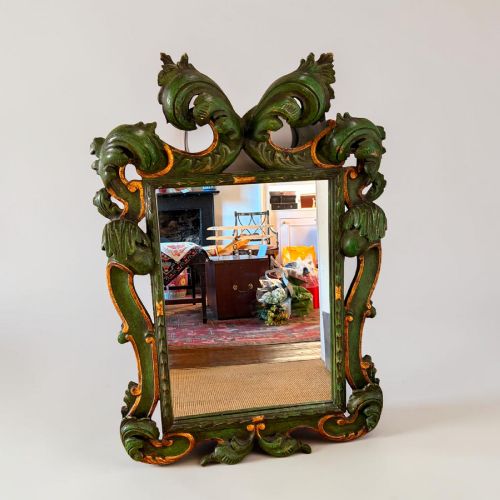
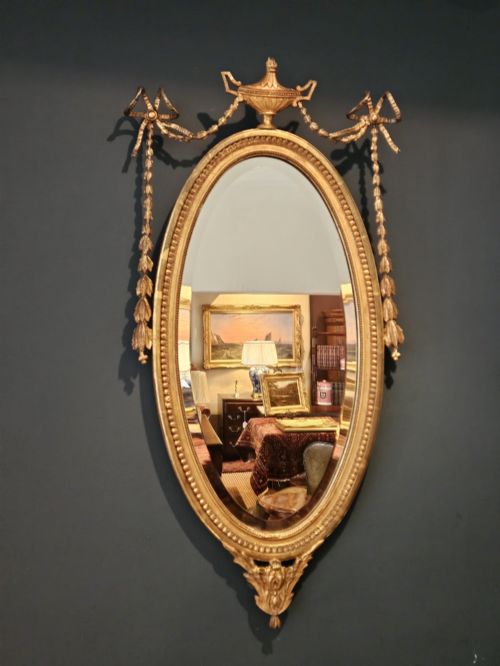
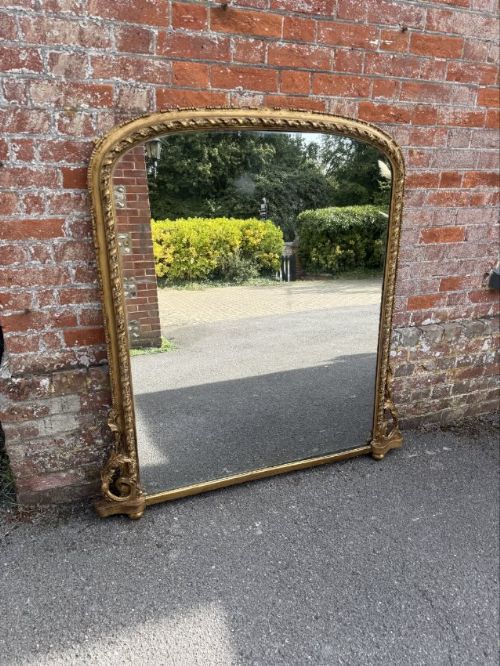
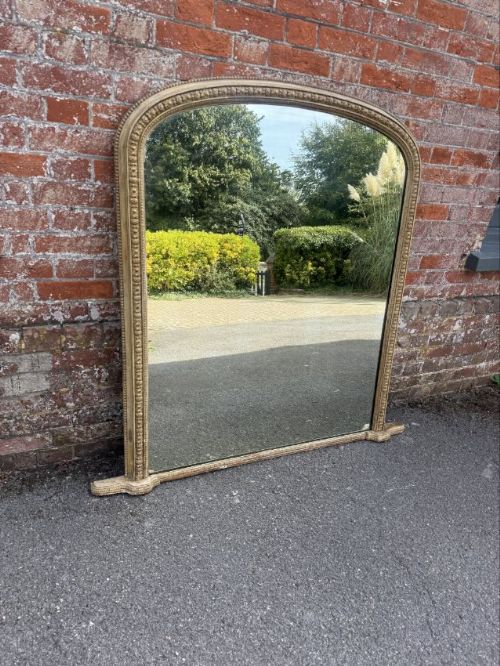
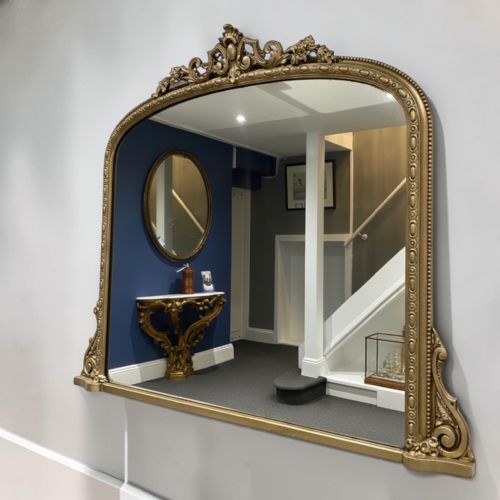
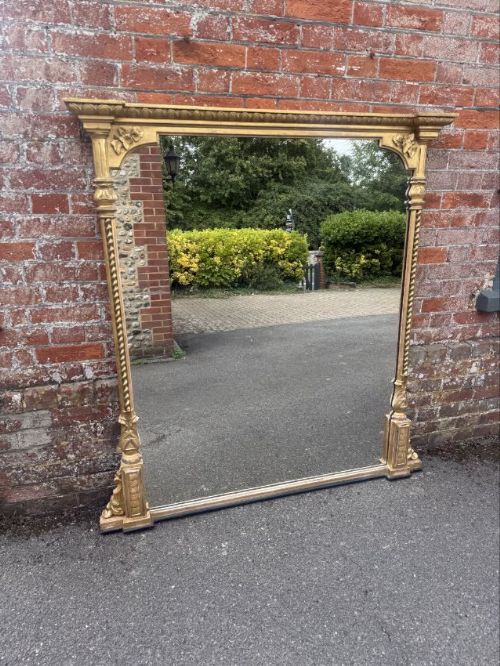
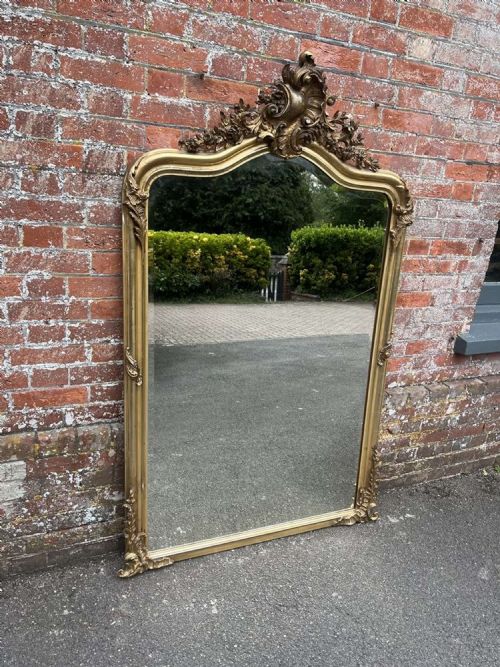
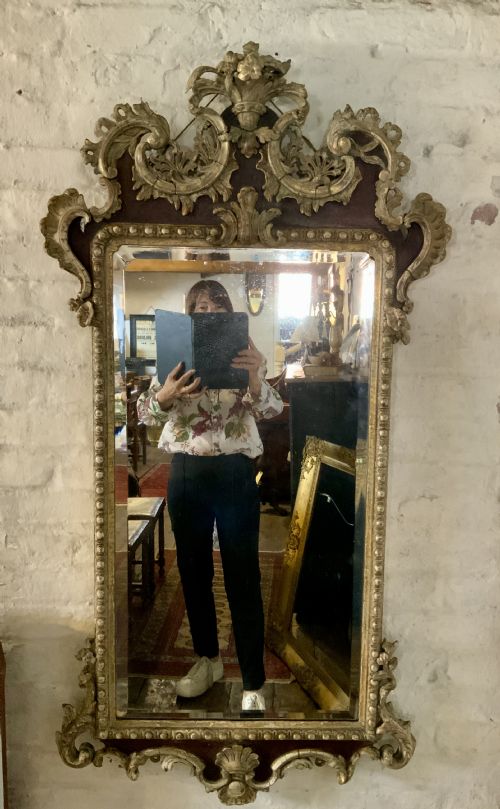
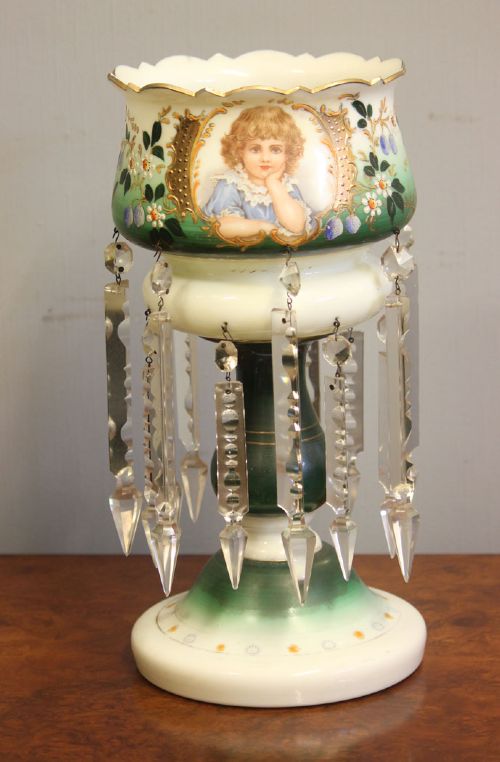
The term antique mantle glass encompasses large architectural overmantel mirrors and decorative objects intended to sit upon a fireplace surround or shelf. Buyers searching this phrase predominantly find substantial giltwood and mahogany mirrors alongside glass mantle lustres from the nineteenth century.
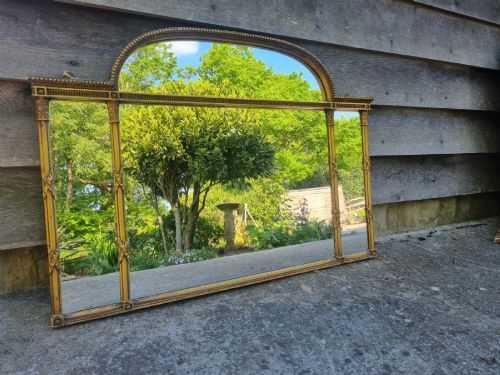
Overmantel mirrors dominate the selection, appearing in Georgian, Regency, and Victorian styles with original bevelled or mercury glass plates. Smaller decorative items such as table mantle lustres and carriage clocks also feature regularly among the listings.
Pieces span from the eighteenth century through the Edwardian period, with French Rococo Revival and English Victorian interpretations representing the most common design influences.
Materials and Construction
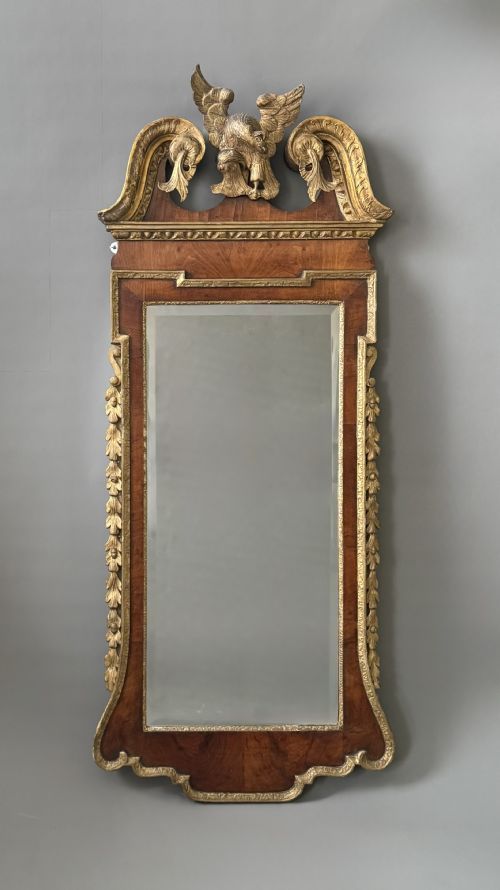
Makers constructed the frames of these mirrors using carved wood and gesso applied over a timber base, subsequently gilded with gold leaf or painted. Cabinetmakers utilised mahogany, walnut, and rosewood for wooden frames, often incorporating parcel gilt highlights.
Reflective surfaces utilised mercury glass in earlier periods before transitioning to standard silvered and bevelled glass plates. Decorative lustres and candelabra employed moulded glass, enamel, and cut crystal paired with brass or ormolu mounts.
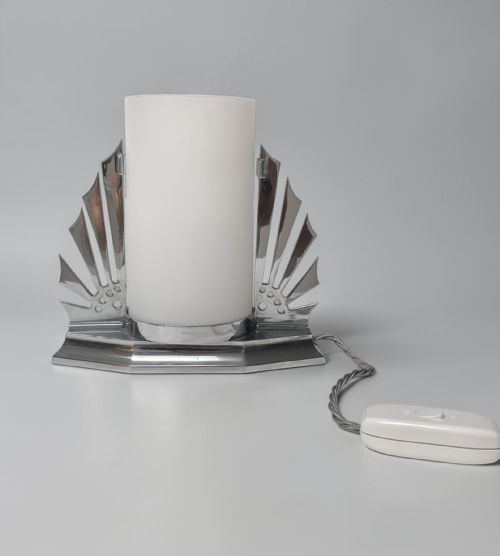
Listings feature items spanning the eighteenth century to the Art Deco era, predominantly constructed from glass, giltwood, brass, and mahogany.
Determinants of Quality
The crispness of the carved gesso ornamentation and the depth of the original gilding distinguish superior pieces from standard examples. Hand-carved wooden details display sharper definition and greater articulation than moulded resin substitutes.
The condition and authenticity of the glass plate heavily influence value, with original bevelled edges or period foxed mercury glass indicating higher integrity. Substantial proportions and well-balanced architectural framing signify superior design output.
Smiths Clockmakers·Richard Winter·Maurice & Marcel Moulin Favre-Bulle
The Antique Mantle Glass Glossary
- Overmantel mirror
- A large mirror specifically designed to be hung or placed upon the mantelpiece above a fireplace. These frequently incorporate landscape scenes or architectural pediments.
- Mantle lustre
- A decorative glass vase or candlestick hung with crystal prisms, designed to sit on a mantle shelf. They often feature ruby, blue, or clear glass bodies.
- Gesso
- A plaster-like material applied to wood frames to provide a smooth surface for gilding. Skilled artisans carved intricate scrollwork and floral motifs directly into this layer.
- Mercury glass
- A type of double-walled blown glass silvered with a liquid mercury amalgam between the layers. This technique creates a distinctive reflective appearance often associated with nineteenth-century pieces.
- Parcel gilt
- A decorative treatment where only specific portions of a wooden object are highlighted with gold leaf. This method accentuates carved details against a contrasting wood grain such as walnut or mahogany.
Antique Mantle Glass: Frequently Asked Questions
How do I hang a heavy overmantel mirror?
Heavy overmantel mirrors require professional wall anchoring directly into masonry or secure timber studs using heavy-duty brackets. Many large nineteenth-century examples were originally designed to rest directly on the mantel shelf while secured to the wall with top fixings.
Ensuring the weight is properly distributed prevents strain on the original wood and gesso frame. Consult a specialist art handler if the mirror lacks modern hanging hardware.
What is the difference between an overmantel and a wall mirror?
Overmantel mirrors are specifically proportioned to be wider than they are tall, designed to fit the horizontal space above a fireplace. Wall mirrors generally feature more balanced vertical or square dimensions suited for general room placement.
While both share similar construction techniques and giltwood frames, overmantels often incorporate lower ledges or stepped bases meant to sit flush against a shelf.
How do I date an antique mirror?
Dating relies on examining the construction of the wooden frame, the backing boards, and the characteristics of the glass plate itself. Hand-beveled edges, foxed mercury glass, and hand-cut screws often point towards Georgian or Victorian manufacture.
Stylistic cues such as Regency neoclassical motifs or Art Deco geometric lines further narrow the period of origin.