
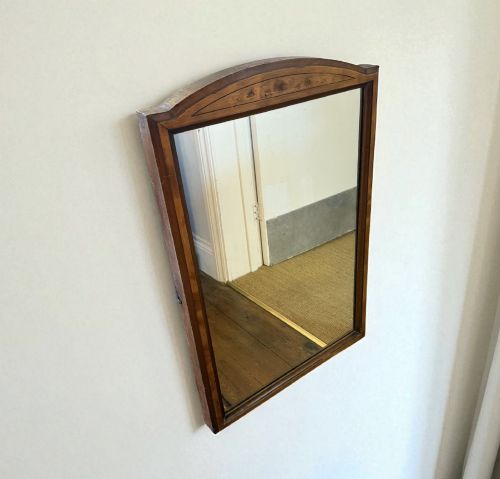
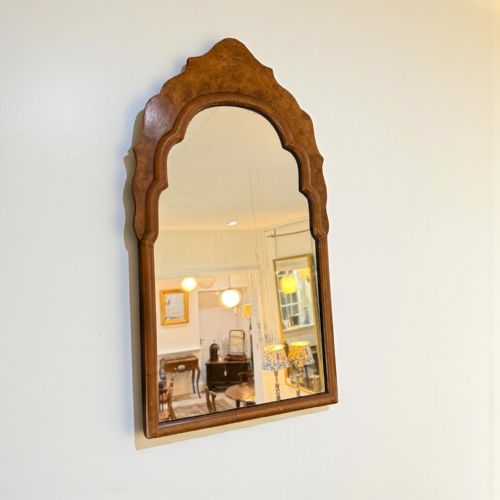
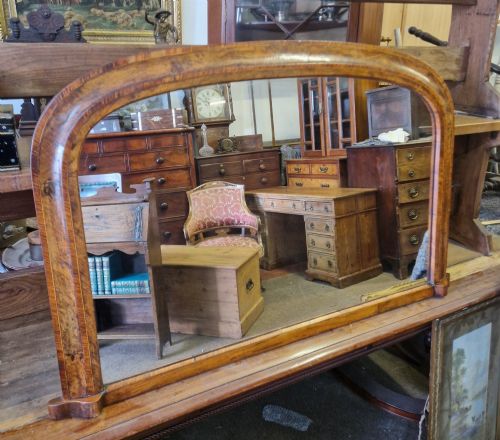
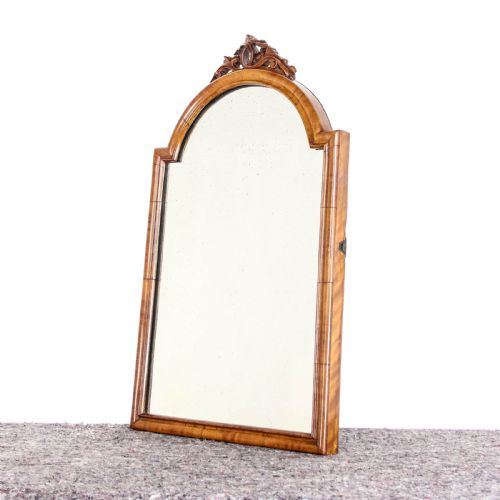


Arched Walnut Wall Mirror
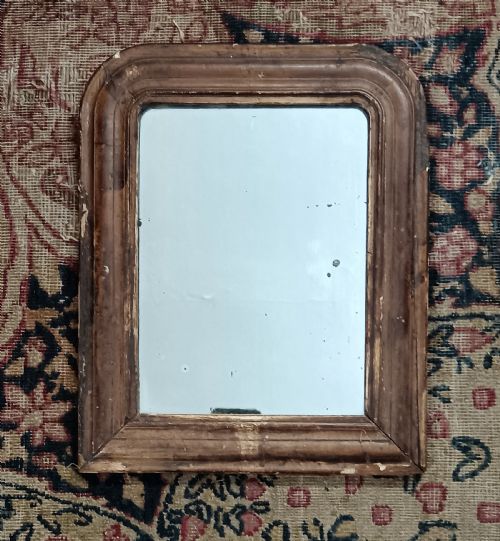
An arched walnut wall mirror brings warmth and a distinct architectural curve to a room, drawing the eye with rich grain.
Arched Walnut Wall Mirror
An arched walnut wall mirror spans domestic forms from domestic wall hangings to grand overmantels, drawing on Victorian, Edwardian, and earlier traditions. These pieces combine curved wooden surrounds with reflective glass, appearing across nineteenth-century and early twentieth-century periods.
The most frequent examples found in this selection are Victorian overmantel mirrors and French Louis Philippe styles, often utilising Burr Walnut or wood inlay. Pieces range from petite French wall mirrors to large, ornate overmantels designed to sit above a fireplace.
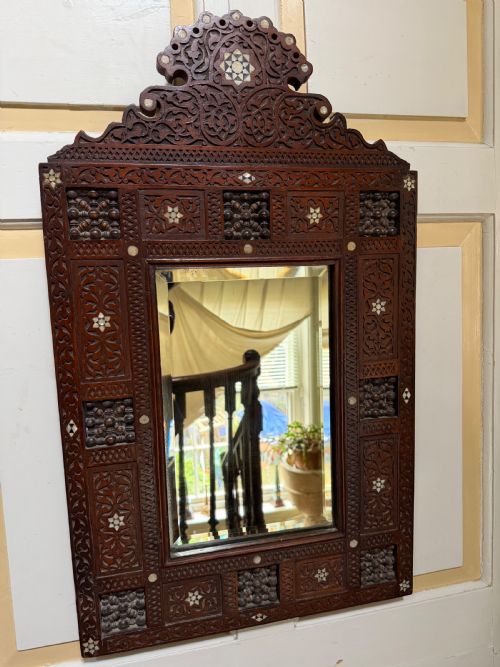
Makers and craftsmen applied styles including French Rococo, Aesthetic Movement, and Neoclassical motifs to these walnut frames. Buyers encounter both simple carved surrounds and elaborate inlaid designs featuring contrasting woods or gilt touches.
How they were made
Carpenters constructed these frames using solid walnut, burr walnut, and walnut veneer applied to a stable timber base. Artisans often enhanced the timber through careful wood inlay, ebonising, or gilding to create rich surface contrast.
Mirror glass was set securely into the curved wooden rebate, sometimes accompanied by giltwood detailing or carved crests. Frames incorporate structural pine or oak in larger overmantel variants to support the considerable weight of the glass.
Object types span wall mirrors, overmantel mirrors, and pier glasses in French Louis Philippe and Aesthetic Movement styles.
What varies in quality
Quality rests in the depth of the walnut grain, particularly where burr walnut veneers or fine wood inlay are handled with precision. Finer examples display crisp, hand-carved details on the wooden arch rather than mass-produced uniformity.
The integrity of the mirror glass and the tightness of the frame joints distinguish superior examples from simpler utilitarian pieces. Original mercury or silvered plates with appropriate ageing show a depth absent in later replacements.
The Arched Walnut Wall Mirror Glossary
- Burr walnut
- A highly figured wood grain taken from the growth excrescences on walnut trees. It creates swirling, decorative patterns prized for high-status furniture and mirror frames.
- Overmantel mirror
- A large mirror specifically designed to hang on the wall directly above a fireplace mantelpiece. These pieces frequently feature arched tops to follow architectural chimney breasts.
- Louis Philippe
- A French style spanning the mid-nineteenth century characterised by understated elegance and simple arched crowns. It avoids excessive ornamentation in favour of clean, balanced proportions.
- Tunbridge wear
- A form of decorative woodwork originating in Kent involving small mosaic tiles of naturally coloured woods. These geometric patterns adorn specific Victorian frames.
- Pier glass
- A tall mirror traditionally hung on the narrow pier of wall between two windows. These pieces reflect additional light into period rooms.
Arched Walnut Wall Mirror: Frequently Asked Questions
How do I hang a heavy arched mirror safely?
Large overmantel and wall mirrors carry significant weight from both the thick timber frame and the glass plate. Secure them directly into structural wall studs using heavy-duty brackets rated for the load.
Consult a professional installer if the wall is plaster or lath to ensure the fixings hold the mirror firmly against the surface without shifting.
Where should I place an arched wall mirror?
Arched wall mirrors work effectively opposite windows to bounce natural daylight deeper into living spaces and hallways. They also anchor a room visually when hung above a mantelpiece or sideboard.
Ensure the proportions of the arch complement the surrounding furniture and ceiling height for a balanced interior composition.
How do I identify Victorian walnut mirrors?
Victorian walnut mirrors often display rich, dark timber tones, elaborate carved crests, and sometimes Tunbridge wear inlay. Construction methods from this era include hand-cut screws and traditional joinery behind the frame.
Compare the style markers, such as Aesthetic Movement ebonising or heavy Victorian overmantel proportions, with documented period designs.