




Brown Wooden Mantel Mirror
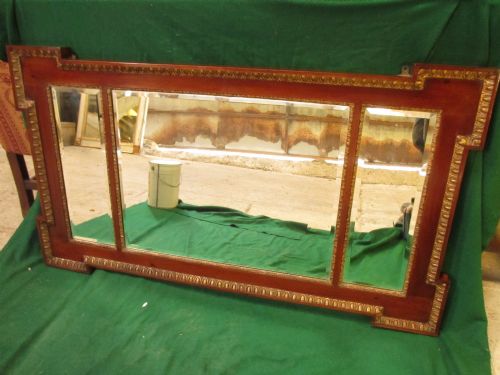
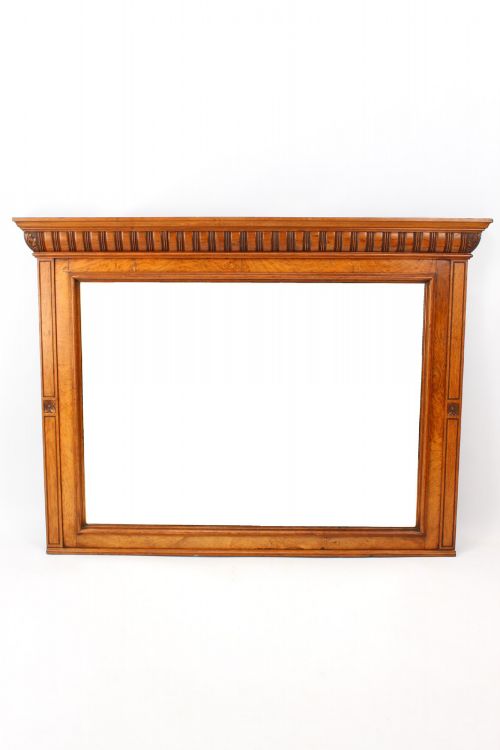
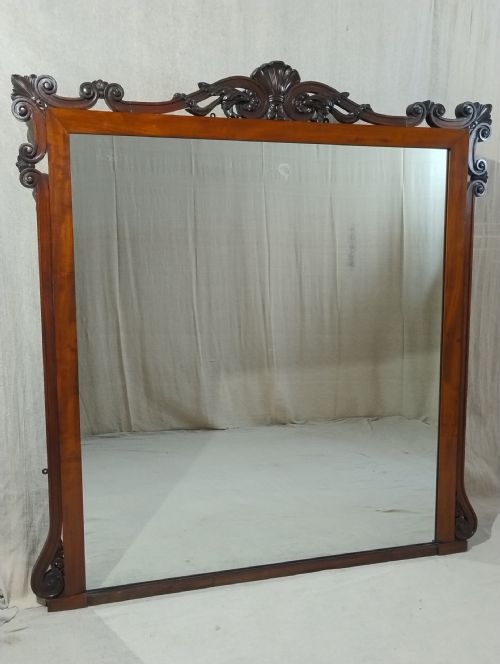
These brown wooden mantel mirror pieces bring architectural presence and historic warmth to a room, offering the exact proportions needed above a fireplace.
Brown Wooden Mantel Mirror
A brown wooden mantel mirror brings substantial timber character to an interior, drawing on centuries of domestic design. When searching for a brown wooden mantel mirror, collectors encounter diverse interpretations ranging from compact Victorian examples to grand architectural overmantels.
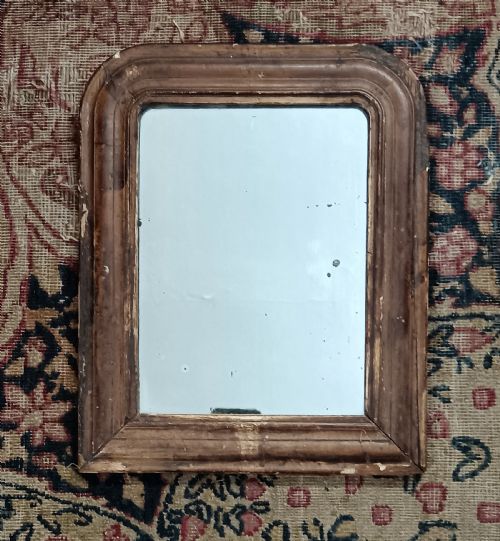
The selection on this page centres primarily on nineteenth-century pieces alongside Victorian and Regency forms. Many examples take the form of overmantel mirrors designed to sit neatly upon a mantelpiece, while others function as substantial wall mirrors.
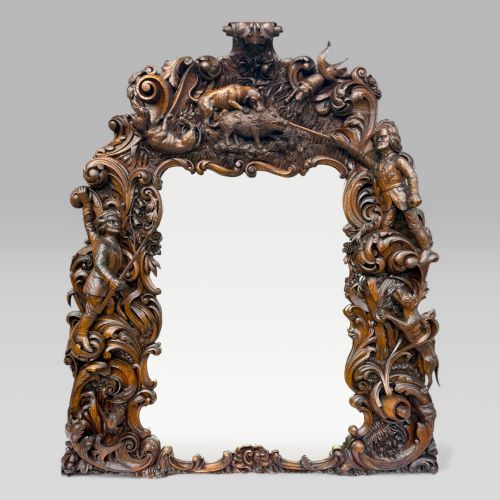
Makers utilised rich hardwoods including mahogany, walnut and oak to construct these frames. Styles span from restrained French Louis Philippe arches to heavily carved German Historicism and Arts and Crafts designs.
How these pieces were made
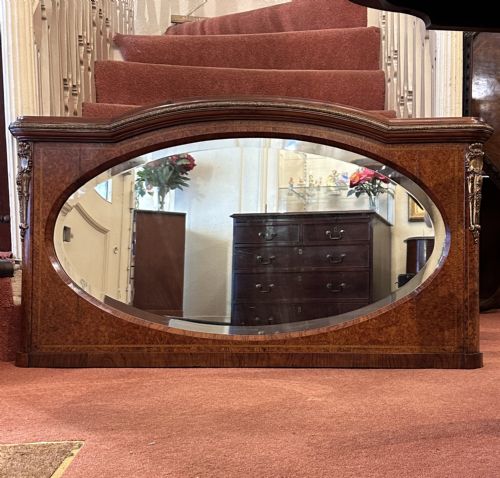
Cabinet makers built these frames using solid timbers such as mahogany, walnut and oak, frequently selecting figured veneers like burr yew-wood or burr walnut to create visual depth. Joinery techniques varied from simple pegged construction in earlier periods to steam bending for curved arches and applied mouldings.
Decorative surface treatments involved intricate hand carving, delicate brass detailing, ormolu mounts and giltwood accents. Glass plates were bevelled or flat depending on the period, held securely within robust wooden backings.
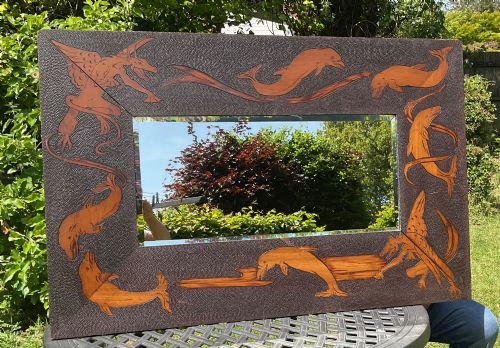
Among the timber frames, a faux bamboo surface brings an unexpected touch of nineteenth-century botanical whimsy to the collection.
What varies in quality
The distinction between ordinary and exceptional pieces lies in the selection of timber and the depth of the carving. Superior frames display carefully matched wood grain, crisp hand-chiselled details rather than cast ornaments, and substantial weight in the timber construction.
Integration of secondary materials also dictates value. High-quality examples incorporate refined brass detailing, well-preserved original ormolu mounts, and thick, clear mirror glass that retains its historical silvering rather than modern replacement plates.
The Brown Wooden Mantel Mirror Glossary
- Overmantel mirror
- A large mirror specifically proportioned to hang or stand upon the mantelpiece above a fireplace. These pieces often feature horizontal or arched formats designed to reflect light across the room.
- Giltwood
- Timber that has been coated with a thin layer of gold leaf or gesso preparation. It frequently appears alongside dark woods to highlight decorative mouldings.
- Louis Philippe
- A French nineteenth-century style characterised by simple, elegant lines, rounded upper corners, and subtle ornamentation. These frames suit understated interior settings.
- Ormolu
- Gilded bronze ornamentation applied to furniture and mirror frames, popular during the nineteenth century. It adds metallic contrast to dark wooden surfaces.
- Burr wood
- Wood taken from a tree growth where the grain has grown in a deformed manner, producing intricate patterns. Burr walnut and burr yew-wood were prized for high-status cabinet work.
Brown Wooden Mantel Mirror: Frequently Asked Questions
How do I hang a heavy wooden mantel mirror?
Substantial wooden mantel mirrors require secure wall fixings distributed evenly across the weight-bearing points of the frame. Many period pieces were designed to rest directly upon the mantel shelf while anchored securely to the wall above.
Consult a professional restorer or structural fixer to assess the weight of the timber and glass before installation. Proper weight distribution ensures the historic frame remains stable and safe.
What periods do these wooden mirrors come from?
The pieces listed originate predominantly from the nineteenth century, encompassing Regency, Victorian, and Arts and Crafts movements. Styles reflect the prevailing tastes of those decades, from grand carved oak to restrained French arches.
Examining the construction methods, backboards, and fastener types helps determine the exact period of manufacture. Oak and mahogany frames from the mid-nineteenth century display distinct joinery traits compared to later examples.
Are the mirror plates original?
Many nineteenth-century frames retain their original glass, which often exhibits gentle foxing and age spots. Original plates add authenticity and historical character to the piece.
Replacement glass is occasionally fitted during conservation work if the original plate suffered breakage. Inspecting the silvering behind the glass reveals whether the plate belongs to the period of the frame.
How do I clean a antique wooden frame?
Dust the wooden frame gently with a dry, soft cloth to remove surface particles without disturbing the finish. Avoid modern chemical sprays that can strip or damage historic polish and wax.
Period timber benefits from occasional application of specialist furniture wax to nourish the wood. Keep moisture away from the mirror edges to protect the silvered backing from deterioration.