


Antique Maiolica Vase
An antique maiolica vase brings richly painted tin-glazed earthenware into a room, offering centuries of Italian ceramic artistry and bold colour.
Antique Maiolica Vase
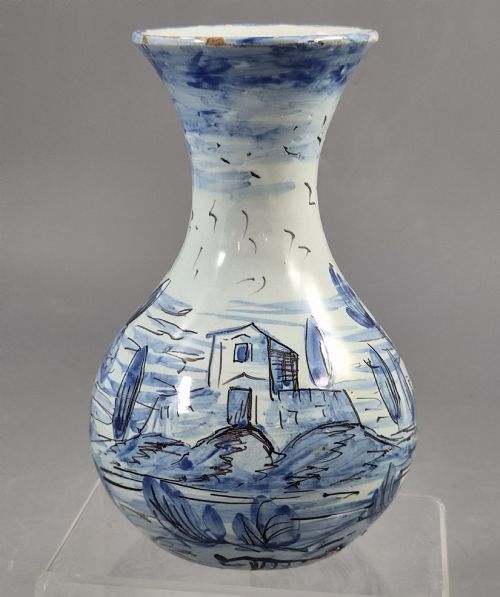
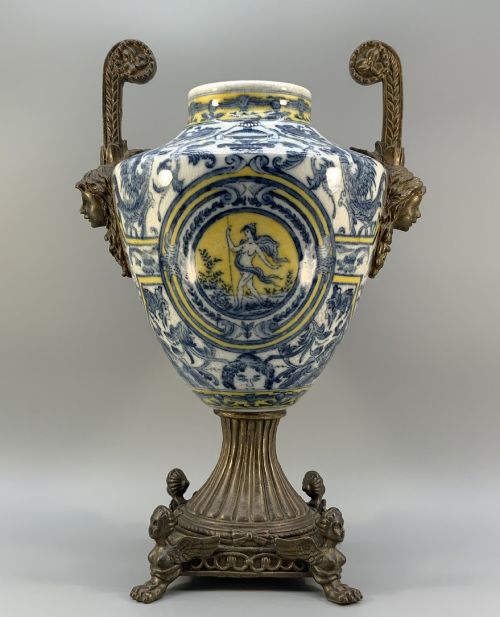
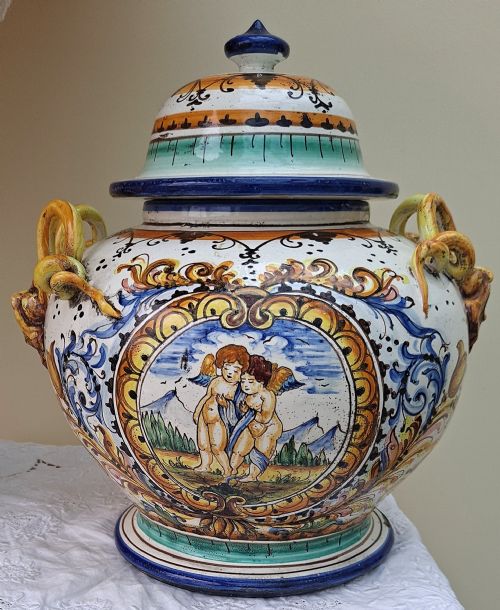
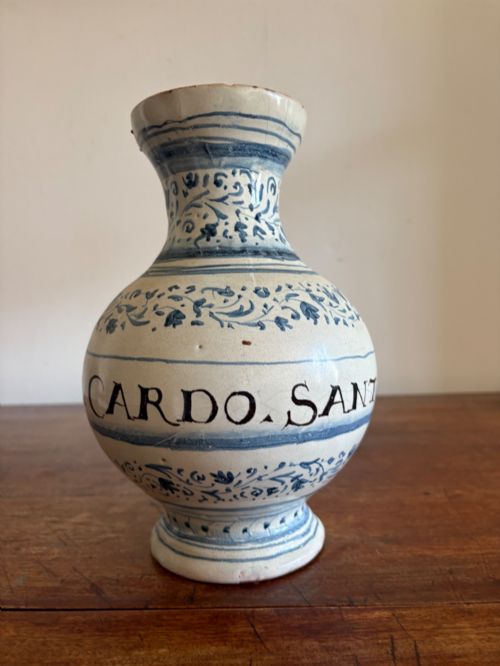
When you search for an antique maiolica vase, you encounter tin-glazed earthenware shaped into vessels ranging from traditional apothecary jars to large decorative lidded urns. These pieces draw heavily on historical Italian aesthetics, often following styles like Renaissance Revival, Baroque, and Chinoiserie.
The selections available here span the eighteenth and nineteenth centuries, with Victorian interpretations also appearing frequently. Many items display classical motifs or characteristic blue and white palettes executed in Florence and wider Italy.
How They Were Made
Makers shaped these vessels from earthenware or terracotta, establishing a porous clay body ready to receive decoration. Artisans then applied a tin glaze, creating an opaque white surface that acted as a canvas for hand-painting pigments.
Some sophisticated examples incorporate additional materials, such as bronze mounts or brass fittings, enhancing their decorative presence and structural weight. Kiln firing fixed the mineral colours into the glaze, sealing the intricate polychrome or blue and white designs.
Listings feature earthenware and terracotta vessels decorated with tin glaze, spanning the eighteenth century through the Victorian era.
What Varies in Quality
The distinction between ordinary and exceptional work rests upon the precision and fluidity of the hand-painted decoration. Finer pieces demonstrate confident brushwork, depth of pigment, and a balanced composition across the curved ceramic body.
The ambition of the form also shapes the standard, separating simple cabinet vases from large lidded urns or pieces paired with bespoke metal mounts. Preservation of the tin glaze and the crispness of the moulded details further define the standing of each individual vessel.
Ulisse Cantagalli·Minton·Albert Carrier
The Antique Maiolica Vase Glossary
- Maiolica
- Tin-glazed earthenware produced originally in Italy, known for colourful painted decoration. The technique creates an opaque white background ideal for intricate figurative and floral scenes.
- Tin Glaze
- A ceramic glaze made opaque by the addition of tin oxide. This coating provides the smooth, white surface essential for painting detailed designs before firing.
- Apothecary Jar
- A cylindrical or gourd-shaped vessel used historically to store medicines and dry drugs. These jars often feature inscribed labels and decorative scrollwork.
- Polychrome
- Decoration executed in multiple colours. In these ceramics, it describes designs utilising a rich palette beyond standard blue and white.
- Renaissance Revival
- A nineteenth-century design movement that drew inspiration from sixteenth-century forms and motifs. It heavily influenced the creation of decorative revival vases.
Antique Maiolica Vase: Frequently Asked Questions
What is an antique maiolica vase?
An antique maiolica vase is a tin-glazed earthenware vessel, typically of Italian origin, decorated with painted historical or floral motifs.
These pieces range from eighteenth-century apothecary jars to nineteenth-century revival cabinet vases and large lidded urns.
How were these vases used historically?
Many of these vessels served as decorative centrepieces in grand interiors, while specific forms like apothecary jars held dry medical goods.
Their striking painted surfaces were designed to catch the eye in reception rooms and private chambers alike.
How do I live with one?
Place your vase on a stable surface away from heavy foot traffic to protect the delicate earthenware body and tin glaze.
Keep them out of direct, harsh sunlight to preserve the vibrancy of the painted pigments over the years.
How do I date these pieces?
Dating relies on stylistic clues, such as whether a piece adheres to strict eighteenth-century traditions or nineteenth-century Renaissance Revival tastes.
Maker marks, where present, help pinpoint specific workshops like those operating in Florence during the late Victorian period.