

Antique Maiden Sculpture
An antique maiden sculpture brings classical grace and figurative elegance into a room through carved stone, cast metal and painted porcelain.
Antique Maiden Sculpture
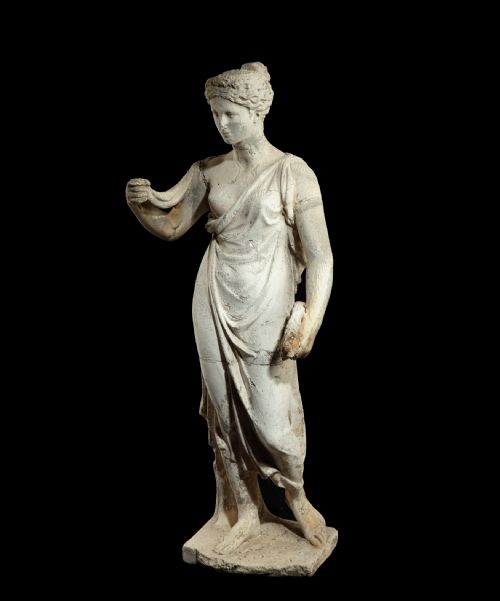
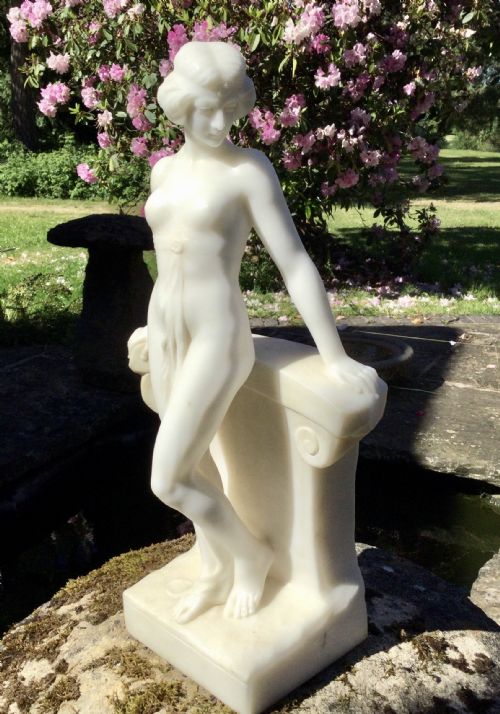
An antique maiden sculpture represents female figures drawn from classical mythology, historical periods and allegorical themes such as the seasons or natural elements. These pieces range from small cabinet figures to monumental busts and garden statues produced across the nineteenth and early twentieth centuries.
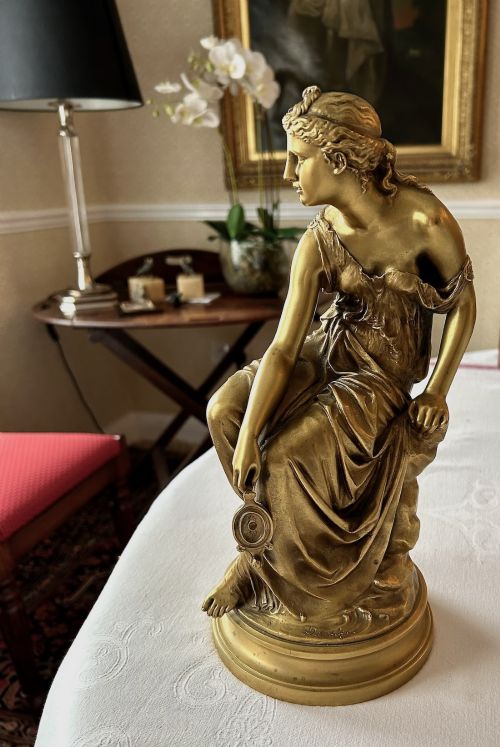
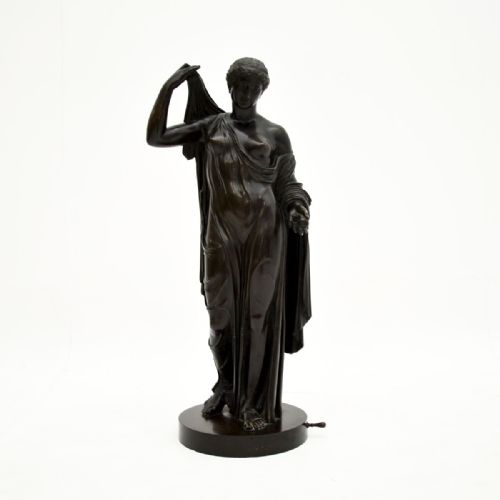
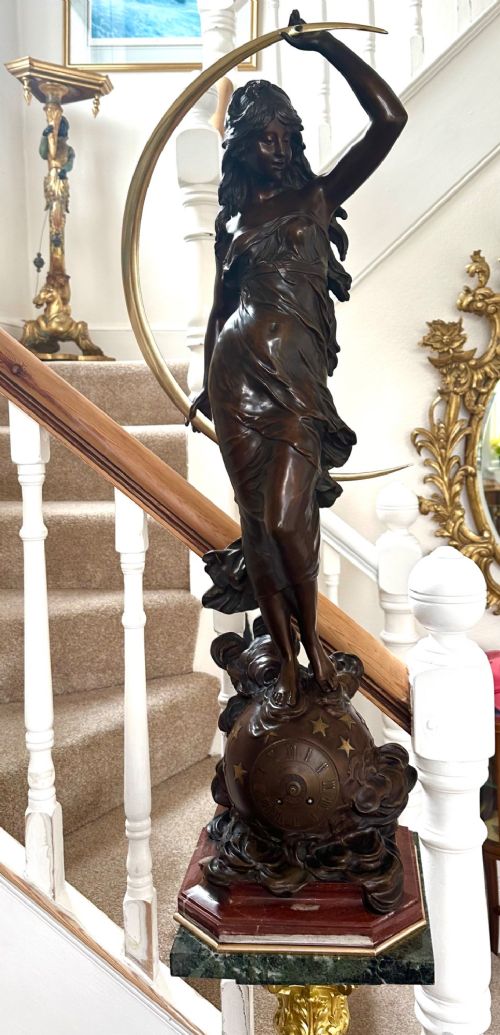
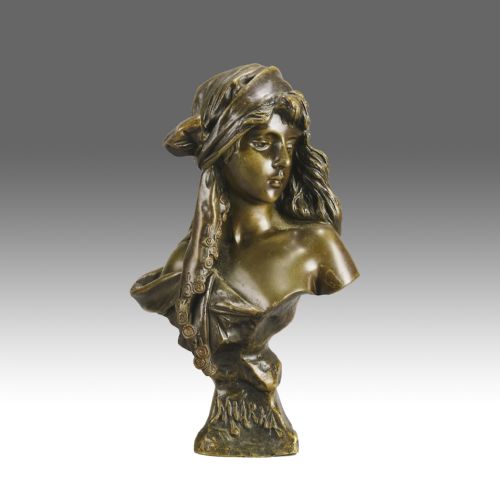
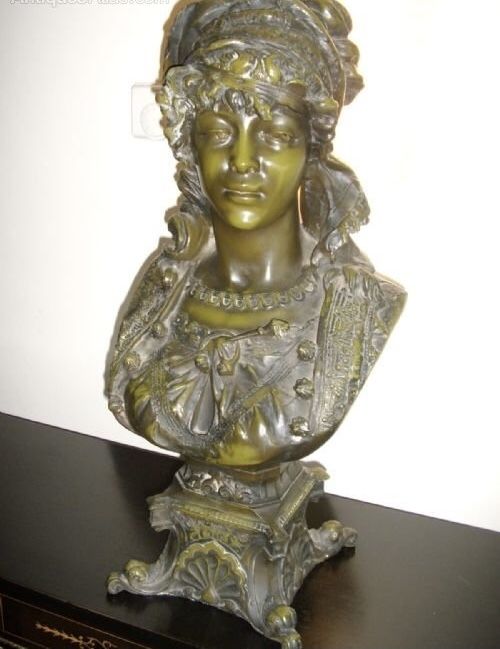
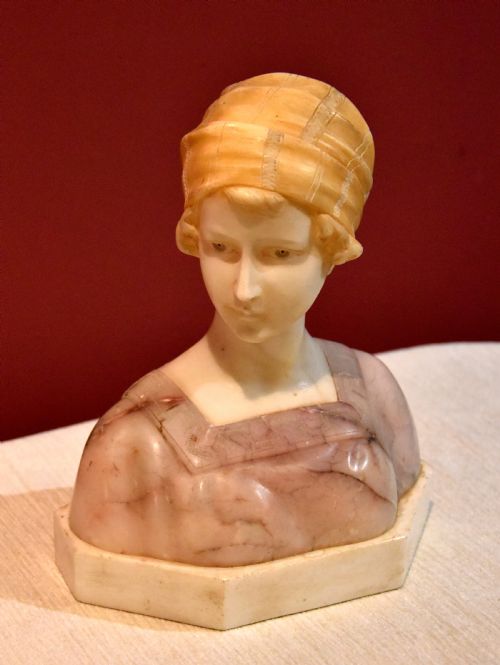
The version most commonly met on this page is the nineteenth-century French or Italian bronze figure, alongside carved alabaster and marble busts from the same era. Works span multiple aesthetic movements, including Neoclassical, Victorian, Art Nouveau and Art Deco styles.
Makers and foundries across Europe produced these figures in media as diverse as terracotta, Parian ware and porcelain. Collectors encounter subjects ranging from veiled ladies and dancers to personifications of spring and mythological heroines.
How they were made
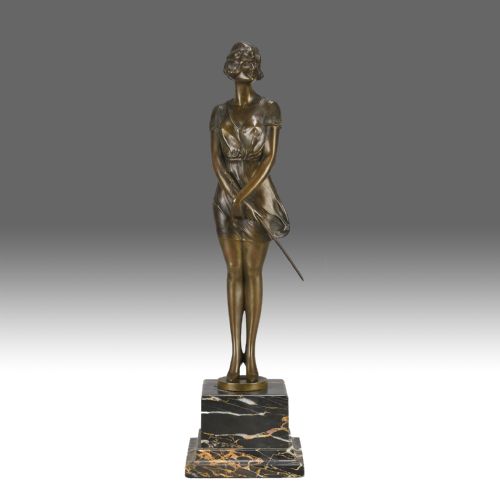
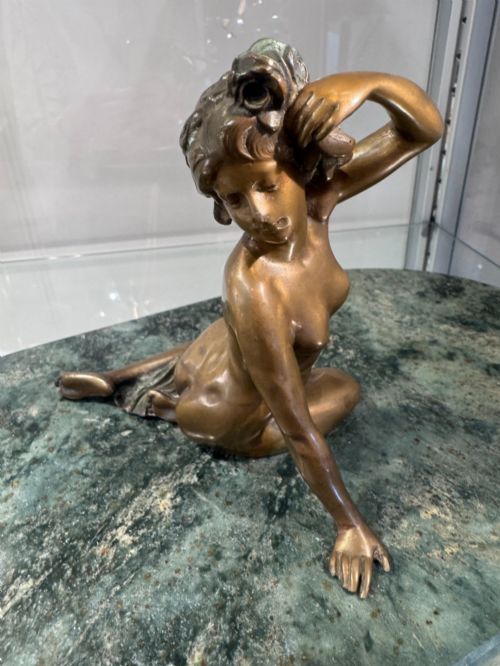
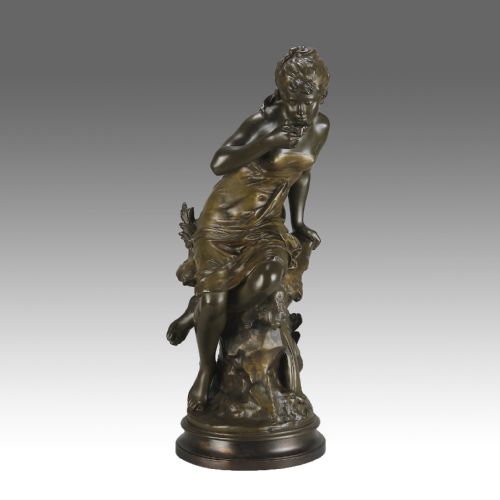
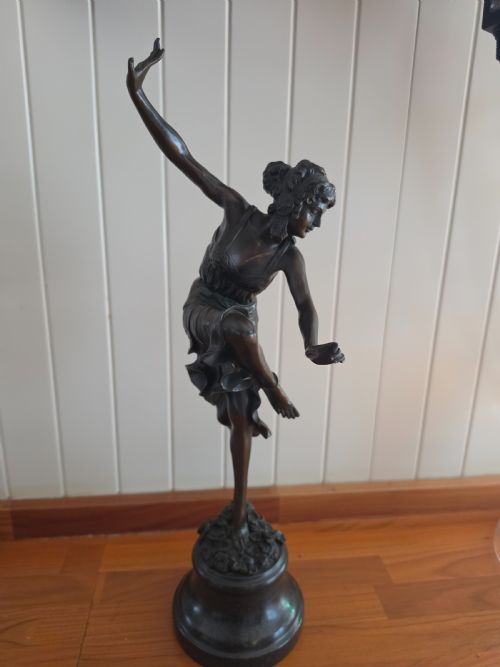
Bronze sculptures utilise the lost-wax casting method or sand casting, often finished with patination or gilt layers to accentuate drapery and hair. Foundries frequently combined cast metal with carved marble bases or mixed media elements.
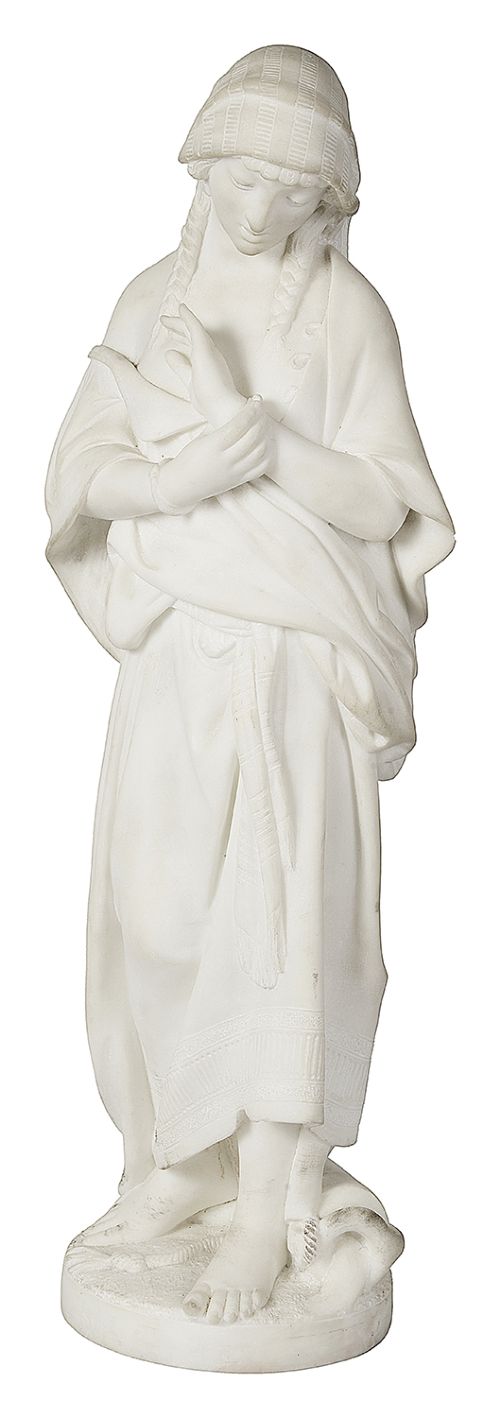
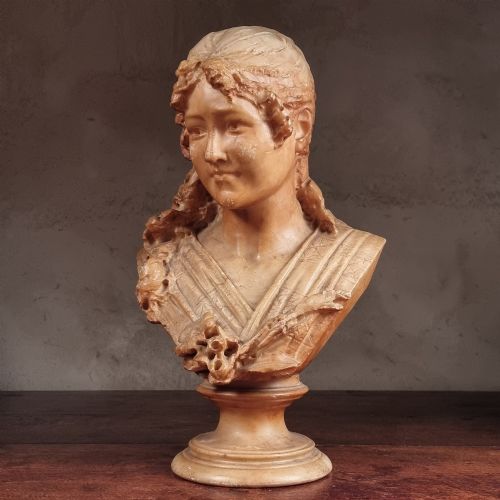
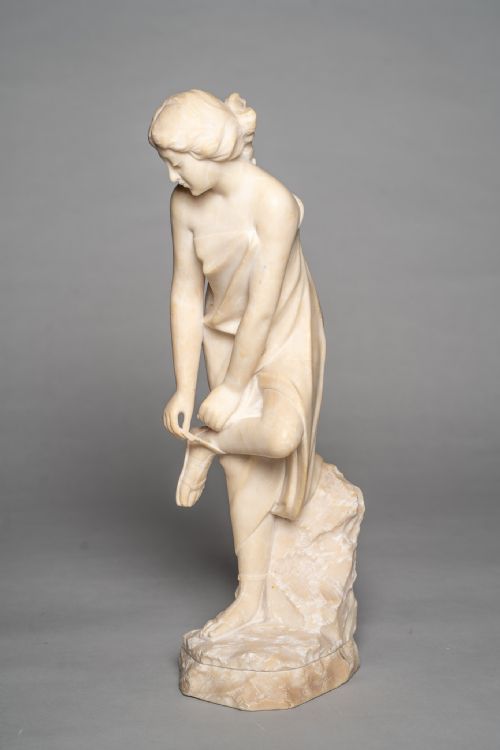
Alabaster and marble pieces rely on hand-chiselling and polishing, transforming dense stone blocks into translucent veils, smooth skin and intricate folds of fabric. Sculptors shaped these materials using traditional masonry tools to achieve realistic textures.
Ceramic and porcelain examples, including Parian ware and Royal Worcester figures, involve slip-casting in moulds followed by high-temperature firing. Artisans then hand-painted details or left the matte white ceramic to imitate carved marble.
Sculptures range from grand classical busts and allegorical figures to dancer studies and garden statues.
What varies in quality
The choice and combination of materials influence overall character, such as variegated marble bases supporting patinated bronze or pure Carrara marble capturing light through carved drapery. Original patinas and surfaces untouched by aggressive cleaning retain historical integrity.
Etienne-Henri Dumaige·Bruno Zach·Barranti·Moreau Family·August Moreau·Mathurin Moreau·Emmanuel Villanis·Henry Wissen Senior·A.Gamay·C J R Colinet·Hopper·Auguste Henri Carli·H. Schubert·Zoldan Kovats·Gilbert Privat·Clodion·Claudius Marioton·Hans Müller·Charles Korschann
The Antique Maiden Sculpture Glossary
- Patinated bronze
- Metal sculpture treated with chemical solutions to produce a specific surface colour and tone. This process protects the bronze while enhancing shadows in hair and drapery.
- Parian ware
- A fine-grained bisquit porcelain developed in the nineteenth century to imitate white marble. It was widely used for classical figures and portrait busts.
- Grand Tour
- The nineteenth-century practice where wealthy travellers acquired small bronzes and carved stone souvenirs in Italy and France. These sculptures often reproduced classical antiquities.
- Carrara marble
- A type of white or blue-grey marble from the city of Carrara in Tuscany, prized since ancient times for its use in monumental sculpture.
- Terracotta
- Fired clay moulded into sculptural forms, sometimes painted or bronzed. It allows sculptors to capture immediate modelling marks before firing.
Antique Maiden Sculpture: Frequently Asked Questions
What materials are used?
Sculptures in this category are primarily cast in bronze, patinated bronze or gilt bronze, alongside carved marble and alabaster. Other pieces utilise terracotta, Parian ware, enamel and monumental porcelain.
Foundries and studios frequently combined these media, mounting metal figures onto multi-coloured marble bases or mixing stone with metal elements.
How do I identify periods?
Stylistic cues help separate nineteenth-century works from later pieces, with Victorian and Neoclassical examples favouring classical drapery and formal poses. Art Nouveau and Art Deco designs introduce flowing botanical lines or stylised modern geometry.
Signatures, foundry marks and material composition further clarify whether a piece dates to the nineteenth century or the early twentieth century.
Where were they made?
Production was centred primarily in France and Italy, with Parisian foundries and Florentine studios creating the majority of bronze and marble works. English factories such as Royal Worcester produced porcelain equivalents.
Many nineteenth-century bronzes and alabasters originated from workshops catering to European collectors and travellers on the continent.
How do I display them?
These sculptures require stable surfaces such as heavy sideboards, pedestals or mantelpieces that can support the weight of bronze and stone. Placement away from direct sunlight and moisture protects delicate patinas and unglazed porcelain.
Lighting from the side accentuates the carved folds of marble drapery and the nuanced shadows of patinated metal surfaces.