

Antique Mahogany Caddy Box
An antique mahogany caddy box is a tactile piece of domestic history designed to store precious dry leaf or spirits safely under lock.
Antique Mahogany Caddy Box
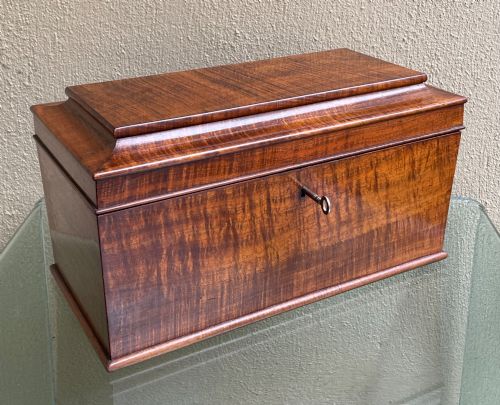
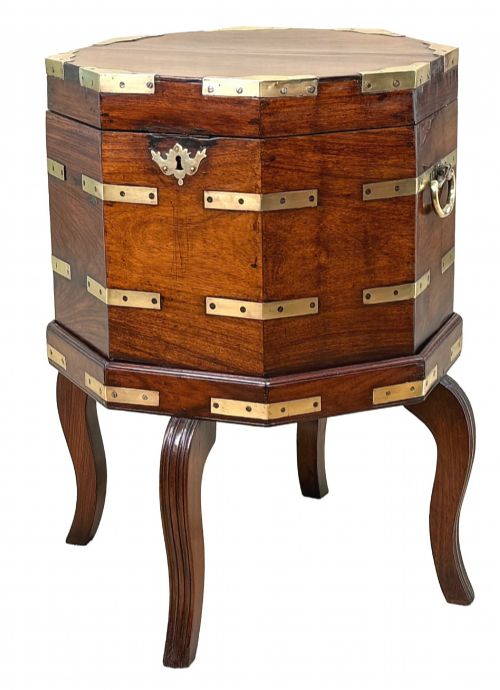
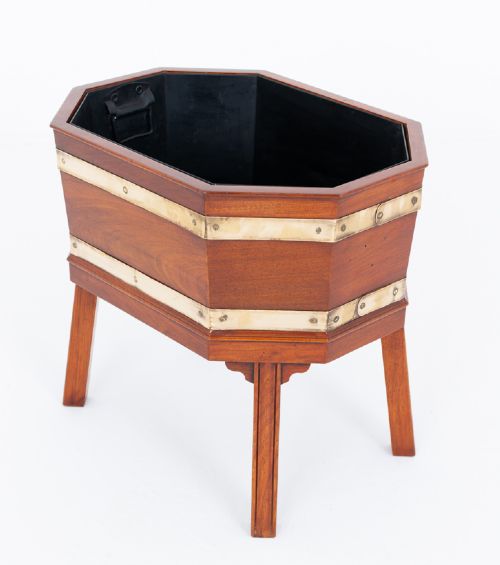
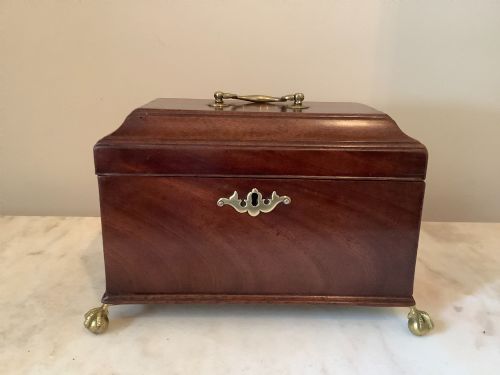
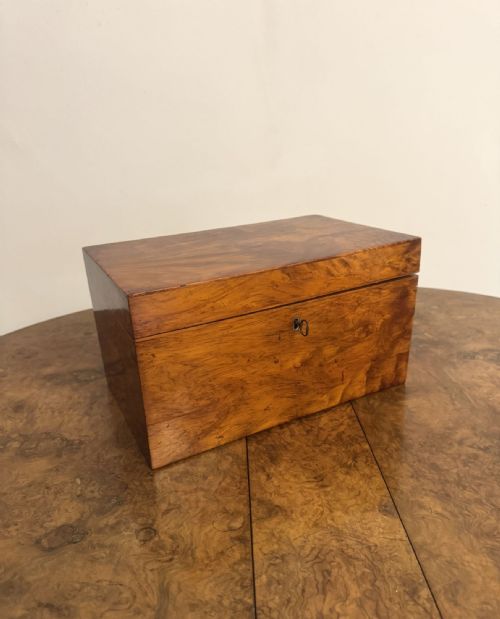
An antique mahogany caddy box represents the utilitarian yet decorative vessels that held dry tea leaves securely away from moisture and household prying. When exploring this selection, buyers frequently encounter tea caddies, larger cellarettes, wine coolers, and various storage boxes originating from the eighteenth and nineteenth centuries.
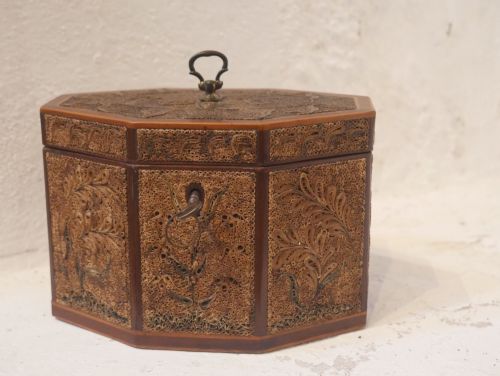
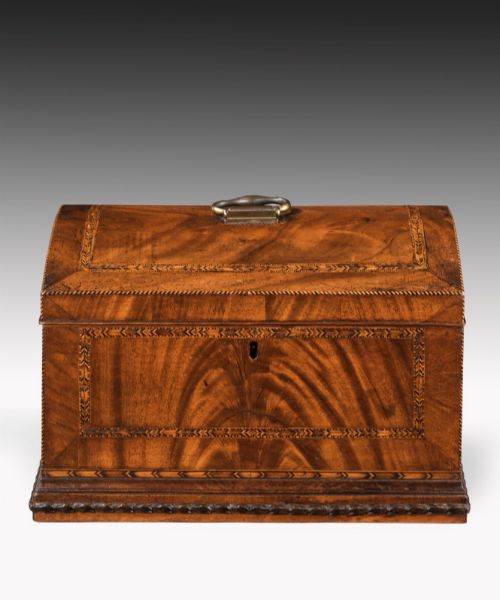
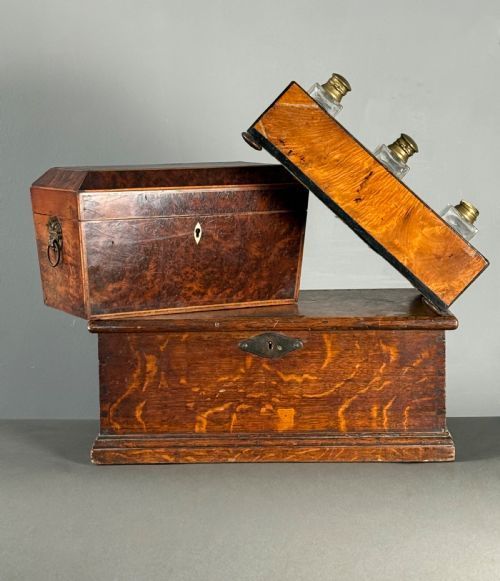
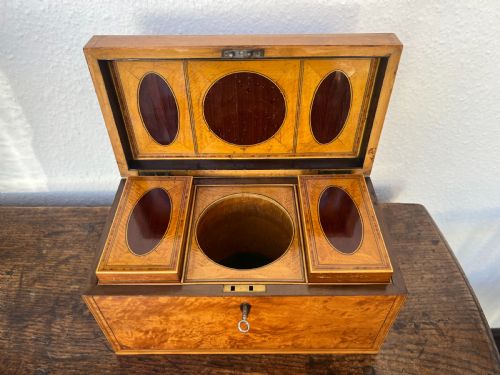
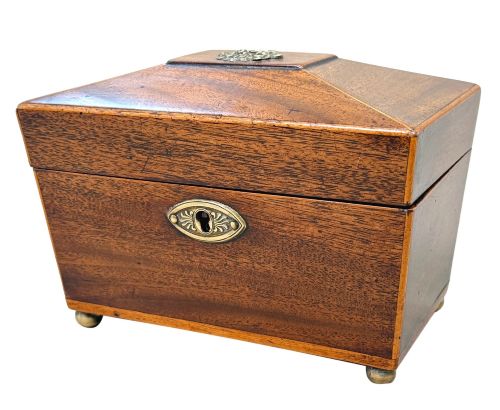
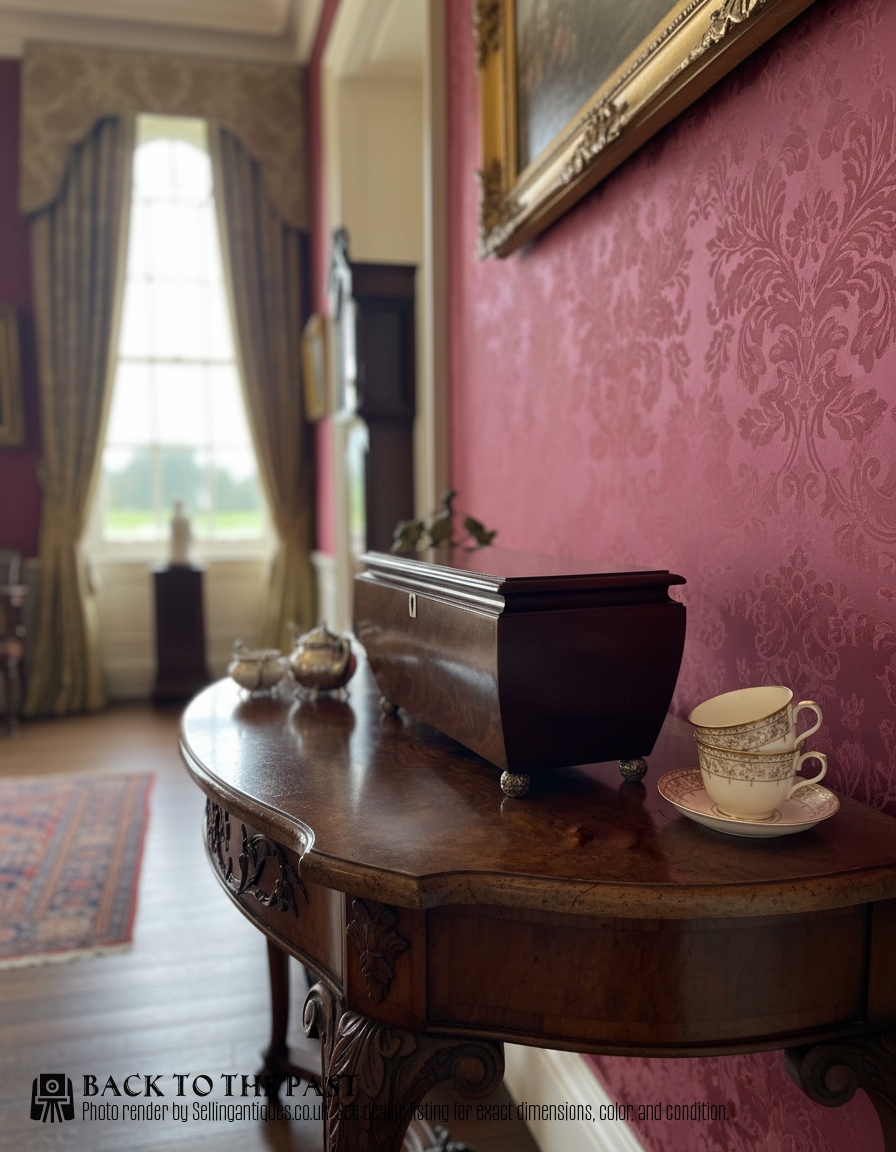
The assortment spans formal Georgian and Regency designs alongside later Victorian iterations, incorporating distinct forms such as sarcophagus shapes, octagonal boxes, and double caddies. Many examples reflect domestic practices of the period, occasionally featuring interior compartments, cut glass bowls, or secret drawers.
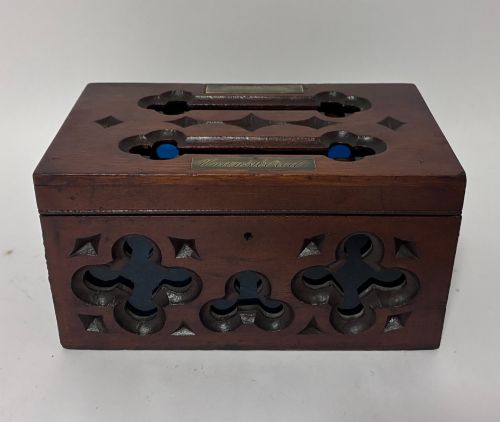
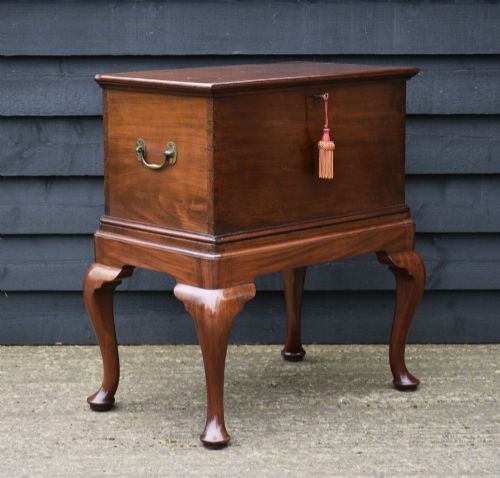
Beyond standard tea storage, related items include correspondence boxes, work boxes, and cutlery boxes fashioned in matching timbers. These objects range from compact miniature caddies to substantial pieces mounted on stands or designed as freestanding table-top boxes.
What varies in quality
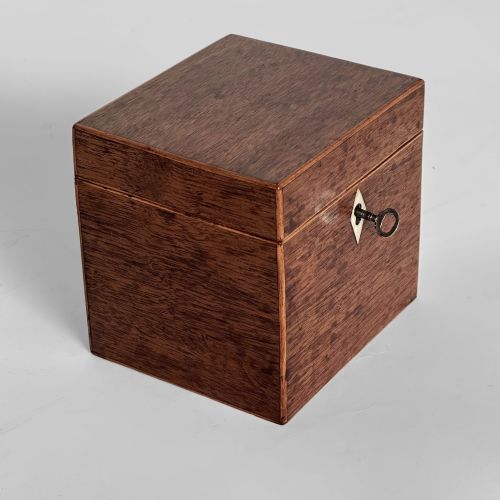
The standard of a piece rests heavily upon the figuring of the mahogany grain and the precision of the cabinet work, particularly around inlaid details and mitred joints. Finer examples retain deep, warm patination and original brass mounts, whereas lesser pieces show heavy timber shrinkage or replaced hardware.
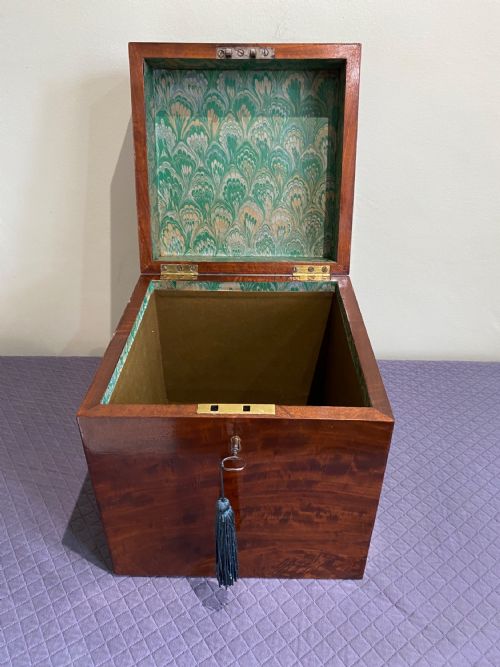
Structural integrity of the internal compartments and the presence of working locks with matching keys distinguish superior examples. The sophistication of the silhouette, from simple rectangular boxes to complex sarcophagus forms, dictates the level of craftsmanship invested by the original maker.
The Antique Mahogany Caddy Box Glossary
- Caddy
- A small box or chest once used for storing tea leaves. The term derives from catty, the Chinese weight measurement for tea.
- Cellarette
- A lockable container or stand used to hold bottles of wine and spirits safely. These frequently mirror the sarcophagus and octagonal shapes found in tea caddies.
- Teapoy
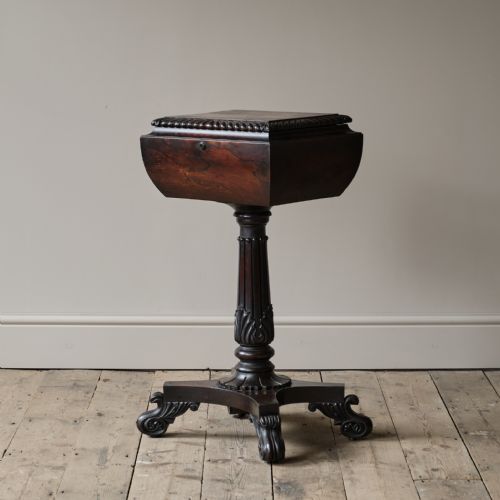
- A pedestal table fitted with a top box for holding tea or serving as a work table. They often stand upon a central pillar with tripod or platform feet.
- Sarcophagus
- A monumental box shape featuring a domed or steep-pitched hinged lid tapering inward toward the base. This neoclassical form became popular during the Regency period.
- Patina
- The surface sheen and mellowing developed by wood over centuries of handling and polishing. Collectors prize undisturbed surfaces that show genuine age.
Antique Mahogany Caddy Box: Frequently Asked Questions
What was a caddy box used for?
These boxes stored precious tea leaves securely under lock when tea was an expensive imported commodity. Servants typically kept the key to prevent pilfering in large households.
Inside, divided compartments separated different varieties of black and green tea, while central spaces sometimes held glass bowls for blending leaves before brewing.
How do I date a mahogany box?
Dating relies upon architectural styles, construction methods, and timber choice. Eighteenth-century pieces often display straightforward rectangular forms with subtle stringing, while Regency items favour sarcophagus shapes with bold brass paw feet or ring handles.
Examining interior secondary woods and screw types provides further clues to the manufacturing decade, distinguishing Georgian craftsmanship from later Victorian revival styles.
Are original keys common?
Original working keys are relatively uncommon because locks were easily jammed or keys lost during household moves over the centuries. Many surviving boxes retain period replacement keys or locks that have been professionally serviced.
The presence of an original escutcheon plate around the keyhole often indicates that the locking mechanism remains undisturbed.
How do I care for antique mahogany?
Maintain antique mahogany by keeping it away from direct sunlight and sudden temperature shifts that cause timber to split or veneer to lift. Dust gently with a dry cloth rather than using silicone sprays.
Applying a traditional beeswax polish occasionally helps preserve the natural lustre and moisture of the old wood without building up heavy residue.