




English Regency Tea Box
An English regency tea box holds dry leaves securely, bringing period proportion and dark timbers into modern sitting rooms.
English Regency Tea Box
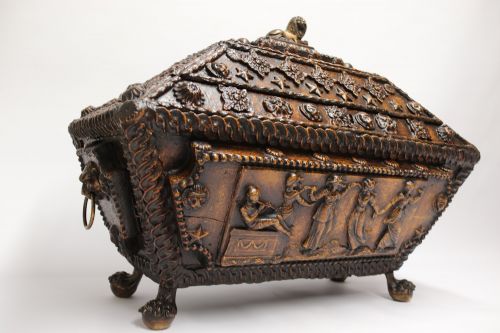
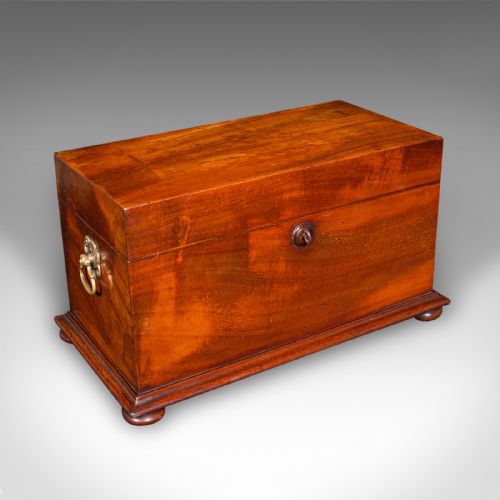
An english regency tea box is a domestic storage container designed for loose leaf tea during the early nineteenth century. These objects include tea caddies, teapoys, sarcophagus cases and sugar boxes from the Regency and William IV periods.
The rosewood and mahogany versions appearing most frequently on this page often feature internal compartments for different leaf varieties and central mixing bowls. Surviving examples demonstrate the formal geometry and classical influence of the era.
Makers shaped these containers as sarcophagi, rectangular caskets and pedestal teapoys intended for drawing room display. Buyers encounter items utilising brass inlay, boxwood stringing and mother of pearl alongside plain timber surfaces.
What varies in quality
The standard of a box depends upon the precision of its brass inlay and the selection of timber veneers. Finely figured rosewood and symmetrical grain alignment distinguish superior pieces from utilitarian containers.
Original internal fittings, including matched mixing glasses and functioning locks with working keys, elevate the standing of a container. The crispness of carved gesso decoration and hand-painted details also indicate the skill of the original workshop.
Listings feature rosewood, mahogany and burr maple alongside brass inlay and porcelain components.
William Rudkins·Ridgway·Gillows·Coalport
The English Regency Tea Box Glossary
- Teapoy
- A freestanding tea caddy mounted on a central pillar and pedestal base, often incorporating storage compartments and a work box. These larger pieces sat beside drawing room chairs for serving tea.
- Sarcophagus
- A box shape featuring a domed or sloping hinged lid resting on a tapered rectangular body, mimicking classical monumental tombs. This form became popular during the Regency period for larger tea caddies.
- Sucrier
- A covered ceramic bowl designed to hold lump or loose sugar, frequently found alongside tea caddies in matching ceramic bodies. Ridgway and Coalport produced notable examples during the nineteenth century.
- Mixing glass
- A glass bowl fitted inside the centre of a tea caddy for blending different leaf varieties or holding water. They demonstrate the functional complexity of early nineteenth century tea preparation.
- Penwork
- A decorative technique using fine ink lines on a prepared wood surface to create intricate pictorial or geometric designs. This skilled ornamentation appears on select Regency decorative boxes.
- Stringing
- Thin lines of contrasting timber inlaid into the edges of furniture and box surfaces to create geometric borders. Boxwood and fruitwood served as common materials for this linear detail.
English Regency Tea Box: Frequently Asked Questions
What is an english regency tea box?
An english regency tea box is a lidded container made between eighteen hundred and thirty five to store expensive loose leaf tea. These objects protected dry goods from moisture and light while displaying rich timbers in the drawing room.
Craftsmen built them in various forms, including sarcophagus shapes, freestanding teapoys and rectangular caskets. They remain popular decorative items for modern interiors.
How were they used historically?
Household staff or the host used these containers to store black and green teas under lock and key, as tea was a valuable commodity. The internal compartments kept different leaf varieties separate before mixing.
The central glass bowl allowed the host to blend leaves or rinse spoons during tea service. Guests gathered in the drawing room while the host prepared the brew from the caddy.
How do I live with one?
Place your box on a side table, chest of drawers or mantlepiece away from direct sunlight and heat sources. The polished rosewood and brass inlay look striking against neutral modern backgrounds.
Use the internal compartments to store small keepsakes, jewellery or modern tea bags. Keep the timber conditioned with appropriate wax to maintain the historical finish.
How do I tell periods apart?
Regency pieces dating around eighteen twenty often feature crisp brass inlay, rosewood veneers and classical sarcophagus proportions. They lean towards elegant restraint and archaeological motifs.
William IV items from the eighteen thirties tend to be heavier and bolder, utilising burr maple and robust pedestal bases. Look at the timber choice and decorative motifs to determine the likely decade of manufacture.