
Antique Mahogany Buffet Table
These antique mahogany buffet table pieces offer robust timber and practical surface space that suits both formal dining rooms and modern halls.
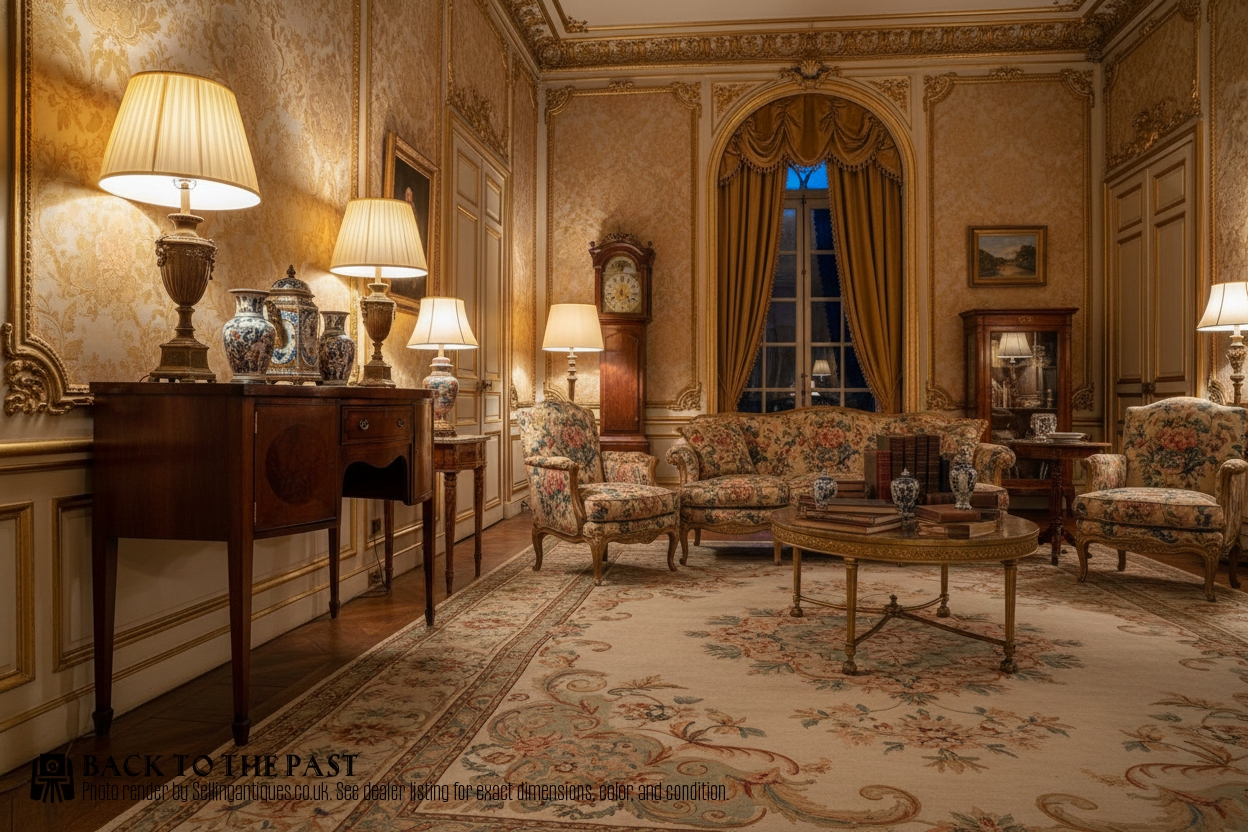
What an antique mahogany buffet table is
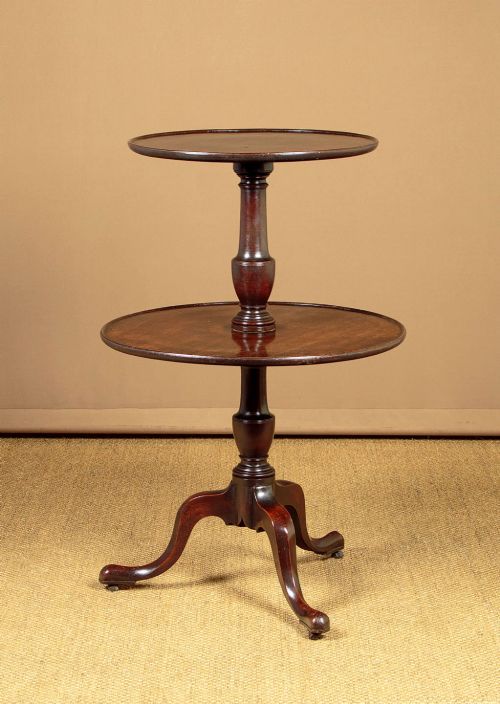
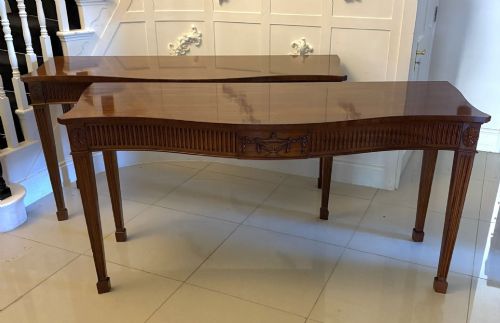
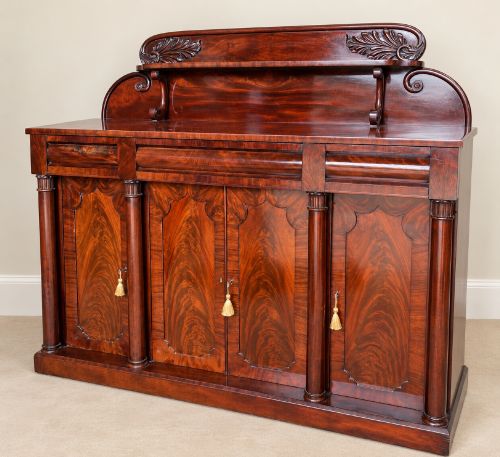
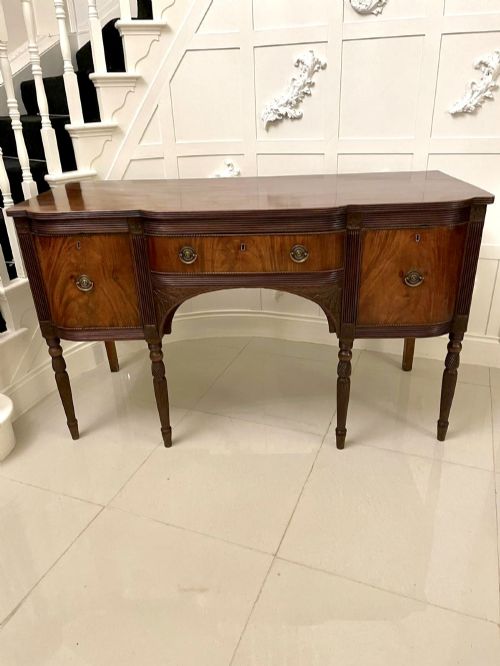
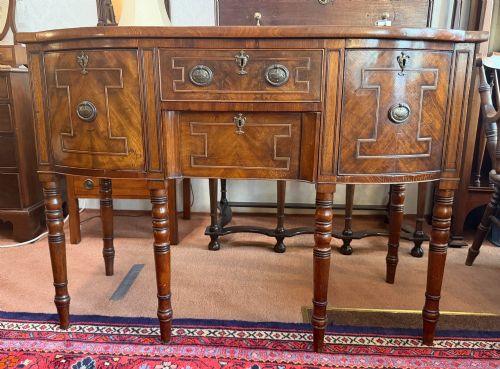
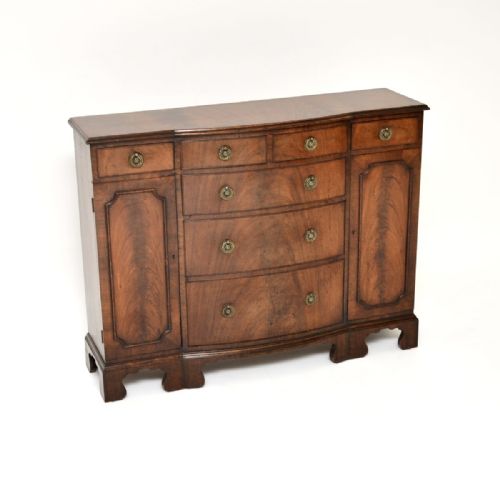
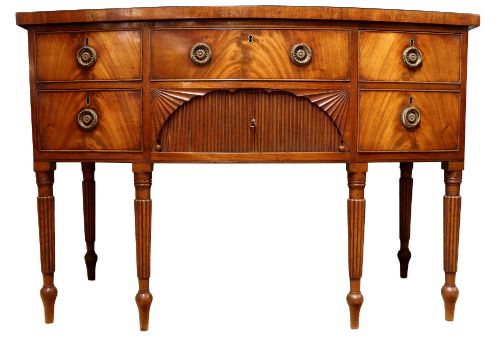
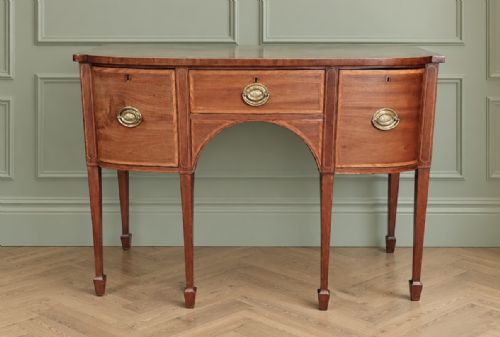
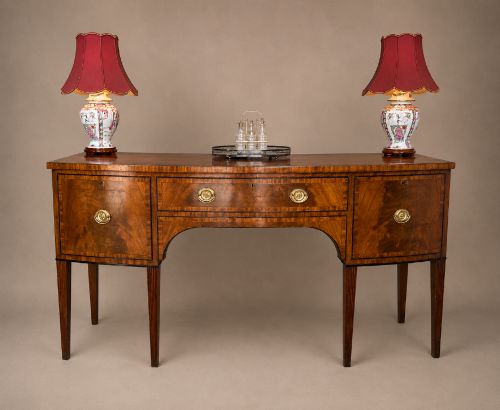
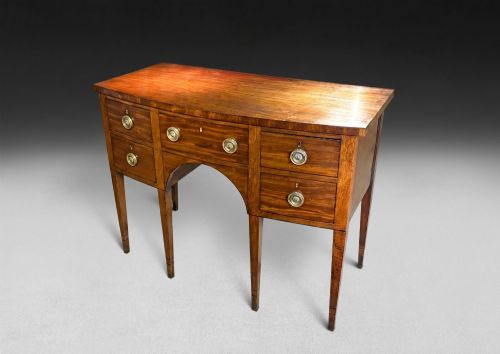
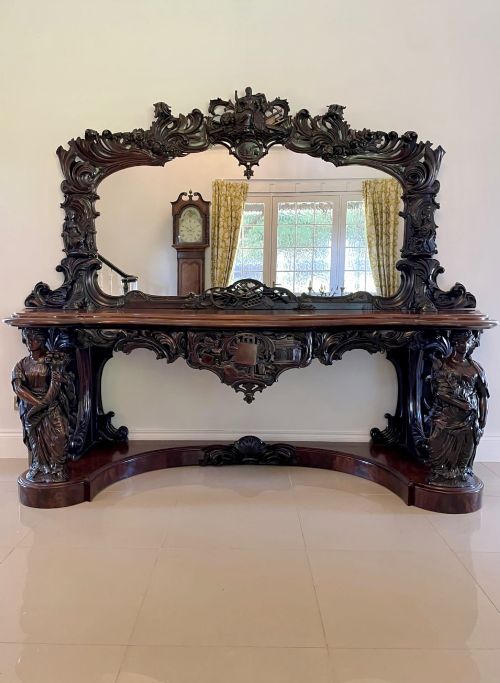
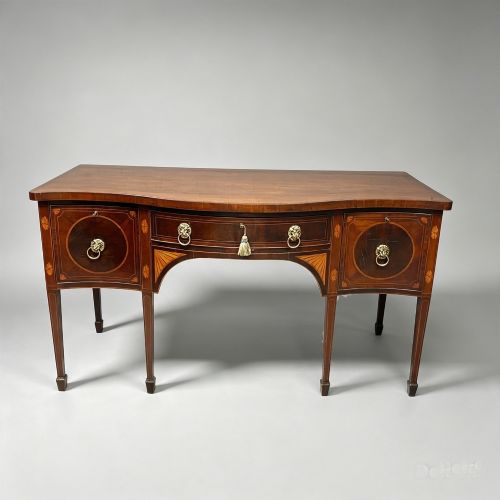
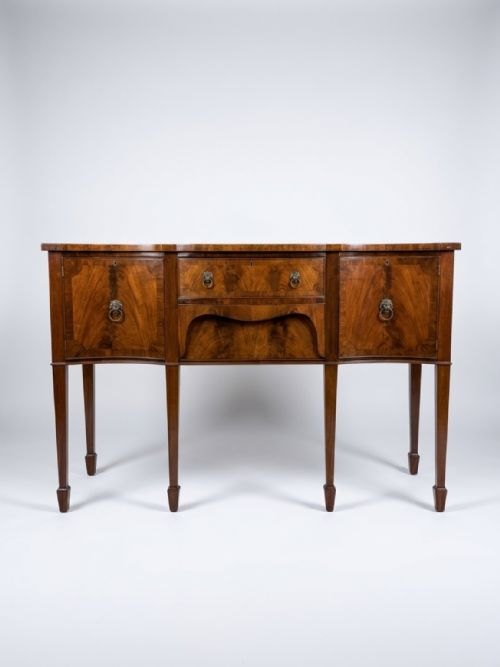
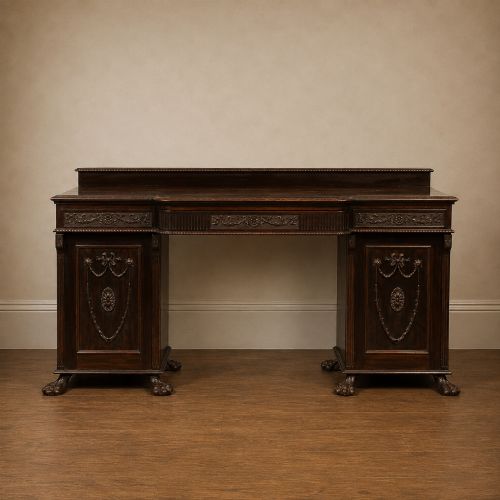
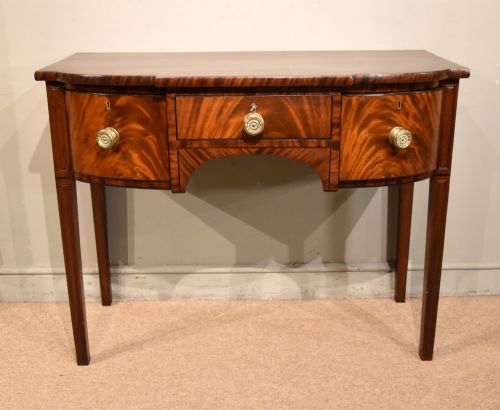
An antique mahogany buffet table serves as a substantial piece of dining furniture designed for serving food and displaying silver. Buyers searching this phrase encounter forms ranging from bowfront sideboards to tiered serving stands and freestanding console tables.
The pieces on this page span the Georgian, Regency, William IV, Victorian, and Edwardian periods. Sideboards and servers dominate the selections, alongside multi-tier buffet stands and console tables.
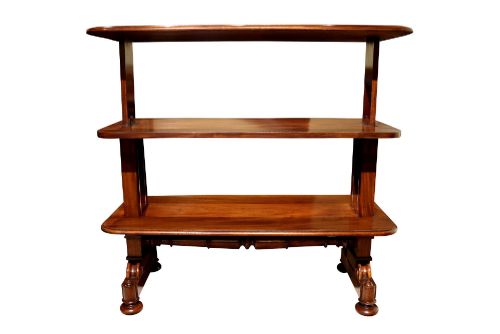
Origins include English workshops operating across the nineteenth and early twentieth centuries. Pieces vary from simple rectangular sideboards to elaborate three-tier designs with rise and fall mechanisms.
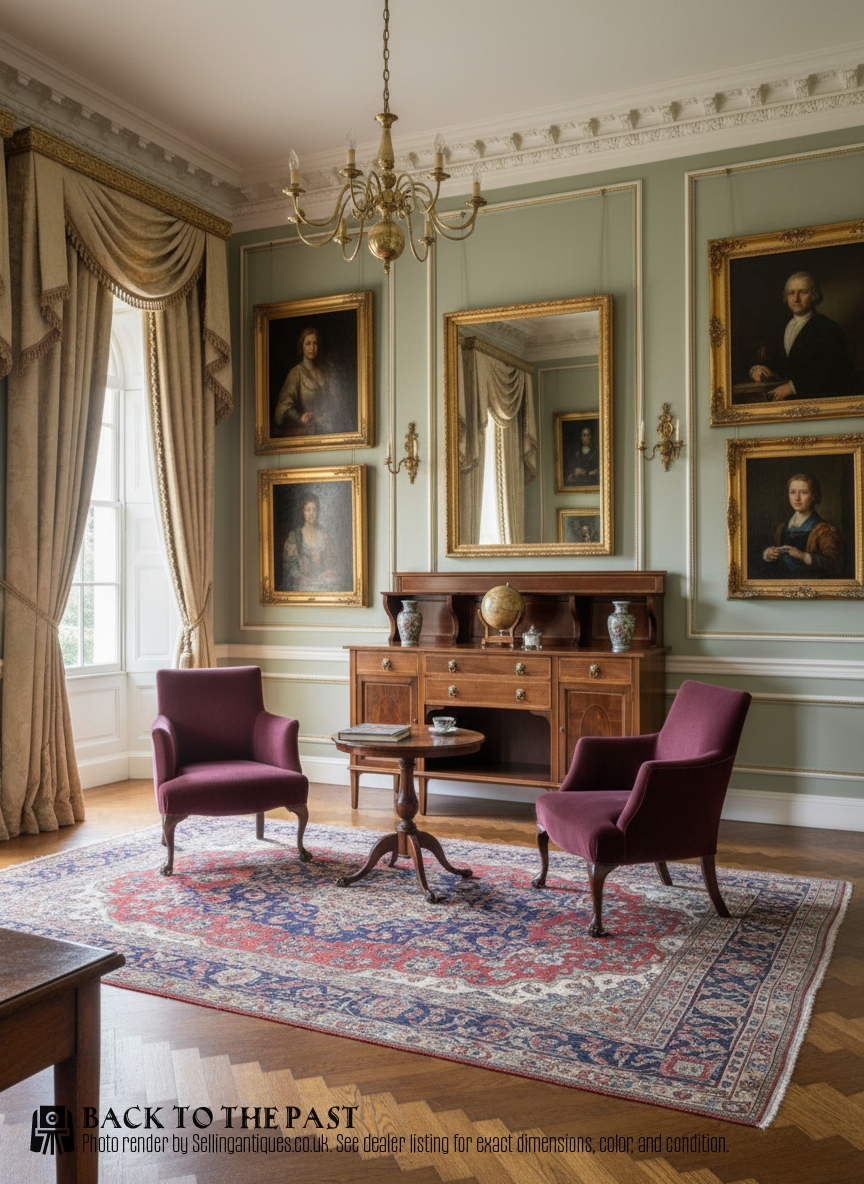
How they were made
Cabinetmakers built these pieces using solid mahogany and mahogany veneers over secondary timbers. Workshops frequently added contrasting details such as boxwood inlay and satinwood banding to enrich the rich brown surfaces.
Metal components such as brass fittings appear on select hardware and mechanisms. Joinery methods relied on traditional cabinet construction to support heavy timber tops and multiple tiers.
Retail Price Guide 2026
Typical UK retail prices for mahogany buffet table, calculated from the Sellingantiques database of over a million retail prices indexed since 2003. This retail price guide relies exclusively on Sellingantiques data; no external sources or auction records are used, so the figures do not describe the wider market.
The documented forms include sideboards, console tables, narrow serving tables, and multi-tier buffet stands.
What varies in quality
Quality depends upon the choice of timber figure and the precision of decorative inlays like boxwood. Superior examples display carefully matched grain patterns across large surfaces and drawer fronts.
Structural complexity sets apart the finer pieces, particularly mechanical elements such as rise and fall three-tier frames. The integration of extra supports, like six-legged configurations, also marks out more ambitious construction.
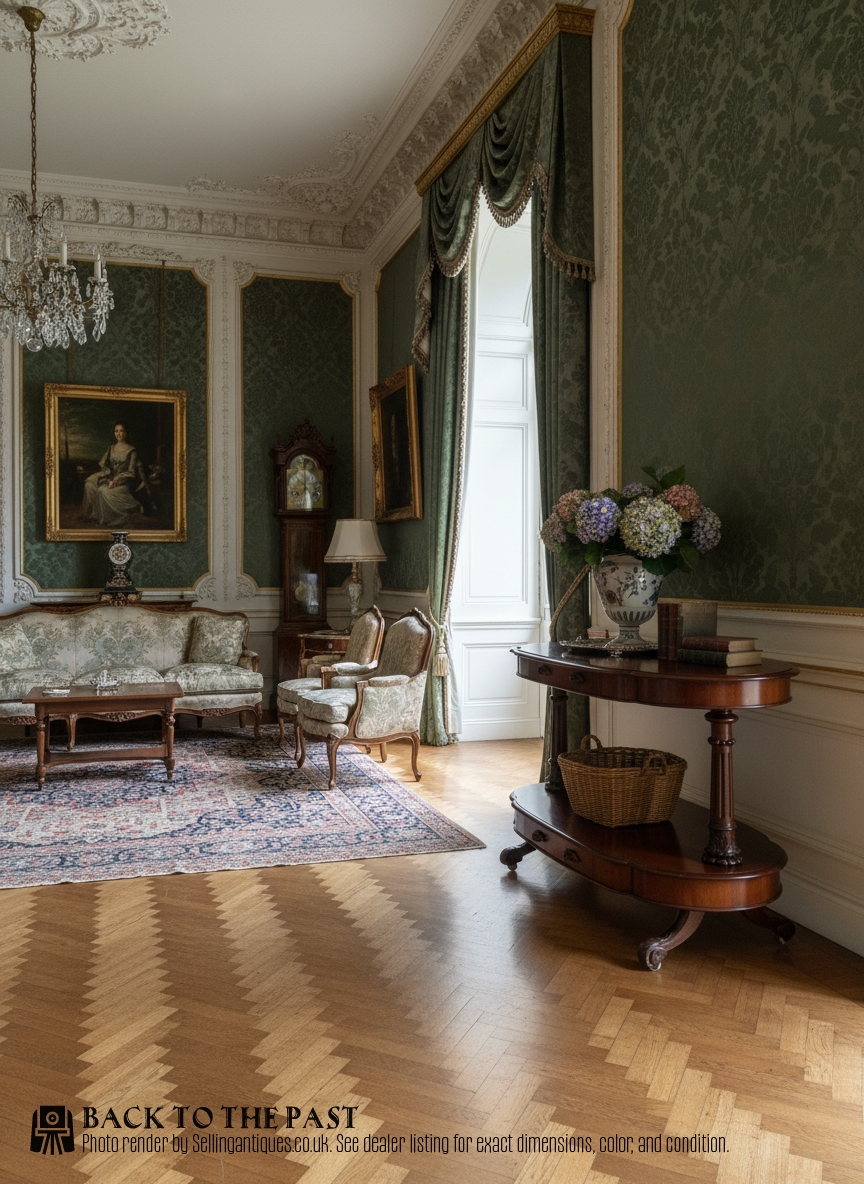
The Antique Mahogany Buffet Table Glossary
- Mahogany
- A durable tropical hardwood prized for its deep reddish-brown colour and stable grain. Cabinetmakers utilised it extensively for high-status dining furniture throughout the Georgian and Victorian eras.
- Bowfront
- A convex, curved front shape popular on sideboards and serving tables. This design softens rigid room angles and maximises internal storage capacity.
- Inlay
- A decorative technique where contrasting woods such as boxwood or satinwood are inserted into recesses in the primary surface. It creates crisp geometric borders and ornamental motifs.
- Console table
- A table designed to stand against a wall, sometimes supported by brackets or legs. These pieces function as decorative side tables or auxiliary serving surfaces in hallways and dining rooms.
- Tiered buffet
- A multi-level serving stand designed to hold dishes and silverware during meals. Some advanced nineteenth-century variants incorporate mechanical rise and fall actions.
Frequently Asked Questions
How do I date a mahogany buffet?
Dating relies upon stylistic markers, timber characteristics, and construction methods associated with periods like the Georgian era or Edwardian times. Details such as bowfront shapes and boxwood inlay often point to specific design phases.
Examining the interior timber and hardware provides further clues regarding age. Makers adapted forms across the nineteenth century, shifting from six-legged Georgian proportions to tiered Victorian servers.
Where should I place a buffet table?
These pieces traditionally sit against dining room walls to hold serving dishes, glassware, and silverware during meals. Their narrow profiles also suit entrance halls and living spaces as console surfaces.
Freestanding oval and console variants work well in larger rooms where they can be viewed from multiple angles. Placement should avoid direct sunlight to protect the polished mahogany finish.
How do I clean mahogany furniture?
Maintenance requires dusting with a soft, dry cloth to remove grit without scratching the polished wood surface. Periodic application of quality beeswax feeds the timber and preserves the natural lustre.
Harsh chemical cleaners and excessive moisture must be avoided as they damage antique finishes and veneers. Professional conservation is advisable for deeper restoration work.