
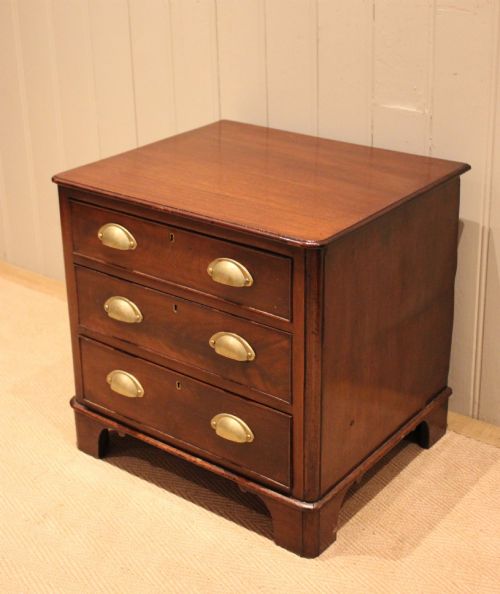
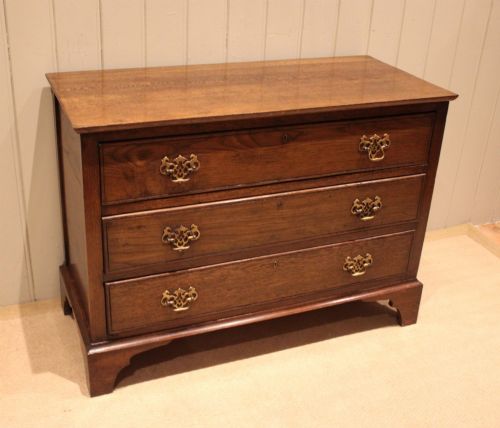

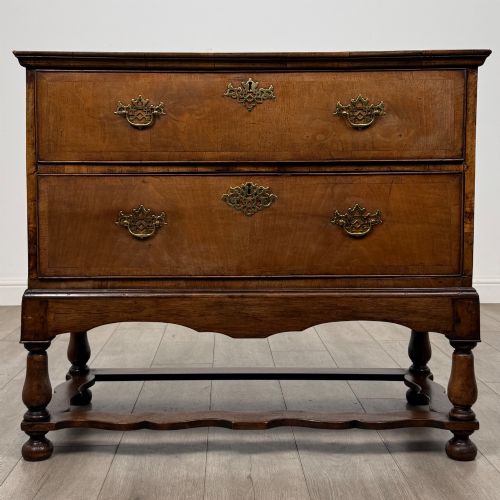
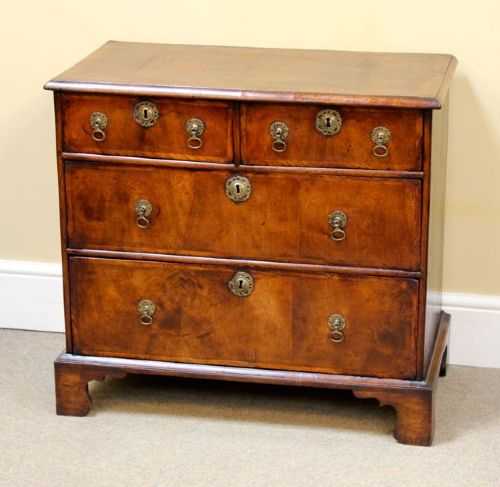
Antique Lowboy Chest
An antique lowboy chest brings compact storage and elegant proportions to a room.
What these pieces are
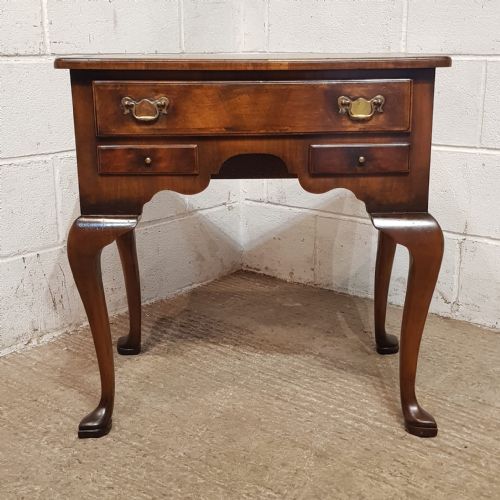
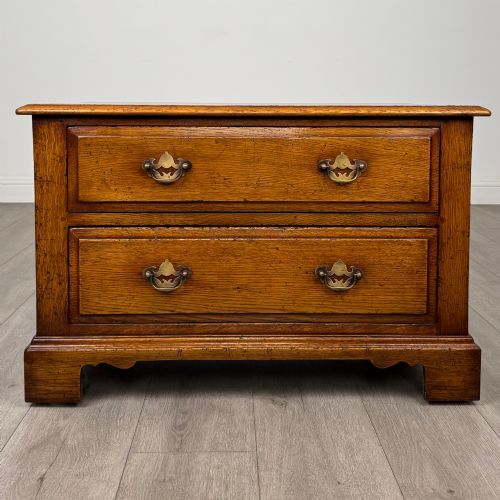
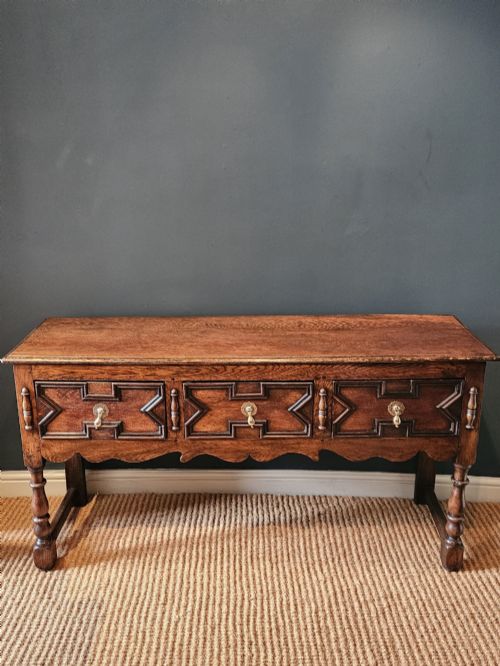
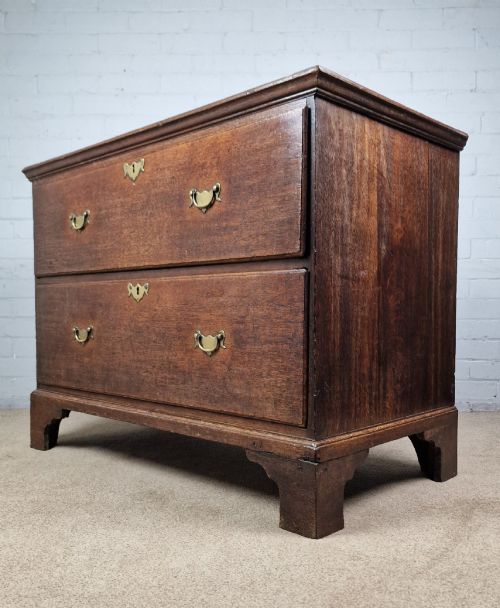
An antique lowboy chest combines the function of a small chest of drawers with the open leg structure of a side table. These pieces generally date from the eighteenth century, spanning the Georgian period and the reigns of George I and George II.
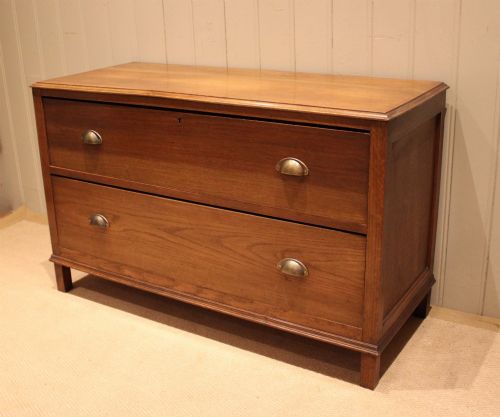
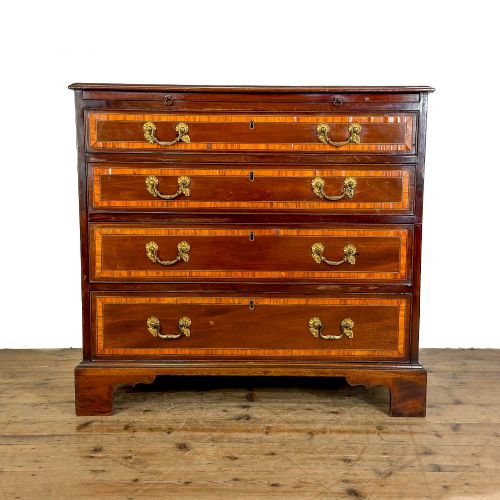
Buyers encounter forms designated as lowboys, lowboy chests of drawers, console chest tables, and chests on stands. Origins trace primarily to English workshops spanning the eighteenth and nineteenth centuries.
How they were made
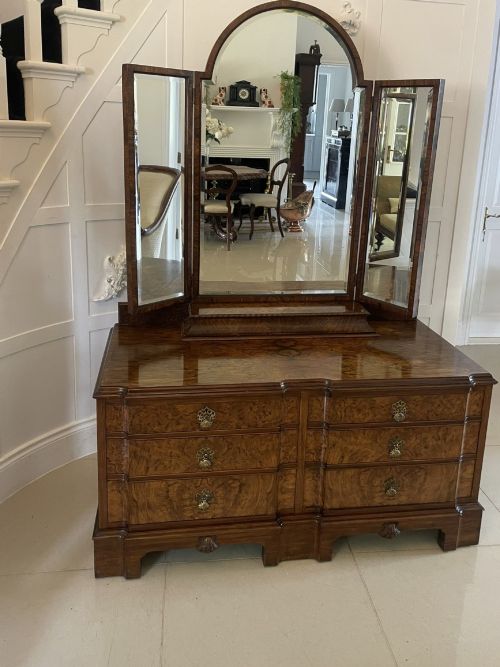
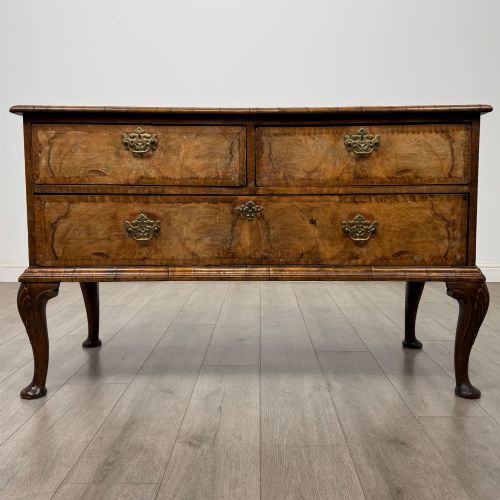
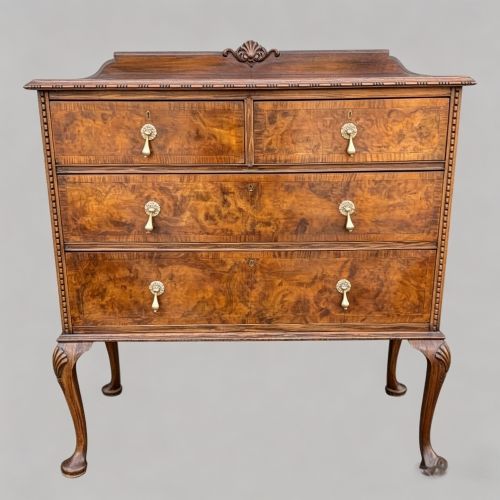
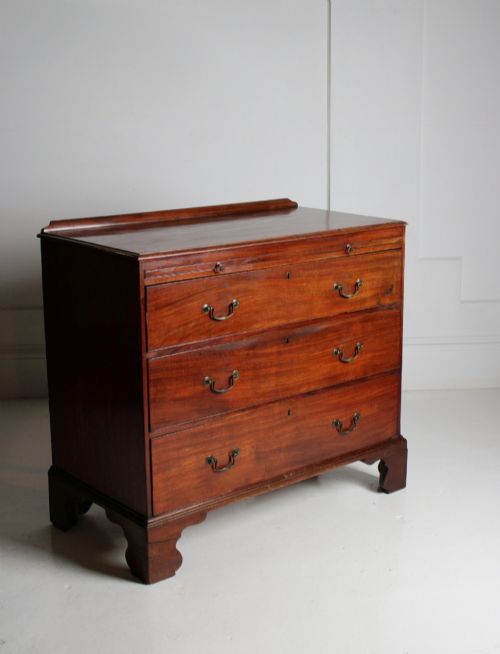
Cabinetmakers utilised solid timbers and veneers of walnut, burr walnut, mahogany, cherrywood, and teak to construct these pieces. Grain patterns were carefully selected for the top and drawer fronts to create decorative surfaces.
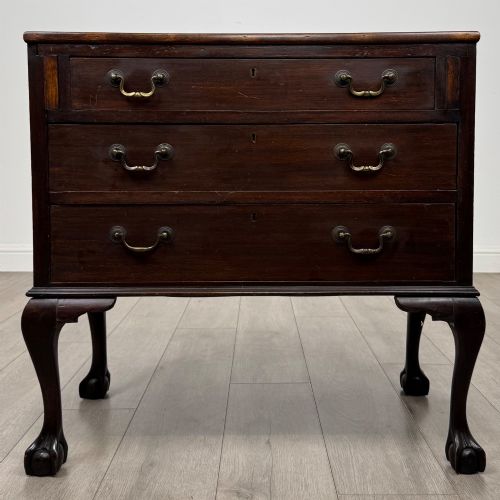
Metal hardware such as brass handles and escutcheons were fitted to the drawers. Joinery methods secured the frames, legs, and drawer boxes for daily use.
Listings feature walnut, mahogany, cherrywood, and teak as the primary cabinet timbers.
What varies in quality
The choice of timber creates a distinct separation in quality, with burr walnut and figured mahogany commanding attention for their rich grain patterns. Plain or secondary woods indicate more utilitarian regional work.
Proportion and leg styling separate standard examples from finer pieces. Cabriole legs, pad feet, and serpentine fronts require greater skill from the cabinetmaker than straight square legs.
The Antique Lowboy Chest Glossary
- Lowboy
- A small dressing table or side table with drawers, standing on relatively tall legs. This form became popular during the late seventeenth and eighteenth centuries.
- Walnut
- A hard timber prized for its rich brown colour and complex grain figures. Cabinetmakers favoured it extensively during the early eighteenth century.
- Mahogany
- A durable reddish-brown tropical hardwood introduced widely to British cabinetmaking during the Georgian period. It accepted fine carving and polished to a deep lustre.
- Escutcheon
- A protective plate surrounding a keyhole. These are frequently cast from brass and styled to match the period of the chest.
- Serpentine
- A gently curving furniture front with a convex centre flanked by concave sides. This shape requires advanced woodworking skill to execute.
Frequently Asked Questions
What is an antique lowboy chest used for?
These pieces function as compact drawer storage combined with a surface top. Historically they served as dressing tables or side tables in bedrooms and living spaces.
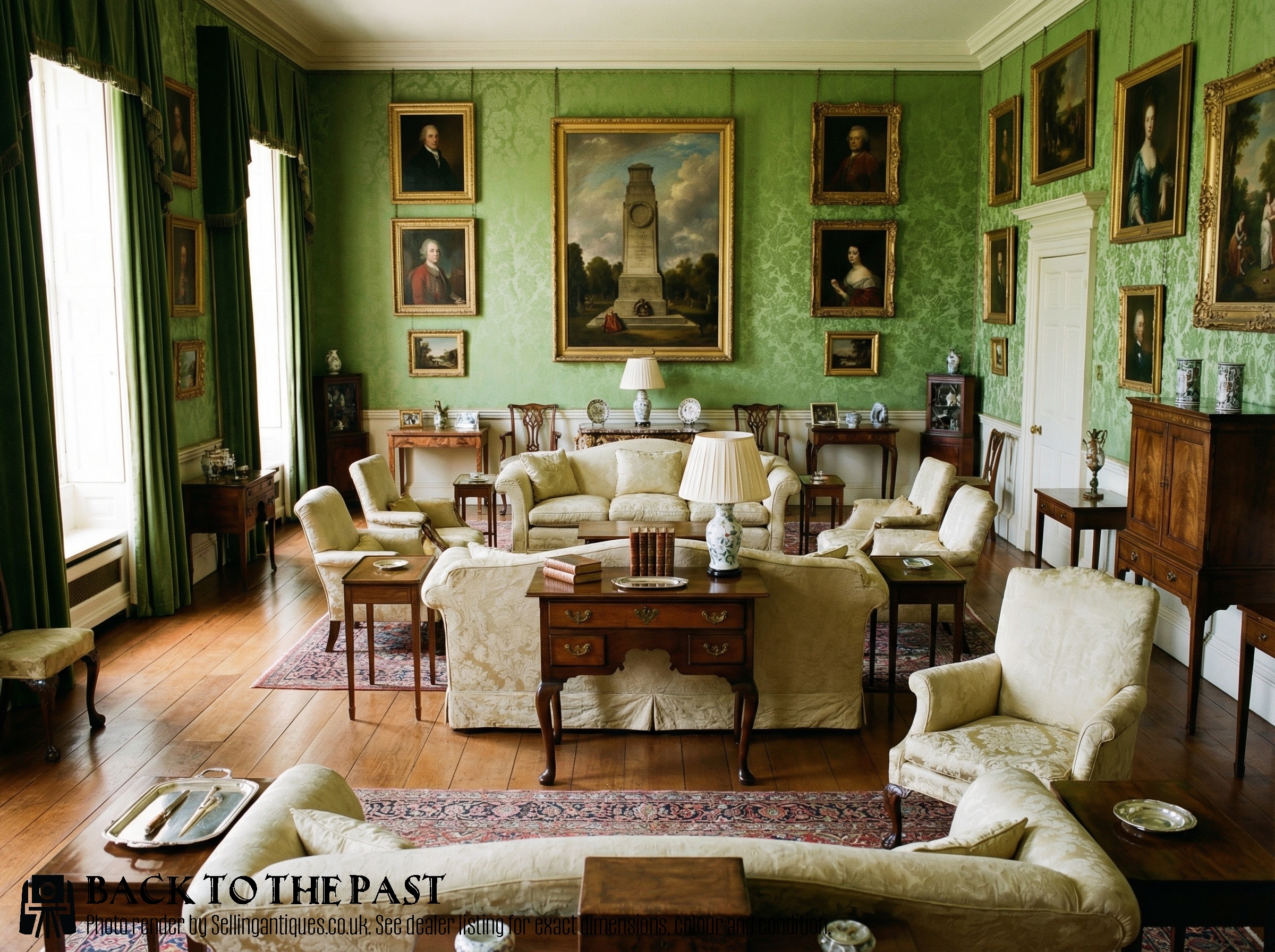
Today they fit easily into narrow hallways, bedrooms, or living rooms as lamp tables with bonus storage. Their low height and shallow depth make them versatile for smaller rooms.
How do I date an antique lowboy?
Dating relies on timber choice, hardware style, and leg construction. Walnut and cabriole legs point toward the early eighteenth century, while mahogany and straight legs often suggest later Georgian production.
Examining the secondary woods inside the drawer boxes and the cut of the dovetails also helps establish the period of manufacture.
Are lowboys and lowboy chests the same thing?
The terms are often used interchangeably in the trade to describe low tables with drawers. Some pieces lean closer in appearance to a small chest on legs, while others resemble side tables with fitted drawers.
Both forms share the characteristic low profile and raised leg structure that distinguish them from tallboy chests.
What woods were used for lowboy chests?
Walnut, mahogany, cherrywood, and teak appear across these examples. Burr walnut was frequently chosen for decorative veneered surfaces on top boards and drawer fronts.
Solid mahogany and cherrywood provided sturdy frames and turned or cabriole legs capable of supporting the drawer section.