


Antique Low Armchair
When you search for an antique low armchair, you are looking for compact seating designed for comfort and ease by the hearth or in the bedroom.
Antique Low Armchair
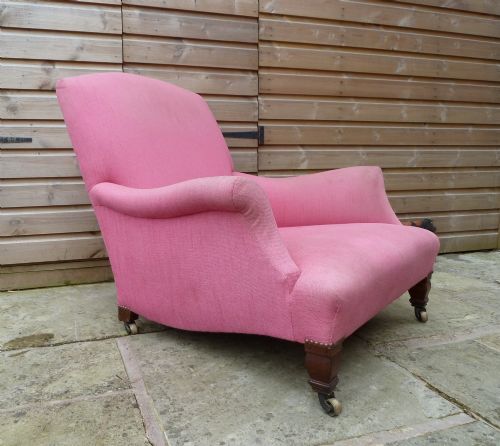
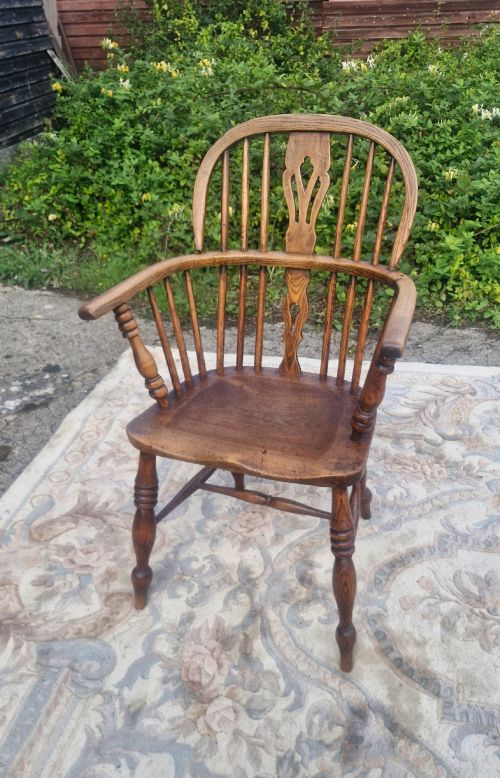
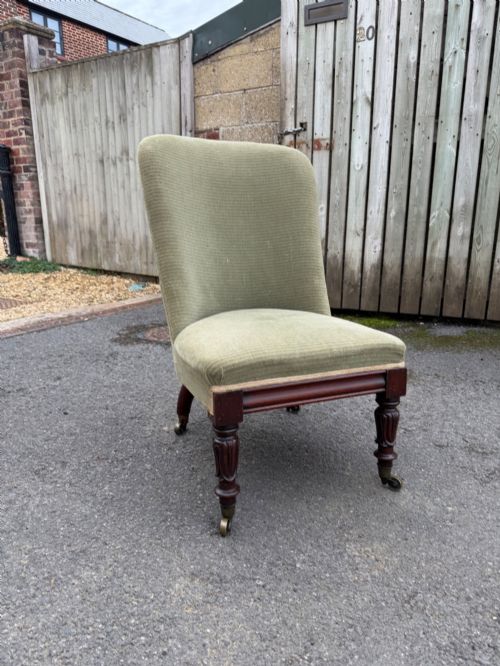
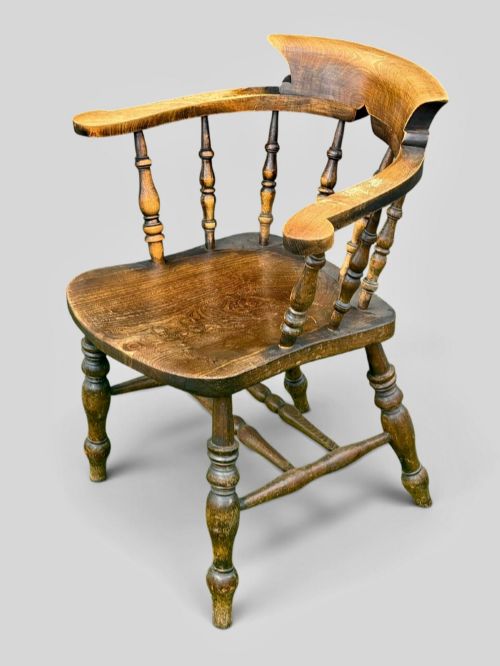
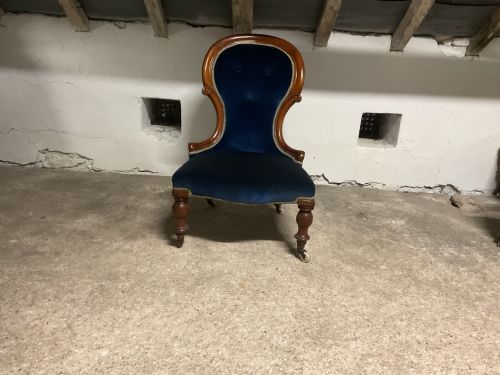
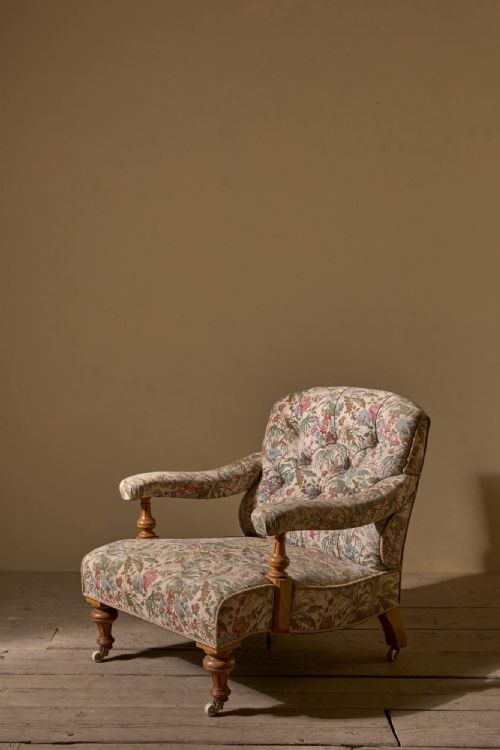
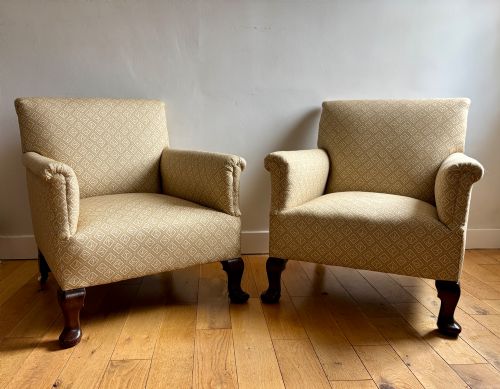
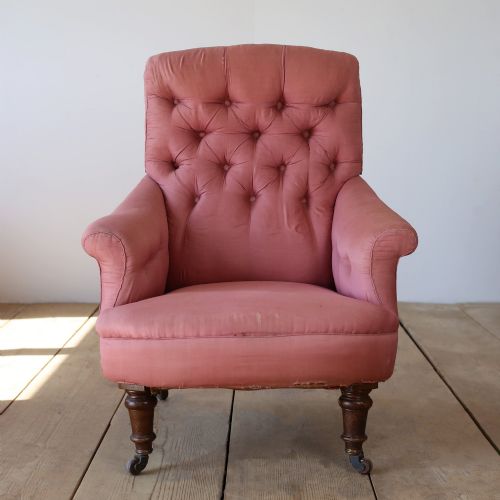
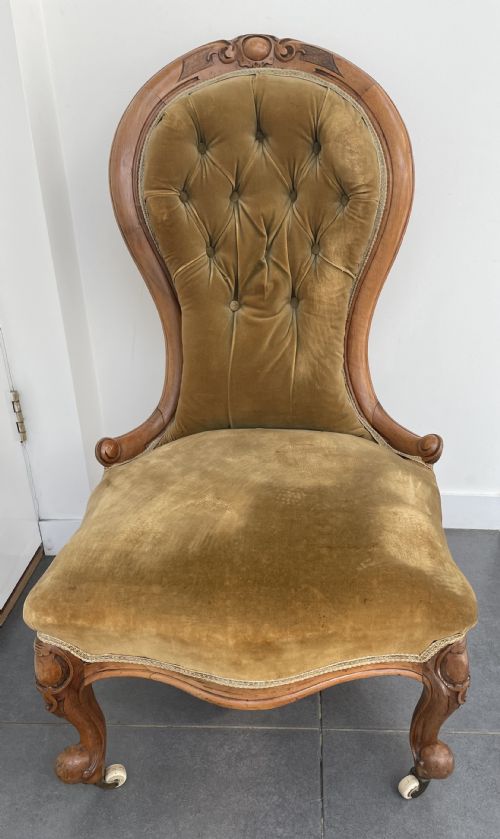
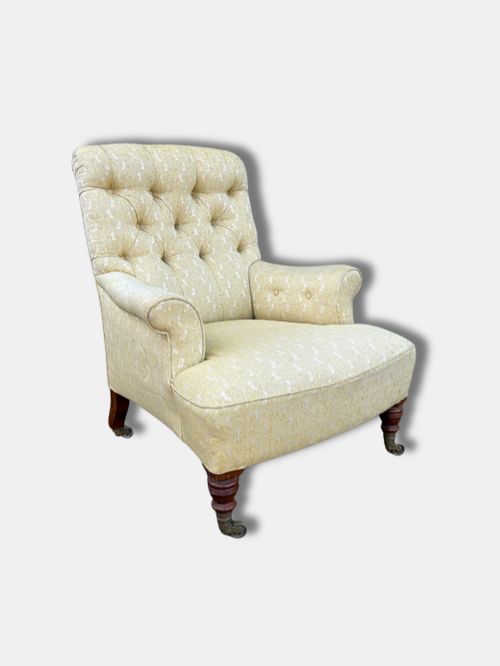
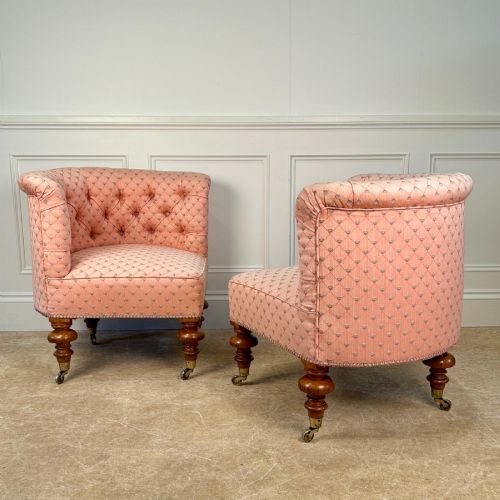
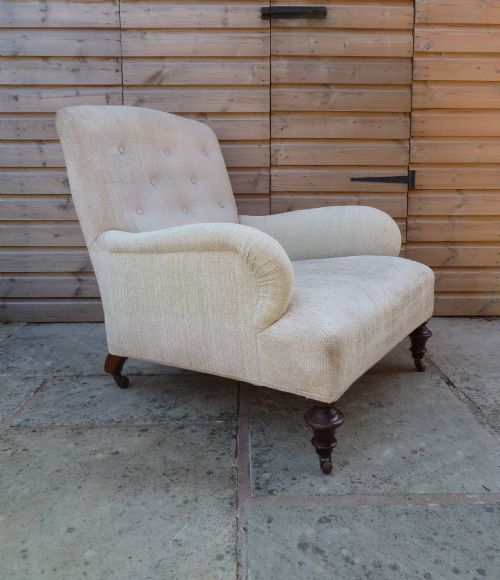
The search for an antique low armchair brings together a wide variety of domestic seating designed with a reduced seat height for lounging, reading, or dressing. You will frequently encounter Victorian walnut nursing chairs, low-back Windsor chairs in elm and yew, and deeply upholstered lounge seats influenced by the designs of Howard and Sons.
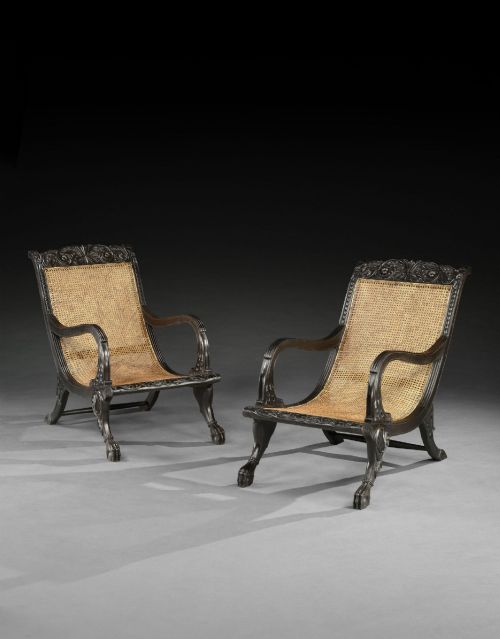
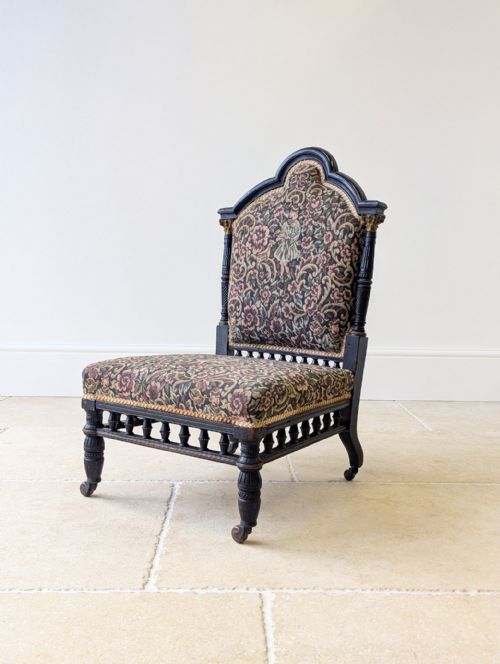
The forms span several distinct stylistic movements, ranging from Georgian and Victorian periods through to the Aesthetic Movement and Edwardian eras. These pieces often function as bedroom chairs, slipper chairs, or compact salon seats, reflecting the diverse domestic requirements of their original nineteenth and early twentieth-century contexts.
Originating from English country houses, Scottish estates, and metropolitan workshops alike, these chairs present varying proportions. Some emphasise exposed timber frameworks like oak, mahogany, or beech, while others focus entirely on sprung upholstery covered in calico, velvet, or fabric.
Materials and construction methods
Makers utilised a robust combination of traditional hardwoods such as mahogany, walnut, oak, elm, and yew to construct the foundational frames of these seats. Turned wooden legs, carved walnut details, and steam-bent Windsor components demonstrate the primary woodworking techniques employed across the nineteenth century.
Upholstered variants rely on supportive webbing, coiled metal springs, and traditional stuffing materials like horsehair, topped with layers of calico and finished fabrics including velvet. Brass castors frequently appear on the feet of nineteenth-century upholstered library and salon models to facilitate movement across heavy carpets.
Antique Low Armchair Retail Price Guide 2026
Typical asking prices for low armchair among the pieces listed under this phrase on Sellingantiques today, from the lower quarter to the upper quarter. They describe what is for sale here now, not the wider market.
The documented forms include nursing chairs, Windsor armchairs, slipper chairs, and tub chairs upholstered in velvet, calico, and fabric.
Distinctions in quality and finish
The distinction between standard domestic seating and exceptional examples lies in the refinement of the timber carving and the integrity of the frame's joinery. Superior pieces display crisp hand-carved details, well-selected wood grains, and substantial underlying framework that maintains stability without excessive structural reinforcement.
Upholstered quality is determined by the depth of the seat cushioning, the resilience of the internal spring suspension, and the precision of the stitching along the outer covers. Maker attributions and stamps from respected cabinetmakers also elevate a piece by confirming its provenance and workshop origin.
Howard and Sons·Gillows of Lancaster·Liberty Morris and Co·C Hindley and Sons·Hampton and Sons
The Antique Low Armchair Glossary
- Windsor chair
- A wooden chair constructed with a solid sculpted seat into which the legs and back spindles are wedged directly. These typically feature low backs in elm, ash, or yew.
- Nursing chair
- A low-seated upholstered chair designed originally for feeding infants or for use in a bedroom setting. They often feature button-backed upholstery and turned walnut legs.
- Slipper chair
- A low-slung, upholstered bedroom chair without arms that allowed women to sit comfortably while putting on shoes. They generally date from the Victorian and Edwardian periods.
- Captain's chair
- A sturdy wooden armchair with a curved low back rail supported by spindles above a plank seat. They are frequently found in elm and beech.
- Button back
- An upholstery technique where depressions are created in the padding by pulling tines or twine through to the wooden frame in a geometric pattern. This secures the internal stuffing and provides tailored support.
Antique Low Armchair: Frequently Asked Questions
What is an antique low armchair used for?
These compact seats served specific domestic functions in nineteenth-century homes, from dressing and nursing infants in bedrooms to relaxing by a library fire.
Their reduced height made them suitable for private chambers and intimate sitting rooms where standard parlour chairs would have felt too formal or large.
How do I identify a Victorian low armchair?
Victorian examples often feature turned walnut or mahogany legs, frequently fitted with brass castors, and may exhibit deep button-backed upholstery.
Look for traditional joinery methods and materials like horsehair stuffing beneath the outer fabric to confirm the period of manufacture.
Are Windsor low armchairs comfortable?
Low-back Windsor chairs provide surprisingly supportive seating due to their ergonomically sculpted wooden seats and steam-bent elbow rails.
While lacking soft upholstery, their solid elm and yew construction offers firm, durable support that has endured for well over a century.
How do I care for antique wood and fabric chairs?
Maintain wooden frames by dusting with a dry cloth and occasionally applying a suitable beeswax to nourish the aged timber surface.
Protect upholstered fabrics from direct sunlight to prevent fading, and use professional cleaning methods suited to traditional stuffing materials.