


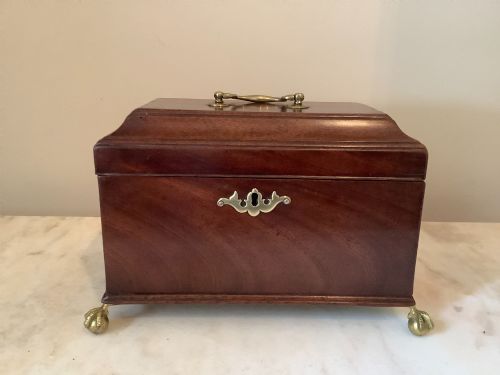


Antique Lockable Tea Box
An antique lockable tea box secures precious dry leaves behind a brass escutcheon, combining fine cabinetmaking with the quiet ritual of daily hospitality.
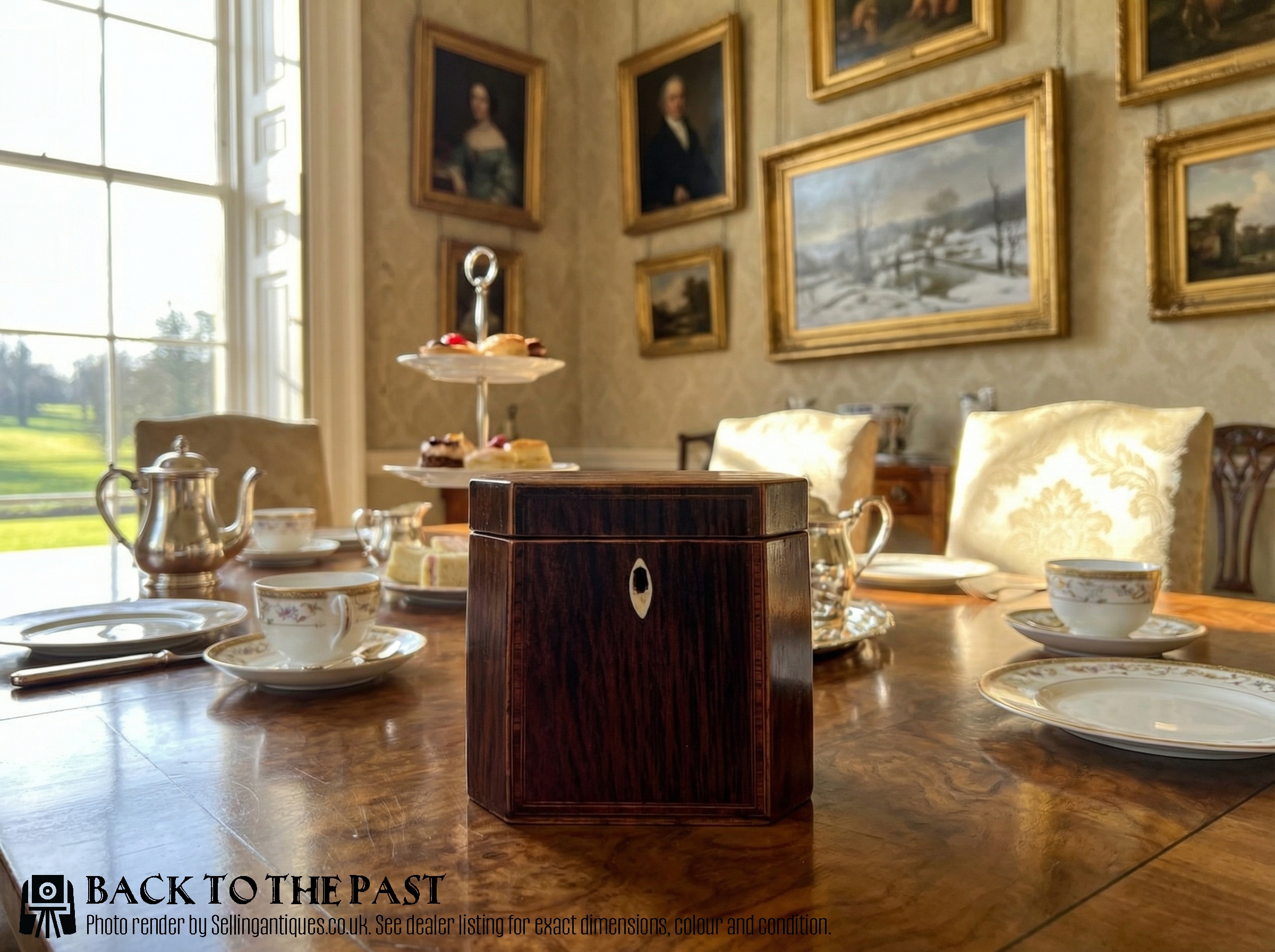
Antique Lockable Tea Box
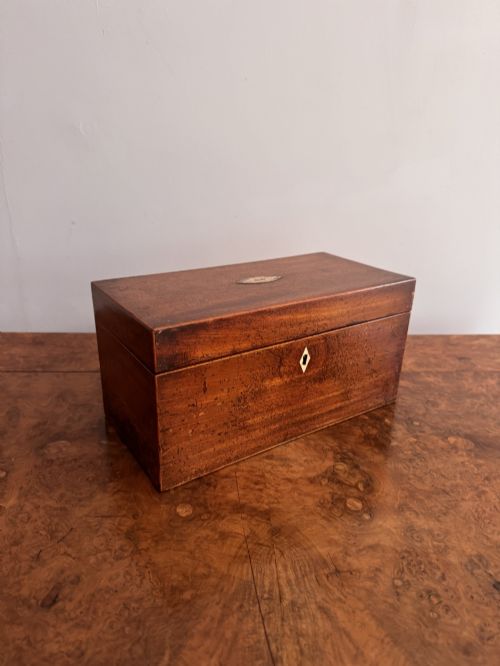
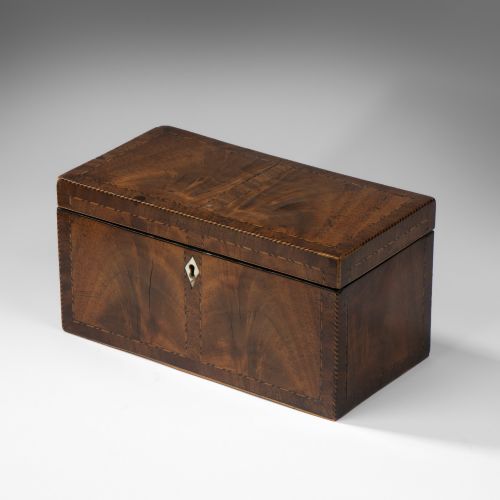
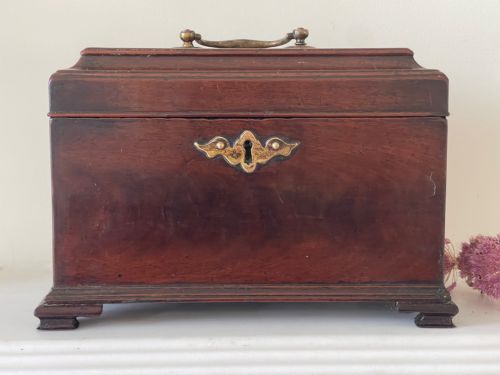
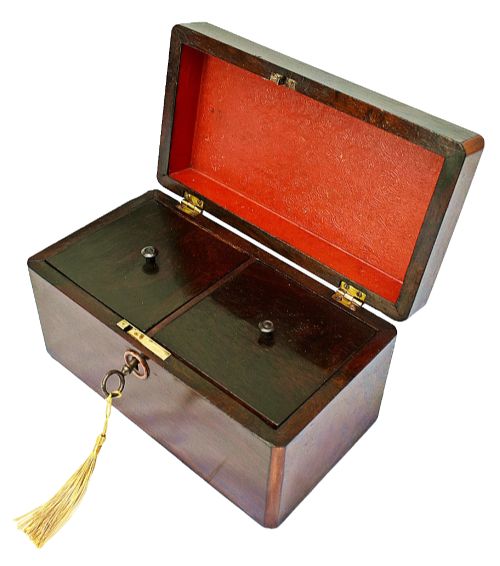
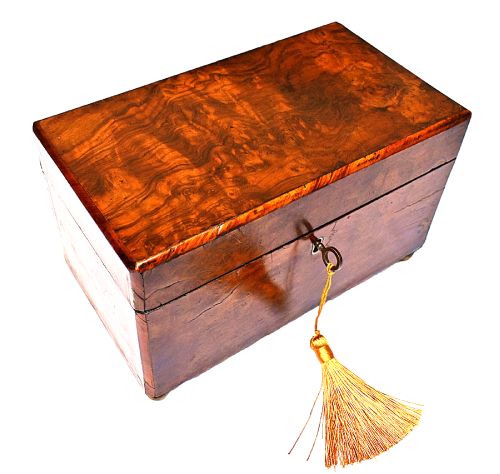
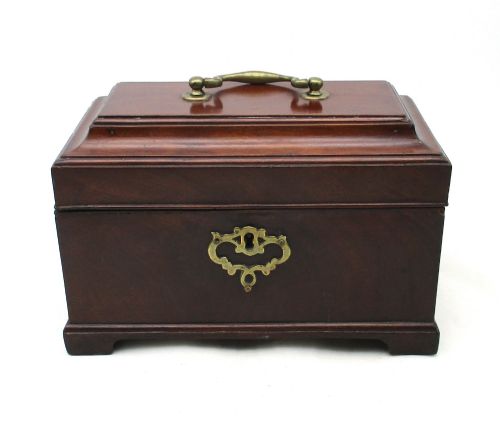
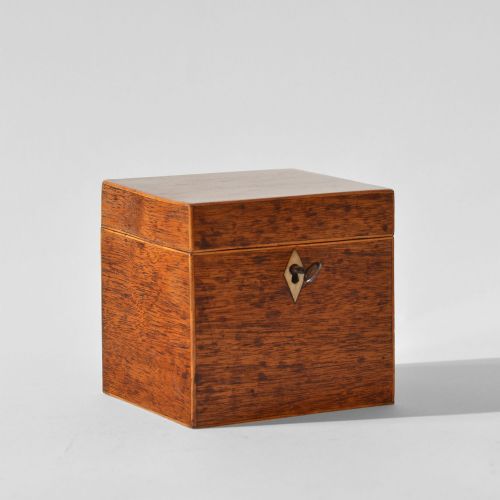
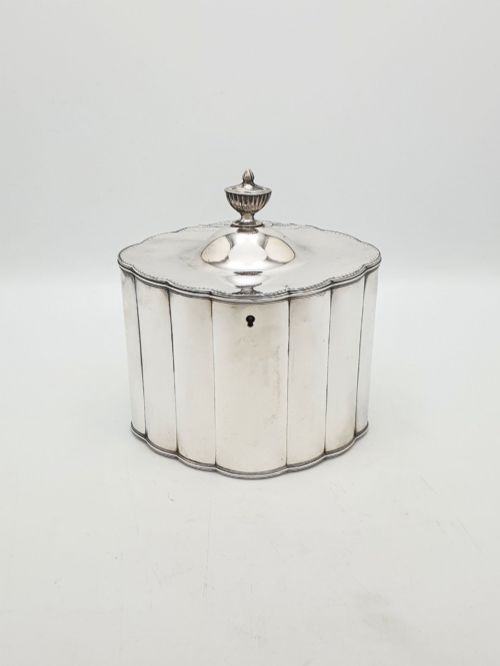
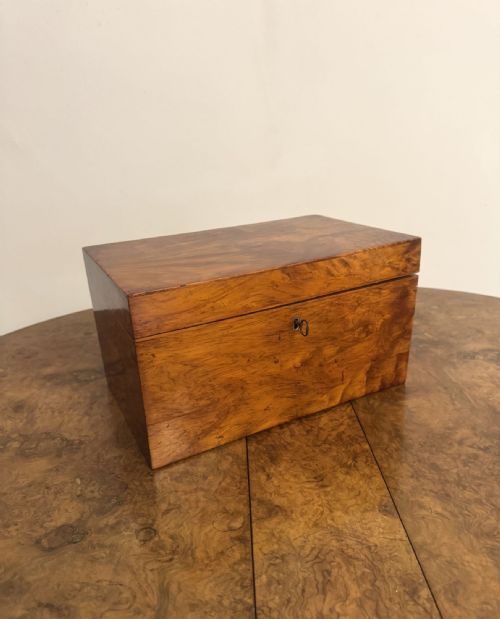
An antique lockable tea box primarily appears on this page in Georgian, Regency, and Victorian iterations, ranging from compact sarcophagus shapes to rectangular boxes. Makers constructed these containers to hold loose leaves safely, frequently incorporating internal compartments, mixing glasses, or canisters alongside the working lock and key.
The selection encompasses diverse regional and stylistic expressions, including Chippendale period mahogany, Sheraton satinwood, French boulle, and tortoise shell examples. Buyers encounter distinct forms such as dome tops, oval caddies, and parquetry boxes spanning the eighteenth and nineteenth centuries.
Materials and construction
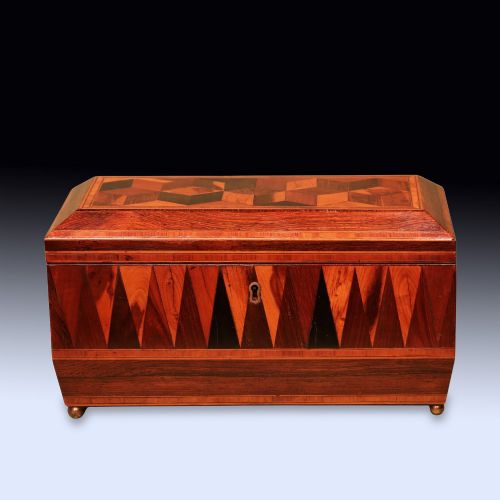
Cabinetmakers utilised dense timbers such as mahogany, rosewood, walnut, and satinwood, frequently applying decorative veneers like amboyna, burr maple, and harewood. Surface enrichment relies on meticulous parquetry, marquetry, and delicate stringing in boxwood or ebony.
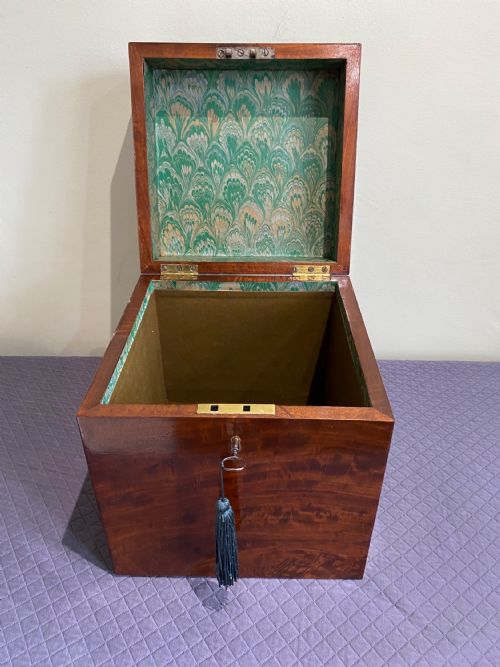
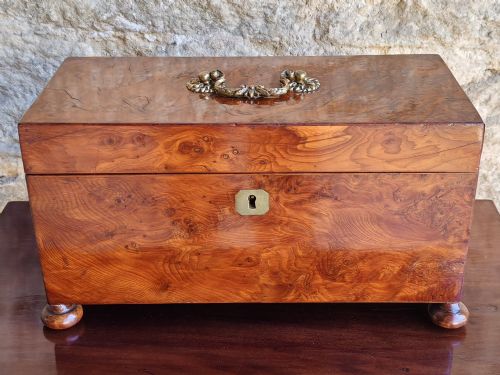
Hardware played a functional and decorative role, featuring brass lion mask handles, escutcheons, and hinges that secured the heavy wooden lids. Internal elements often included bone details, foil-lined compartments, and fitted canisters designed to preserve the aroma of expensive leaves.
Antique Lockable Tea Box Retail Price Guide 2026
Typical asking prices for lockable tea box among the pieces listed under this phrase on Sellingantiques today, from the lower quarter to the upper quarter. They describe what is for sale here now, not the wider market.
Several boxes still retain their tiny original mixing glasses, once used for diluting very strong brews before pouring.
Evaluating craftsmanship
The hierarchy of quality rests on the selection of timber veneers and the precision of decorative inlays, such as star motifs or geometric parquetry. Superior boxes display seamless grain continuity across the lid and sides, alongside substantial brass gauge and intact internal fittings.
Construction methods distinguish ordinary containers from exceptional pieces, particularly the joinery of curved sarcophagus bodies and the original operating status of the lock and key. The integration of specialty woods like partridge wood or tortoiseshell elevates the standing of individual boxes.
The Antique Lockable Tea Box Glossary
- Sarcophagus
- A box form with a domed or stepped lid resembling a stone coffin, popular during the Regency and Victorian periods for tea storage.
- Escutcheon
- A flat plate of brass surrounding the keyhole that protects the surrounding timber from wear and adds decorative contrast.
- Parquetry
- A geometric mosaic of wood pieces used to create patterned surfaces on the exterior of boxes.
- Canister
- An internal lidded compartment or vessel designed to keep different varieties of tea leaf separate and dry.
- Stringing
- Thin inlay lines of contrasting wood, such as boxwood or ebony, used to outline panels on cabinet surfaces.
Antique Lockable Tea Box: Frequently Asked Questions
How were tea boxes used?
Households stored expensive loose leaves inside these containers to protect them from moisture and theft by servants. The mistress of the house kept the key on her person, unlocking the box only when tea was prepared.
Internal compartments kept green and black teas separated, while mixing glasses or bowls allowed the host to blend leaves before steeping.
How do I date a tea box?
Stylistic cues and wood choices indicate the period of manufacture, with eighteenth-century examples favouring straight-grained mahogany and delicate oval shapes. Regency boxes often introduce sarcophagus forms with brass inlay, while Victorian versions lean towards heavier rosewood and walnut.
Hardware styles, dovetail construction, and secondary woods inside the compartments also help narrow down the decade of creation.
Why do many have working locks?
Tea was a costly commodity imported from distant trade routes, making security a priority in wealthy Georgian and Victorian homes. The lock ensured that the precious dry leaves remained untouched between daily uses.
Original keys are sought after by collectors because matching a period-correct mechanism to an antique lock requires considerable skill.
How do I care for wooden tea boxes?
Keep the timber away from direct sunlight and sudden temperature changes to prevent the delicate veneers and inlays from lifting or cracking. Occasional applications of appropriate wax help maintain the finish of rosewood, mahogany, and walnut surfaces.
Ensure the interior remains dry and avoid using liquid cleaners on the antique brass hardware or paper-lined compartments.