
Antique Lighting Base
These antique lighting base options bring solid craft and period character directly to your home.
Antique Lighting Base
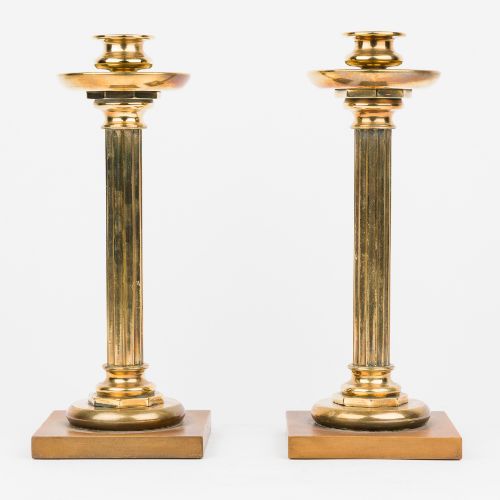
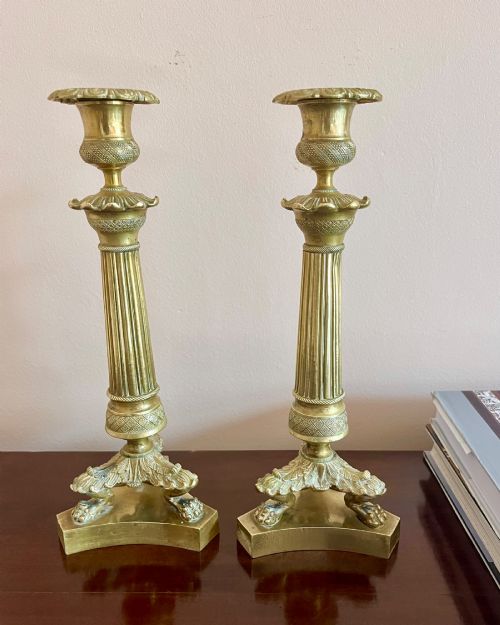
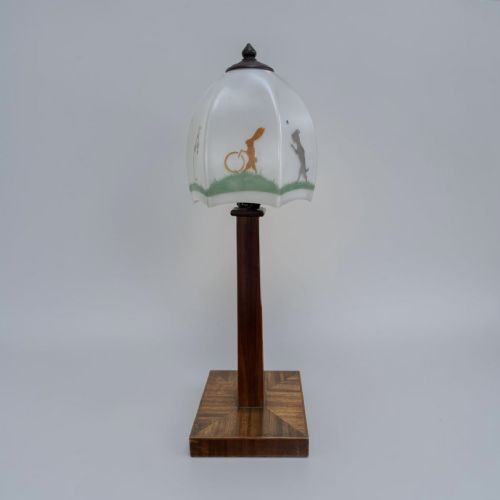
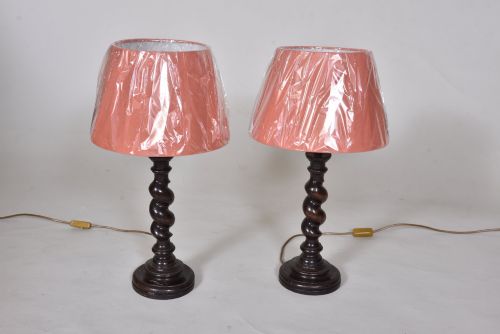
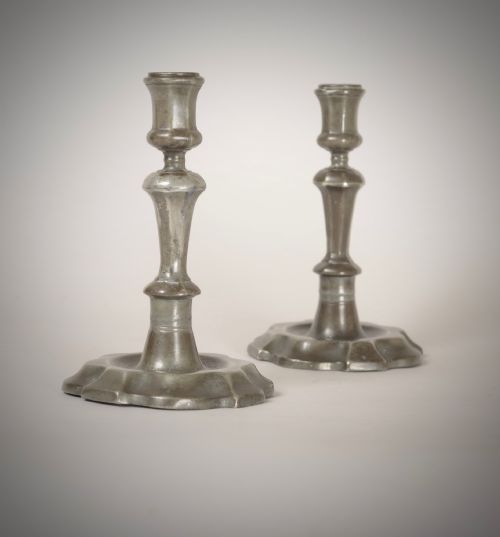
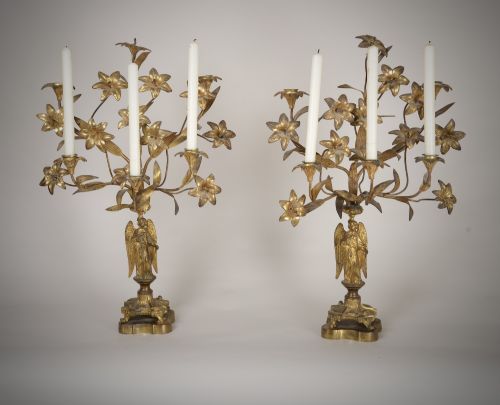
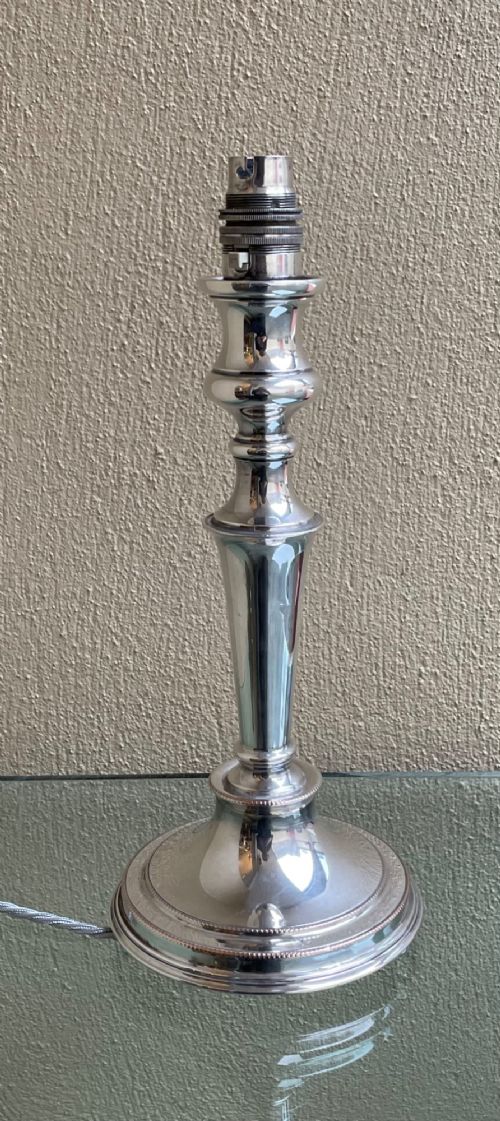
When you search for an antique lighting base, you are looking at sturdy foundations converted for electricity alongside traditional candlesticks and torchieres ready to hold a light. These items bridge past utility and modern interior needs, spanning periods from the eighteenth century through the art deco era.
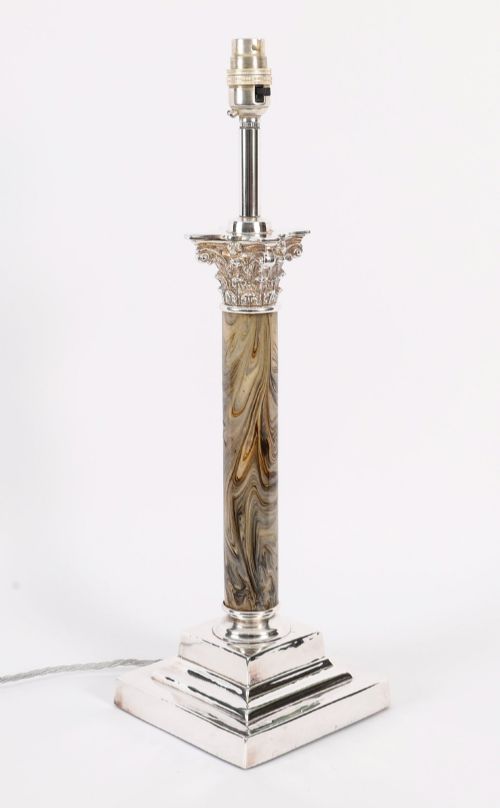
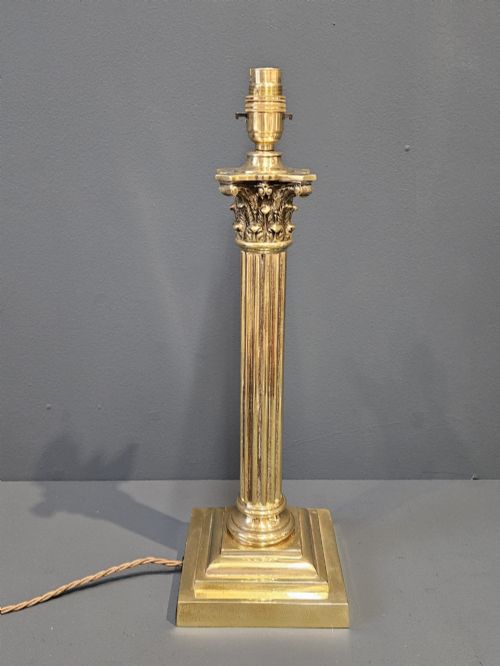
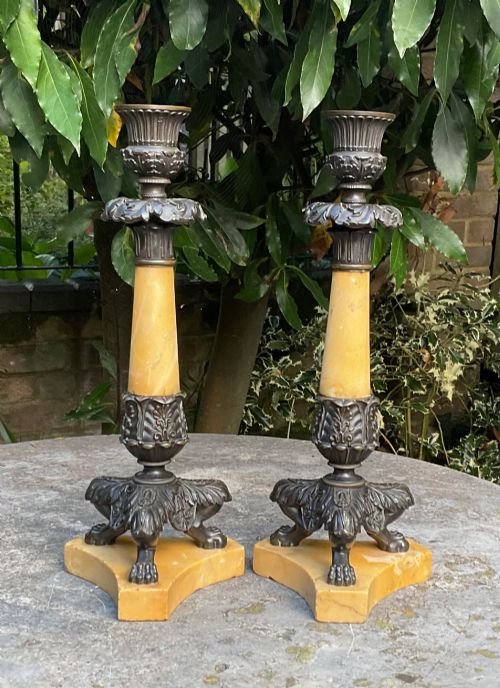
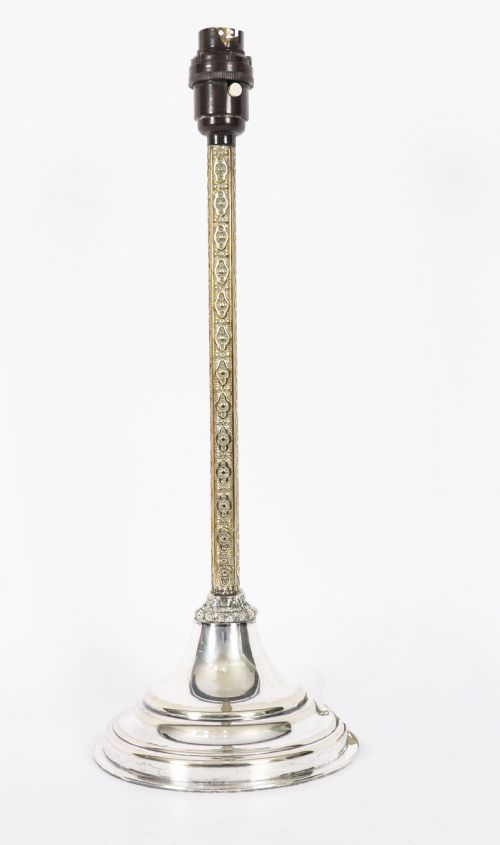
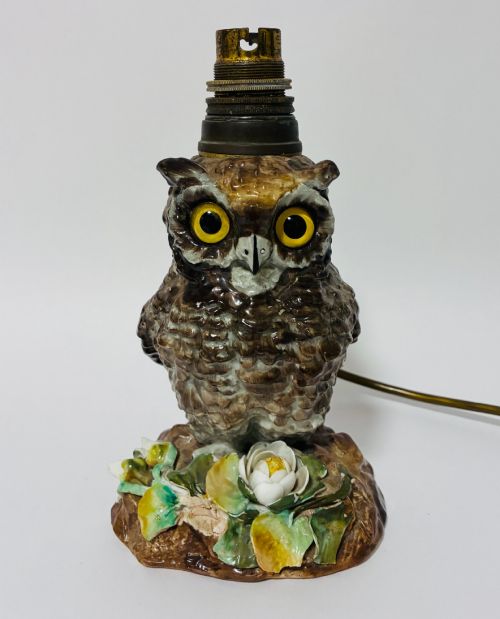
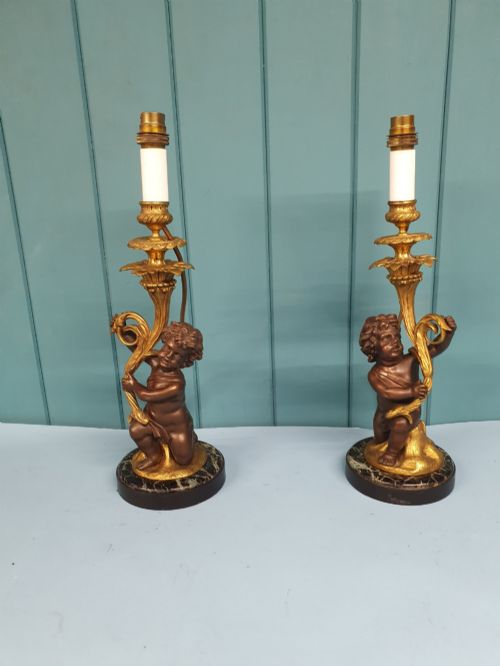
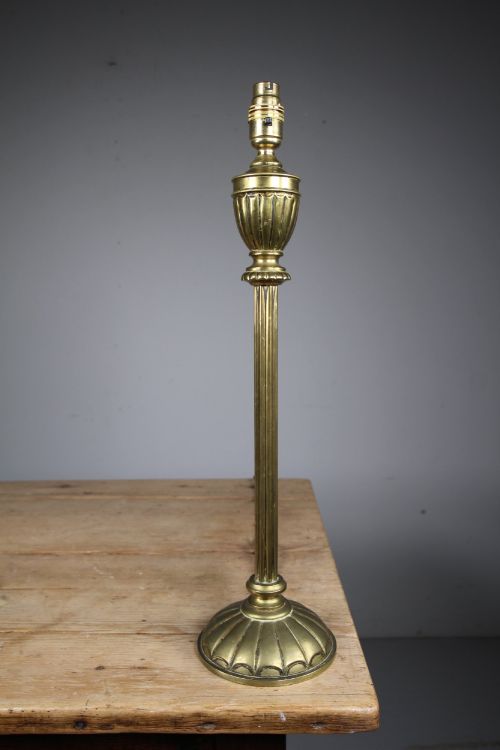
The selections on this page appear most frequently in brass, silver plate, bronze and oak, taking forms such as column table lamps, figural bases, and adjustable floor standards. You will find pieces reflecting Victorian, Edwardian, and Art Deco design alongside earlier turned fruitwood and iron iterations.
Many items started life as oil lamps, heavy bronze candlesticks, or carved wooden columns before receiving later conversion wiring. This structural continuity gives each antique lighting base a substantial weight and presence missing in modern equivalents.
Materials and construction methods
Makers shaped metal components through casting, spinning, and hand-chasing, utilising brass, bronze, copper, and silver plate over base metals. Corinthian columns and neoclassical Revival styles relied on precise mould work, while earlier pieces show the marks of hand-forged iron and turned brass.
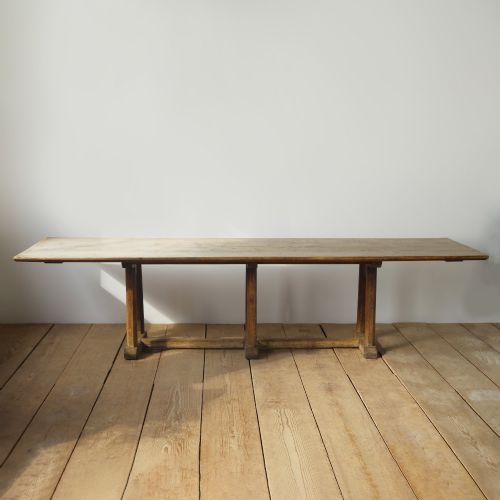
Wooden examples utilise oak, fruitwood, and walnut, often shaped on a lathe or carved with floral and figural motifs. Combination bases join marble plinths with metal columns or pair oak supports with ceramic elements.
Finishes range from parcel gilding and ormolu to polished patinated brass and dark wax-finished timber. Artisans integrated threaded fittings and weighted bases to ensure structural stability for daily use.
Antique Lighting Base Retail Price Guide 2026
Typical asking prices for lighting base among the pieces listed under this phrase on Sellingantiques today, from the lower quarter to the upper quarter. They describe what is for sale here now, not the wider market.
Listings feature brass, bronze, oak, marble, and silver plate across Victorian, Edwardian, and Art Deco periods.
The markers of distinction
Proportion and material integrity dictate lasting worth, where heavy gauge brass or substantial marble plinths provide better balance than thin plated shells. The quality of the original casting or carving determines whether a base holds its visual authority when illuminated.
Mappin & Webb's·F. Sage & Co
The Antique Lighting Base Glossary
- Torchiere
- A tall stand or floor lamp designed to direct light upwards towards the ceiling. These often feature carved wooden or metal shafts.
- Corinthian Column
- A classical column design featuring ornate capitals decorated with acanthus leaves. This motif appears frequently on Victorian and Edwardian brass table lamps.
- Ormolu
- Ground gold applied to a bronze object through a mercury amalgam process. This technique provides a rich, durable golden finish on neoclassical revival pieces.
- Rushlight
- A simple holder utilising a pivoted iron spring to grip a dried rush dipped in animal fat. These represent early functional lighting found on hewn wooden bases.
- Campana
- A vase-shaped candle sconce resembling an inverted bell. You will find this form on classical candlesticks and floor standards.
Antique Lighting Base: Frequently Asked Questions
What is an antique lighting base?
An antique lighting base is a structural support designed for illumination, ranging from converted candlesticks and oil lamp standards to dedicated table and floor lamps.
These pieces use durable materials like brass, bronze, oak, and marble to anchor a light source securely in a room.
How do I choose the right height?
Consider where the lamp will sit and the intended purpose, as floor standards require clearance for reading while table lamps need balance against surrounding furniture.
Adjustable models offer flexibility by letting you alter the height to suit your specific space.
How do I identify the period?
Dating relies on stylistic clues like neoclassical revival columns, art deco geometric lines, or Victorian brass reeding, matched with construction techniques.
Comparing the materials, patination, and manufacturing marks helps pinpoint the era of origin.