
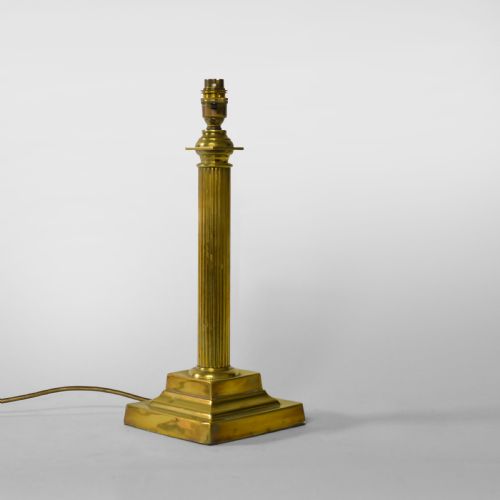
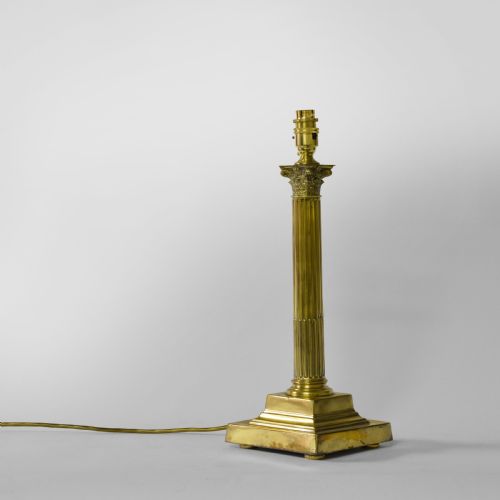


Solid Brass Lamp
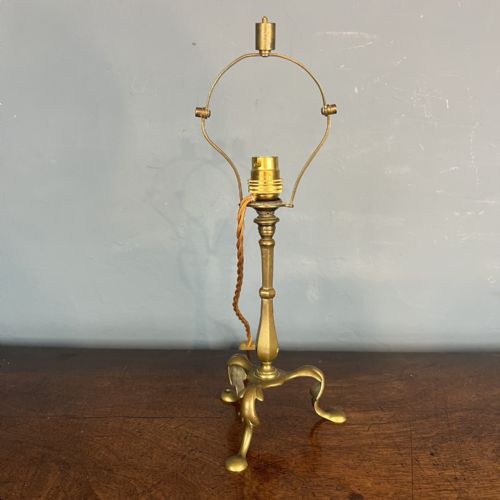
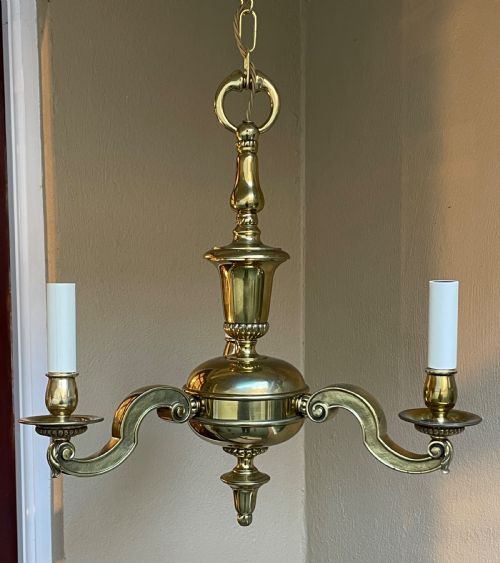
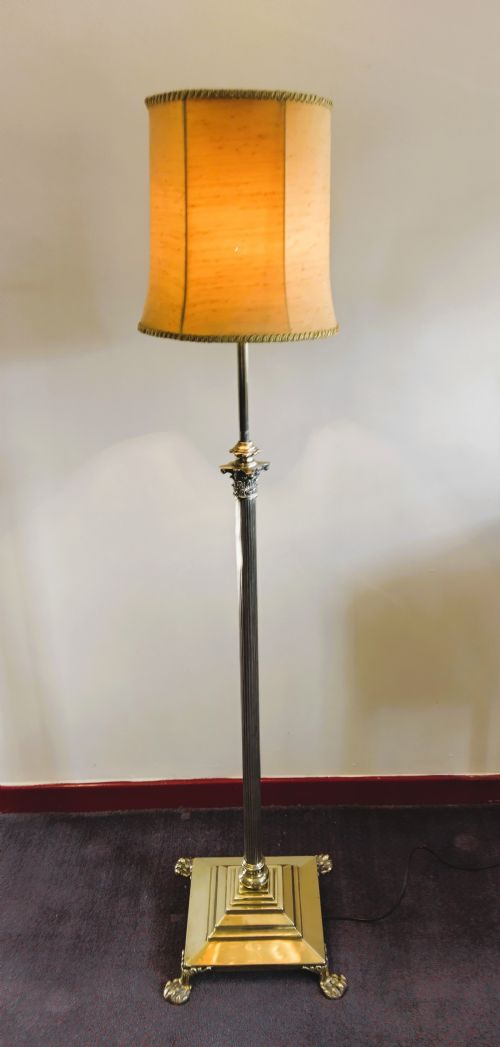
A solid brass lamp brings dependable weight and warm metal reflection to a room, ranging from column table lights to heavy floor standards.
How they were made
Construction relies heavily on cast brass and solid brass components, frequently combined with secondary materials such as fabric, glass shades in opaline, milk, or amber tones, and occasionally mahogany or oak bases. Heavier examples utilise cast iron for internal stability.
Manufacturing techniques involve lathe-turning columns, sand-casting decorative bases and capitals, and assembling adjustable mechanisms such as rise and fall weights, telescopic shafts, and articulated joints.
What varies in quality
Quality rests primarily in the heft of the metal casting and the precision of mechanical adjustments, distinguishing heavy, substantial standards from lighter constructed bases. Superior examples display crisp chasing on classical column fluting and robust engineering in telescopic or articulated joints.
The presence of original maker signatures, specialised forms like gimbal mechanisms or ecclesiastical bases, and intact period shades in opaline or milk glass elevate a piece above standard domestic lighting.
Listings feature brass lamps paired with diverse materials including opaline glass, milk glass, fabric, mahogany, and cast iron.
Faraday and Sons·Whytock and Reid·Harcourts
The Solid Brass Lamp Glossary
- Corinthian column
- A classical architectural column form featuring ornate acanthus leaves on the capital, frequently adapted for Victorian table lamps.
- Gimbal lamp
- A lighting fixture mounted on a pivoting ring system designed to remain upright on moving vessels, common in maritime contexts.
- Pullman lamp
- A specialised compact reading lamp originally designed for railway carriages, characterised by sturdy brass construction and directional shades.
- Telescopic standard
- A floor lamp featuring a sliding shaft mechanism that allows the height of the light source to be adjusted.
- Rise and fall
- A mechanical counterweight system allowing the lamp head to be moved vertically and held in position by tension.
Solid Brass Lamp: Frequently Asked Questions
How do I date a brass lamp?
Dating relies on stylistic clues such as Victorian classical revival motifs, Edwardian proportions, or 1930s Art Deco articulation. Construction methods like hand-finishing and cast components also help establish the period.
Examining switches, wiring methods, and base weights provides further context for when the fixture was produced.
What is a gimbal lamp used for?
Gimbal lamps were originally engineered for use on ships and trains where movement required the light source to stay level. The pivoting rings counteract swaying.
Today, they function as versatile desk or wall lighting with a distinct industrial heritage.
Are these lamps rewired for modern use?
Many antique lighting fixtures on the market have been updated with modern electrical wiring to meet safety standards. Rewired examples often include safety testing certification.
Buyers should check individual listings to confirm whether electrical components are ready for contemporary installation.
What distinguishes a standard lamp from a table lamp?
Standard lamps refer to tall floor-standing fixtures designed to illuminate a wider area from floor level. Table lamps are proportioned for placement on desks, side tables, or credenzas.
Both forms utilise solid brass construction across various historical periods.