
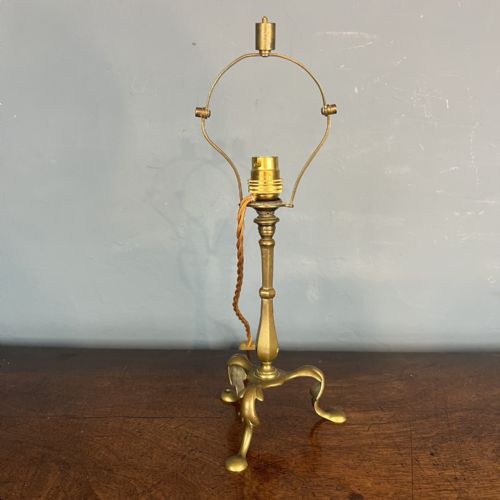
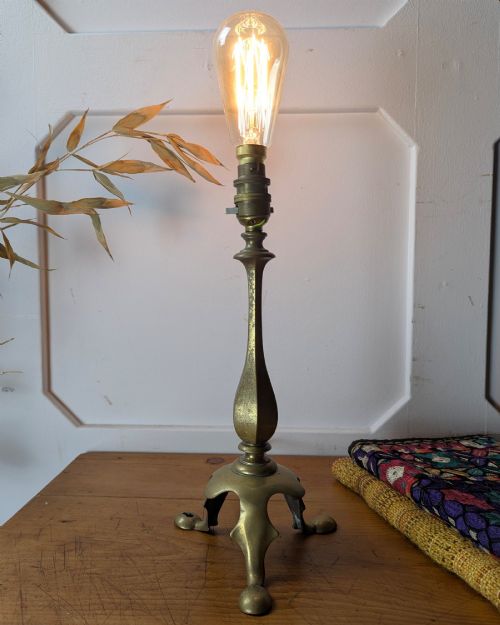
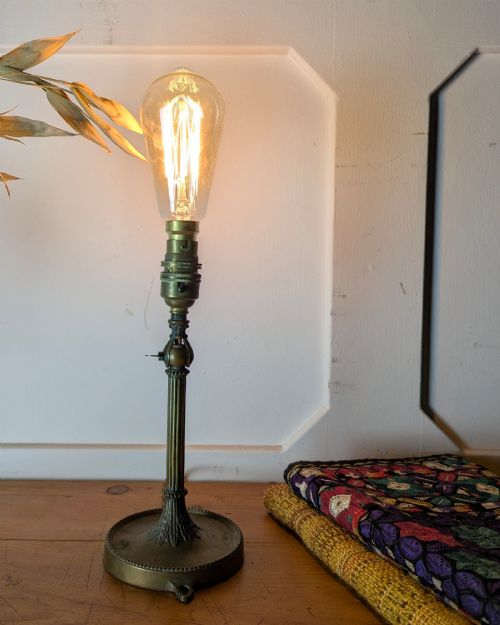
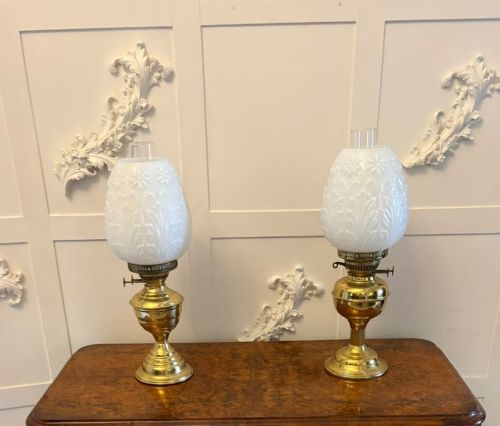
Edwardian Brass Desk Light
These edwardian brass desk light examples bring genuine period warmth and practical illumination to a workspace.
Identifying your edwardian brass desk light
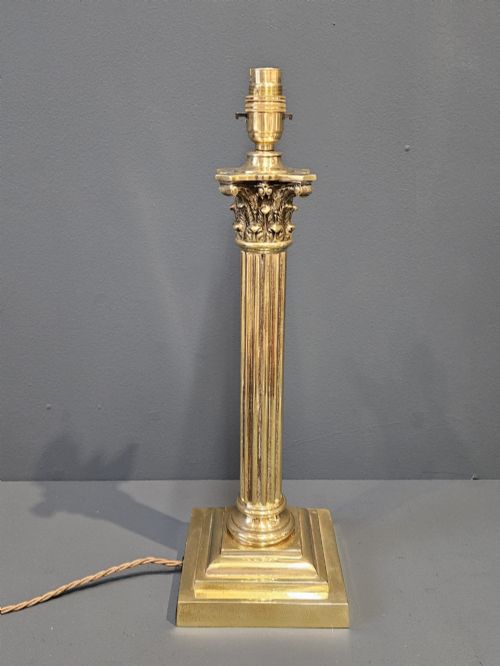
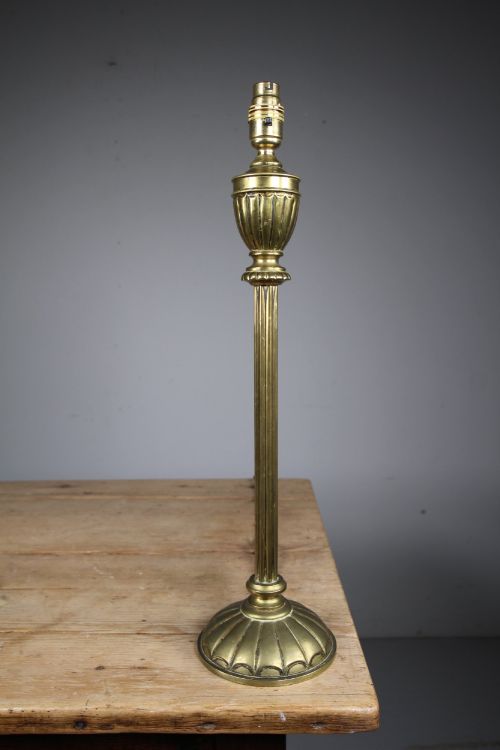
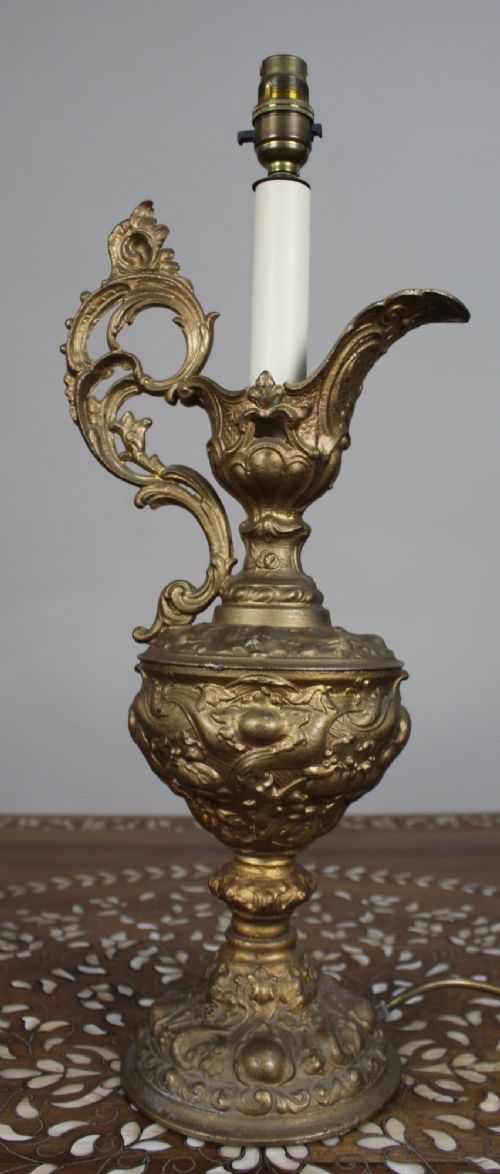
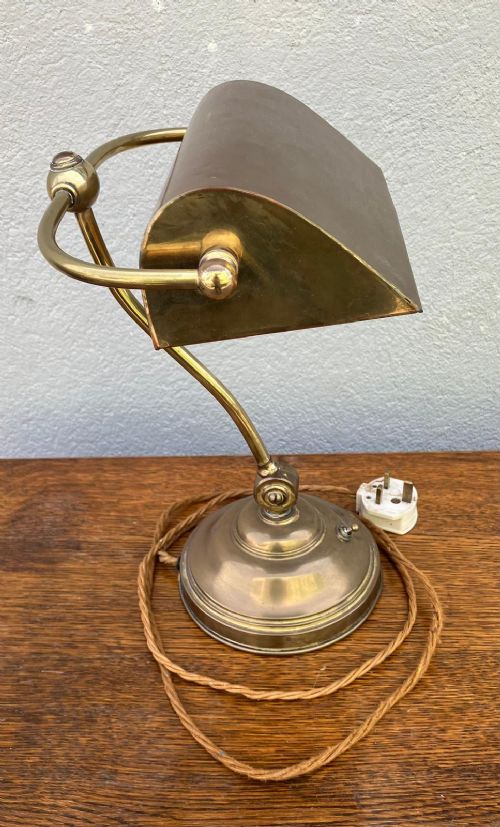
When you search for an edwardian brass desk light, you encounter pieces designed for focused illumination on writing desks and executive tables. These functional light fittings range from straightforward brass swan neck desk lamps to ornate table lamps with intricate metal work.
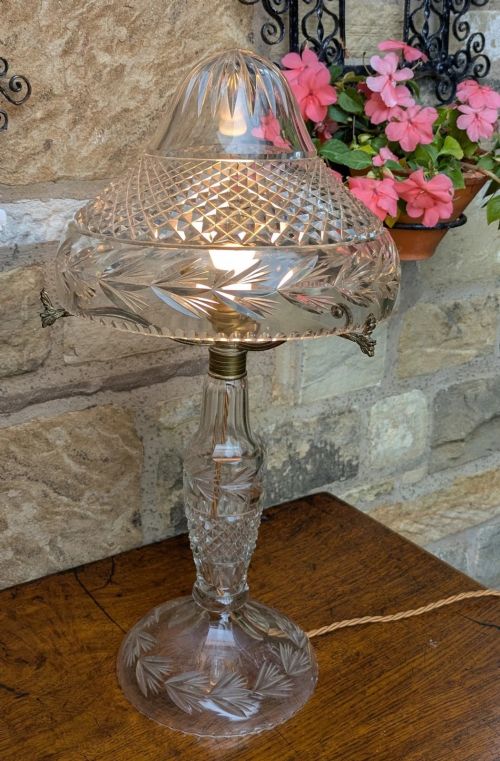
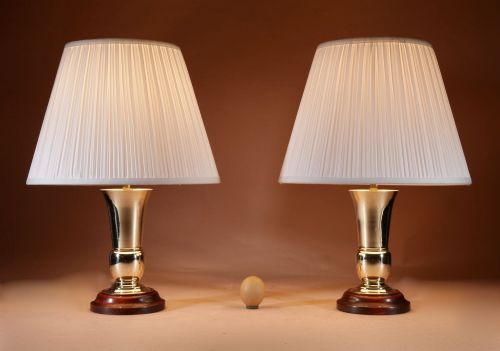
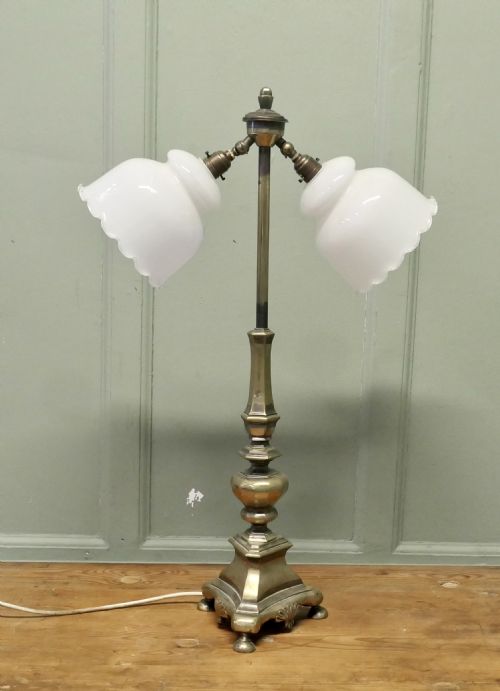
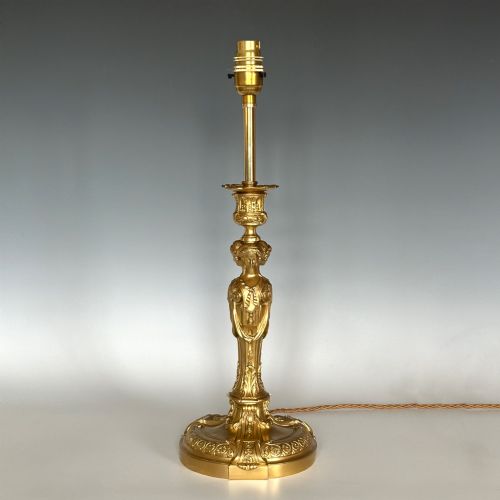
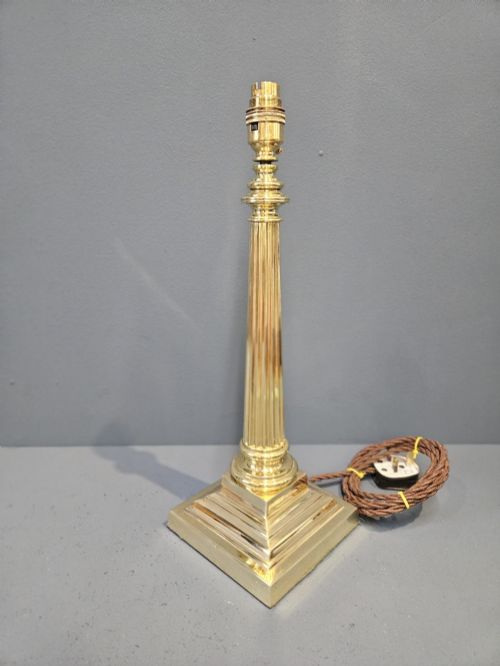
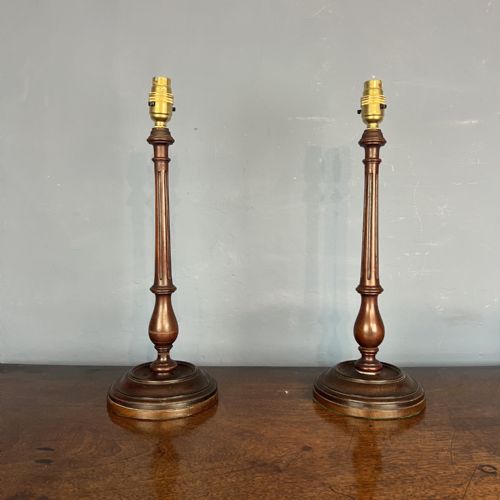
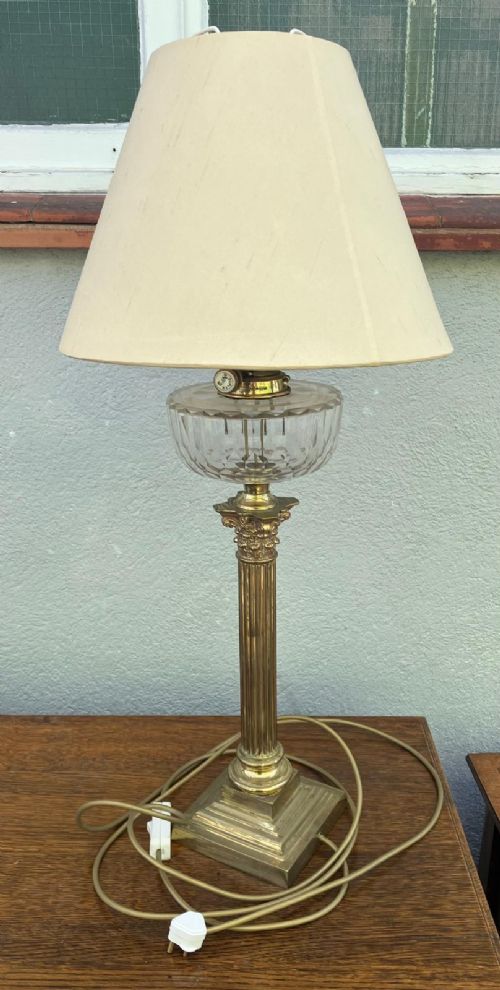
The selections on this page span the Edwardian era alongside pieces from 1860, 1910, and 1920, incorporating styles like Victorian and French Empire alongside standard Edwardian forms. You will find table lamps and desk lamps featuring materials such as brass, gilt bronze, marble, etched glass, opaline glass, silver plate, and inlaid metal, sometimes paired with fabric shades.
Materials and construction
Construction relies heavily on brass and gilt bronze, often shaped into swan necks or sturdy standards to support the weight of the fitting. Artisans employed detailed metal work and metal inlay to embellish the bodies of these lamps, creating robust structures intended for daily desktop use.
Glass elements such as opaline and etched glass form shades and bodies that diffuse the light effectively. Marble bases frequently provide necessary weight and stability, while silver plate accents add subtle contrast to the prevailing brass surfaces.
Retail Price Guide 2026
Typical UK retail prices for edwardian brass desk light, calculated from the Sellingantiques database of over a million retail prices indexed since 2003. This retail price guide relies exclusively on Sellingantiques data; no external sources or auction records are used, so the figures do not describe the wider market.
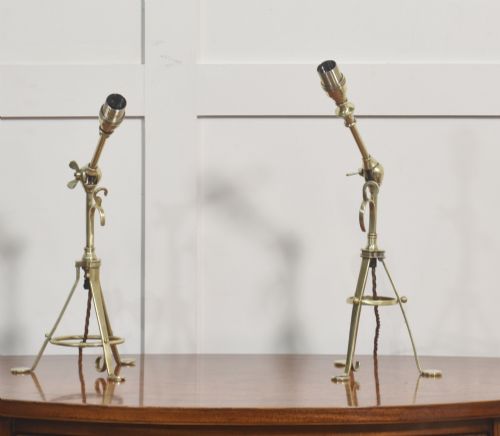
Swan neck arms were designed so clerks could nudge the light closer without getting their cuffs greasy.
Assessing quality and finish
Quality reveals itself in the weight of the metal and the precision of the assembly, where heavier brass castings and solid marble bases distinguish superior examples from lighter alternatives. The refinement of the decorative metal work and the clarity of etched or opaline glass components further separate standard utility pieces from finer decorative works.
The integration of mixed materials, such as inlaid metalwork and gilt bronze highlights, indicates a higher level of craftsmanship. Pieces that retain harmonious proportions between the heavy base, the supportive arm, and the glass shade represent the upper end of the range.
The Edwardian Brass Desk Light Glossary
- Swan neck
- A curved upper arm on a desk lamp that directs the light downward over a workspace. This shape allows for adjustable positioning in functional lighting designs.
- Opaline glass
- A milky, translucent white glass used for lamp shades to soften and diffuse illumination. It appears frequently in period lighting to reduce glare.
- Gilt bronze
- Bronze treated with a gold or gilt surface finish to provide a rich decorative sheen. This material appears on more formal or Empire style table lamps.
- Etched glass
- Glass decorated with acid-cut patterns or designs across the surface. It adds textural detail and decorative interest to lamp shades.
Frequently Asked Questions
What is an edwardian brass desk light?
An edwardian brass desk light is a period task lamp designed to illuminate a workspace using durable metal construction and functional articulation.
These pieces utilise materials like brass, marble, and glass to achieve both stability and effective light diffusion.
How were these desk lights used?
Original owners placed these lamps on writing desks and executive tables to provide direct illumination for reading and paperwork.
The adjustable swan neck and targeted shades helped direct light precisely where needed during evening tasks.
How do I style a brass table lamp?
Integrate these lamps into a study or office space where their metallic finishes complement wooden furniture and traditional decor.
They function well as desk companions or accent lighting on side tables in a period room.
How can I tell the period?
Dating relies on examining the specific metal alloys, casting techniques, and stylistic markers such as French Empire or Victorian influences.
Materials like heavy marble bases, opaline glass, and intricate metal work help distinguish early twentieth century pieces from later reproductions.