


Vintage Study Lamp
A vintage study lamp brings solid brass weight and adjustable direction to a desk, offering practical task lighting with period character.
Vintage Study Lamp
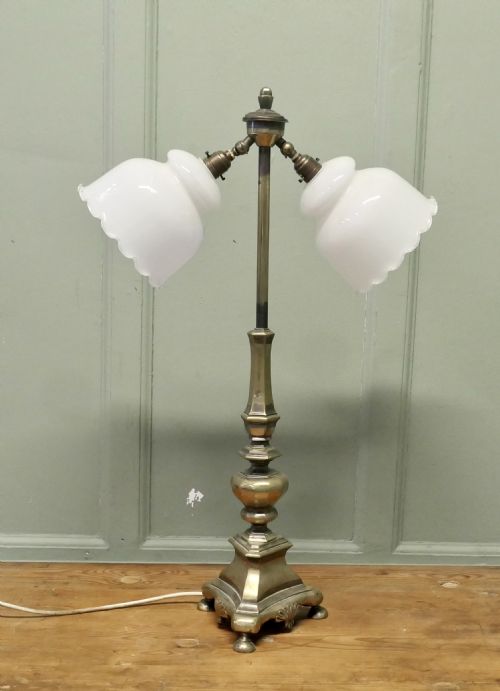
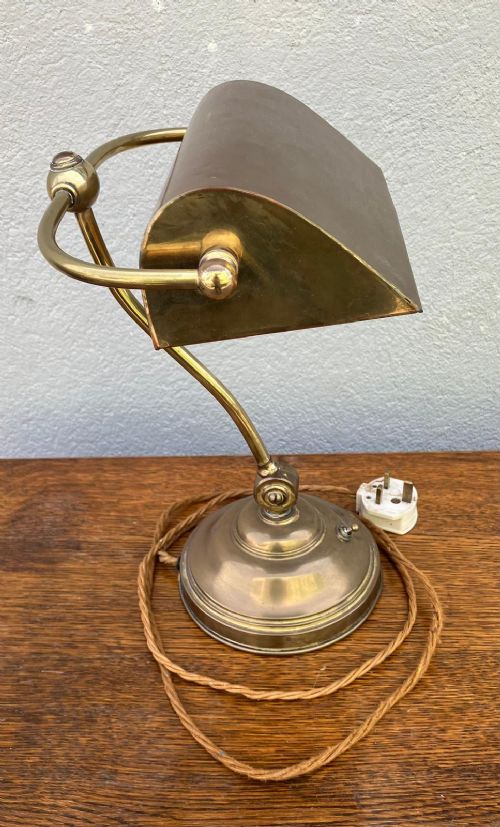
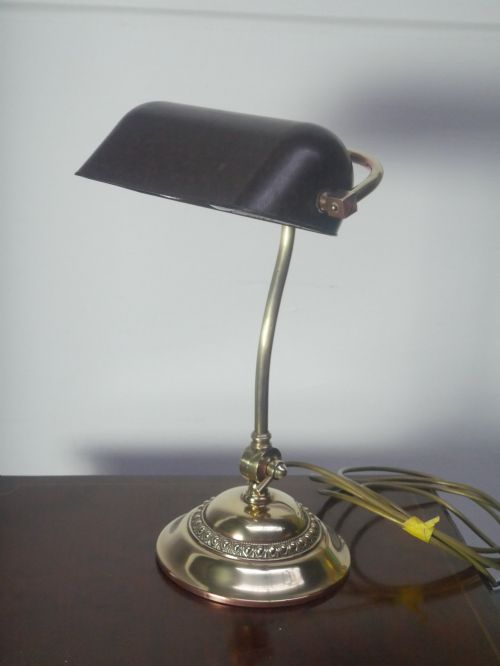
A vintage study lamp is a task light designed for a desk, table, or reading space, sourced from periods spanning the late nineteenth century through the 1930s. The selection relies heavily on brass, bronze, and chrome forms equipped with adjustable angles, swing arms, or flexible joints for direct illumination.
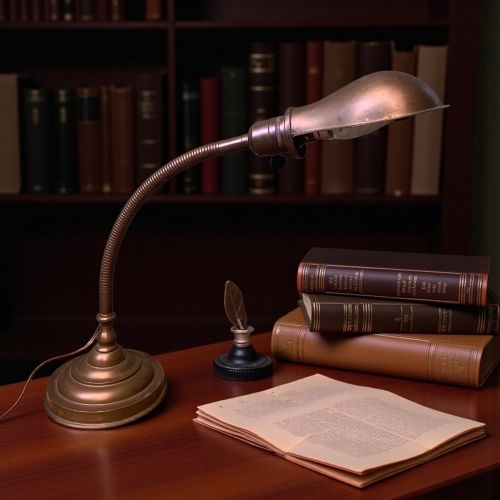
The most common examples on this page are brass and metal bankers lamps, swan neck designs, and articulated reading lights from the Edwardian era and the Art Deco period. These pieces originate from domestic and institutional settings, often featuring weighted bases and original metal or glass shades.
How they were made
Construction relies on durable metals including solid brass, cast iron, bronze, and chrome, shaped through casting, spinning, and plating techniques. Joints utilise mechanical hinges, flexible tubing, or gimbal mechanisms to permit movement without slack.
Component parts incorporate glass shades, fabric covers, porcelain fittings, and early plastics such as bakelite moulded into streamline or shell-shaped forms. Wiring methods reflect period standards, frequently updated with modern safety requirements while retaining original switches and weighted bases.
Listings span periods from the nineteenth century through the 1930s, including Edwardian, Art Deco, and Machine Age styles.
What varies in quality
Quality rests in the precision of the mechanical joints and the weight of the base, which dictate whether the arm holds its position firmly under adjustment. Superior specimens maintain fluid movement in their articulated stems and solid tension in their screws and pivots.
Material thickness and finishing separate standard utility lighting from finer examples, visible in the depth of the metal polish, the integrity of the plating, and the retention of original components like specialised shades and branded switches.
Wild and Wessel·Eileen Grey·E. Cole·Jumo·Hawkins
The Vintage Study Lamp Glossary
- Articulated
- Fitted with joints that allow the arm or shade to pivot and adjust to various angles. This mechanism ensures direct light placement for reading or desk work.
- Bakelite
- An early thermosetting phenol formaldehyde resin used for moulded lamp bases and shades during the Art Deco period. It provides a durable, glossy finish.
- Swan neck
- A curved metal arm rising from a base to position the lamp head forward. This profile is frequently seen on Edwardian desk and reading lamps.
- Toleware
- Painted or enamelled metalware, often rendered in tin or steel, utilised for decorative shades and bases. It provides a durable coloured surface finish.
- Gimbal
- A pivoted ring support that allows a lamp or light to remain level regardless of movement or mounting angle. It originates from maritime fittings.
Vintage Study Lamp: Frequently Asked Questions
How do I adjust an articulated desk lamp?
Articulated desk lamps use mechanical hinges, screws, or spring arms to position the light source. Adjust the angle by moving the joints gently to find the desired height and reach.
Avoid forcing stiff pivots. If a joint resists movement, check for a tension screw that may need loosening before adjustment.
What materials are typical for Edwardian study lamps?
Edwardian study lamps predominantly utilise solid brass, copper, and bronze, frequently paired with porcelain fittings or weighted iron bases. These materials provide the durability and heft required for adjustable desk lighting.
Shades from this period often feature matching brass, frosted glass, or adjustable metal cowls designed to direct light downward.
How do I identify an Art Deco machine age lamp?
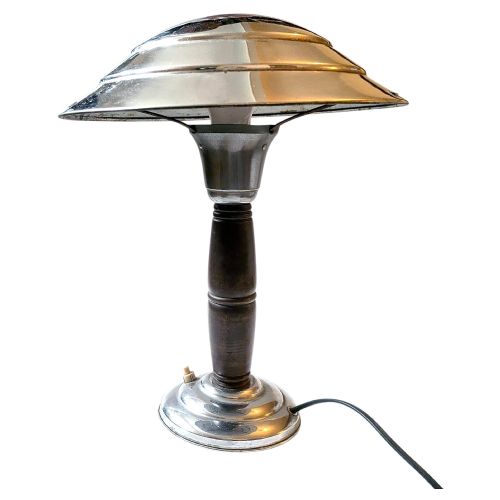
Machine age lamps from the 1930s typically feature chrome plating, streamlined bakelite components, and geometric forms inspired by industrial machinery. They emphasise clean lines and functional adjustability.
Look for smooth metallic finishes, shell-shaped metal shades, and balanced, weighted bases characteristic of the period.