

Edwardian Brass Reading Lamp
An edwardian brass reading lamp brings focused, adjustable light and a distinct period silhouette to a desk, reading corner or study.
What these lamps are
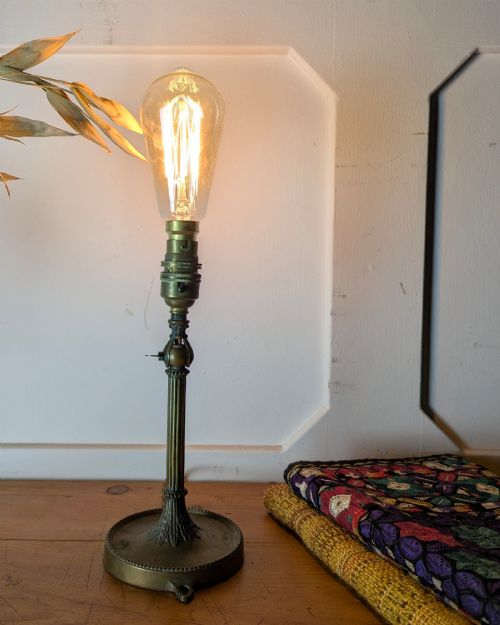
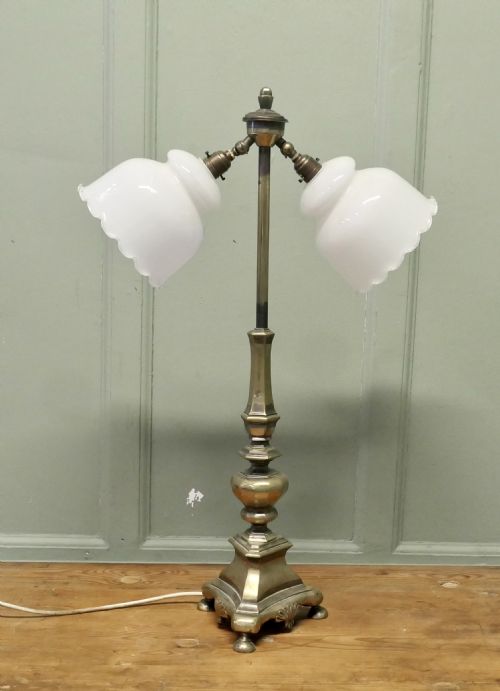
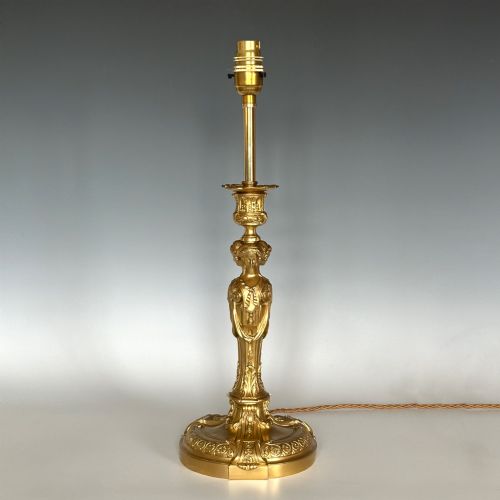
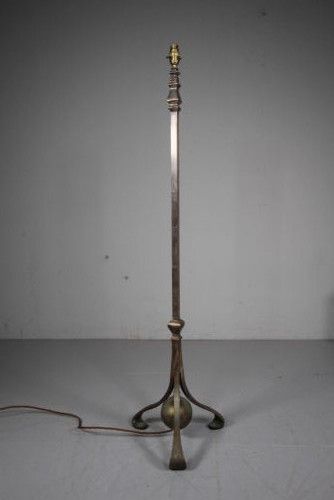
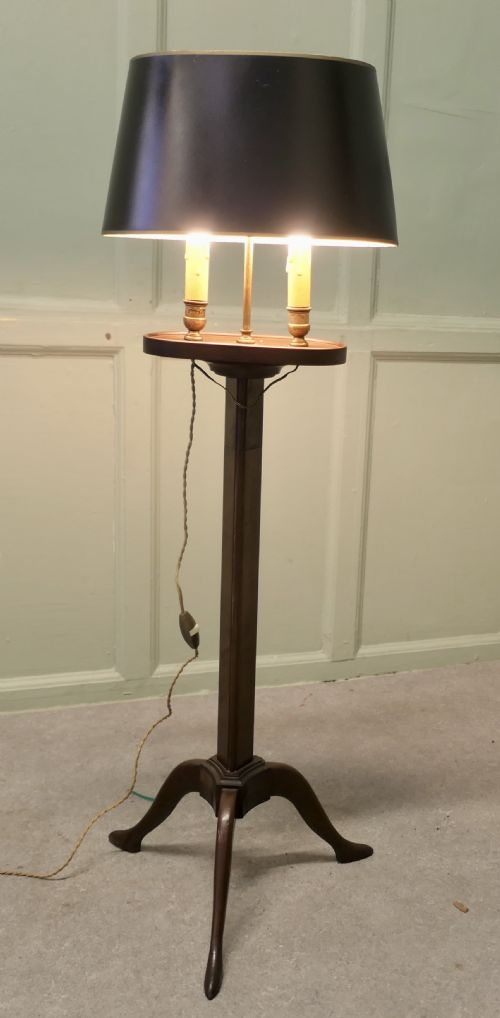
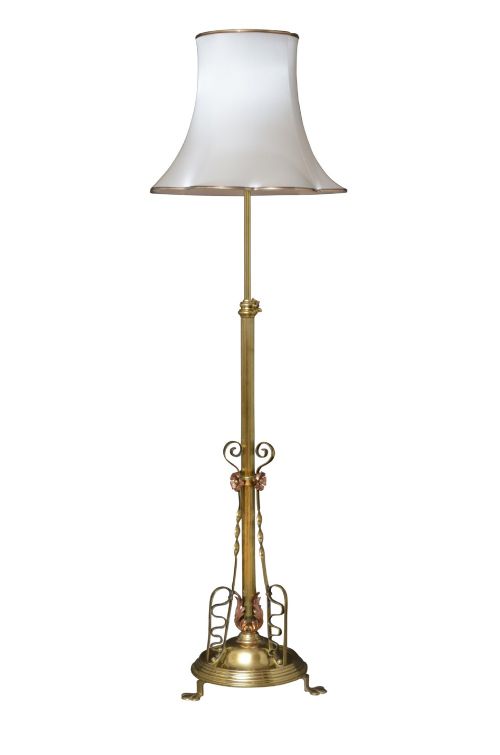
When you search for an edwardian brass reading lamp, you encounter functional task lighting designed to illuminate books, desks and writing surfaces. The examples found here span desk lamps, table lamps and standard lamps, alongside floor-standing variants.
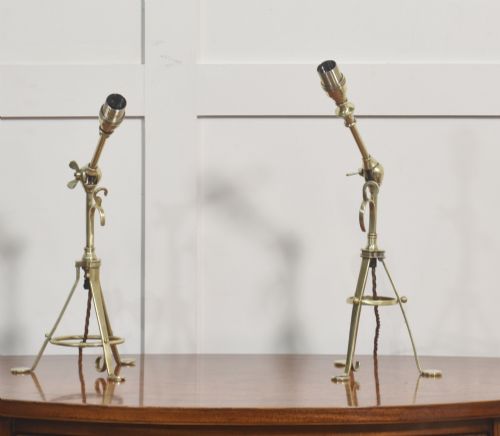
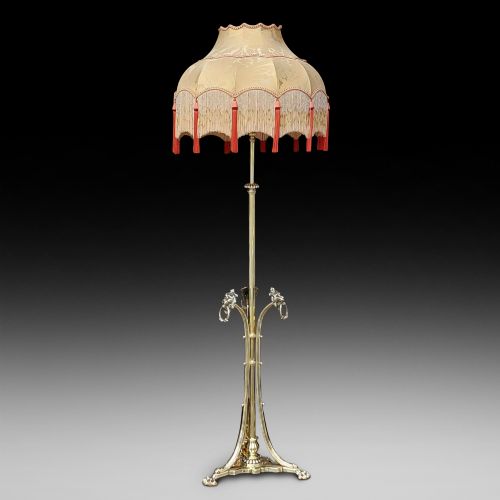
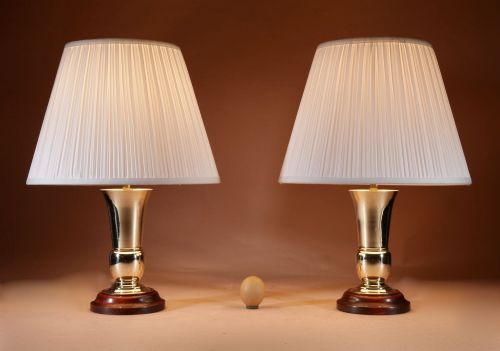
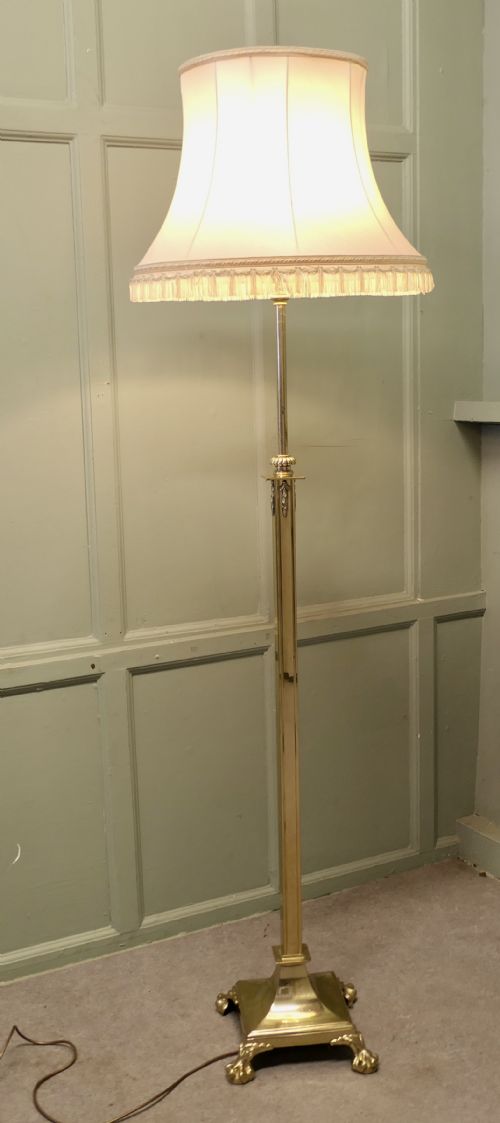
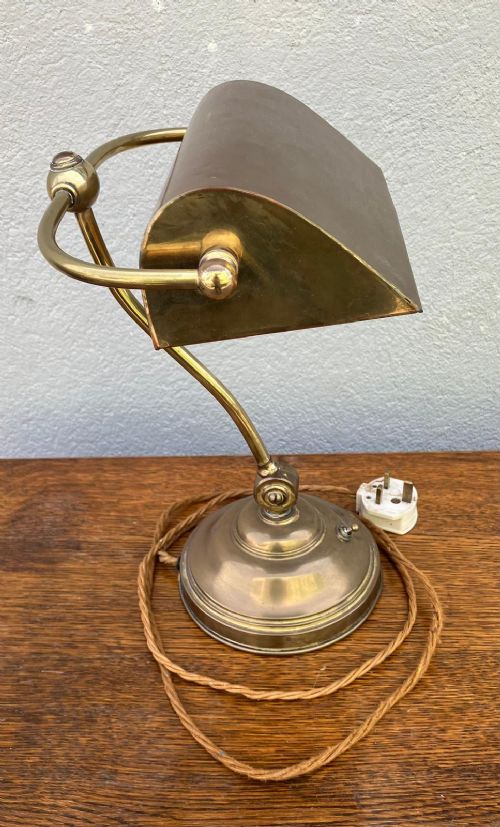
Most pieces date directly to the Edwardian era, though related designs extend into the 1930s with Art Deco influences. You will frequently meet the classic standard 'steamer' lamp, the swan neck desk lamp, and tall student reading lamps equipped with swivel and angle adjustments.
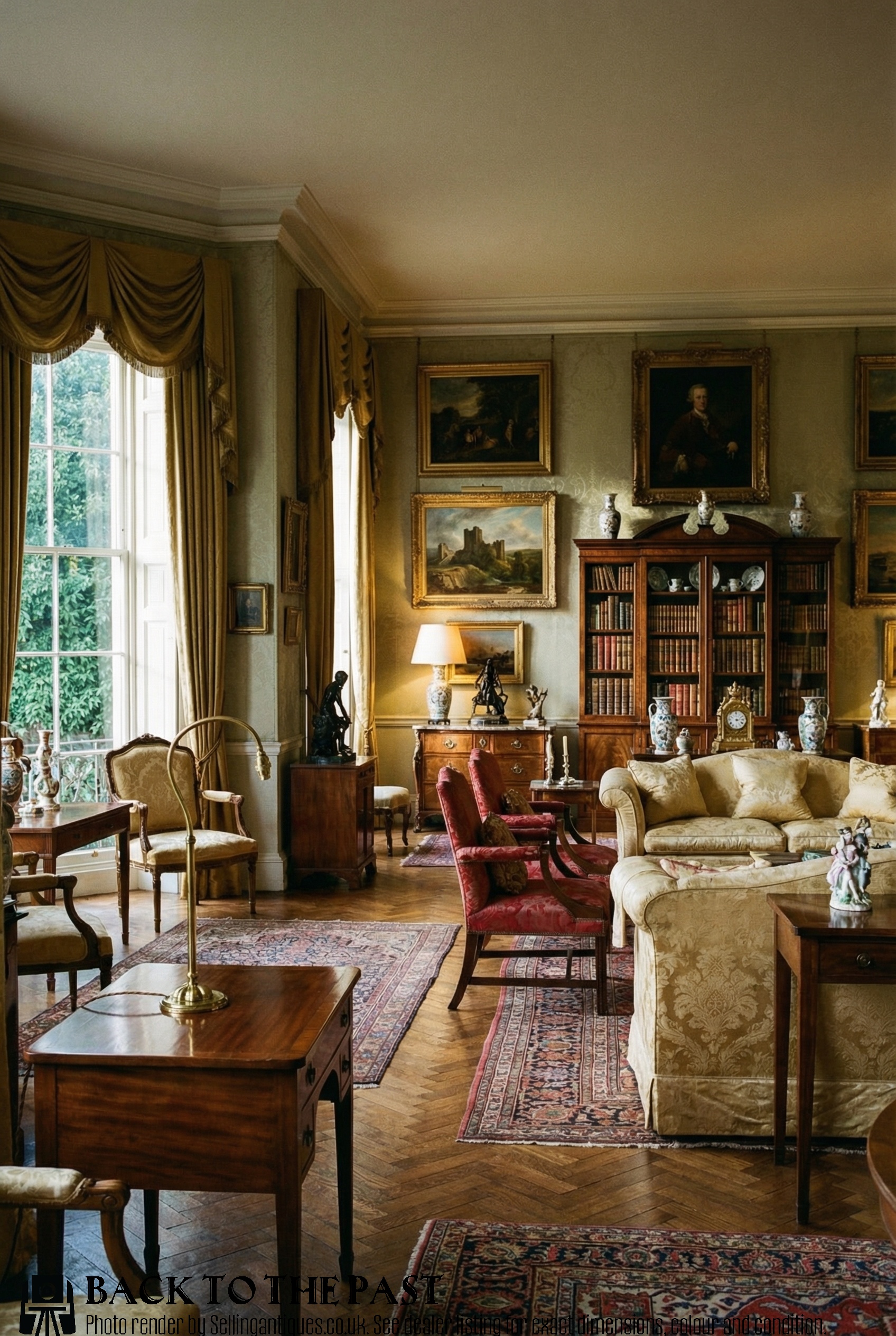
How they were made
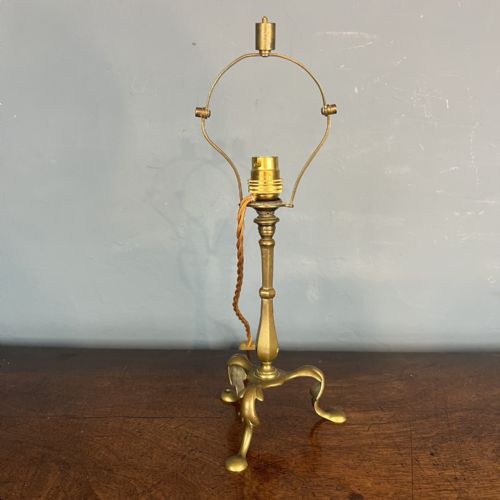
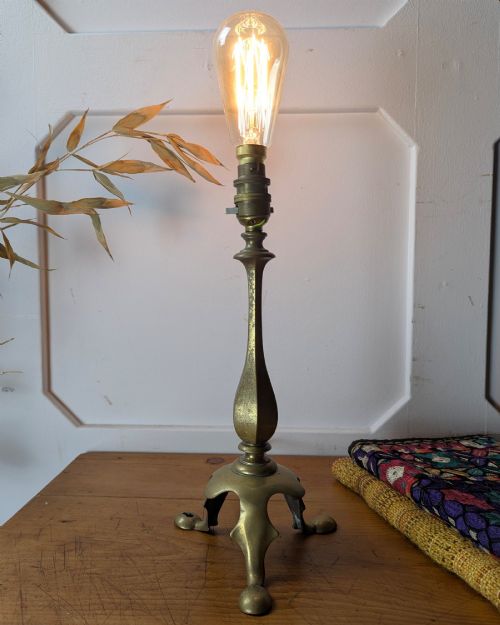
Makers constructed these luminaires primarily from brass and bronze, utilising metalcasting and turning techniques to shape heavy bases, slender uprights and pivoting arms. Fabric flex wiring supplies power, while shades incorporate fabric or etched glass.
Adjustability remains central to the construction, employing mechanical swivel joints, swan neck curves and sliding mechanisms. Many surviving examples have been rewired for modern utility while retaining their original metal components.
Retail Price Guide 2026
Typical UK retail prices for edwardian brass reading lamp, calculated from the Sellingantiques database of over a million retail prices indexed since 2003. This retail price guide relies exclusively on Sellingantiques data; no external sources or auction records are used, so the figures do not describe the wider market.
Some floor lamps carry the designation 'steamer' lamp, evoking the adjustable brass fittings once bolted down against the rolling pitch of ocean liners.
What varies in quality
The distinction between ordinary and exceptional pieces lies in the sophistication of the mechanical joints and the weight of the casting. Heavier gauge brass and smoothly engineered swivel mechanisms indicate higher standards of workshop production.
Finishing details also separate standard commercial lighting from finer examples, particularly the clarity of etched glass shades, the tactile quality of the metal surfaces, and the integrity of Neoclassical styling touches.
The Edwardian Brass Reading Lamp Glossary
- Standard lamp
- A tall floor-standing lamp designed to illuminate a room or reading area from a vertical position. These pieces typically feature a weighted base to maintain stability.
- Swan neck
- A curved metal upper arm resembling the neck of a swan, allowing the light source to be positioned directly over a desk or book. This form is common in both desk and floor lamps.
- Student reading lamp
- A specific task lighting form designed for focused desk work, usually featuring an adjustable arm or shade to direct illumination precisely where needed.
- Fabric flex
- Flexible electrical cable covered in woven textile, commonly utilised in period-appropriate rewiring to maintain historical appearance.
- Neoclassical
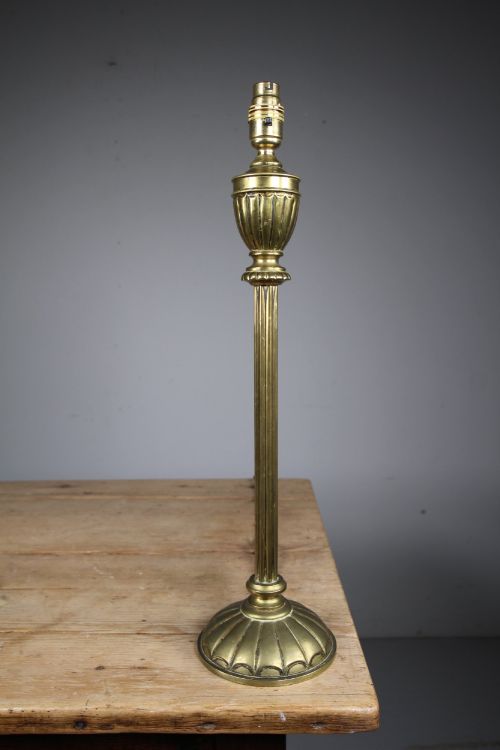
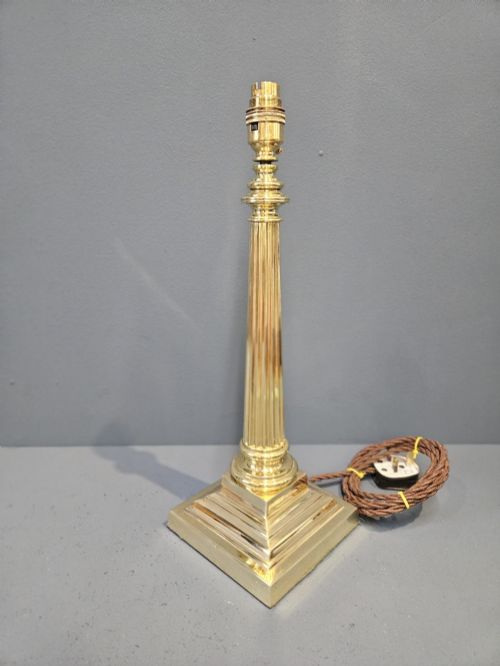
- A decorative style drawing inspiration from classical antiquity, often visible in the formal proportions, fluted columns and urn motifs of Edwardian metalwork.
Frequently Asked Questions
What is an Edwardian reading lamp?
These pieces are adjustable period light fittings created to provide focused illumination for reading and writing tasks at desks or in seating areas.
They combine heavy metal bases with movable arms or shades, typically constructed from brass or bronze during the early twentieth century.
How do I use a floor standing reading lamp?
Floor-standing variants position easily beside armchairs, sofas or reading desks to cast light downward onto open pages or paperwork.
Their adjustable joints and swiveling mechanisms allow you to alter the height and angle of the light beam to suit your specific seating arrangement.
Are these lamps safe to use today?
Many surviving examples are offered having been rewired, which replaces original deteriorated internal cables with modern compliant wiring while preserving the exterior metalwork.
It is advisable to check the specific listing details regarding rewiring before connecting any antique lighting to a modern electrical supply.
How can I tell an Edwardian lamp from a 1930s lamp?
Edwardian pieces generally exhibit traditional or Neoclassical decorative details such as urn motifs, heavy turned brass, and etched glass shades.
By contrast, lamps from the 1930s often reflect Art Deco aesthetics with sleeker, more streamlined silhouettes and simpler geometric forms.