

Adjustable Reading Lamp
An adjustable reading lamp brings targeted illumination to a desk or chair, shaped by decades of metalwork from the Victorian era to the Art Deco period.
Adjustable Reading Lamp
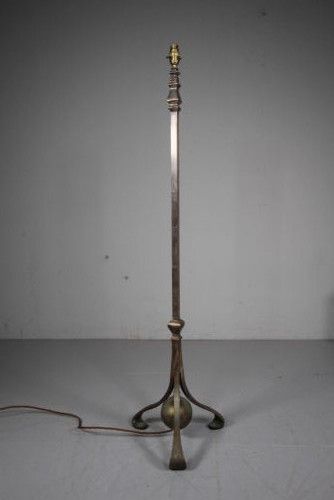
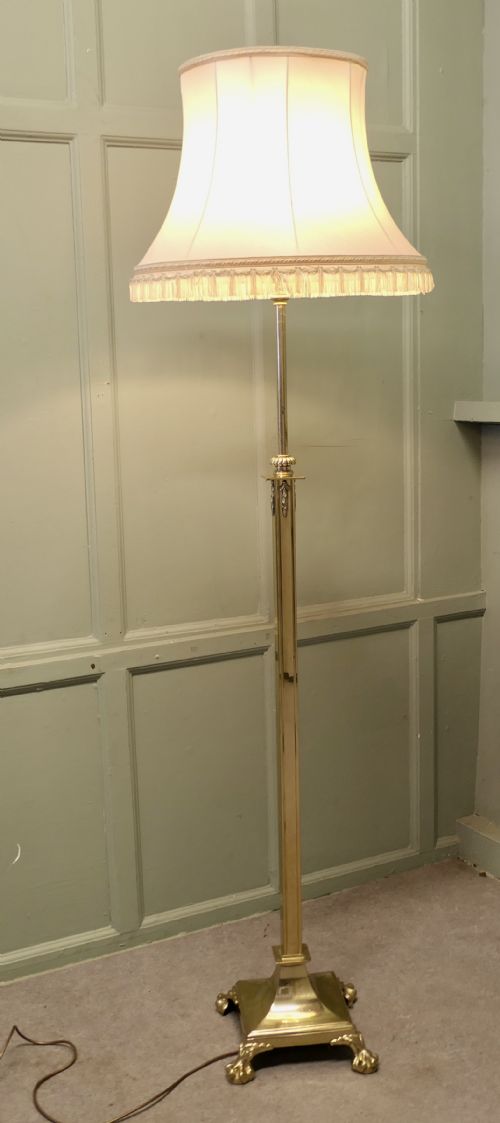
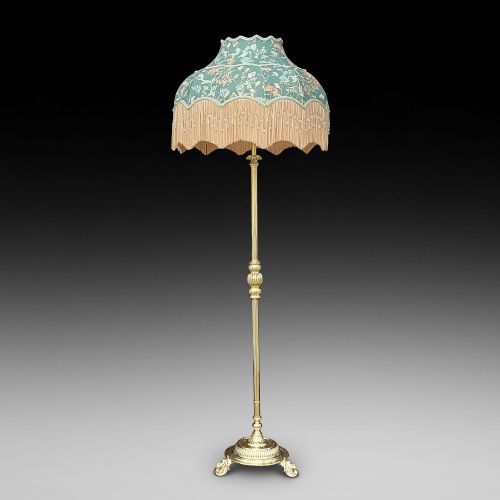
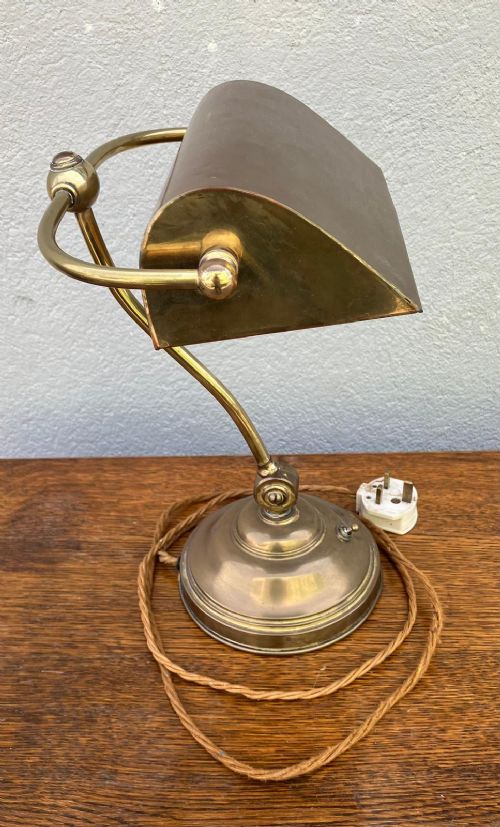
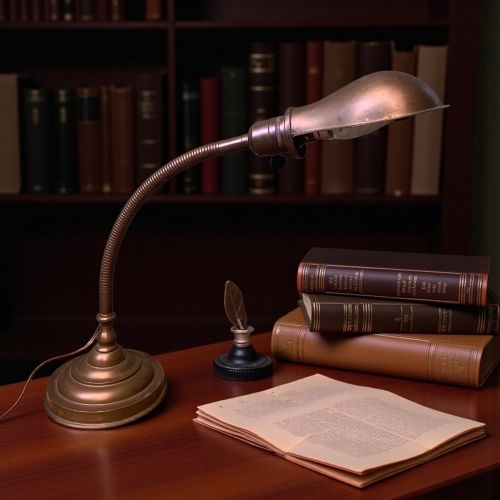
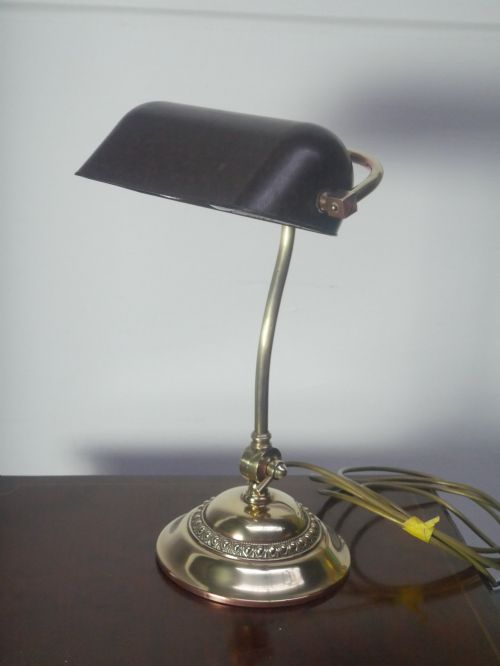
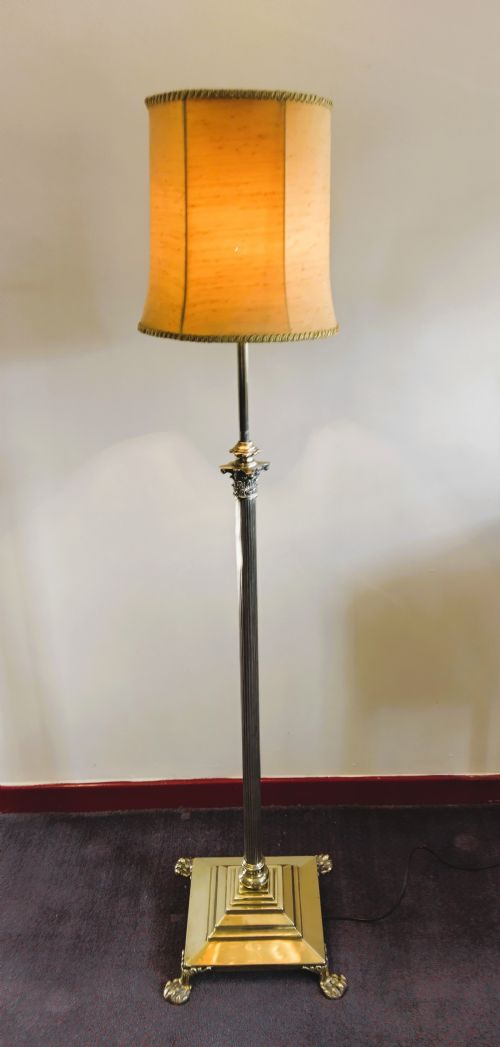
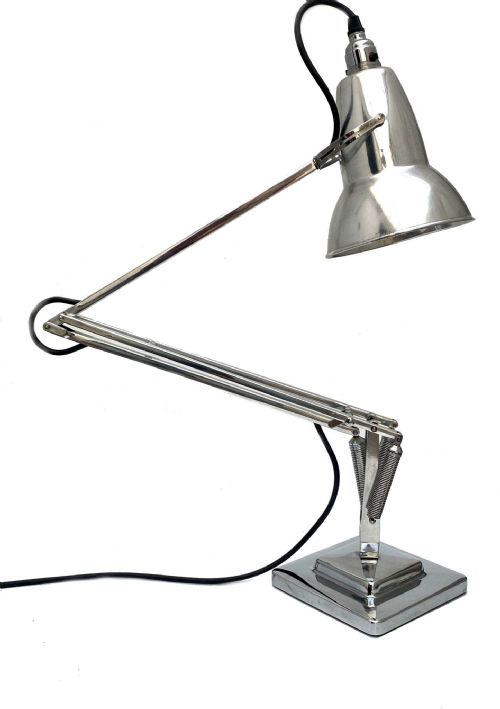
An adjustable reading lamp serves specific tasks by altering height and angle, appearing across floor, desk, and table formats in this collection. These pieces originate from periods spanning the nineteenth century through the nineteen-thirties, with Edwardian and nineteen-twenties examples occurring frequently.
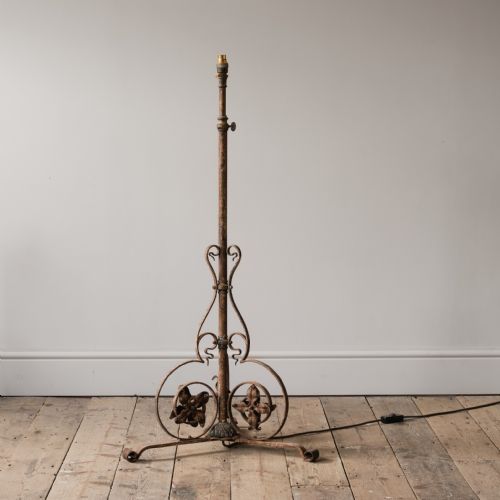
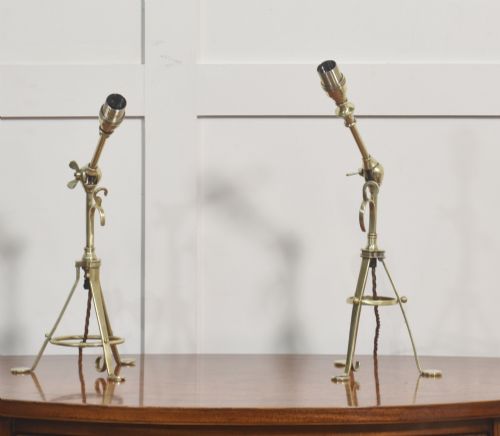
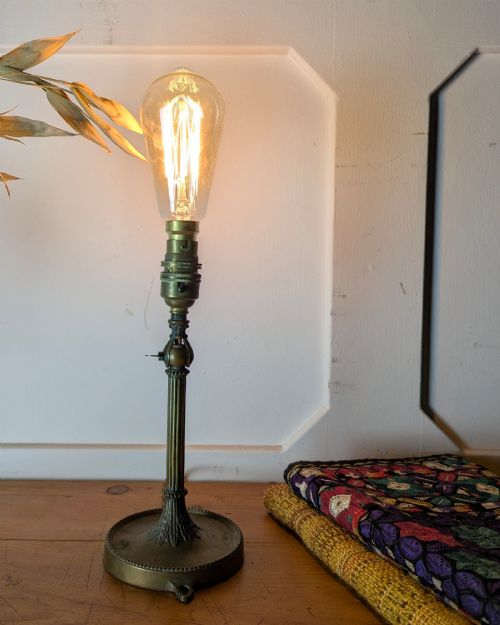
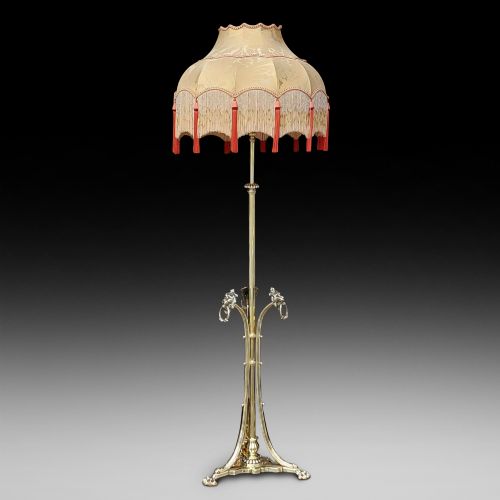
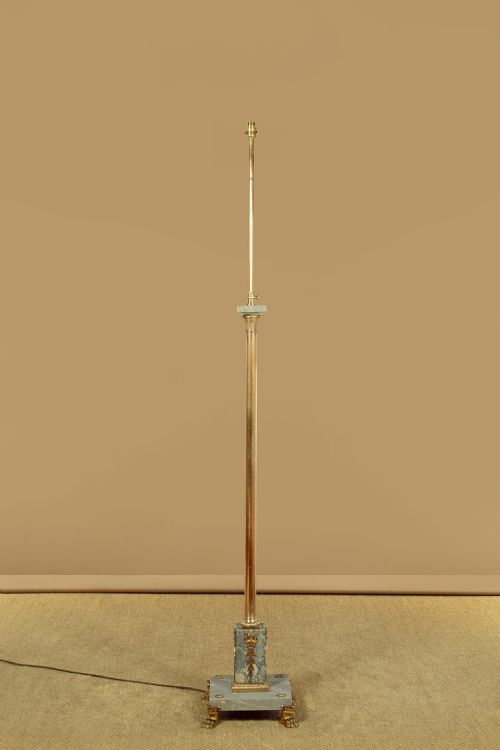
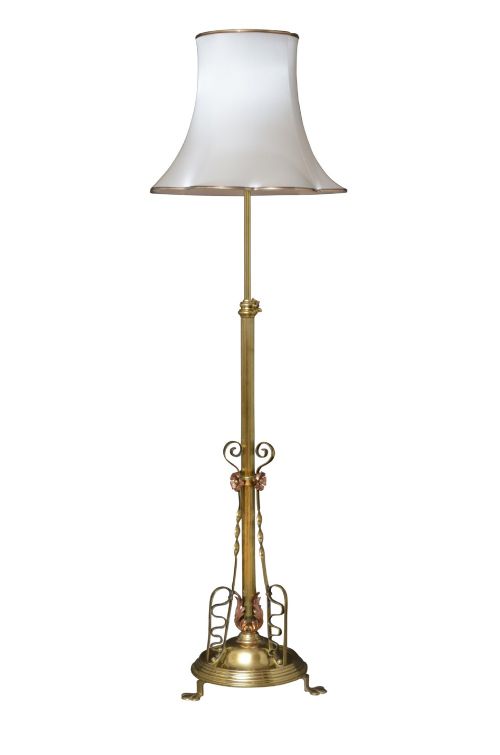
Forms range from heavy floor-standing standard lamps and telescopic brass columns to small desk lights and wall-mounted fixtures. Makers utilised functional mechanics such as swivel joints, counterweights, and sliding stems to direct light precisely where needed.
Assessment of Quality
Quality rests in the precision of the adjusting mechanisms, the weight of the base relative to the arm, and the integrity of the original metal finish. Superior examples maintain smooth movement in telescopic collars and swivel joints without sagging under the weight of the shade.
The refinement of cast details, the presence of matching original shades in glass or toleware, and balanced proportions distinguish finer workshop output from standard utility lighting.
The listings span multiple decades, incorporating Victorian, Edwardian, and Art Deco styles.
W.A.S. Benson·Herbert Terry·Wild And Wessel·Pirouette
The Adjustable Reading Lamp Glossary
- Telescopic
- A design utilising nested sliding tubes that allow the overall height of the lamp standard to be raised or lowered.
- Toleware
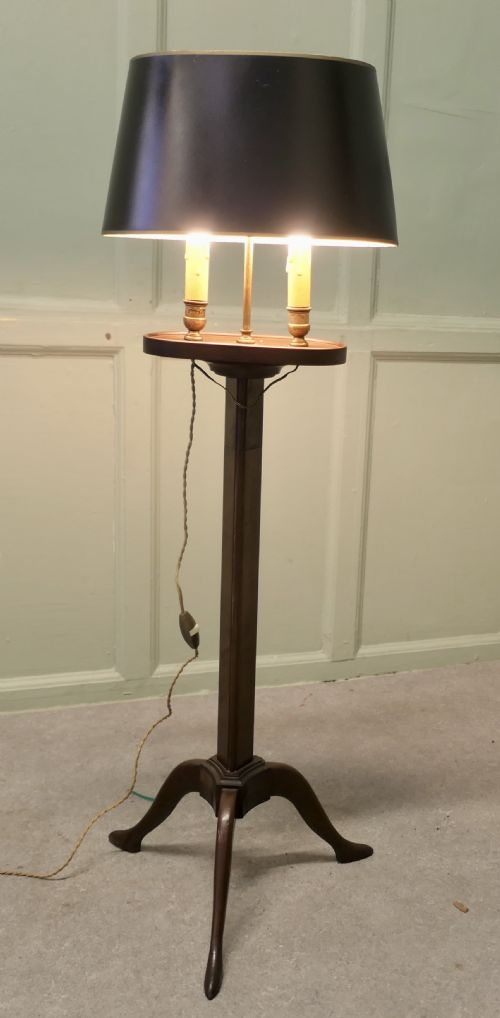
- Painted or lacquered metalware, frequently used for lamp shades in green, gold, or black finishes during the Edwardian and Art Deco periods.
- Swan neck
- A curved metal arm resembling a swan's neck, permitting directional adjustment of the lamp holder.
- Bouillotte
- A style of table lamp featuring a central column and an adjustable shade held by a upright central key, originating in France.
- Anglepoise
- A spring-balanced task lamp design invented to maintain its position at any angle through mechanical tension.
Adjustable Reading Lamp: Frequently Asked Questions
How do I adjust the height safely?
Most models use a thumbscrew, collar, or internal counterweight system to hold the stem at the desired level. Loosen the adjustment mechanism gently while supporting the weight of the upper section before tightening it again.
Avoid forcing rusted or stuck joints, as vintage metal requires careful handling to preserve the threading and original components.
Where should I place a standard lamp?
Floor-standing adjustable reading lamps suit corners behind armchairs or beside reading desks where the arm can extend over the seating area. Their height allows them to cast light downward onto open books or paperwork.
Ensure the heavy base sits on a stable surface so the reach of the extended arm does not compromise balance.
How do I identify a Victorian piece?
Victorian examples often feature heavy cast brass bases, oil-burning reservoirs adapted for electricity, or elaborate wrought iron work. They rely on mechanical keys, screw collars, and solid metal casting rather than internal springs.
Construction details typically show hand-finished components and heavier gauge metals than later twentieth-century production.
Can I replace the lampshade?
Replacement shades should match the original fitter size and weight to ensure the arm mechanism balances correctly. Toleware, glass, and fabric shades all require specific gallery rings depending on the age of the fixture.
Keeping period-appropriate materials helps maintain the intended aesthetic balance of the piece.