





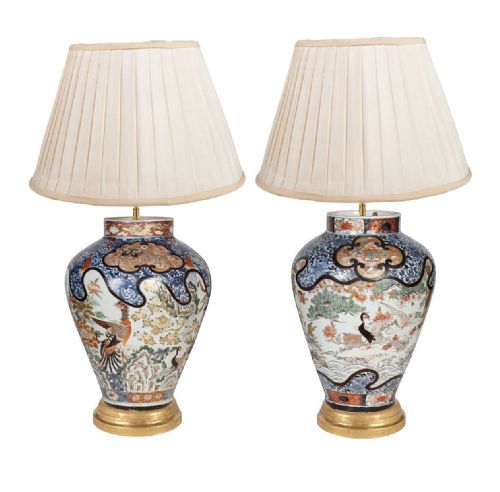
Classic Pleated Shade Lamp
These classic pleated shade lamp examples combine period bases with warm illumination, bringing functional elegance and authentic historical character to any interior.
Classic Pleated Shade Lamp
When searching for a classic pleated shade lamp, buyers encounter a diverse selection of period lighting designed for domestic use. The pieces span centuries from the seventeenth century through the Victorian, Edwardian, and Art Deco eras, capturing distinct historical design movements.
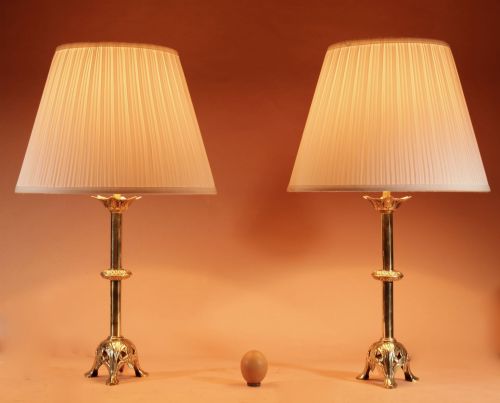
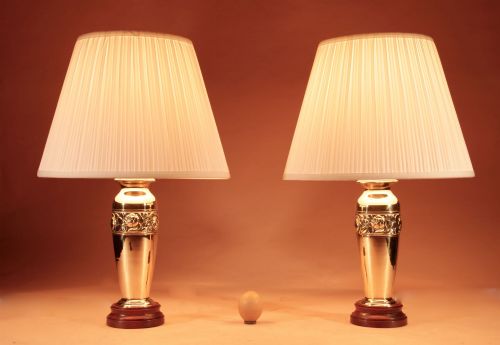
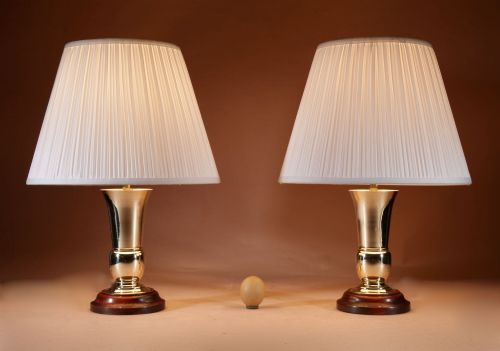
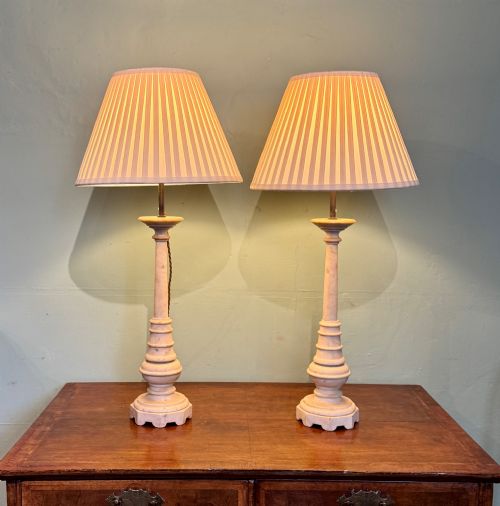
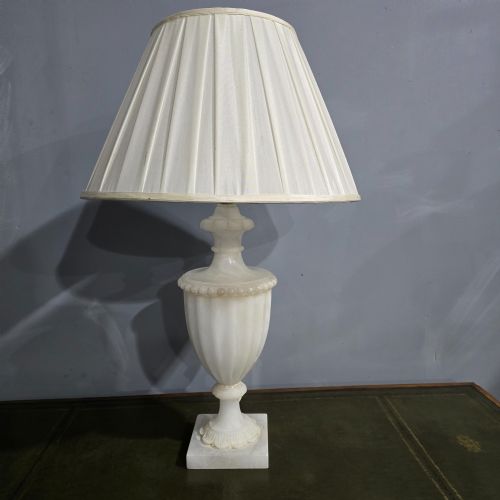
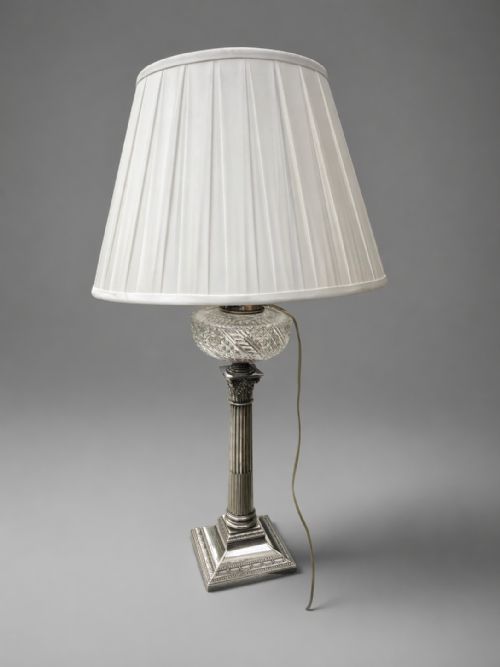
Most selections on this page comprise table lamps and standard floor lamps mounted on solid bases. Materials range from brass and wood to porcelain, marble, silver plate, cut glass, and alabaster.
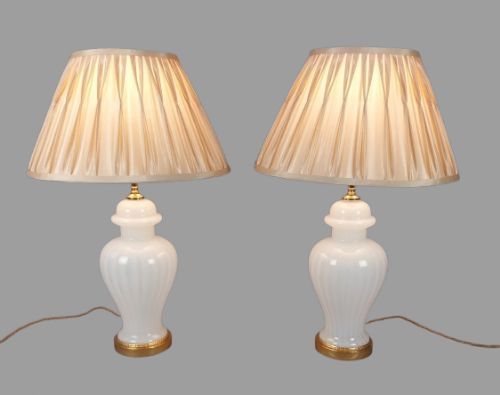
Stylistic influences vary significantly across the inventory, incorporating Edwardian, Neoclassical, Arts and Crafts, and Japanese Edo period aesthetics. Buyers find both single statement pieces and matched pairs suitable for diverse interior schemes.
How they were made
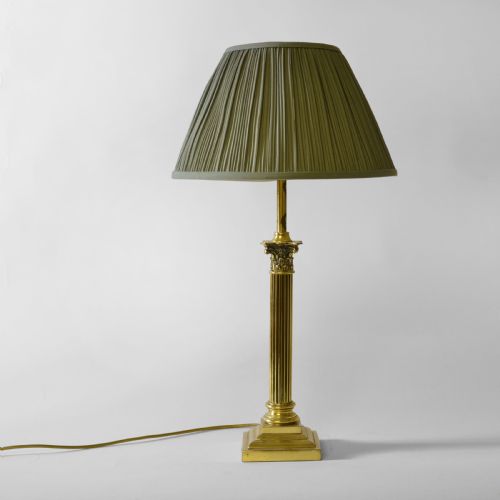
Maker construction relies heavily on durable metals such as brass and silver plate, often shaped into column or tripod floor structures. Artisans combined these metallic elements with carved wood, natural marble, and translucent alabaster to create stable and weighted illumination bases.
Decorative glass and ceramics form another pillar of production, utilising cut glass, opaline white glass, and majolica porcelain. These components were frequently adapted from earlier vases, including Japanese Imari and Chinese blue and white porcelain, fitted with specialised electrical hardware during later periods.
Classic Pleated Shade Lamp Retail Price Guide 2026
Typical asking prices for classic pleated shade lamp among the pieces listed under this phrase on Sellingantiques today, from the lower quarter to the upper quarter. They describe what is for sale here now, not the wider market.
Some nineteenth-century lamps began life as seventeenth-century Japanese vases before getting a second career illuminating Victorian sitting rooms.
What varies in quality
Quality differences emerge through the selection of base materials and the refinement of period detailing, such as the crispness of brass corinthian column castings or the weight of genuine alabaster and marble. Superior examples display harmonious proportions between the decorative base and the overall height.
The integrity of converted vessels, such as porcelain vases or Imari pieces, depends on the precision of the adaptation and the preservation of the original ceramic glaze. Original metalwork patination and balanced adjustable mechanisms further distinguish high-grade standard lamps from simpler production.
The Classic Pleated Shade Lamp Glossary
- Alabaster
- A fine-grained, translucent stone often carved into heavy, glowing lamp bases during the early twentieth century.
- Corinthian column
- An architectural column style featuring ornate, acanthus-leaf capitals frequently cast in brass for Victorian and Edwardian lighting.
- Imari
- A traditional Japanese porcelain style characterised by underglaze blue and iron-red designs, sometimes converted into decorative lamp bases.
- Opaline glass
- A pale, milk-white glass developed in the nineteenth century to diffuse light softly across domestic interiors.
- Tripod floor lamp
- A standard floor standing light supported by three joined legs, often associated with adjustable Arts and Crafts designs.
Classic Pleated Shade Lamp: Frequently Asked Questions
What periods do these lamps come from?
The inventory encompasses lighting from the seventeenth century through to the Art Deco era of nineteen thirty. Pieces frequently represent Victorian, Edwardian, and nineteen-twenties aesthetics.
Specific construction techniques and decorative motifs reflect the dominant design movements of each respective century.
Are these lamps suitable for daily use?
These historical lamps function effectively in modern domestic settings when wired appropriately for contemporary electrical standards. They provide functional task and ambient illumination while serving as sculptural decorative objects.
Buyers often place table lamps on sideboards and desks, while floor lamps anchor larger living spaces.
How are converted vase lamps constructed?
Many decorative lamps utilise antique vessels, such as Chinese blue and white porcelain or Japanese Imari vases, adapted for electrical components. Artisans mounted these ceramic pieces onto secure bases to create functional lighting.
This practice preserves historical ceramics while repurposing them for modern interiors.
What materials make up the bases?
Bases incorporate a wide variety of traditional materials, including polished brass, carved wood, solid marble, and heavy alabaster. Silver plate and cut glass also appear frequently among the listed pieces.
Each material dictates the overall weight and stability of the table or floor lamp.