

Antique Lighting Floor Standing
These antique lighting floor standing pieces illuminate interiors with height and presence, offering a functional heritage for any room.
Antique Lighting Floor Standing
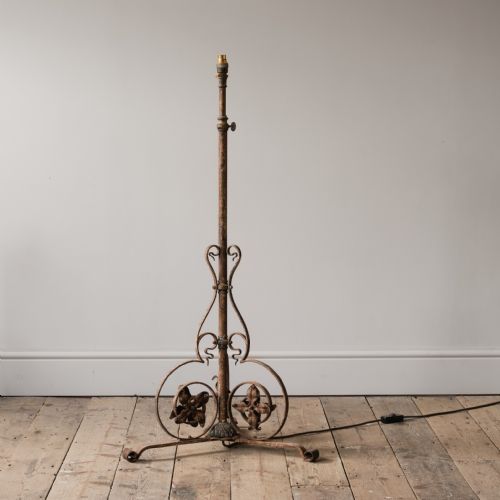
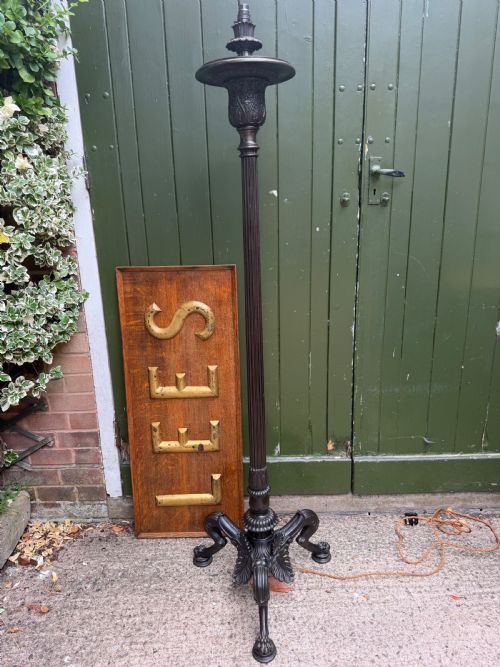
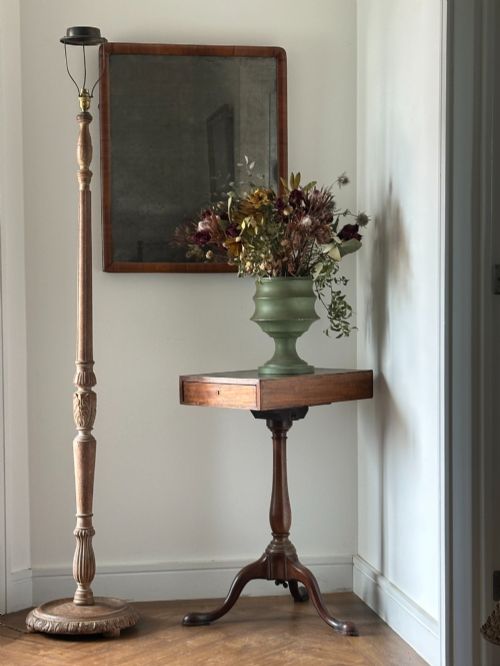
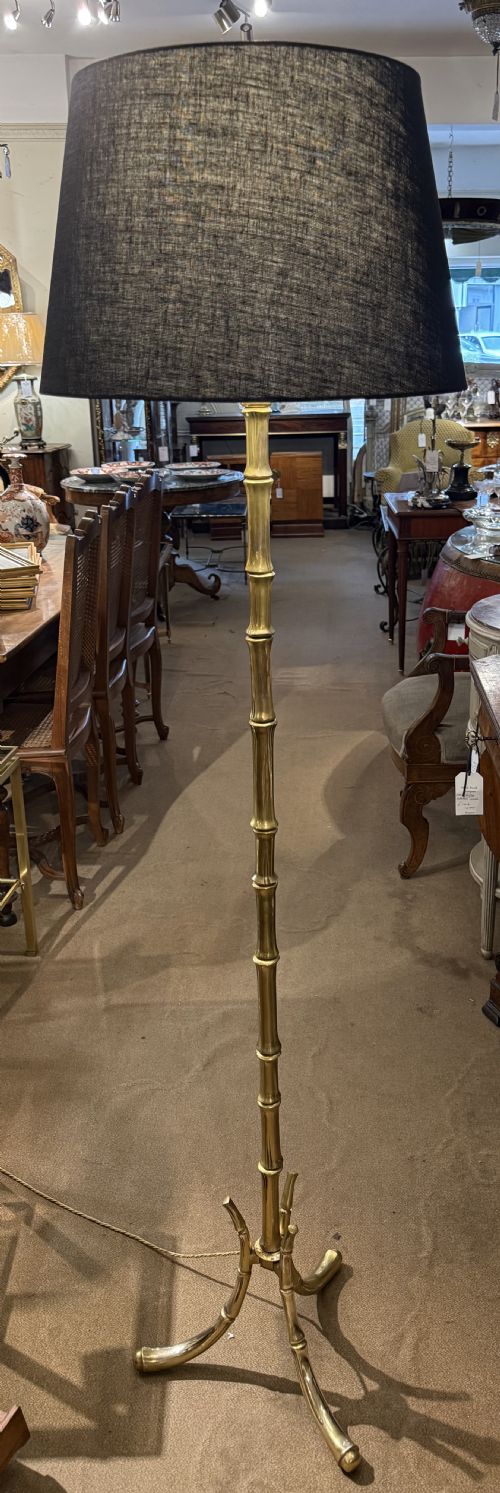
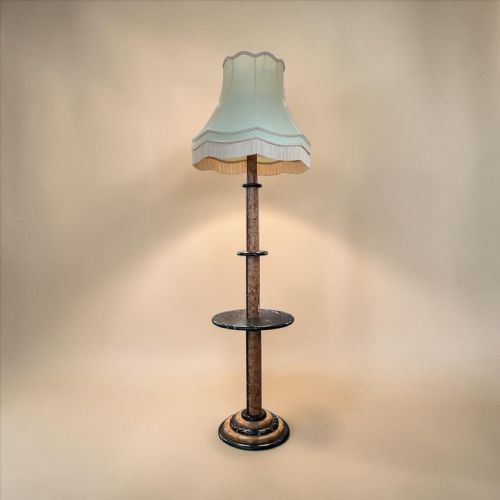
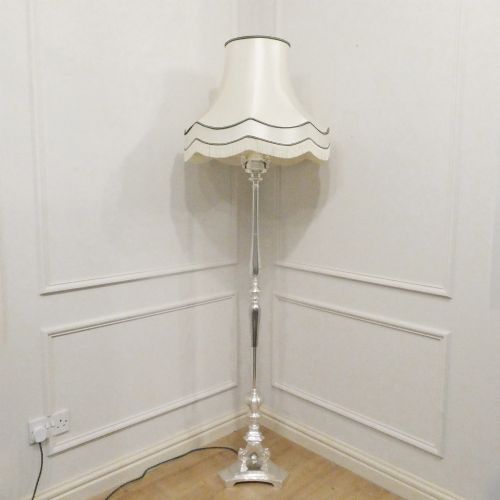
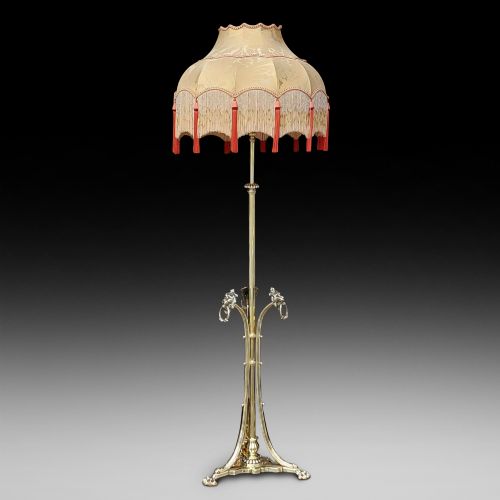
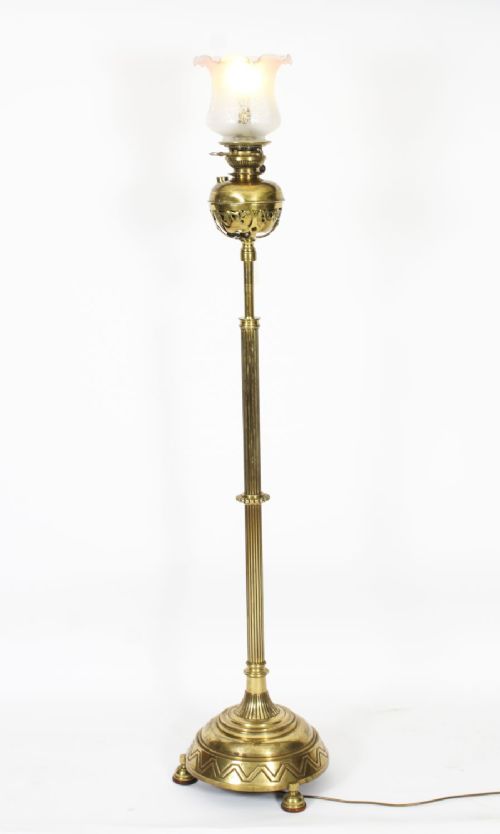
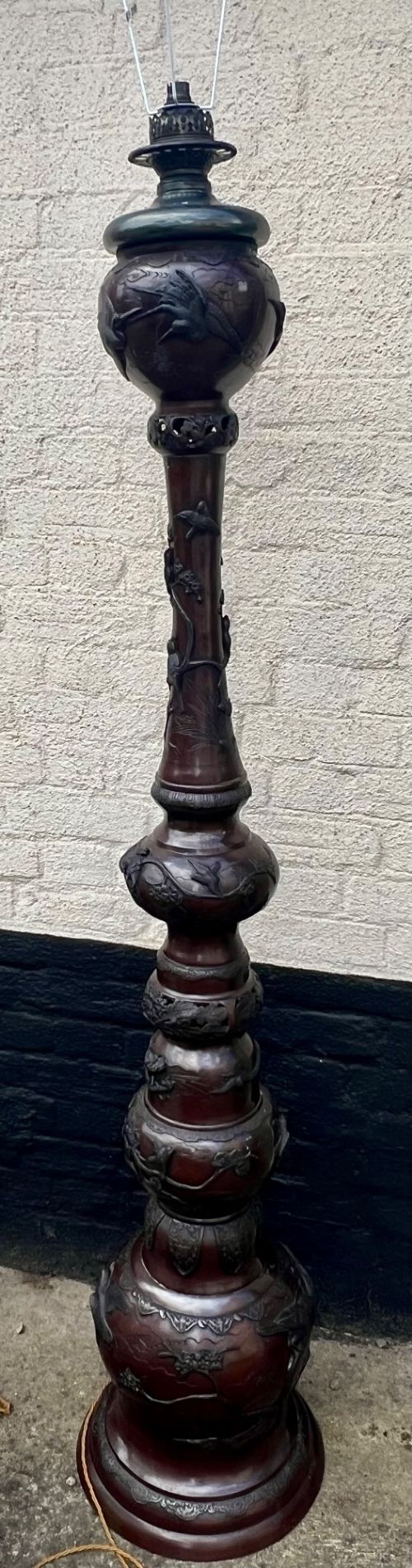
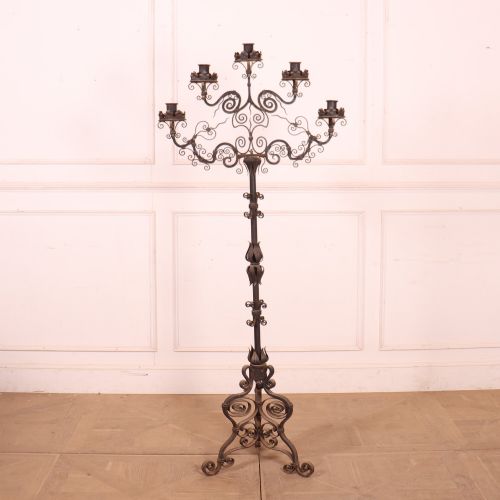
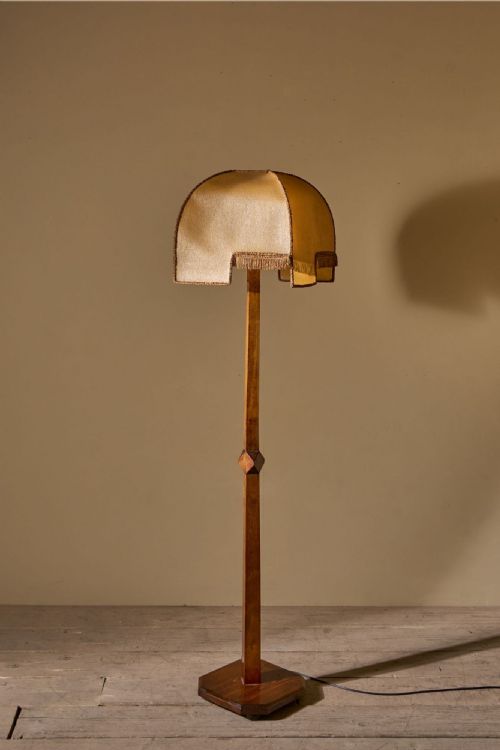
When you search for antique lighting floor standing, you encounter a diverse range of tall illuminators designed to anchor a room's spatial composition. The selection spans from heavy brass standard lamps and telescopic oil burners to carved wooden torcheres and candelabras.
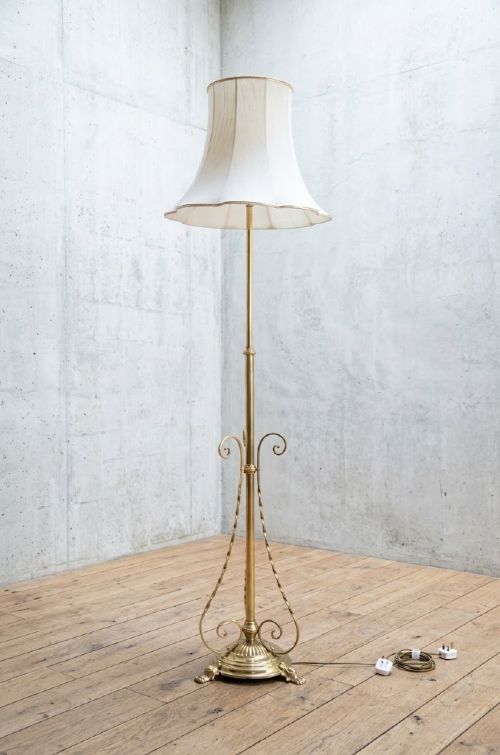
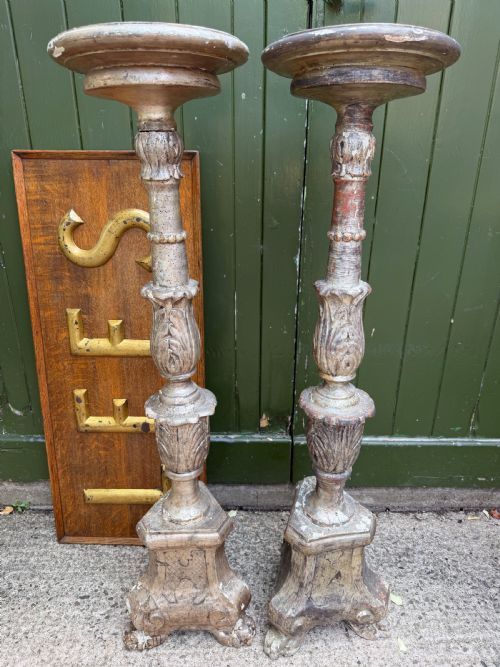
Victorian and Edwardian brass models frequently appear, alongside earlier eighteenth-century Italian silvered candle-stands and later Art Deco satinwood or walnut designs. These tall pieces originated to bring adjustable light downward into seating areas before electricity became universal.
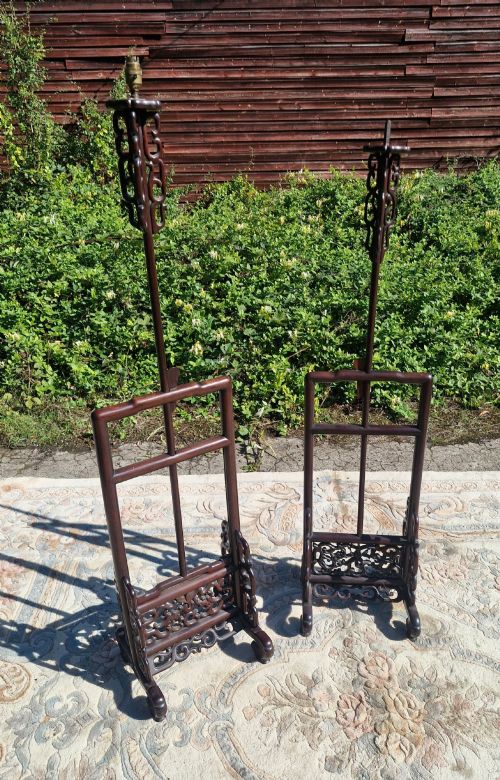
Standard lamps and floor lamps dominate the selection, offering functional illumination that transforms plain corners into points of architectural focus. Buyers also meet specialised forms such as Chinese adjustable lamp standards, Japanese bronze columns, and Moorish Syrian floor lights.
Materials and Construction
Makers shaped these fixtures from cast brass, bronze, silver plate, wrought iron, and heavy cast-iron, utilising patination and metal-spinning techniques for structural integrity. Wood options include carved oak, giltwood, satinwood, and black lacquer, often incorporating decorative elements in the Chinoiserie or Neoclassical manner.
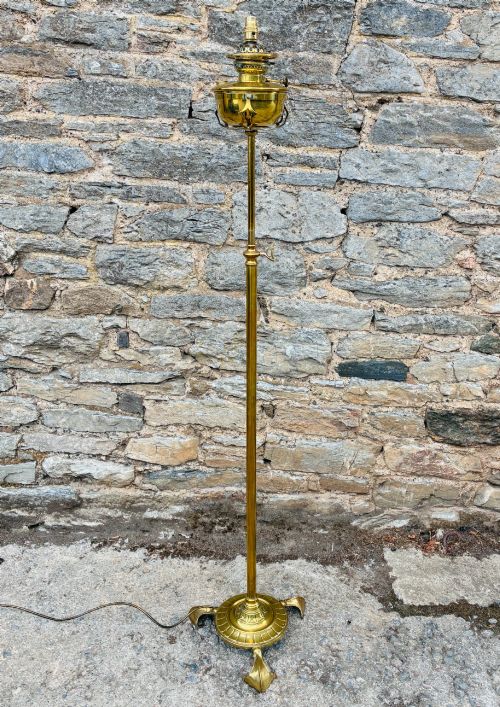
Telescopic mechanisms and adjustable shafts reveal precise engineering in brass and bronze, allowing height modification for various domestic tasks. Many older oil lamps undergo careful conversion to electricity, retaining their original screw threads and heavy weighted bases while adapting to modern wiring.
Listings feature brass, wood, and wrought iron as primary materials across Victorian, Edwardian, and Art Deco periods.
Evaluating Craftsmanship
Superior quality rests in the weight of the metal base, the smoothness of any telescopic adjustment, and the crispness of hand-carved woodwork or cast ornamentation. Mass-produced later adaptations lack the satisfying heft and proportion found in period standard lamps from recognised workshops.
Surface finish dictates value, distinguishing genuine patinated bronze and fire-gilt ormolu from lesser modern coatings. Original fabric vellum shades or intact lacquer decoration elevate a piece well above those stripped of their historical context.
Maison Bagues·WMF·Hinks of B'ham
The Antique Lighting Floor Standing Glossary
- Torchere
- A tall ornamental stand originally intended to carry a single candle or torch. These carved wooden or gilded pieces later accommodate electric fittings.
- Standard lamp
- A British term for a floor-standing lamp, typically featuring a weighted base, a vertical column, and a shade. They provide ambient or task lighting beside seating furniture.
- Standard oil lamp
- A tall domestic lamp utilising whale oil, paraffin, or kerosene before conversion to electricity. They frequently include a brass telescopic shaft and a font reservoir.
- Ormolu
- Ground metallic gold applied to an object of bronze through a mercury amalgamation process. This technique imparts a rich, warm golden lustre to nineteenth-century metalwork.
- Chinoiserie
- European decorative arts inspired by Chinese and East Asian design motifs. Pieces often display hand-painted black lacquer landscapes and gilt figures.
Antique Lighting Floor Standing: Frequently Asked Questions
How do I safely convert an oil lamp?
Historic oil lamps usually require professional rewiring that threads a modern flex through the central brass column without damaging the original font or burner mechanism.
Retaining the thumb-wheels and gallery components preserves the aesthetic integrity of the conversion while making the fixture safe for daily use.
How do I date a brass floor lamp?
Examine the construction of the weighted base, the threading on the column sections, and the presence of makers' stamps such as Hinks. Victorian and Edwardian examples often feature heavy cast brass with functional telescopic mechanisms.
Later twentieth-century iterations adopt streamlined Art Deco silhouettes or simplified wooden turnings that lack nineteenth-century casting complexity.
What is a torchere used for today?
Originally built to hold candles or altar lights in grand rooms, antique torcheres now function as sculptural plant stands, statue pedestals, or converted uplighters.
Their slender wooden or gilt columns add height and classical proportion to modern hallways and reception rooms.