



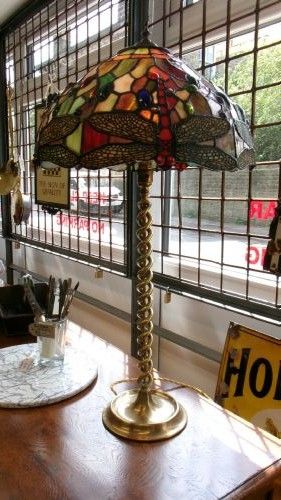


Art Nouveau Brass Light
An art nouveau brass light brings fluid organic lines and tactile metalwork into a room.
Art Nouveau Brass Light
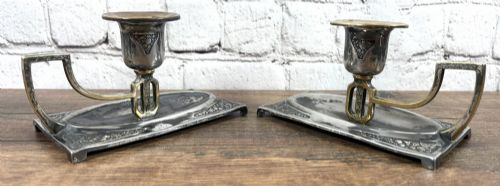
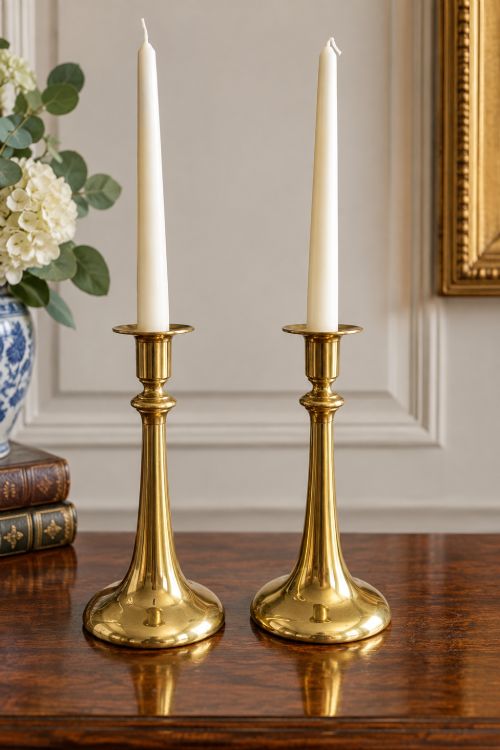
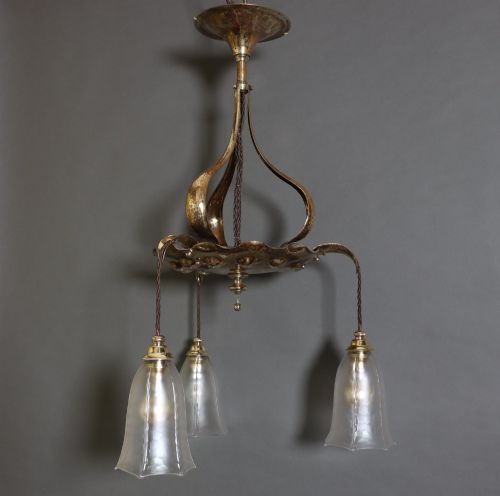
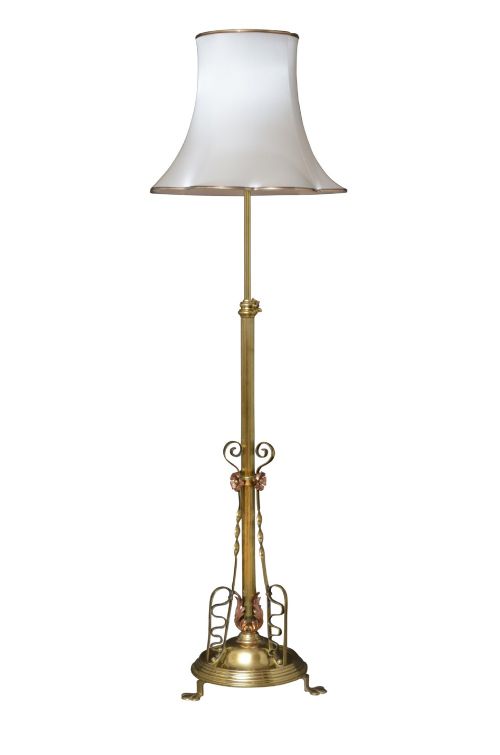
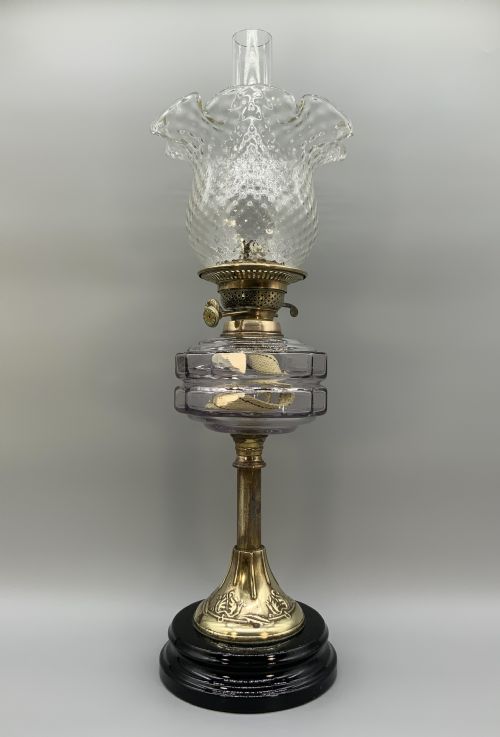
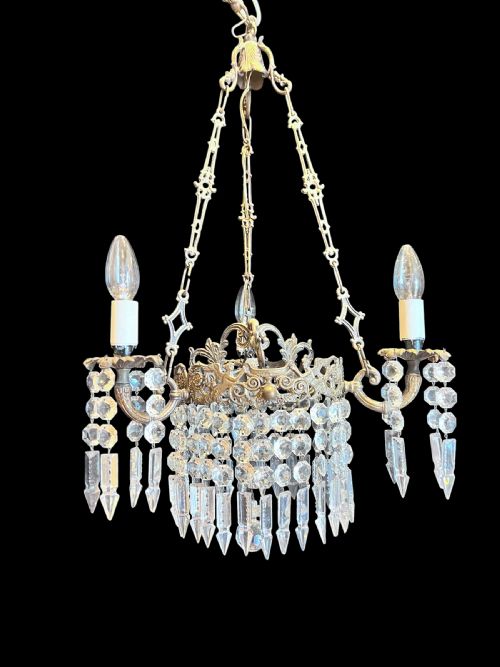
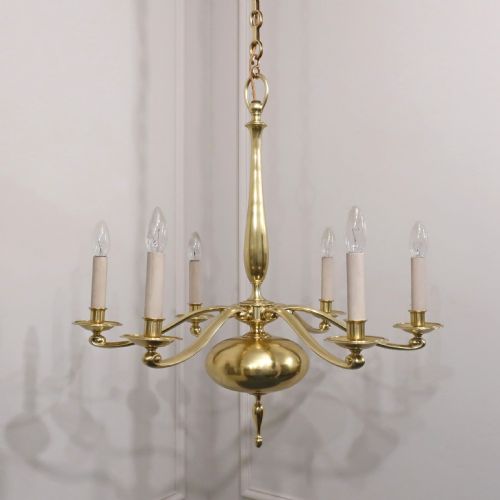
An art nouveau brass light takes many forms across domestic interiors, appearing most frequently as wall lights, standard lamps, and ceiling pendants. These pieces span standard household illumination of the late nineteenth and early twentieth centuries, capturing the dynamic vegetal curves characteristic of the period.
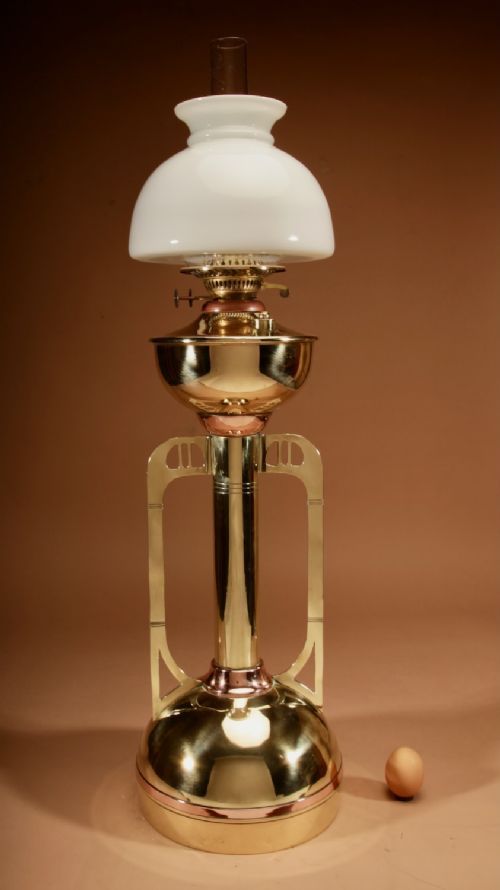
Table lamps and chandeliers also surface regularly, often combining the primary metal framework with contrasting elements like copper or ceramic. Such lighting ranges from modest single-arm fixtures to tall adjustable standard lamps designed for reading or ambient glow.
Origin points diverge between English workshops and continental European centres, with French examples maintaining a distinct sculptural emphasis. Pieces frequently show stylistic overlaps with Arts and Crafts production, Secessionist design, or early Dutch modernism.
How they were made
Makers shaped structural components primarily from cast and spun brass, frequently pairing the golden metal with beaten copper or bronze for visual contrast. Surface ornamentation relied on hand-hammering, open-twist shaping, and patination to accentuate botanical motifs.
Illumination relied heavily on glass integration, using hand-blown, frosted, crackle-glazed, or etched shades to diffuse the light. Many lighting units combined metalwork with ceramic inserts, fabric shades, or specialised glass bulbs unique to the period.
Materials recur in combination, uniting brass with glass, copper, bronze, and fabric.
What varies in quality
Quality depends upon the depth of hand-chasing and the sculptural articulation in the metalwork, distinguishing mass-produced stampings from individually cast components. Heavier gauge brass and integrated copper detailing indicate finer construction standards.
The survival of original glass shades, whether vaseline glass, frosted bowls, or etched globes, significantly elevates a piece. Maker attribution and documented provenance further separate standard utilitarian fixtures from exceptional artistic commissions.
L and F Moreau·G E C·Gustave Serrurier Bovy·WAS Benson·Abel Landry·Dugué
The Art Nouveau Brass Light Glossary
- Secessionist
- A design movement breaking away from traditional academic art towards geometric and stylised floral forms. It appears frequently in continental European lighting.
- Standard Lamp
- A tall freestanding floor lamp designed to provide ambient illumination in a room. Many period variants feature adjustable heights and weighted bases.
- Vaseline Glass
- A type of glass containing uranium dioxide that glows under ultraviolet light, often moulded into shades for period fixtures. It provides a distinct yellow-green tint.
- Rise and Fall
- A counterweight ceiling mechanism allowing the pendant light to be adjusted vertically. This pulley system was common in Edwardian interiors for dining tables.
- Pricket Candlestick
- A candleholder featuring a central spike upon which the candle sits, rather than a socket. Surviving examples from the Amsterdam School demonstrate heavy brass construction.
Art Nouveau Brass Light: Frequently Asked Questions
How do I safely rewire an antique light?
Safety standards require professional rewiring for any vintage or antique electrical fitting. A qualified electrician can replace perished internal cabling while preserving original lampholders and structural hardware.
Modern earth wiring must be integrated safely into brass and metal frames. This ensures the piece complies with current regulations without altering its historic exterior appearance.
Were these lights originally gas or electric?
Many fixtures originating from the late nineteenth century were initially constructed for gas or paraffin usage. They were subsequently converted to electricity as domestic power became widespread.
Conversions often retain original keys, burners, or tubing aesthetics. These retained elements add historical character to the functioning electrical fitting.
How do I clean antique brass safely?
Dusting with a dry microfibre cloth removes surface particles without disturbing the historic patina. Aggressive chemical polishes should be avoided because they strip the aged surface character.
Gentle application of microcrystalline wax can protect exposed metal surfaces from further oxidation. This preserves the authentic tone developed over decades.
Can I find matching wall lights as a pair?
Matched pairs frequently appear alongside single sconces and larger sets of four. These matching configurations were originally intended for symmetrical placement around fireplaces or doorways.
Slight variations in hand-finished brass components often indicate genuine period manufacture. Perfect uniformity usually points towards later industrial production.