


Green Glass Shade Lamp
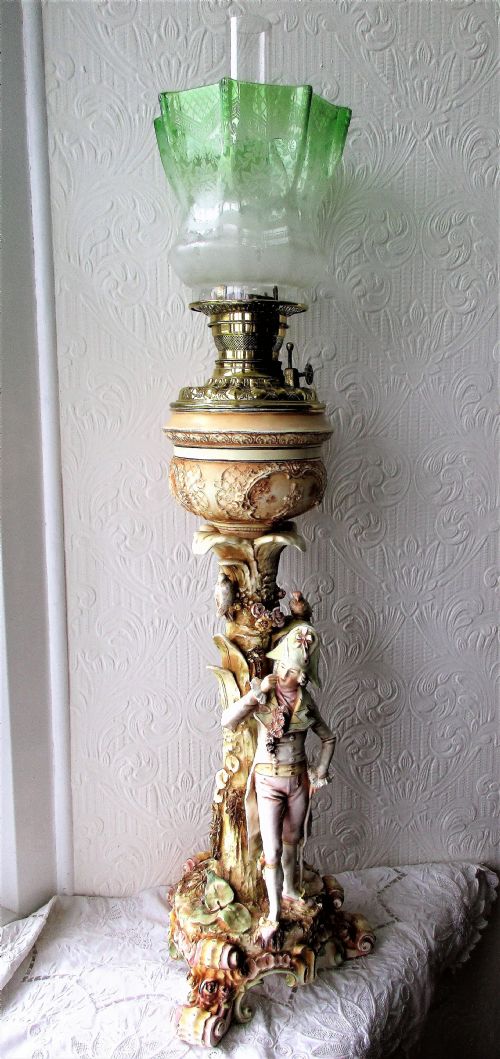
These green glass shade lamp pieces combine brass and coloured glass to bring atmospheric task lighting and period character into a room.
Green Glass Shade Lamp
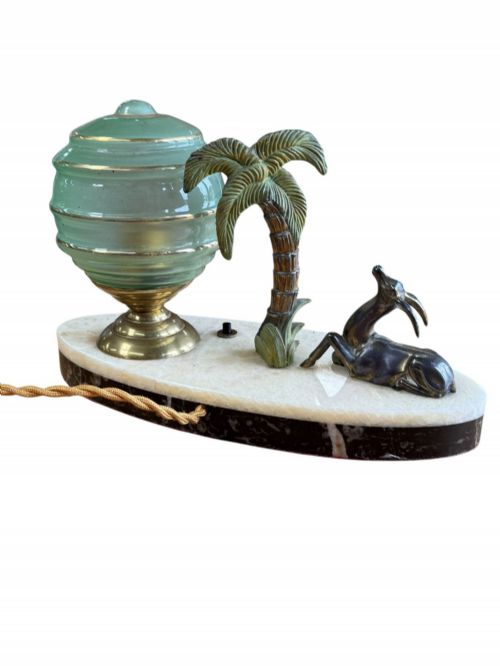
When you search for a green glass shade lamp, you are looking at functional Victorian and early twentieth-century lighting fixtures designed for desks, tables, and ceilings. The pieces seen here span oil lamps, bankers desk lamps, table lamps, and ceiling lights originating from the nineteenth century up through the nineteen-thirties.
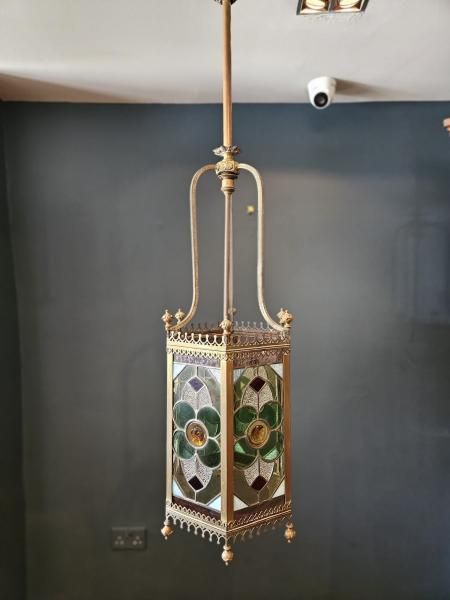
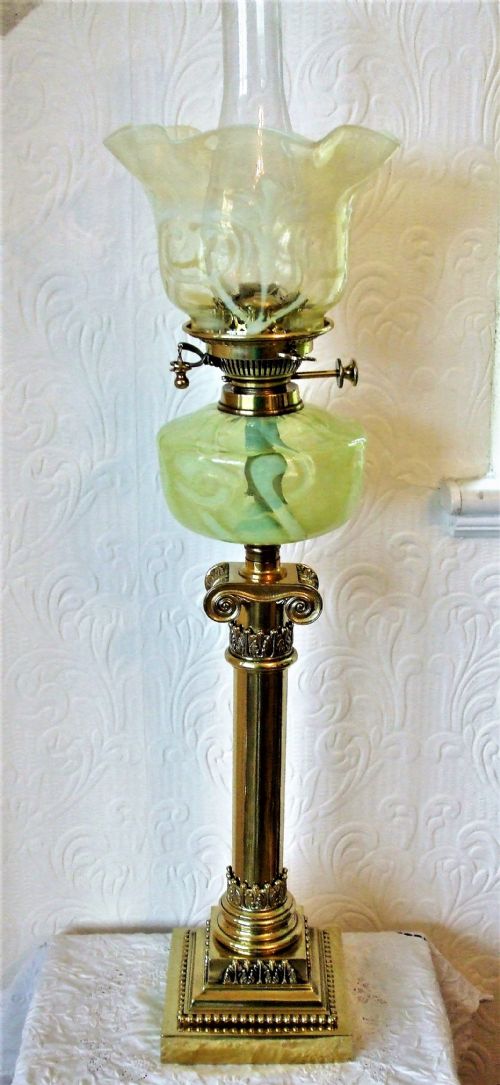
The most common examples you will meet on this page are brass oil lamps fitted with green glass shades or globes, alongside adjustable bankers desk lamps and ceiling lights. These combine sturdy metal bases in brass or ormolu with distinctive green glass components, ranging from pale green oil lamp shades to deep-toned art deco ceiling globes.
How they were made
Makers constructed the bases and columns of these lamps primarily from cast brass, silver plate, marble, or ormolu, utilising metal-working techniques such as turning and casting. Many Victorian and Edwardian examples incorporate heavy brass fittings, swan neck arms, and ionic columns designed to support the weight of the glass safely.
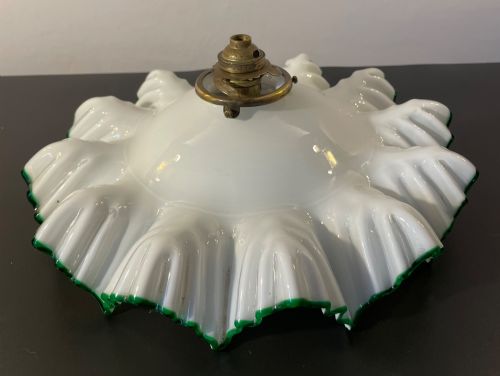
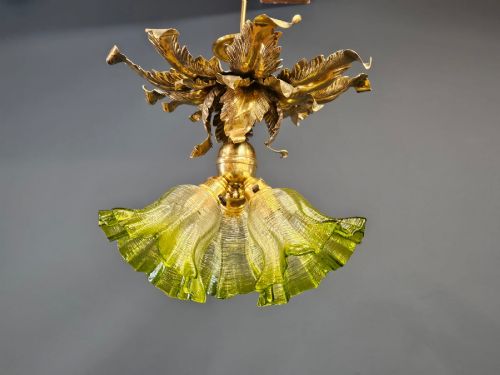
The distinctive green shades and fonts utilise various glass-making methods, including frosted, etched, opaline, satin, and leaded glass. Artisans also produced specialised forms like frilled and tulip-shaped oil lamp globes by blowing and shaping the molten green glass while hot.
The documented periods span the Victorian era, Edwardian period, and nineteen-thirties art deco designs.
What varies in quality
The standard of materials and finishing distinguishes the finer pieces from simpler utilitarian production. Heavy, well-cast brass mountings, crisp chasing on ormolu, and solid marble bases indicate superior manufacturing overheads compared to lighter, pressed-metal alternatives.
Quality also shows in the glass itself, where depth of colour, hand-etched detailing, and the complexity of shaped or frilled rims reveal the skill of the original glasshouse. Original matching fonts and shades demonstrate a higher degree of historical integrity than later assembled combinations.
The Green Glass Shade Lamp Glossary
- Duplex burner
- A double-wick mechanism developed in the nineteenth century to produce a brighter flame in oil lamps. It frequently appears on larger Victorian brass lamps.
- Bankers desk lamp
- A task light featuring a green glass shade designed to reduce glare over paperwork. These typically utilise an adjustable brass stand and a swivelling horizontal shade.
- Peg oil lamp
- A lamp with a font that drops into a separate base or holder rather than forming a single fixed unit. They often pair silver-plated stands with satin glass fonts.
- Opaline glass
- An opaque pale glass used extensively for nineteenth-century lamp shades and globes. It diffuses light softly while retaining a distinct pastel hue.
- Rise and fall ceiling light
- A suspension fixture with a counterweight mechanism that allows the user to adjust the height of the lamp. These often date from the Edwardian period and incorporate brass frames.
Green Glass Shade Lamp: Frequently Asked Questions
How do I operate an old oil lamp?
Most historical oil lamps function by trimming the cotton wick, filling the metal font with paraffin or lamp oil, and lighting the exposed wick beneath the glass chimney.
Modern buyers often choose to leave these converted to electricity for safe daily use in living spaces.
What rooms suit a bankers desk lamp?
The adjustable brass stand and directional green shade make these ideal for home offices, studies, or reading desks where focused task lighting is required.
They also sit comfortably on sideboards or bookshelves as accent lighting in traditional interiors.
How do I date a brass lamp?
Examine the weight of the metal, the style of the burner mechanism, and assembly methods such as threaded rods versus modern fixings. Victorian and Edwardian pieces generally display heavier cast brass components and maker stamps on the wick turners.
Stylistic cues like swan neck arms or ionic columns also point directly to late nineteenth or early twentieth-century design.
Are ceiling lights difficult to install?
These fixtures require standard electrical wiring connection to your ceiling rose, matching any modern ceiling light installation. A qualified electrician should handle the mounting of heavier brass and glass assemblies safely.
Ensure the hanging height suits your room proportions, particularly for rise and fall or frilled shade designs.