



Antique Brass Task Light
An antique brass task light brings focused illumination to a desk or workspace, combining industrial utility with period character.
Antique Brass Task Light
An antique brass task light serves as a functional desk or reading lamp, designed to direct light precisely where required for work or study. These pieces emerge from the nineteenth and early twentieth centuries, spanning periods such as the Edwardian era, Art Deco, and Arts and Crafts movements.
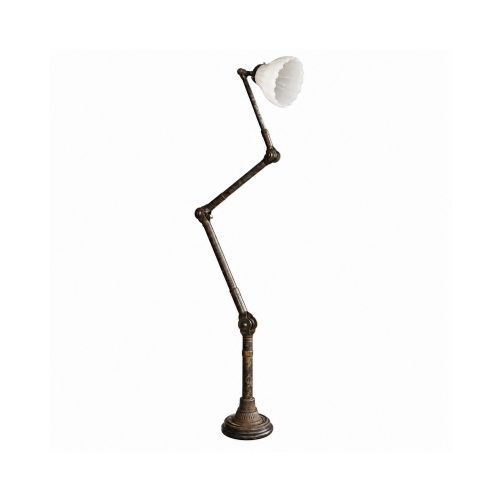
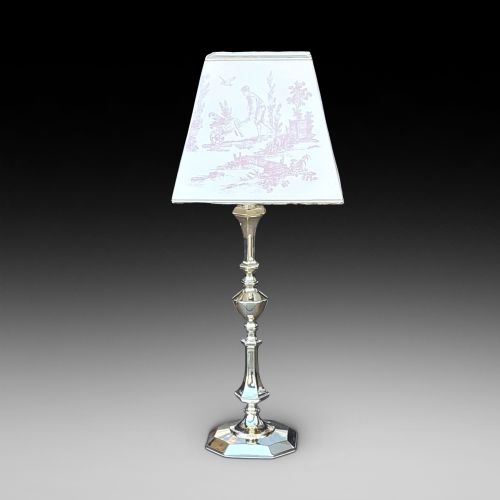
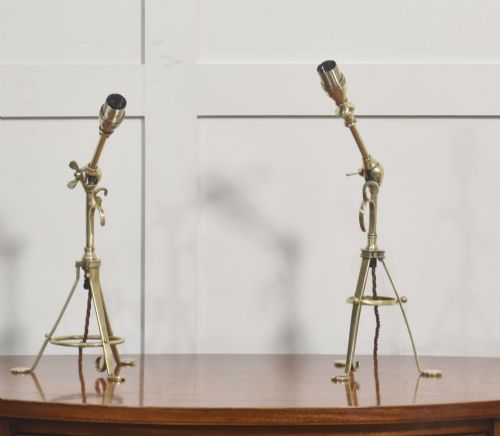
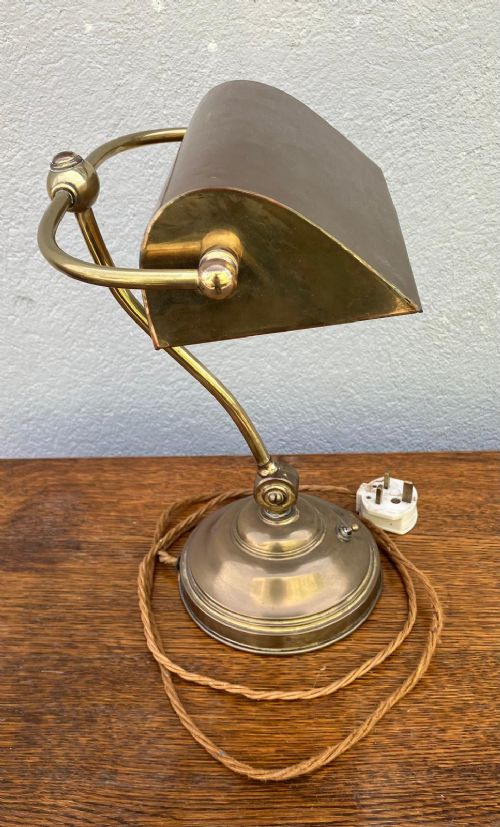
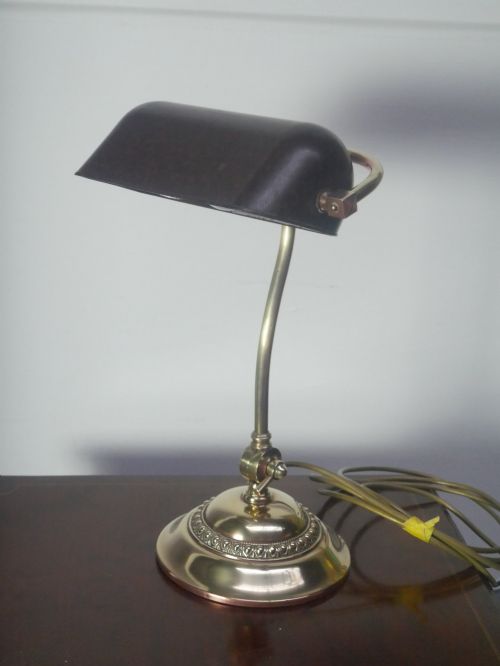
The version most commonly met on this page is the adjustable desk lamp or bankers lamp, frequently fashioned from brass with pivoting arms or swan neck stems. Examples often incorporate shades made of glass, opaline, or toleware, alongside specialised forms like Pullman and bouillotte lamps.
Makers and designers of the period utilised varied metals including bronze, patinated copper, and ormolu alongside solid brass. Origins range from English workshops to French studios and Dutch schools, reflecting diverse aesthetic movements from Art Nouveau to functional industrial design.
Distinctions in quality
Quality resides in the weight of the metal casting, the precision of the joints, and the durability of the adjustable mechanisms. Superior pieces maintain their position securely without drooping, while lesser examples exhibit loose articulation or thin, lightweight gauge brass.
Design integrity and originality of components further separate standard items from finer examples. The inclusion of period-correct glass shades, patinated copper details, and signed or attributed workshop styling marks the upper tier of the selection.
Antique Brass Task Light Retail Price Guide 2026
Typical asking prices for brass task light among the pieces listed under this phrase on Sellingantiques today, from the lower quarter to the upper quarter. They describe what is for sale here now, not the wider market.
Listings feature adjustable desk lamps and reading lights from the nineteenth century through the Art Deco period, utilising brass, bronze, copper, and glass.
W.A.S. Benson
The Antique Brass Task Light Glossary
- Task light
- A lamp specifically designed to illuminate a working area, such as a desk, table, or reading nook.
- Swan neck
- A curved upper stem resembling a swan's neck, allowing the lamp head to extend over a workspace.
- Pullman lamp
- A compact lighting fixture originally designed for use in railway carriages or tightly spaced cabins.
- Opaline glass
- A milky, semi-translucent glass commonly used for shades to diffuse light evenly.
- Bouillotte lamp
- A traditional table lamp featuring a central shaft and an adjustable shade, often with multiple candle-style arms.
Antique Brass Task Light: Frequently Asked Questions
How do I adjust an antique task light?
Many of these lamps use mechanical swivel joints, counterweights, or pivoting swan neck stems to alter the angle of the light. Adjustments should be made gently by supporting the joints rather than forcing the metal arms.
Over-tightening screws can strip threads in older brass, so maintain moderate tension to keep the shade in the desired position without straining the vintage metalwork.
Were these lamps used for reading?
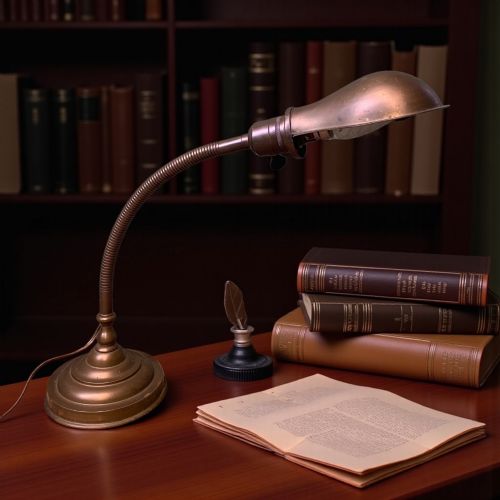
Yes, student reading lamps and adjustable desk lights were specifically engineered to cast direct light onto books and documents. The directional shades kept glare out of the reader's eyes.
Different models suited various workspaces, from Notary lamps on legal desks to bankers lamps in financial institutions and bouillotte lamps in drawing rooms.
How do I identify an Edwardian desk lamp?
Edwardian pieces typically date from the early twentieth century and display refined brass construction, often paired with opaline, cranberry glass, or green glass shades. Their aesthetic balances Victorian utility with simpler, cleaner Edwardian lines.
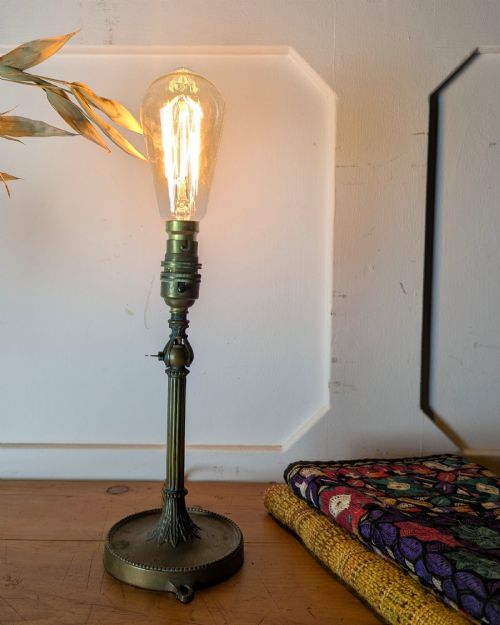
Look for standard period markers such as weighted circular bases, maker attributions where present, and traditional switch mechanisms integrated into the brass stem.
What is an Amsterdam School table lamp?
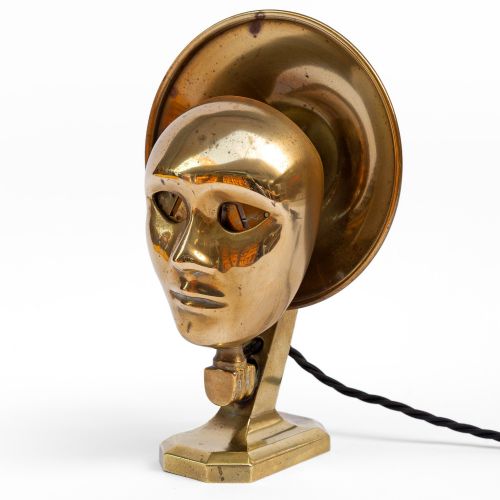
The Amsterdam School style emerged in the early twentieth century, characterised by expressive brickwork, dynamic forms, and rich metal combinations such as brass and patinated copper. These lamps display sculptural qualities distinct from standard industrial designs.
Such pieces often feature unusual geometric bases and dark, warm metallic patinas that reflect Dutch architectural trends of the period.