


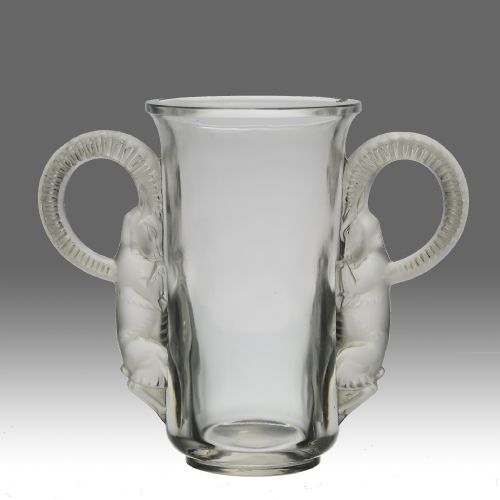


Antique Lalique Vase
An antique lalique vase brings twenty-century French glass into a room through moulded forms and opalescent finishes.
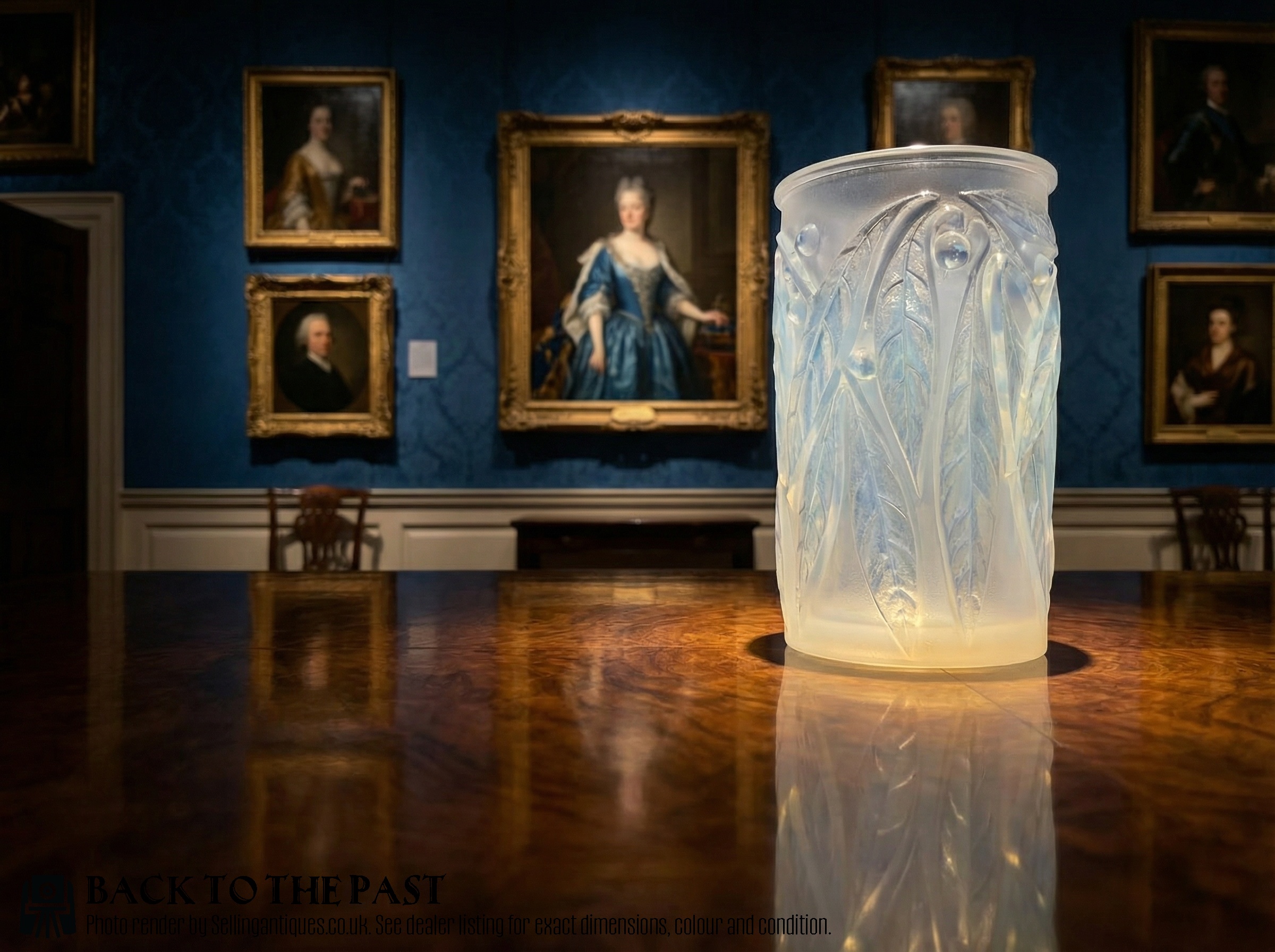
Antique Lalique Vase
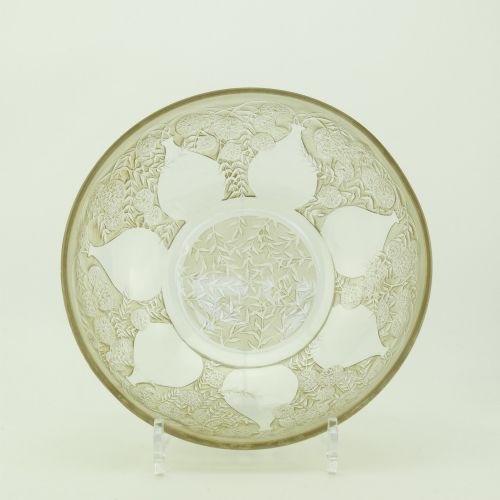
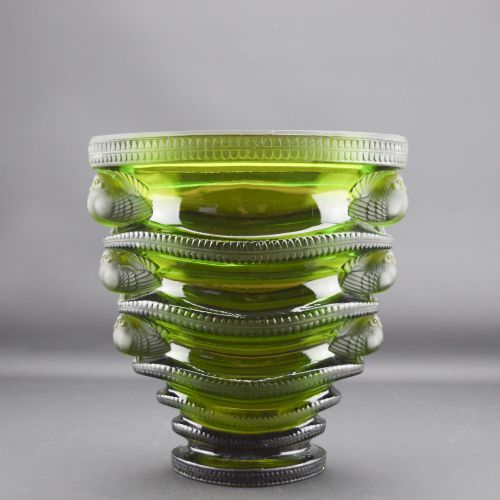
An antique lalique vase is a moulded glass vessel shaped during the Art Deco period, usually bearing natural motifs like birds, flowers, and leaves. Collectors searching this phrase encounter named designs such as Ceylan, Thibet, and St Francois, which take the form of vases or decorative bowls. These objects date predominantly from the nineteen-twenties and nineteen-thirties, reflecting the height of René Lalique's glassworks production.
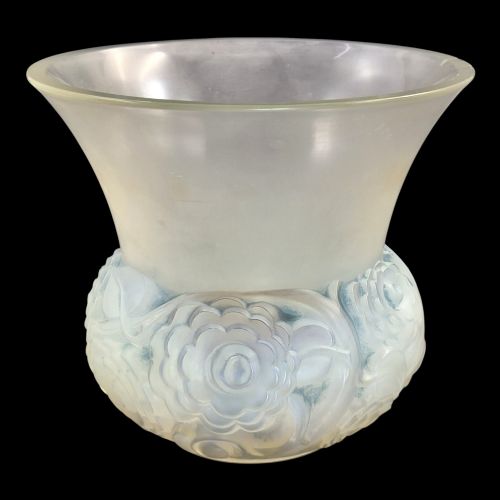
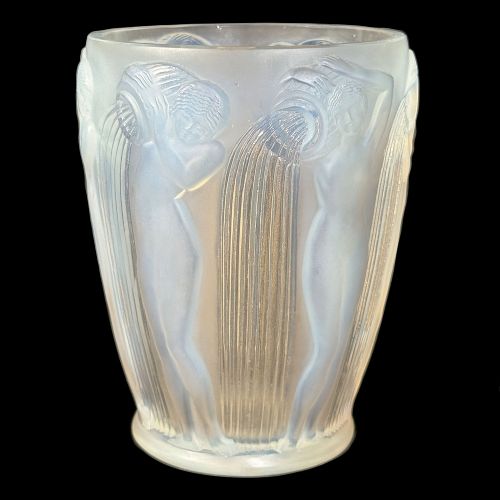
The versions most commonly met on this page employ opalescent glass that catches light by shifting between milky white and pale blue tones. Clear glass and frosted glass examples also appear, sometimes enhanced with enamel stain to define the botanical or avian subjects. Each piece displays the sculptural relief modelling characteristic of French decorative art from this era.
How they were made
Moulded glass forms the foundation of these vessels, shaped while hot to capture high-relief ornamentation on the exterior surfaces. Molten material fills metal moulds that imprint intricate plant and animal details directly onto the body of the vase.
Opalescent glass creates the signature optical effects through specialised chemical additives within the batch during melting. Frosted surfaces and enamel stain are applied afterward to create contrast between the polished highlights and the textured background depths.
Listings show pieces from the nineteen-twenties and nineteen-thirties utilising opalescent, frosted, pressed, and clear glass with enamel stain.
What varies in quality
Quality in an antique lalique vase rests upon the crispness of the moulded relief and the depth of the opalescent effect within the glass. Superior examples exhibit sharp botanical or figurative details where every leaf and feather remains distinct from the ground.
The handling of colour staining and surface frosting further separates pieces, with finer items showing precise placement that accentuates the sculptural contours without obscuring the material's translucency.
René Lalique·R Lalique
The Antique Lalique Vase Glossary
- Opalescent Glass
- Glass that appears milky or blueish when lit from the front and amber when lit from behind. This optical property defines many key works from the period.
- Moulded Glass
- Glass shaped by pressing molten material into a metal or iron form. This technique allows for repeatable, high-relief decorative patterns.
- Frosted Glass
- Glass treated to have a matte, textured surface finish rather than a transparent polish. It diffuses light and highlights the surrounding clear areas.
- Enamel Stain
- Coloured pigment applied to glass recesses to emphasise design lines. It contrasts against the neutral body of the vessel.
- Art Deco
- The dominant design style of the nineteen-twenties and nineteen-thirties characterised by stylized motifs and symmetrical geometric forms. It influences the overall aesthetic of these objects.
Antique Lalique Vase: Frequently Asked Questions
What is an antique lalique vase?
An antique lalique vase is a moulded glass vessel produced in France during the early twentieth century under the direction of René Lalique. These pieces display Art Deco styling and often incorporate botanical or animal subjects.
The items found in these listings primarily date from the nineteen-twenties and nineteen-thirties, representing classic periods of French decorative glass design.
How do I identify periods?
Differentiating periods relies on observing stylistic markers associated with the nineteen-twenties and nineteen-thirties, such as specific named vessel designs and manufacturing techniques. The integration of opalescent glass and moulded relief points directly to these decades.
Studying the specific botanical titles helps place pieces within the active production timeline of the glassworks.
How were these vases used?
These vessels served primarily as decorative interior objects and centrepieces within homes during the Art Deco era. Their sculptural forms allowed them to function as standalone works of art.
Some variations, such as larger bowls and named vase models, accommodated floral displays while maintaining their prominent decorative role.
How do I live with one?
Living with these glass objects involves placing them where natural or artificial light can pass through the material to activate the opalescent qualities. Positioning them away from busy backgrounds allows the moulded relief details to stand out clearly.
Regular gentle dusting maintains the frosted and clear surfaces without requiring complex maintenance routines.
What styles are included?
The primary style represented among these pieces is Art Deco, which emerged strongly in the early twentieth century. This aesthetic favours stylized natural forms and structured symmetry.
Pieces reflect French design sensibilities from the interwar period through their distinct use of frosted and opalescent glass.