


French Opalescent Vase
These french opalescent vase examples catch the light with milky blue fires, bringing tactile French glassmaking straight to your room.
French Opalescent Vase
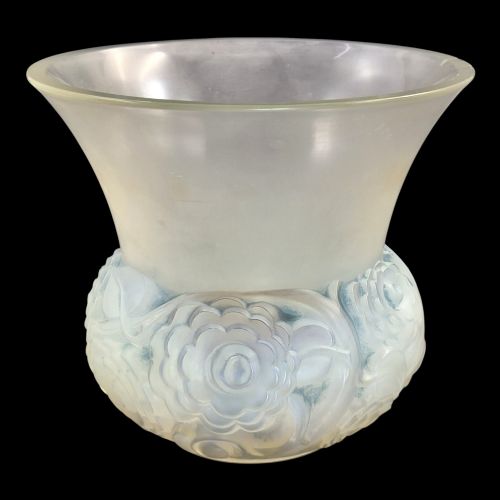
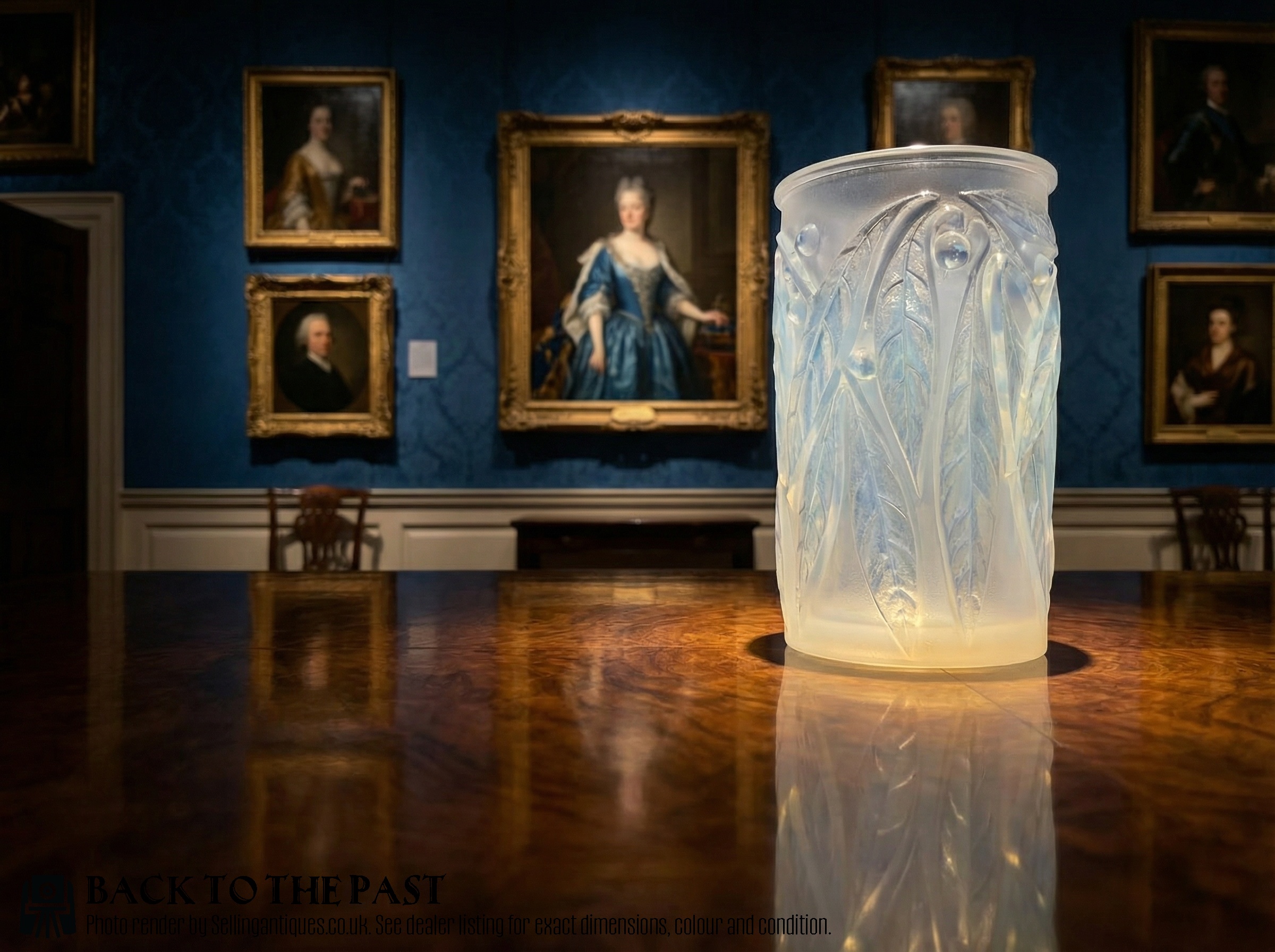
A french opalescent vase is a decorative glass vessel designed to display milky, translucent tones that shift between pale blue and warm amber when turned in the light. When you search for this phrase, you enter a world of moulded and blown glass that captures the aesthetic of early twentieth-century design. The pieces you meet most often on this page belong to the Art Deco period, alongside earlier Victorian and Art Nouveau expressions.
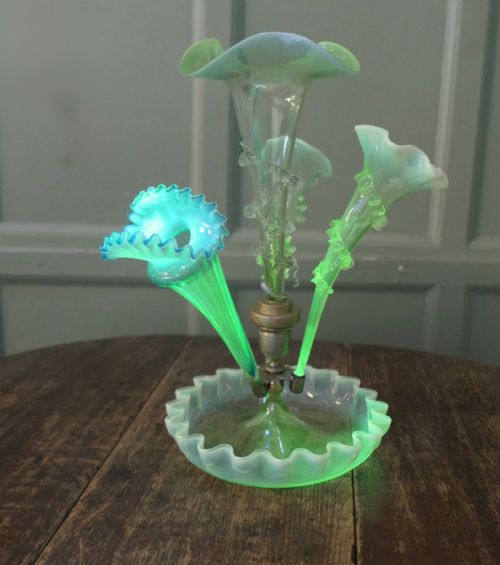
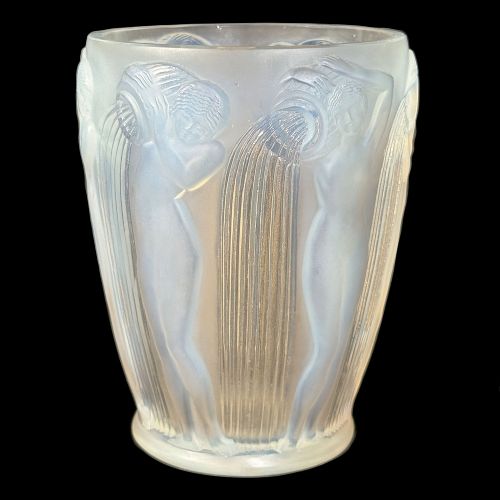
Makers shaped these objects into various forms, ranging from simple cylindrical vessels to elaborate centrepieces featuring animal motifs, botanical reliefs, and water carriers. Alongside standard vases, the selections span multi-trumpet epergnes and banjoshaped vessels designed to command attention on a table. Each piece relies on glass chemistry to create the signature milkiness that defines the category.
How they were made
Makers utilised opalescent glass, frosted glass, and pressed glass techniques to achieve the distinctive milky translucence and tactile surface relief. By adding bone ash or other agents to the molten batch, artisans created a glass that reacts to light by glowing blue from certain angles and amber from others. Cameo glass methods and hand blowing further expanded the range of textures available to the glassmaker.
Artisans often combined the primary glass body with mounts or structural elements in brass, chrome, or crystal to complete the composition. Some pieces received additional blue staining to accentuate the moulded details, highlighting the intricate floral and animal motifs pressed into the sides. Every technique served to emphasise the interplay between shadow, light, and milky opacity.
Several vessels feature three trumpets or leaping fish, proving that early glassmakers liked their flowers held by glass rams and water carriers.
What varies in quality
The distinction between ordinary and exceptional work rests on the crispness of the moulded relief and the intensity of the opalescent fire within the glass. Superior pieces display deep, sharply defined botanical or figurative details that catch the ambient light without blurring into the surrounding surface. The depth and subtlety of the milky blue glow also distinguish finer examples from flat or lifeless alternatives.
The harmony of the design and the purity of the glass material dictate the overall success of the piece. Makers who achieved a balanced translucency without heavy cloudiness produced vessels that retain their visual intrigue across changing lighting conditions. Quality resides in how successfully the glass body captures movement and depth.
René Lalique·Galle·Pierre D'Avesn·Sabino·Julien Glass
The French Opalescent Vase Glossary
- Opalescent Glass
- Glass that diffuses light to display a milky, bluish appearance by transmitted light and a warm amber hue by reflected light. This optical property forms the foundation of the entire category.
- Epergne
- A large table centrepiece featuring multiple branching trumpets or holders for fruit and flowers. These structures often incorporate matching glass horns.
- Cameo Glass
- Vessels created by casing glass in two or more distinct layers and carving away the outer strata to reveal a contrasting design. This technique requires considerable skill.
- Pressed Glass
- Glass shaped by being pressed into a metal mould using a plunger, allowing for complex relief patterns. It enabled the mass production of detailed decorative objects.
- Frosted Glass
- Glass treated to have a textured, matte surface that diffuses light evenly. It contrasts sharply with polished transparent areas on the same vessel.
French Opalescent Vase: Frequently Asked Questions
How do I spot a true French piece?
Authentic examples often carry signatures, moulded marks, or stylistic traits associated with known French glassworks from the early twentieth century. Examining the weight, clarity, and optical reaction of the glass provides further clues to origin.
Look closely at the execution of the relief work and the specific tone of the opalescence. French makers mastered a delicate milkiness that sets their production apart from later imitations.
What styles dominate these listings?
Art Deco designs form the majority of the selections, featuring geometric precision alongside stylised floral and animal motifs. Earlier Victorian and Art Nouveau pieces also appear with distinct moulding.
These stylistic shifts reflect the evolving tastes of twentieth-century glasshouses. Each period brought different priorities to the treatment of light and surface texture.
Where should I display my vase?
Place your vessel near a natural light source to activate the milky blue and amber shifts inherent in opalescent glass. Windowsills or well-lit tabletops allow the material to display its optical qualities fully.
Avoid dark corners where the subtle tones of the glass might disappear. Proper illumination reveals the intricate details of the moulded relief.
Are these pieces fragile?
Like most antique glassware, these objects require careful handling and stable placement to prevent accidental chips or cracks. The pressed and blown structures demand respect during cleaning and repositioning.
Keep them away from high-traffic edges where they might be knocked over. Gentle washing with lukewarm water maintains the surface without harsh chemicals.