
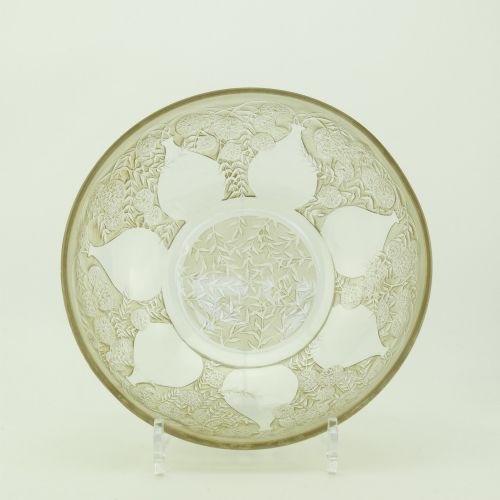


1920s Rene Lalique Vase
A 1920s rene lalique vase brings high Art Deco glasswork into a room, offering opalescent surfaces and naturalistic relief that collectors prize.
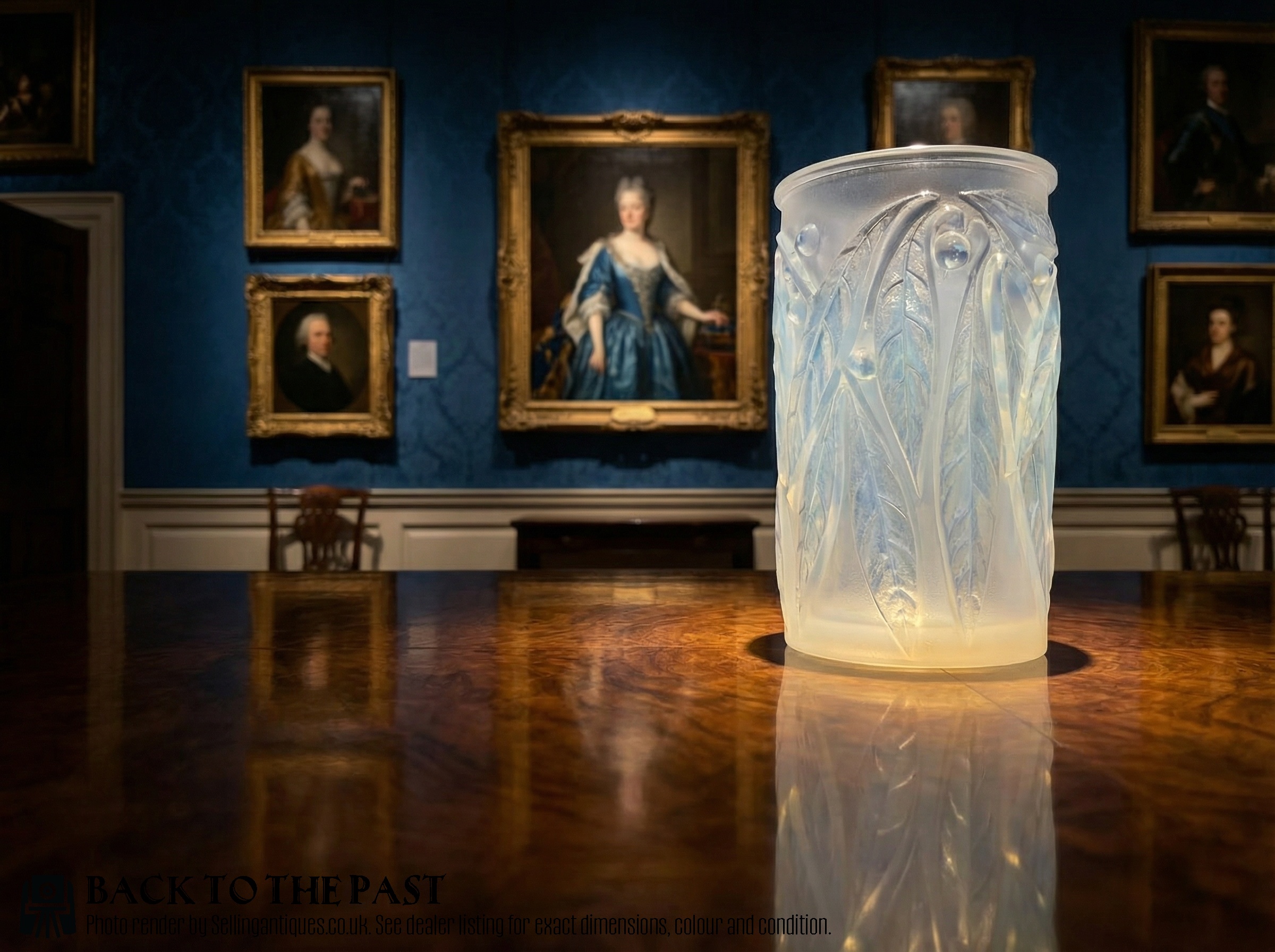
1920s Rene Lalique Vase
When you search for a 1920s rene lalique vase, you encounter moulded glass vessels that embody the Art Deco aesthetic through botanical and animal motifs. The selections on this page comprise distinct forms such as the Ceylan, Beliers, Acacia, and Guirlande de Roses models, alongside decorative bowls.
These pieces showcase the signature artistic output of the period, utilising press-moulded and clear glass techniques. Buyers frequently meet opalescent finishes enhanced by blue patina or stained glass details that catch the light from different angles.
Materials and construction
Makers utilised press-moulded and frosted glass to achieve high relief and tactile depth on each vessel. Opalescent glass shifts in tone between warm amber and cool blue depending on the ambient light.
Surface details were often highlighted with blue patina or staining to accentuate the carved plant and animal forms. This combination of glass chemistry and mechanical pressing defined the production methods of the era.
Ram heads and thorny acacia branches keep eternal company inside glass cabinets.
Distinctions in quality
Quality rests in the crispness of the moulded relief and the depth of the opalescence within the glass. Superior examples retain their original surface patination and show precise definition in intricate botanical details such as leaves and berries.
The complexity of the form and the success of the optical effects distinguish finer artistic achievements from standard production pieces. Stronger specimens display a vivid interplay of translucent and milky tones across the entire body.
René Lalique
The 1920s Rene Lalique Vase Glossary
- Opalescent Glass
- Glass containing agents that cause it to milky-white with an appearance of fire or blue highlights when lit from the side. This optical effect is central to many Art Deco designs.
- Frosted Glass
- Glass treated to achieve a matte, non-reflective surface texture by acid etching or sandblasting. It provides contrast against clear or polished sections.
- Press-Moulded Glass
- Glass formed by pressing molten material into a metal mould using a plunger. This technique allowed for repeatable high-relief decoration.
- Patina
- Coloured pigment or staining applied to the recessed areas of moulded glass to highlight the design. Blue patina is frequently encountered on period vessels.
- Art Deco
- The prevailing design style of the 1920s characterised by sleek geometric lines and stylised natural motifs. It heavily influenced decorative arts and glassware.
1920s Rene Lalique Vase: Frequently Asked Questions
What defines a 1920s rene lalique vase?
These vessels combine Art Deco styling with moulded glass techniques, featuring characteristic botanical or animal motifs in relief.
They often incorporate opalescent effects and coloured patinas to create striking visual depth.
How do I display these vases?
Place them where natural light can pass through the body to activate the opalescent qualities and highlights.
Keep them away from direct edges or high-traffic areas to protect the delicate frosted and moulded surfaces.
What motifs appear on these pieces?
Common decorative themes draw from nature, including rams, foliage, berries, and floral garlands such as roses and acacia.
These subjects reflect the organic inspirations translated into strict geometric and symmetrical Art Deco arrangements.
Are bowls included with vases?
Certain listings feature large bowls, such as the Coupe vases and Coquilles models, alongside traditional vessel forms.
These pieces share the same press-moulded glass construction and opalescent finishes as the tall vases.