
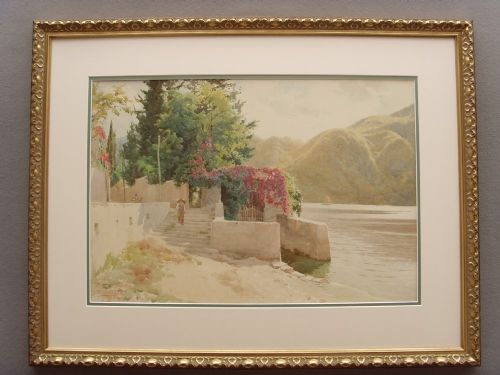


Antique Lake Painting
An antique lake painting captures serene expanses of water and rugged shores, drawing collectors who appreciate historic landscape artistry.
Antique Lake Painting
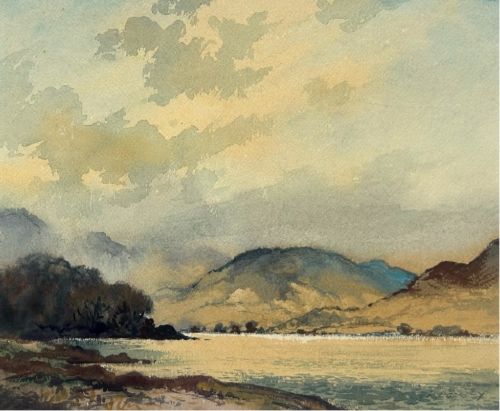
An antique lake painting depicts inland bodies of water, ranging from quiet English tarns to sweeping Alpine vistas and Scottish lochs. These works span the eighteenth, nineteenth, and early twentieth centuries, reflecting changing landscape aesthetics across European and British schools.
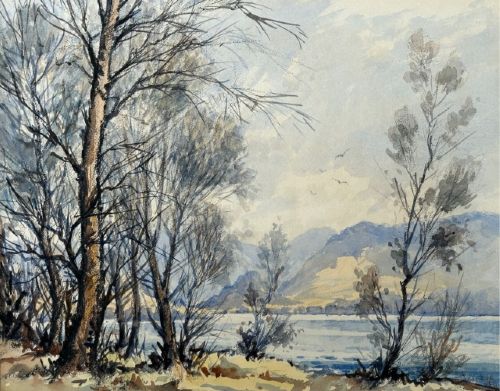
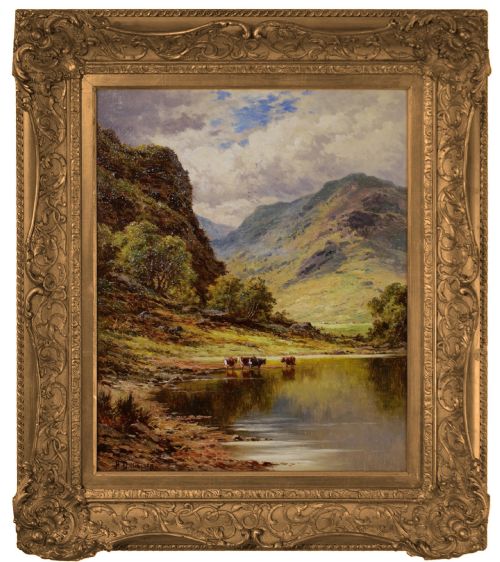
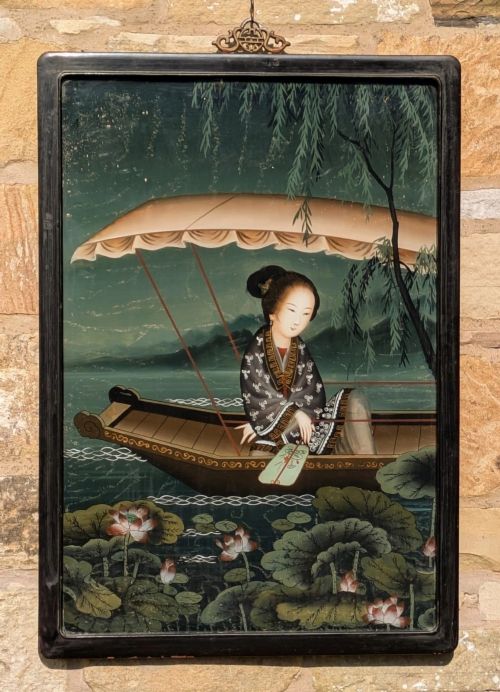
The selections on this page feature traditional oil on canvas, delicate watercolour paintings, and reverse paintings on glass. Collectors encounter framed topographical views, romantic moonlight scenes, and impressionist interpretations by named artists and regional schools.
How They Were Made
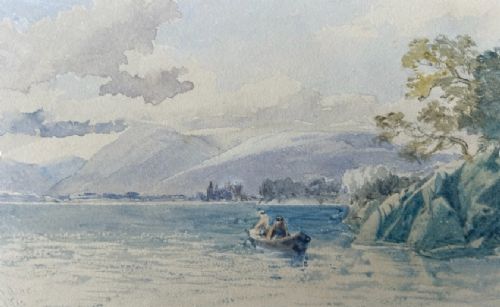
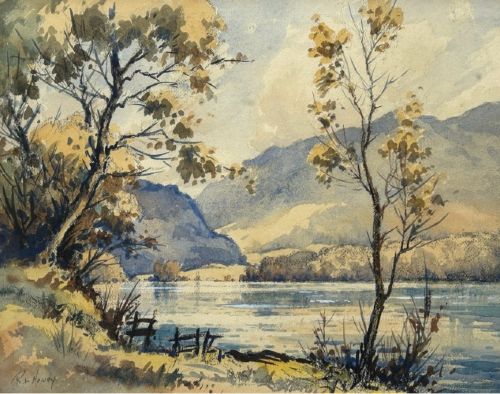
Artists built compositions using oil paint on stretched canvas or wooden boards, often applying gesso grounds to prepare the surface for fine brushwork. Watercolour paintings on paper utilise washes of pigment to capture atmospheric light over water, occasionally finished with ink line details.
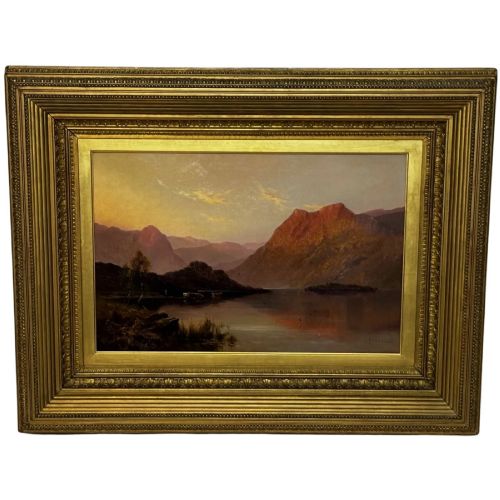
Framing forms an integral part of these pieces, utilising moulded giltwood or carved wooden surrounds that complement the period of the artwork. Specialised techniques such as reverse painting on glass require meticulous hand application behind a protective transparent pane.
Several lake views sneak in miniature painted swans, tiny fishermen in wooden boats, and distant grazing sheep.
What Varies in Quality
The strength of composition and the artist's ability to render natural light determine the distinction between standard topographical records and exceptional works. Superior pieces demonstrate confident brushwork, nuanced colour palettes, and atmospheric depth that draw the viewer directly into the landscape.
The preservation of the original surface and the quality of the period framing significantly influence the overall standing of a piece. Intact watercolours retain their original pigment vibrancy without heavy fading, while oil paintings show stable canvas tension and minimal craquelure.
Thomas Miles Richardson Jnr·Alfred de Breanski Snr·Thomas Bush Hardy·William Green·W T Longmire
The Antique Lake Painting Glossary
- Gesso
- A plaster-like material applied to canvases or panels to create a smooth, stable surface for oil painting. It provides a bright white ground that enhances the luminosity of subsequent paint layers.
- Giltwood
- Wood that has been coated with a thin layer of gold leaf or gilt paint, commonly used for decorative antique picture frames. This finish adds reflective warmth and ornamental elegance to the display.
- Topographical
- A style of art focused on the accurate representation of specific real-world locations, such as particular lakes, mountains, or valleys. These works serve as both historic visual records and artistic interpretations.
- Craquelure
- The fine network of minute cracks that develops across the surface of older oil paintings as the paint film ages and hardens over decades. It is a natural marker of age rather than a structural fault.
- Watercolour
- A painting method where natural pigments are suspended in a water-soluble binder and applied to paper surfaces. The technique relies on translucent washes to create luminous effects of light and water.
Antique Lake Painting: Frequently Asked Questions
How should I display antique paintings at home?
Hang these works away from direct sunlight and excessive humidity to protect fragile watercolours and oil pigments from fading or deterioration. Traditional giltwood frames benefit from stable indoor environments without sudden temperature shifts.
Ensure wall fixings securely support the weight of heavy framed canvases or glass-fronted watercolours to prevent accidental slips or structural strain.
How can I tell the period of a lake painting?
Examine the framing style, canvas preparation materials, and any artist signatures or inscriptions recorded on the reverse of the work. Stylistic clues, such as nineteenth-century romanticism or early twentieth-century impressionism, also point toward specific decades.
Documentation, labels, and framing construction often provide reliable clues to narrow down the date of creation alongside known biographical dates of the artist.
What is the difference between oil and watercolour lake art?
Oil paintings utilise heavy pigments suspended in drying oils on canvas or board, offering rich textures and deep colour layering. Watercolours employ water-soluble paints on paper, resulting in lighter, more translucent depictions of light and atmosphere.
Watercolour paintings typically require protective glass framing to prevent moisture damage, whereas oil paintings on canvas remain open to the air.