



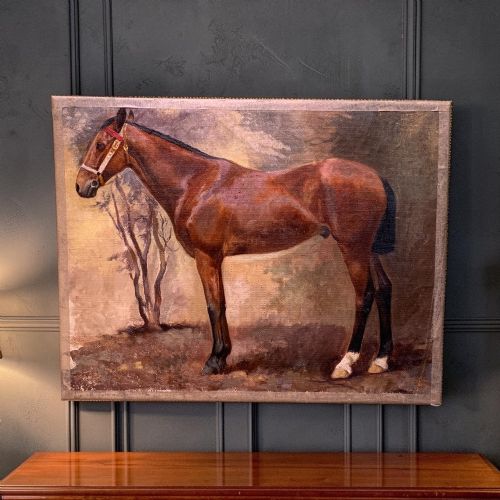


Vintage Oil Wall Painting
When you search for vintage oil wall painting, you are looking for framed canvases and panels holding pigment bound in oil, carrying landscapes, portraits, and still lifes across centuries.
Vintage Oil Wall Painting
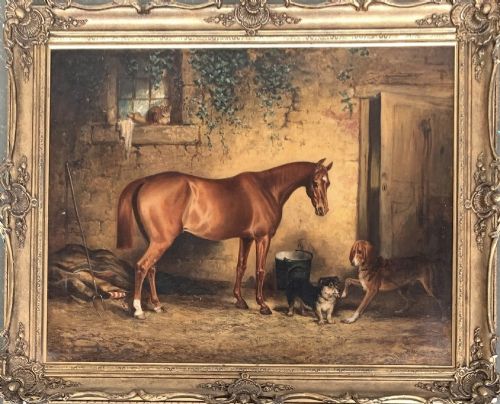
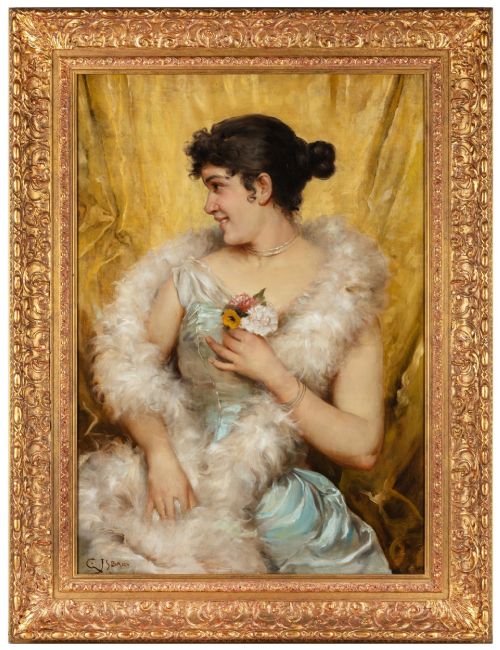
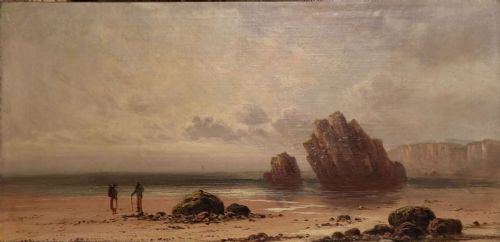
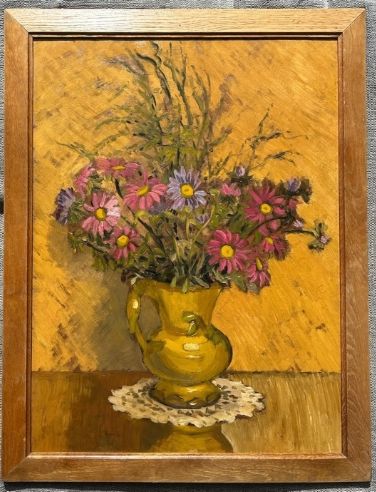
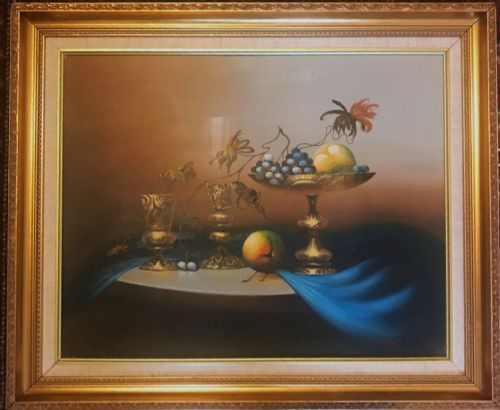
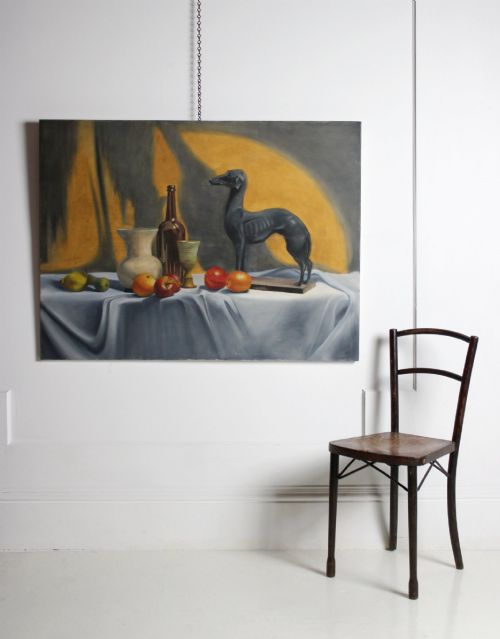
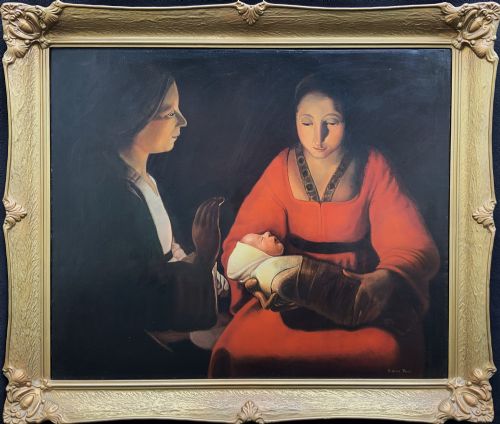
A vintage oil wall painting search covers works executed in oil paint upon supports such as canvas, wood panel, board, and vinyl canvas. The subjects range widely, taking in British and Scottish landscapes, maritime scenes, equine and domestic animal portraits, floral still lifes, and human figures.
You will encounter pieces originating from the eighteenth, nineteenth, and twentieth centuries, encompassing styles from Victorian realism and Edwardian impressionism to mid-century modern and post-war British art. Formats include individual framed works, pairs, and occasional wall mirrors housed in decorative surrounds.
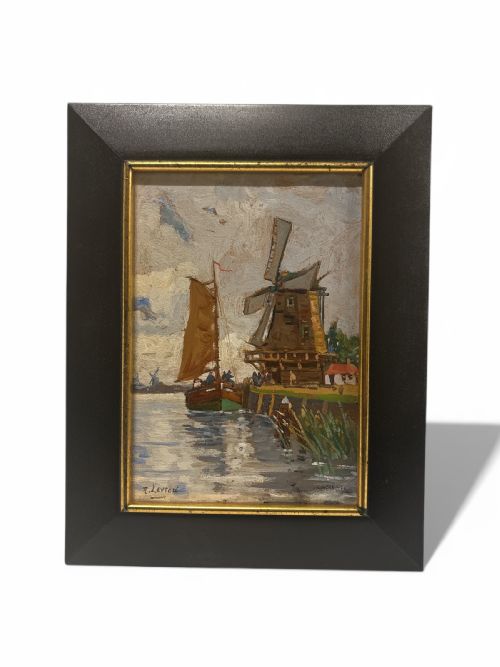
Works on this page stretch from early eighteenth-century classical portraiture to mid-twentieth-century coastal views painted en plein air. The selection balances historical portrait studies with rural vistas and maritime accounts captured by named and unsigned hands.
Materials and construction methods
Artists built these works using oil paint applied to woven canvas, rigid wood panels, or composition boards, sometimes employing heavy impasto techniques to build texture on the surface. Supports were frequently prepared with grounds before the application of pigment, allowing colours to retain their depth over decades.
Frames play a structural and aesthetic role, with many period pieces housed in original wood or gilt gesso frames that complement the composition. The physical interaction between the oil medium and its wooden or textile backing dictates the stability and ageing pattern of each piece.
The listings span the eighteenth, nineteenth, and twentieth centuries, incorporating materials like gilt wood, canvas, and oil paint across various styles.
Assessing the quality of works
Quality rests in the surety of the brushwork, the balance of the composition, and the fidelity with which light and atmosphere are rendered across the subject. A superior hand demonstrates control over tonal values and spatial depth, whether depicting a turbulent marine storm or a quiet floral still life.
The integrity of the physical support and the preservation of the original paint layer distinguish finer examples. Works retaining their period frames without extensive overpainting or structural compromise offer a more complete historical record.
Kenneth Cozens·Jozsef Molnar·R Leyton·Georges de La Tour·William H Myers·Tom Campbell·Dumini Leopoldo·Eugène-Louis Gillot·Robert Heinrich·William McAlpine·Reginald Arthur Borstel·Sidney A Court·Cornelis Van Der Voort·Edward Mills·Kershaw Schofield·George Houston·Herbert Royle
The Vintage Oil Wall Painting Glossary
- Oil on Canvas
- A traditional painting method utilising pigments suspended in a drying oil, applied directly to a stretched woven fabric support. This combination allows for rich blending and textured applications.
- Impasto
- A technique where paint is laid onto a canvas or board in thick layers that stand out visibly from the surface. It adds tactile dimension and captures light dynamically.
- Board
- A rigid flat substrate used instead of canvas, common in twentieth-century outdoor and studio painting. It provides a stable, non-flexing surface for oil pigments.
- Gilt Gesso
- A surface preparation material composed of plaster or chalk mixed with glue binder, coated in gold leaf to form ornate picture frames. It was widely used in nineteenth-century framing.
- En Plein Air
- The nineteenth-century practice of painting outdoors to capture direct observations of natural light and weather. These works often show spontaneous brushwork.
Vintage Oil Wall Painting: Frequently Asked Questions
How do I care for an oil painting at home?
Keep oil works away from direct sunlight and steady humidity levels to prevent cracking in the paint layer. Dust the surface and frame gently with a dry, soft brush without applying liquid cleaners.
Avoid hanging pieces above active heat sources or in damp rooms where moisture can affect the wood panel or canvas backing.
What is the difference between canvas and board?
Canvas is a flexible woven fabric stretched over a wooden frame, offering slight give under the touch. Board is a rigid, inflexible flat material that provides a solid backing for the paint.
Both supports have been used across centuries, with boards becoming particularly prevalent during the twentieth century for smaller outdoor studies.
Are these paintings supplied with their original frames?
Many pieces retain their period frames, such as gilt gesso or moulded wood surrounds dating from the nineteenth or early twentieth century. These housings were often chosen specifically to complement the palette and style of the artwork.
Listing details will specify whether a work includes its period frame or has been framed more recently.