





Antique Lacquer Serving Tray
An antique lacquer serving tray brings both robust utility and hand-painted decorative art directly to a table or stand.
Antique Lacquer Serving Tray
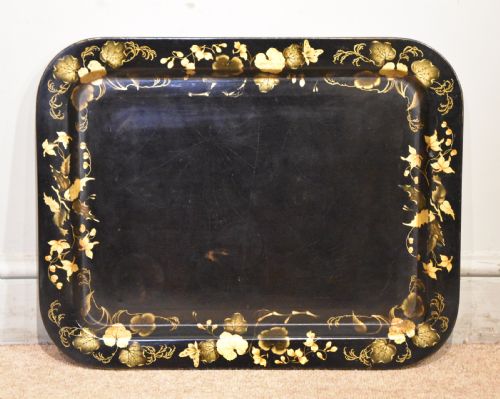
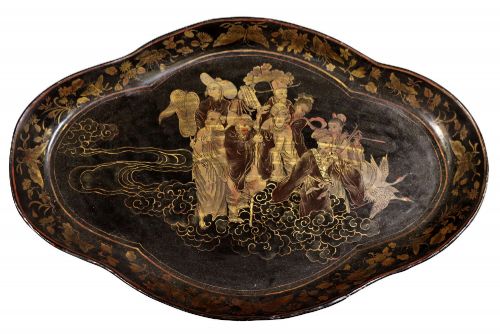
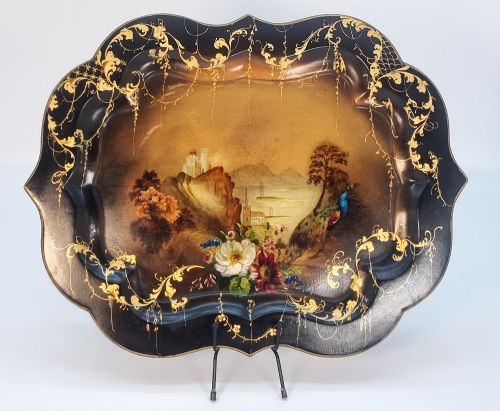
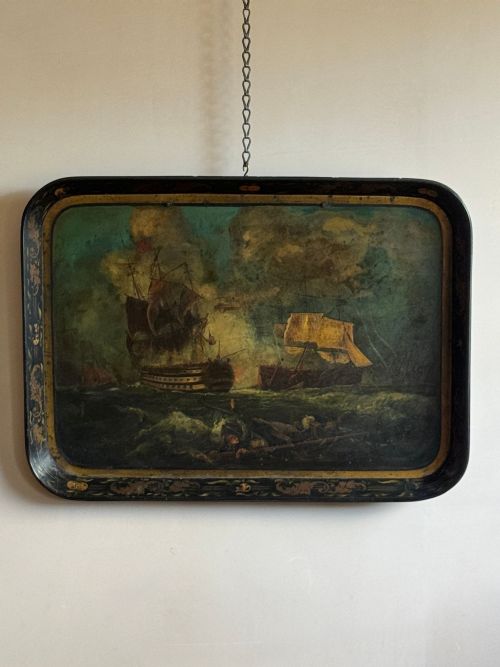
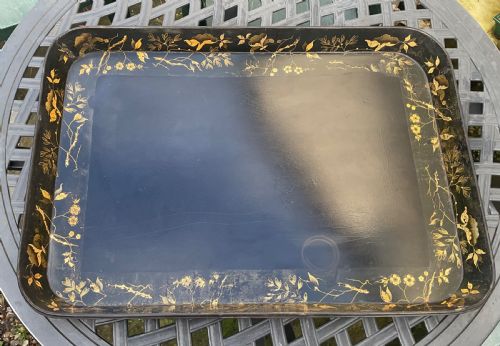
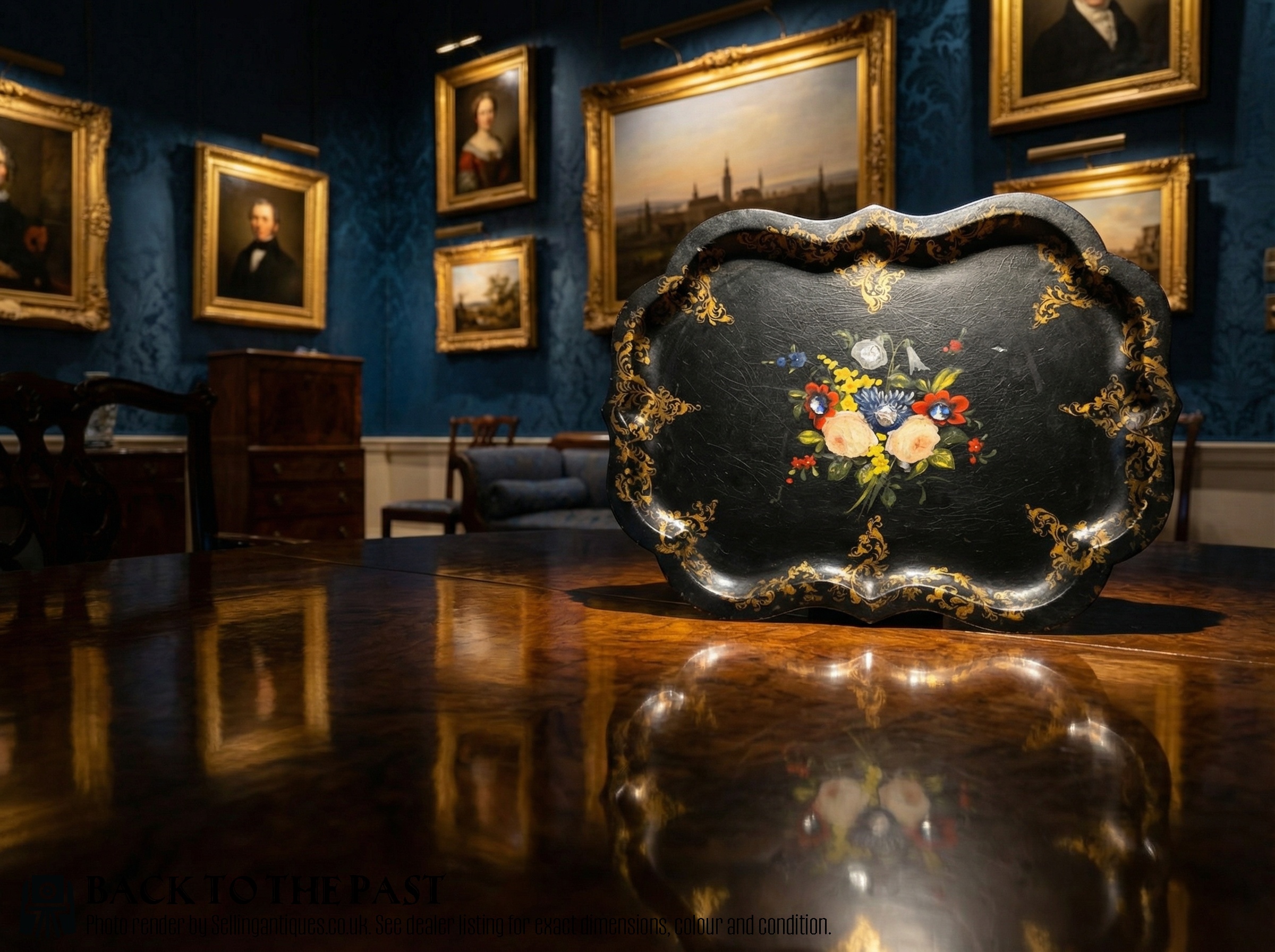
When you search for an antique lacquer serving tray, you encounter a refined domestic utility piece primarily built from papier-mâché, wood, or toleware across the Georgian, Regency, and Victorian periods. These pieces range from simple functional servers to elaborate display platters, often decorated with Chinoiserie scenes, floral motifs, or hunting landscapes.
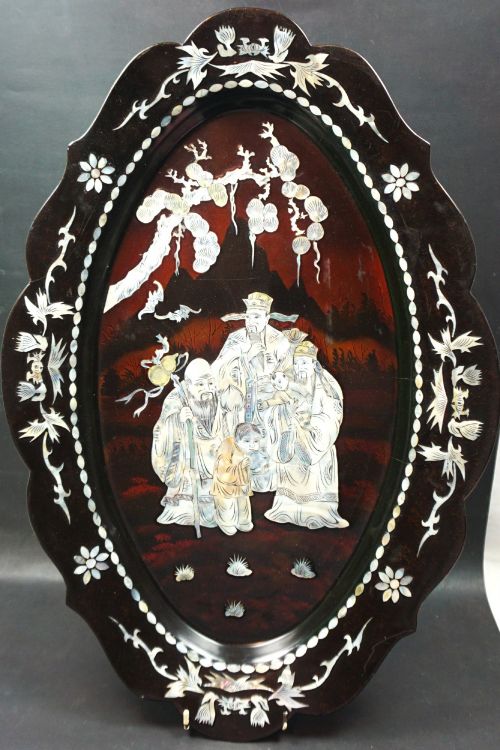
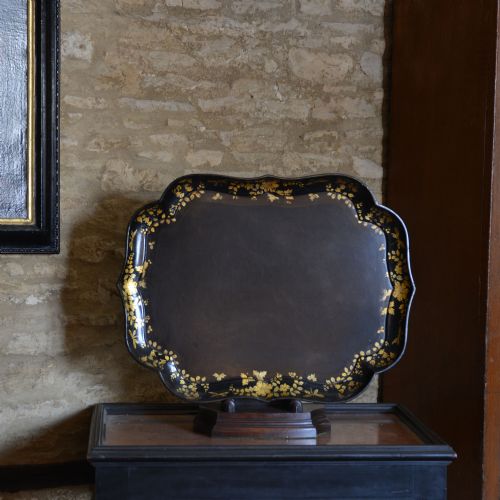
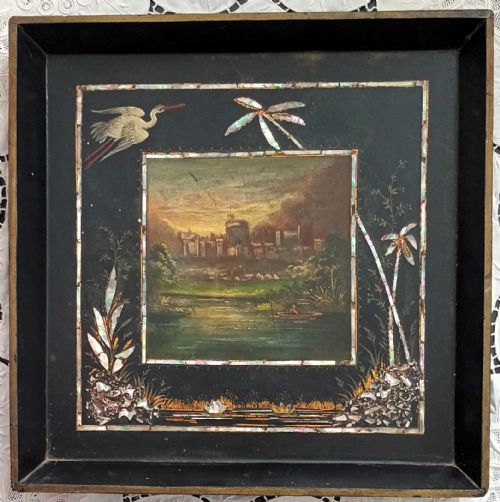
The most common examples on this page are nineteenth-century papier-mâché trays featuring ebonised surfaces, sometimes mounted later onto stands to function as side or drinks tables. You also find international variations, including Chinese lacquered wood platters with mother-of-pearl inlay, Japanese export lacquer, and Swedish decorative trays.
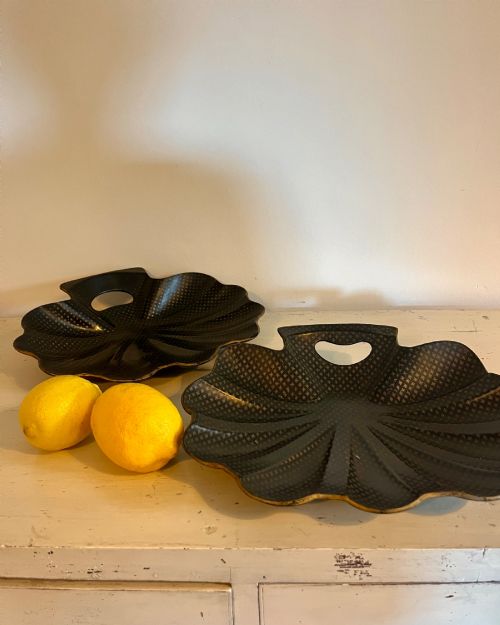
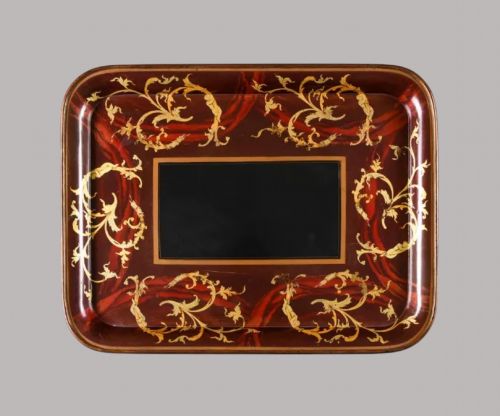
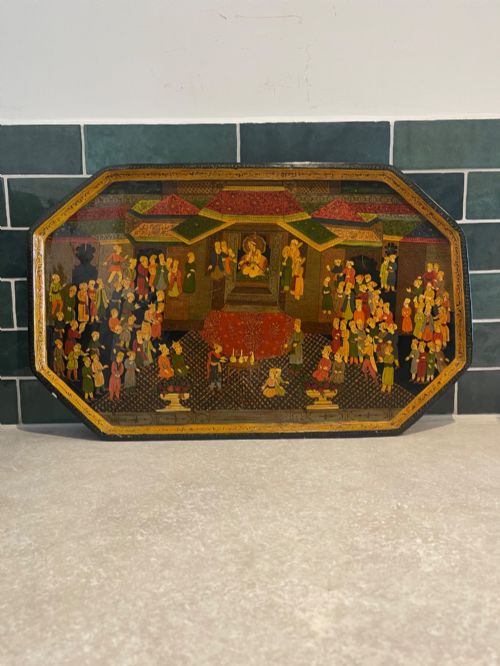
Forms vary from standard oval and rectangular shapes to kidney-shaped designs, octagonal formats, and large butler's trays built for heavy use. Some retain their original folding stands, transforming a portable server into a fixed piece of furniture.
How they were made
The construction of papier-mâché trays involved pressing layers of paper pulp mixed with glue and resin into heavy iron moulds before baking and smoothing the resulting board. This created a remarkably tough, lightweight foundation that resisted warping better than solid timber.
Makers applied multiple coats of dark lacquer or paint to this base, frequently incorporating gold leaf, metallic powders, and hand-painted details. Many premium examples further enhanced the surface with mother-of-pearl inlay or delicate japanning techniques.
Antique Lacquer Serving Tray Retail Price Guide 2026
Typical asking prices for lacquer serving tray among the pieces listed under this phrase on Sellingantiques today, from the lower quarter to the upper quarter. They describe what is for sale here now, not the wider market.
Periods represented span from the late eighteenth century through the Georgian, Regency, and Victorian eras to the early twentieth century.
What varies in quality
The distinction between ordinary utility items and exceptional pieces rests primarily on the depth and execution of the surface artistry. Superior trays display crisp, hand-painted details, secure gilding, and well-preserved original lacquer surfaces that show minimal wear.
Structural integrity also separates the range, as papier-mâché can weaken or crack under damp conditions over centuries. Trays that retain their original decoration without extensive repainting command greater interest from collectors.
Jennens & Bettridge·Clay
The Antique Lacquer Serving Tray Glossary
- Papier-mâché
- A composite material made from paper pulp, reinforced with binders, and pressed into rigid forms. It serves as the primary lightweight core for many nineteenth-century serving pieces.
- Japanning
- A European imitation of East Asian lacquerwork created using heat-dried varnishes and paints. It was widely utilised on British furniture and serving trays during the Georgian and Regency eras.
- Toleware
- Painted or lacquered sheet metal items produced for domestic utility and decoration. These pieces often feature dark backgrounds accented with metallic leaf or floral artwork.
- Chinoiserie
- European artistic style reflecting Chinese aesthetic traditions. This decorative approach appears frequently on nineteenth-century trays depicting imaginary landscapes and figures.
- Mother-of-pearl inlay
- A decorative technique embedding thin pieces of iridescent shell into a lacquered surface. It creates striking contrast against dark ebonised backgrounds.
Antique Lacquer Serving Tray: Frequently Asked Questions
What is an antique lacquer serving tray?
These items are rigid serving and display platters manufactured predominantly from papier-mâché or wood during the Georgian, Regency, and Victorian eras. They feature smooth lacquered finishes combined with hand-painted or gilded ornamentation.
Craftsmen designed them to transport beverages and food, though many now function as decorative display pieces or rest upon dedicated folding stands to serve as small tables.
How were antique trays used historically?
Household staff utilised these large boards to carry tea services, wine decanters, and meals from kitchens to entertaining rooms. Their lightweight yet durable construction made moving heavy silver and porcelain manageable.
Beyond service, households frequently displayed them upright on sideboards when not in active use to showcase the intricate painted artwork and gilded borders.
Can I use an antique tray for serving food?
Most antique lacquer and papier-mâché surfaces tolerate dry items or bottled drinks well, but modern washing methods can damage historic varnishes. Moisture left sitting on vulnerable lacquer will cause cloudy staining over time.
Gentle wiping with a dry or barely damp cloth preserves the finish. Many owners prefer using them for decorative display or placing coasters on them to protect the historic surface.
How do I identify a Regency period tray?
Regency examples often feature bold classical motifs, rich japanning, and distinctive border gilding on heavy papier-mâché foundations. Makers from this era, such as Clay, established high standards for smooth black finishes.
Looking closely at the script signatures or stamped maker marks on the underside often confirms the manufacturing period. The weight and rigidity of the early papier-mâché core also point directly to this era.