

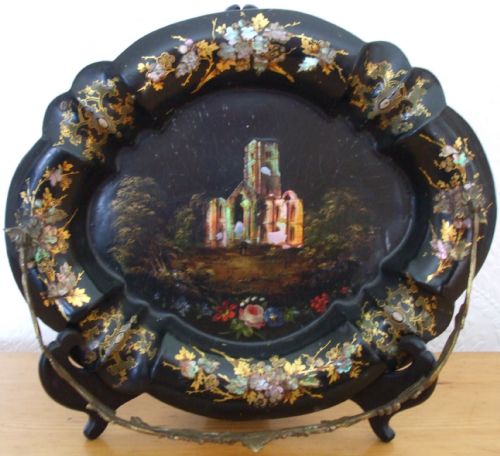
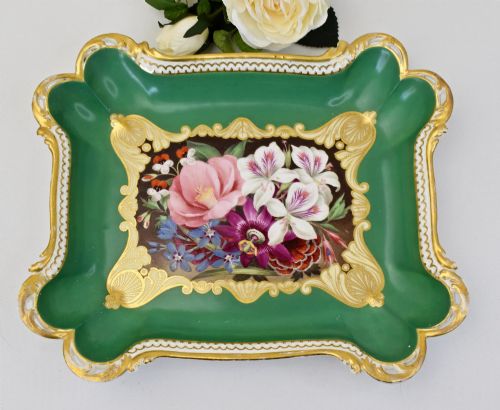
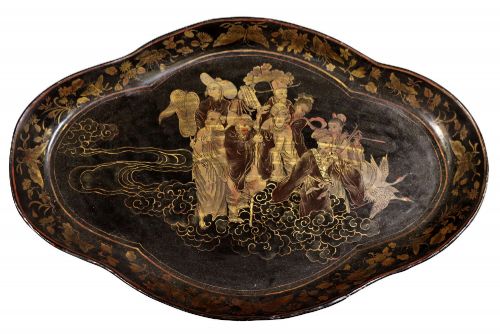

Victorian Painted Tray
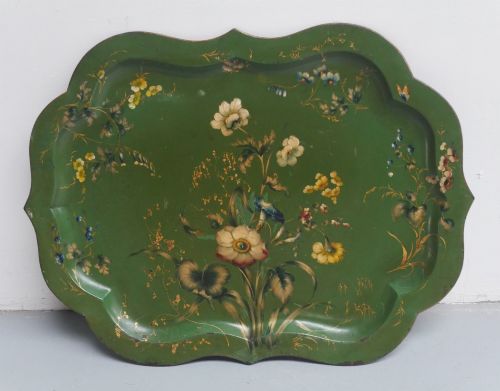
When you choose a victorian painted tray, you bring home a hand-decorated serving piece of papier-mâché, metal, or wood from the nineteenth century.
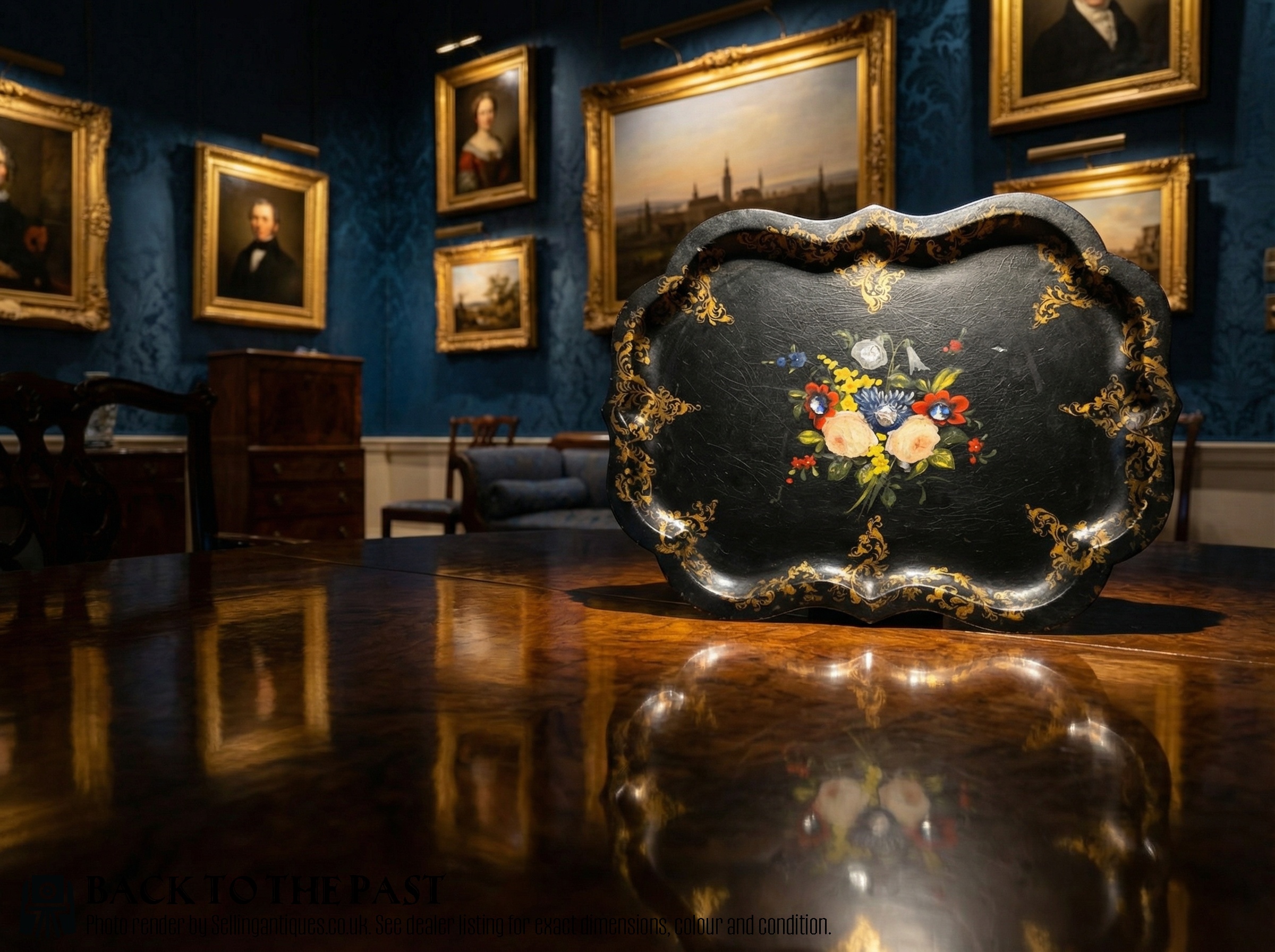
Victorian Painted Tray
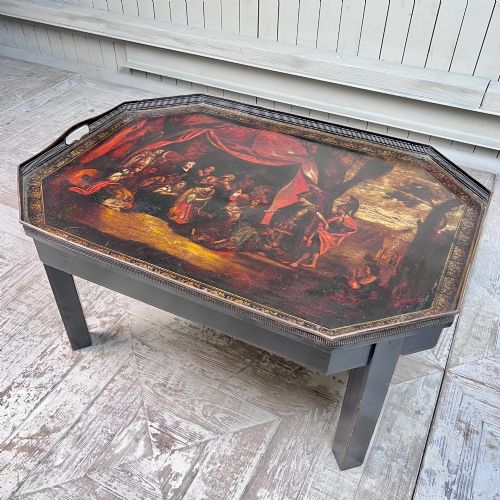
A victorian painted tray is a functional serving or display surface originating primarily in the nineteenth century, often found mounted on folding stands as low occasional tables. These pieces emerge from periods spanning the Regency era through to the late Victorian years, encompassing both domestic British workshops and continental European centres.
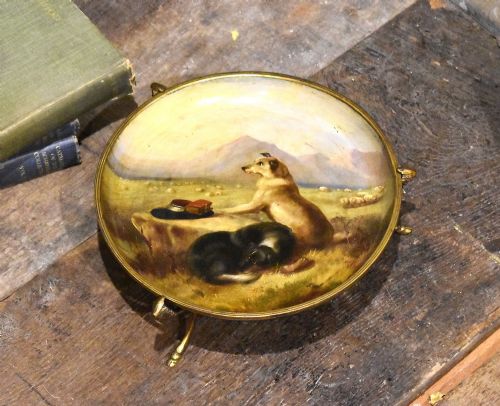
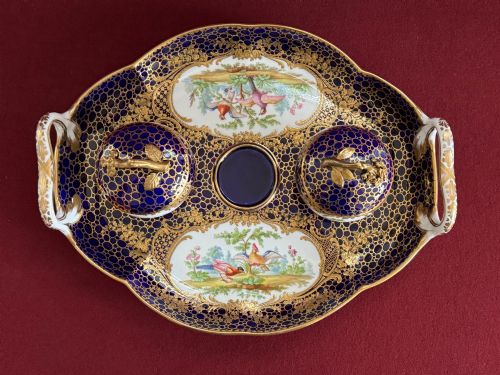
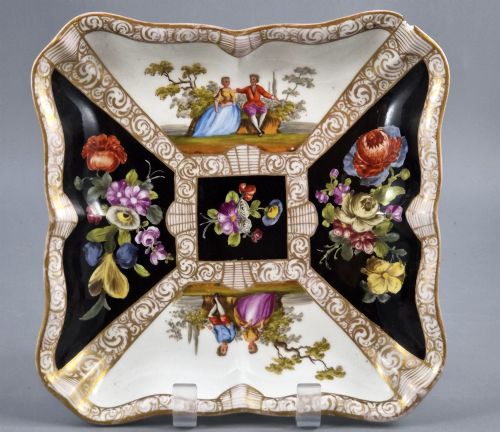
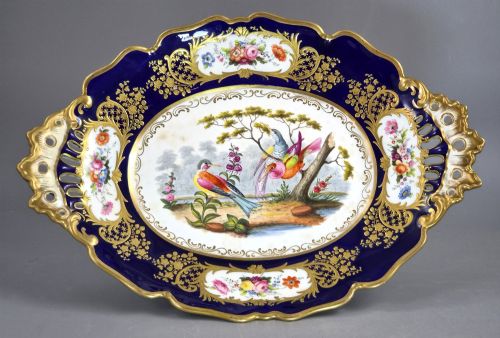
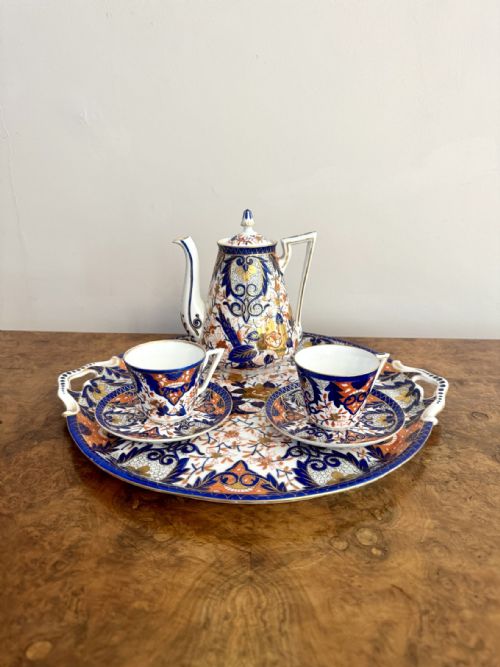
The primary forms appearing here include large oval and rectangular serving dishes, deep papier-mâché card baskets, and toleware trays decorated with intricate hand-painted motifs, classical scenes, or exotic birds. Many examples show the influence of Chinoiserie styles, Rococo Revival curves, or japanned finishes designed to mimic Asian lacquerware.
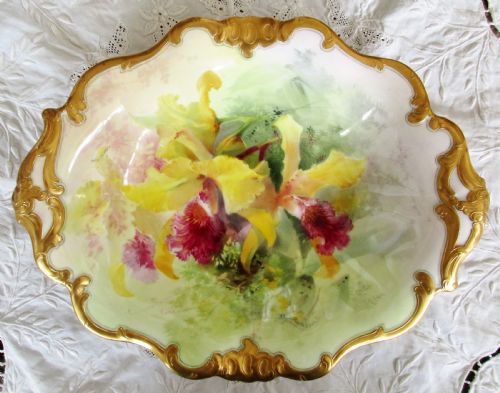
Buyers seeking a victorian painted tray will encounter items constructed from pressed metal, papier-mâché, and lacquered wood, frequently accented with gilding or gold leaf. These items served both as functional drawing-room accessories and as decorative panels displayed on stands.
Materials and Techniques
Papier-mâché construction involved layering paper pulp or sheets with glue and heavy pressure, then baking and smoothing the dense board to form a rigid blank. Artisans then applied multiple coats of black or coloured lacquer before painting detailed scenes by hand and sealing the surface with protective varnishes.
Metal alternatives relied on toleware, which is painted or japanned tin and iron sheet metal prepared with dark grounds and finished with fine brushwork. Makers often incorporated gold leaf and gilt highlights to frame central landscape or figurative compositions on both papier-mâché and metal bodies.
Victorian Painted Tray Retail Price Guide 2026
Typical asking prices for victorian painted tray among the pieces listed under this phrase on Sellingantiques today, from the lower quarter to the upper quarter. They describe what is for sale here now, not the wider market.
Listings feature items spanning the Regency, Victorian, and Edwardian periods, constructed from papier-mâché, cast iron, and toleware.
Distinctions in Quality
Quality rests in the precision of the hand-painted detail and the depth of the lacquer finish, where superior pieces exhibit refined brushwork and complex narrative or botanical subjects rather than repetitive stencilling. The crispness of the moulded papier-mâché edge or the stability of the metal substrate dictates the longevity of the piece.
Maker attribution elevates certain examples, particularly those bearing the stamps or signatures of notable firms known for superior papier-mâché and toleware production. The preservation of original gilding and the absence of extensive overpainting distinguish masterworks from standard domestic wares.
Jennens & Bettridge·Coalbrookdale·Coalport·Royal Worcester·Doe & Rogers
The Victorian Painted Tray Glossary
- Toleware
- Painted or japanned metalware, usually iron or tin, decorated with hand-painted motifs and often finished with a dark glossy ground.
- Papier-mâché
- A durable composite material made from paper pulp, waste paper, or sheets combined with glue and pressed into moulds before drying and lacquering.
- Japanned
- A European imitation of East Asian lacquer finishes, typically executed using dark varnishes layered and cured on metal or wood bases.
- Chinoiserie
- A Western decorative style reflecting European interpretations of Chinese and East Asian artistic traditions, frequently featuring figures, pagodas, and exotic birds.
- Gilt
- A thin layer of gold leaf or gold paint applied to surfaces such as tray rims and frame borders to provide metallic highlights.
Victorian Painted Tray: Frequently Asked Questions
How were these trays originally used?
These items functioned primarily in formal households for serving tea, carrying glasses, or holding calling cards in the entrance hall.
Over time, many found a secondary life mounted on custom wooden stands to serve as tea tables or occasional side furniture in Victorian parlours.
Are they sturdy enough for daily use?
While originally built for practical domestic service, antique papier-mâché and toleware require careful handling to protect the aged lacquer and delicate hand-painted surfaces.
Most owners choose to display them on walls or use them gently for decorative arrangements rather than active serving.
How do I care for a painted surface?
Maintenance requires gentle dusting with a dry, soft cloth, avoiding all liquid cleaners, abrasive cloths, and chemical polishes that can lift the varnish.
Keeping the piece away from direct sunlight and damp environments prevents the lacquer from crazing and protects the underlying paint from fading.
How can I tell the period?
Dating relies on examining the substrate materials, the style of the hand-painted motifs, and any maker marks pressed into the reverse of the piece.
Early nineteenth-century examples often feature deep papier-mâché mouldings and Regency design elements, whereas later Victorian items display denser floral sprays or black cast iron foundations.