



Antique Kyoto Ceramics
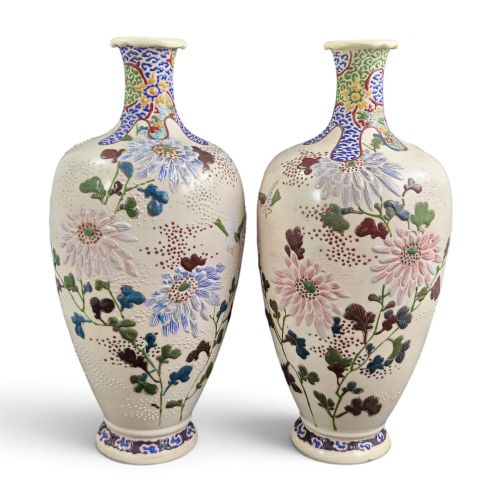
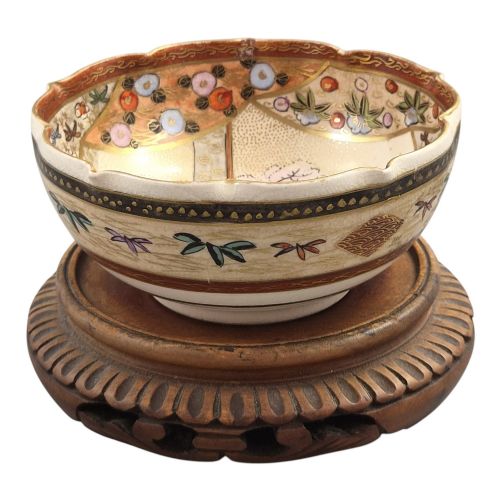
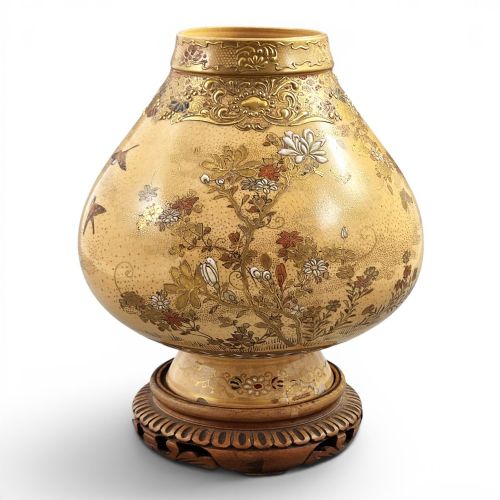
These antique kyoto ceramics are earthenware pieces decorated with enamel and gold leaf, offering collectors intricate scenes from the nineteenth century.
Antique Kyoto Ceramics
Antique kyoto ceramics comprise a distinct category of earthenware objects created primarily during the Meiji period and the nineteenth century. Buyers searching this phrase encounter forms ranging from miniature vases and bowls to incense burners and large jars.
How they were made
Maker's workshops built these items using earthenware bodies coated with glaze. Artisans applied colourful enamel paints and intricate gold leaf, gilt, or gilding to construct detailed surface patterns.
Techniques such as moriage created raised enamel designs that stand proud of the ceramic surface. Wood was occasionally utilised for associated stands or components.
Listings feature nineteenth century periods, including Victorian, Edwardian, and Meiji styles, constructed from earthenware, enamel, and gold leaf.
What varies in quality
Quality in these ceramics rests upon the fineness of the brushwork and the complexity of the painted scenes. Pieces decorated by named workshops or master artists display superior execution in figures, landscapes, and facial expressions.
The density and precision of the gold gilt and raised moriage work differentiate standard production items from ambitious studio pieces. Signature clarity and overall compositional balance also signal the degree of care invested by the maker.
Kinkōzan Workshop·Chosei·Yamashu·Hakusan·Tagawa·Shozan
The Antique Kyoto Ceramics Glossary
- Satsuma
- A type of Japanese earthenware featuring a crackle glaze, typically decorated with polychrome enamels and gold. It became a primary export style during the Meiji period.
- Moriage
- A decorative ceramic technique using piped clay or thick enamel to build up raised patterns and textures on the surface. This creates a tactile, three-dimensional effect.
- Koro
- A traditional Japanese incense burner, often fitted with a pierced lid and three feet. They appear frequently in fine decorative ceramics.
- Shi-Shi
- A mythical guardian lion or dog often depicted in Japanese art and sculpture. These creatures frequently top the lids of incense burners.
- Mon
- A Japanese heraldic badge or crest used to identify families or clans. The Shimazu clan mon appears on notable Kyoto Satsuma pieces.
Antique Kyoto Ceramics: Frequently Asked Questions
What are antique kyoto ceramics?
These pieces are earthenware objects produced in Kyoto during the nineteenth century and the Meiji period. They typically feature glazed surfaces adorned with detailed enamel paintings and gold leaf.
Collectors find items ranging from small decorative bowls and miniature vases to monumental jars and incense burners. Each piece reflects the decorative styles of Japanese export art from this era.
How do I identify a signed piece?
Signatures on these ceramics generally appear painted or incised on the base in Japanese characters. They identify the studio, workshop, or individual artist responsible for the decoration.
Names such as Kinkozan, Shozan, or Chosei often indicate a higher level of studio output. Researching the specific signature helps connect the object to its maker and period.
What is Satsuma ware?
Satsuma ware is a specific style of Japanese pottery characterised by an ivory-coloured earthenware body covered in fine, transparent crackle glaze. Artisans painted these surfaces extensively with coloured enamels and heavy gold.
While originating in Satsuma Province, Kyoto became a major production centre for high-quality Satsuma export wares during the Meiji period. This accounts for the prevalence of Kyoto Satsuma in these listings.
How should I care for these ceramics?
Maintain these delicate earthenware items by dusting them gently with a soft, dry cloth. Avoid using water, cleaning solutions, or abrasive materials, which can damage the enamel and gold leaf.
Keep pieces out of direct sunlight to protect the pigments from fading. Display them on stable surfaces away from high traffic areas to prevent accidental knocks.