
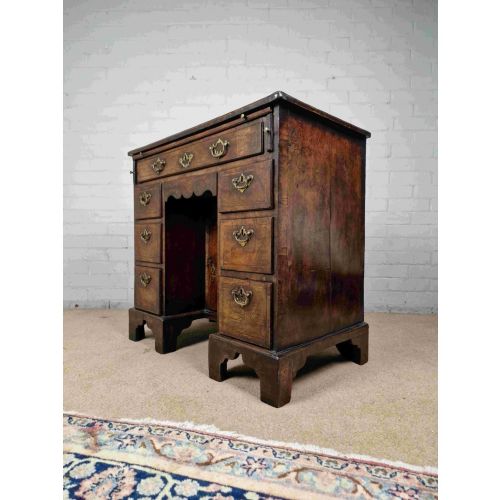
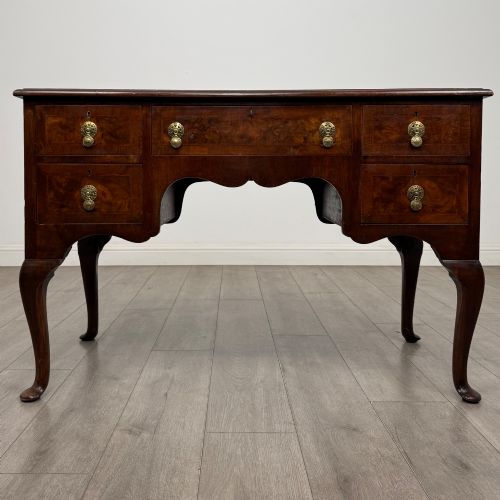
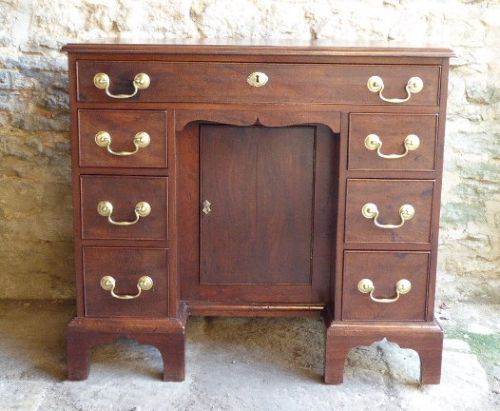
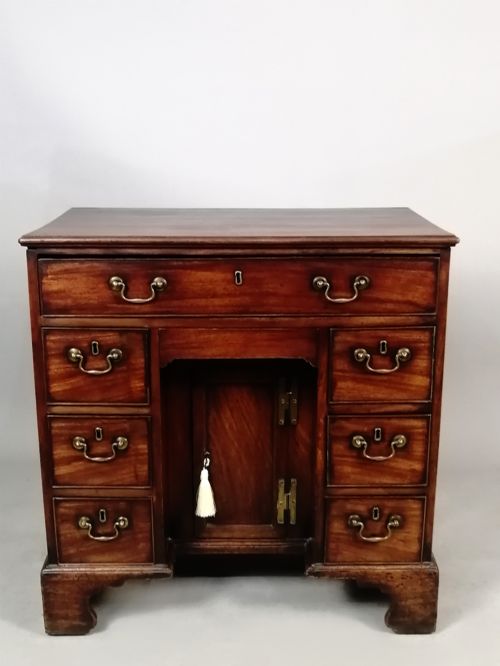
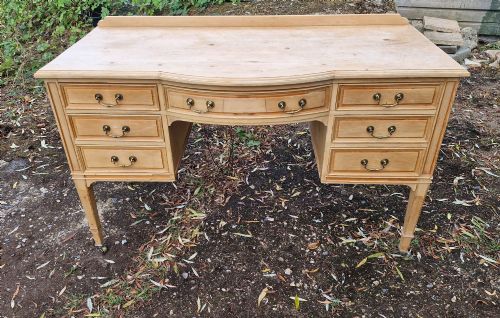
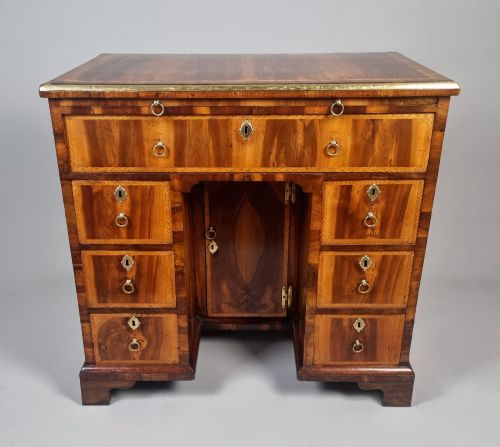
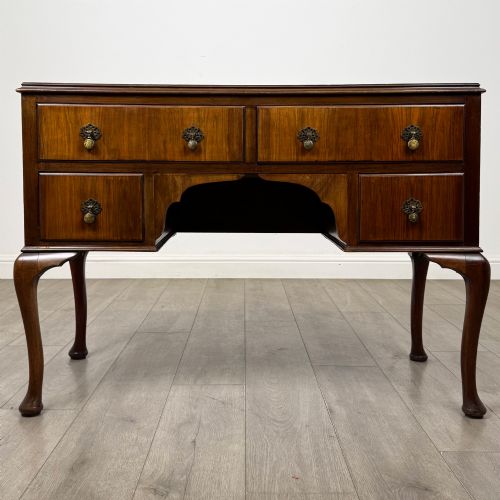
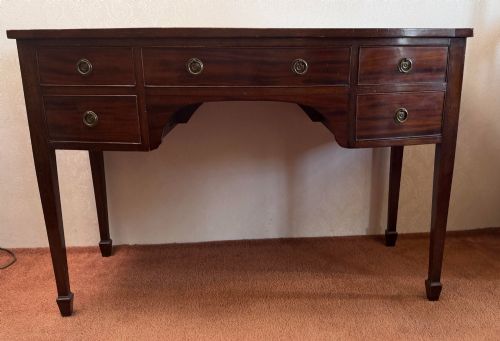
Antique Kneehole Vanity
An antique kneehole vanity brings compact elegance and fitted storage to a room, offering a dedicated surface for dressing or correspondence.
Antique Kneehole Vanity
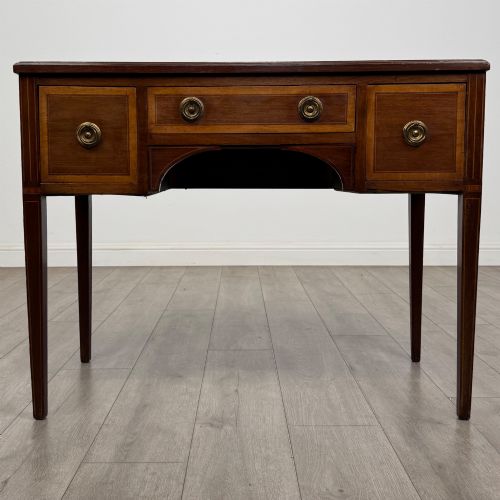
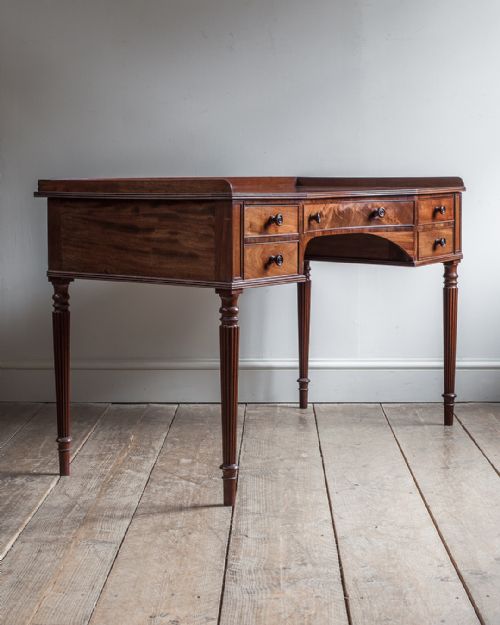
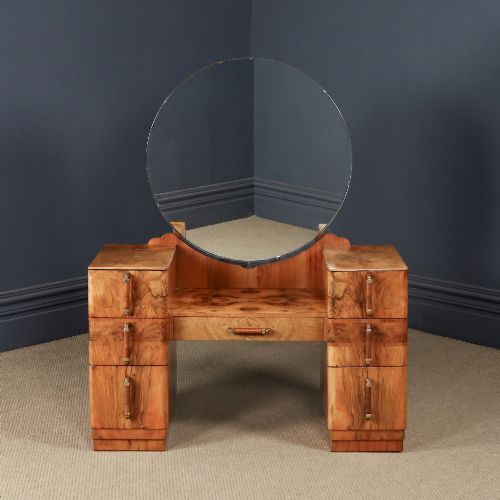
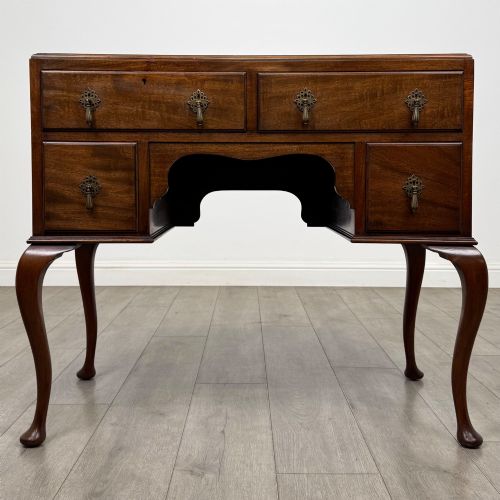
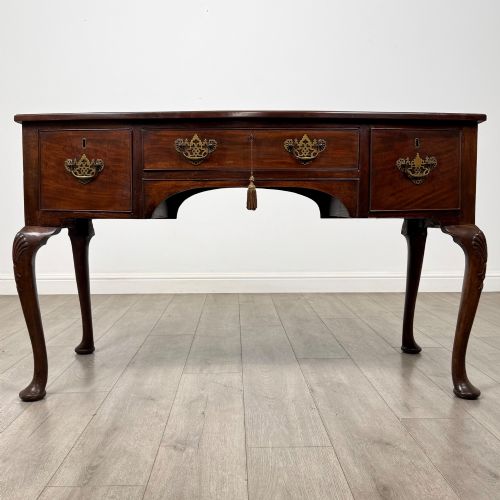
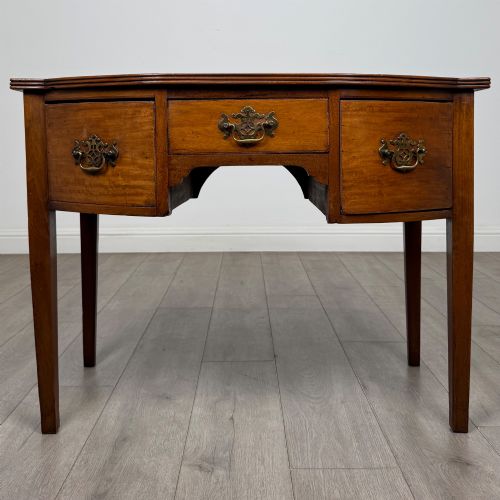
When you search for an antique kneehole vanity, you encounter pieces spanning the eighteenth, nineteenth, and early twentieth centuries, including Georgian, Victorian, Edwardian, and Art Deco eras. These forms encompass dedicated dressing tables, pedestal dressing chests, and writing tables adapted for personal grooming.
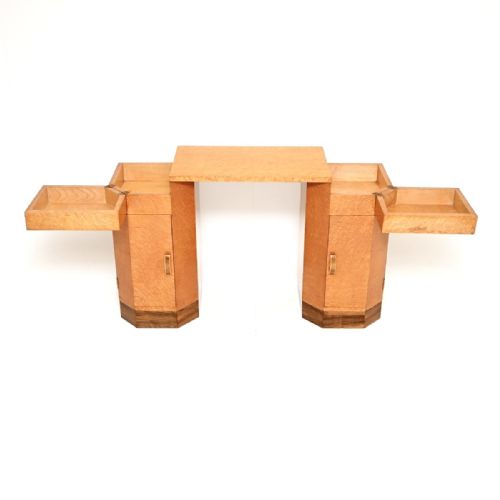
Mahogany and walnut predominate among the listings, appearing alongside burr walnut, oak, satinwood, and yew wood. The physical evidence shows distinct regional and stylistic variations, from eighteenth-century Georgian designs to streamlined 1930s Art Deco pieces equipped with mirrors.
Materials and construction methods
Cabinet makers utilised dense timber veneers such as burr walnut, flame mahogany, and birdseye maple over sturdy secondary woods, applying intricate grain patterns to flat and serpentine surfaces. Brass handles, key escutcheons, and occasional tooled leather writing inserts complete the primary construction.
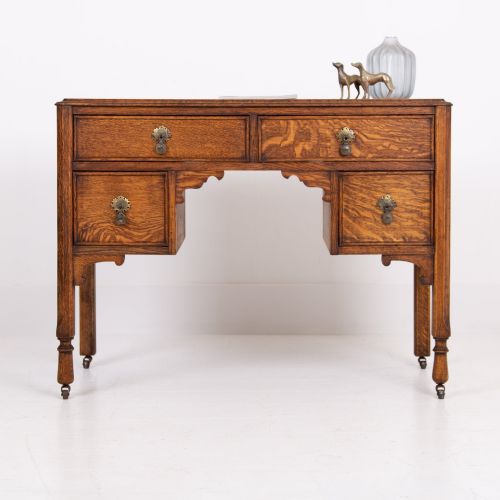
The joinery relies on traditional techniques suited to pedestal forms, accommodating central kneehole recesses flanked by banks of multiple small drawers. Timber selection dictates the visual weight, whether executed in golden English oak, satin birch, or lacquered Chinoiserie.
Antique Kneehole Vanity Retail Price Guide 2026
Typical asking prices for kneehole vanity among the pieces listed under this phrase on Sellingantiques today, from the lower quarter to the upper quarter. They describe what is for sale here now, not the wider market.
Listings feature mahogany, walnut, burr walnut, oak, glass, satinwood, and metal across Georgian, Victorian, Edwardian, and Art Deco periods.
Distinctions in execution and survival
The distinction between ordinary and exceptional pieces rests upon the crispness of the cabinet work and the choice of surface veneers. Finer examples display symmetrical grain selection, particularly in burr walnut and flame mahogany, alongside well-proportioned pedestal tiers and original brass hardware.
Survival of original surfaces, mirrors, and fitted interior compartments elevates a piece significantly. Pieces retaining untouched timber patination and integrated dressing mirrors demonstrate superior original workshop provenance.
Wylie & Lochhead Glasgow·Heal & Sons Heals·maples of London
The Antique Kneehole Vanity Glossary
- Kneehole
- A desk or dressing table featuring a central recess for the legs, flanked by pedestals containing drawers. This layout allows a seated person to sit comfortably close to the writing or grooming surface.
- Pedestal
- A vertical supporting column containing a bank of drawers on either side of the kneehole opening. These structures provide substantial storage capacity while maintaining a balanced, symmetrical facade.
- Veneer
- A thin layer of highly figured wood applied to a stable underlying timber base. Cabinet makers used veneers of walnut, mahogany, and maple to create decorative geometric patterns across drawer fronts.
- Serpentine
- A furniture front curved in a wave-like shape with a convex centre flanked by concave sides. This sophisticated shaping requires precise woodworking skills and high-grade timber.
- Escutcheon
- A decorative shield or plate surrounding a keyhole to protect the surrounding wood from wear. They are typically cast in brass and styled according to the period of manufacture.
Antique Kneehole Vanity: Frequently Asked Questions
How do I date an antique kneehole vanity?
Dating relies on examining the timber species, construction methods, hardware styles, and overall aesthetic proportions. Eighteenth-century Georgian pieces often feature solid mahogany or fine veneers with hand-cut dovetails, whilst Edwardian and Art Deco iterations display lighter pine carcasses, geometric walnut veneers, or maple surfaces.
Secondary wood analysis and the presence of original brasses or mirrors further clarify the era of manufacture. Stylistic markers such as Queen Anne revival cabriole legs or streamlined 1930s waterfall edges provide clear chronological boundaries.
Where were these pieces used historically?
These pieces belonged chiefly to the private bedchambers, dressing rooms, and boudoirs of prosperous households. They provided a private station for morning preparation, hair styling, and personal correspondence.
Because of their refined appearance and useful surface area, they transitioned easily into reception rooms and studies as writing desks. Their modest footprint suited smaller residential spaces while offering organised drawer storage.
How do I care for a walnut vanity?
Caring for walnut furniture involves keeping pieces away from direct sunlight and steady heat sources to prevent timber splitting and veneer lifting. Regular dusting with a soft, dry cloth preserves the natural lustre of the polished wood surface.
Avoid commercial silicone sprays and abrasive cleaners that can damage historic polishes and patination. Occasional applications of traditional beeswax nourish the grain without harming antique finishes.