



Antique Kitchen Server
An antique kitchen server brings heavy timber, working drawers, and honest country utility straight into a modern dining room.
Antique Kitchen Server
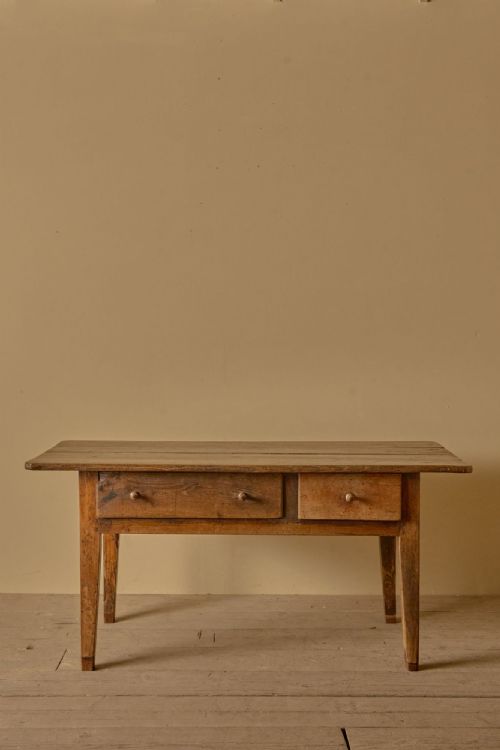
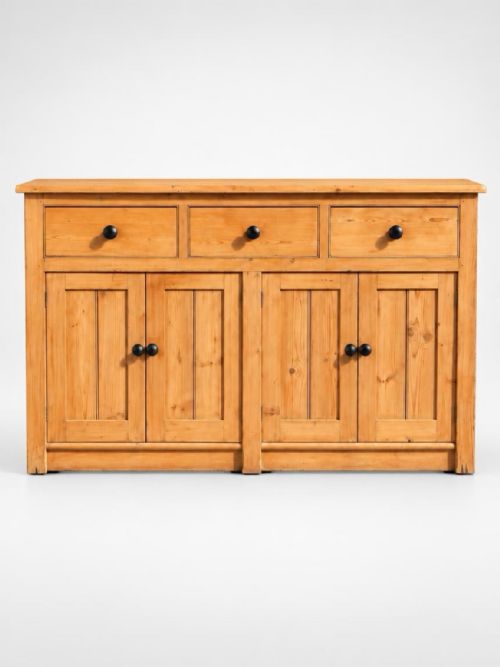
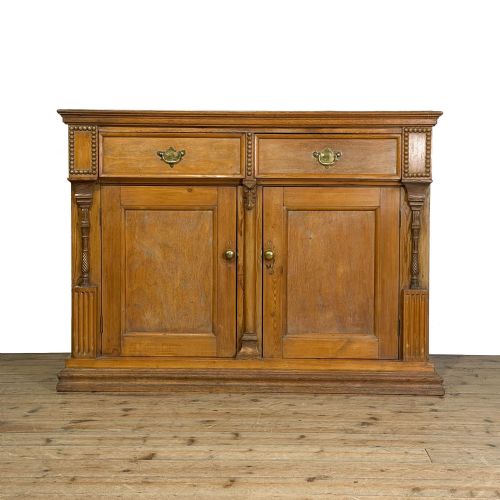
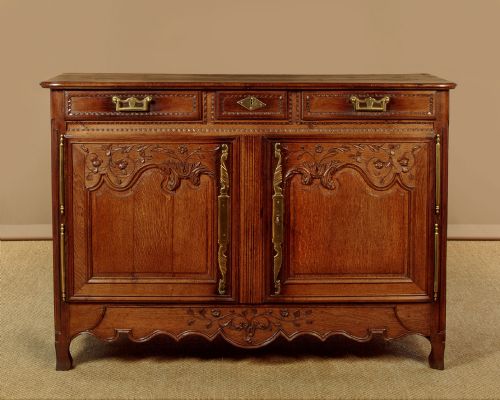
When you search for an antique kitchen server, you encounter robust foundational furniture built for food preparation, storage, and service in domestic domestic spaces. These pieces span centuries of regional design, functioning primarily as sturdy timber bases for working and storing culinary wares.
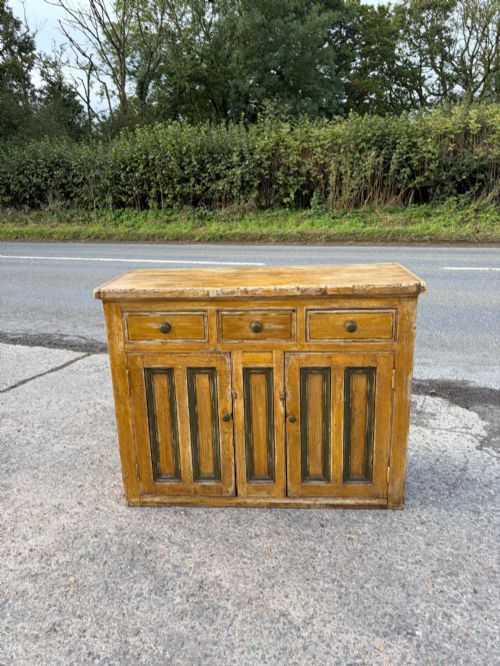
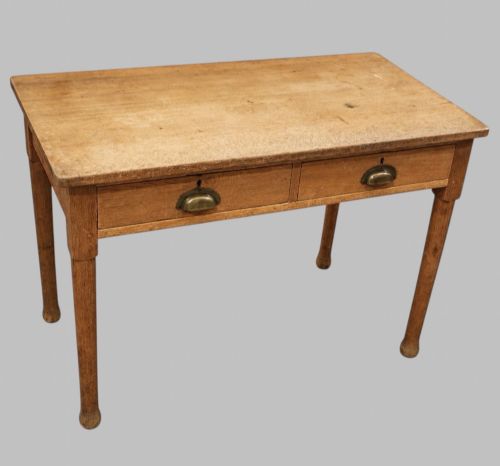
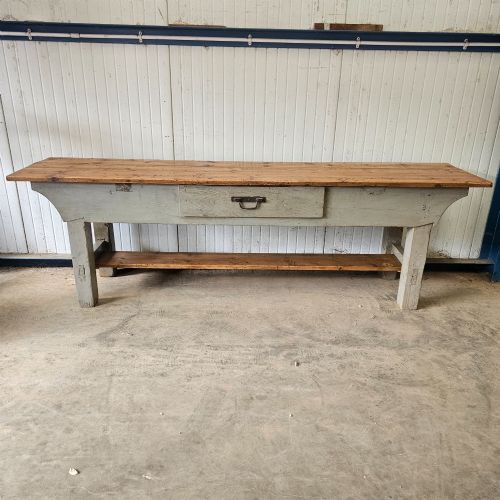
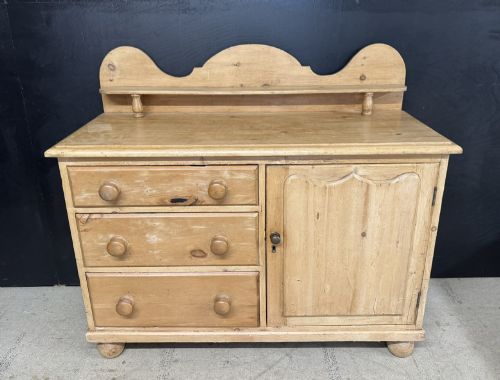
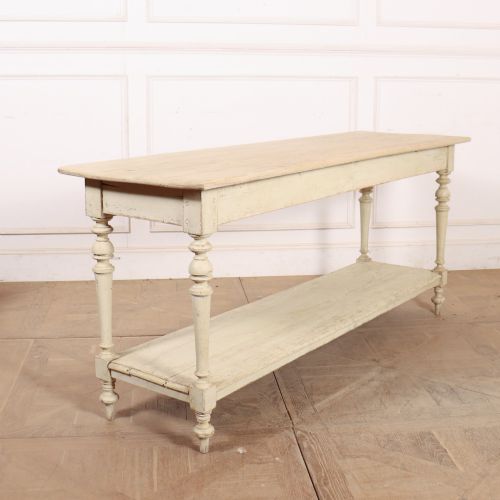
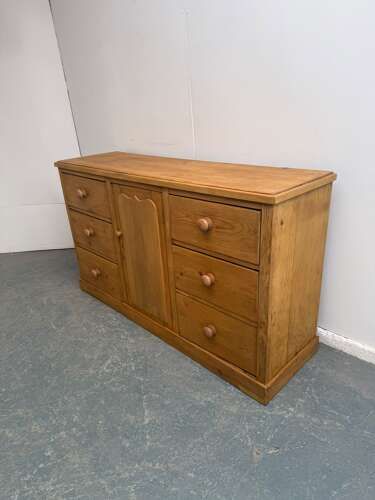
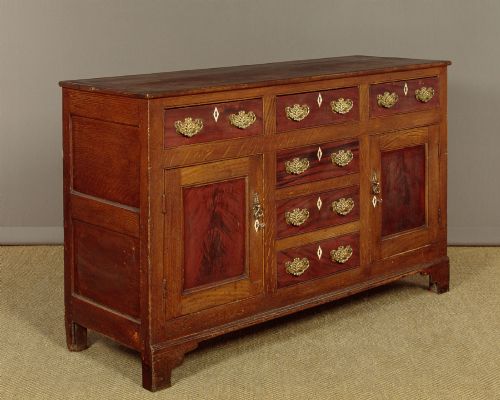
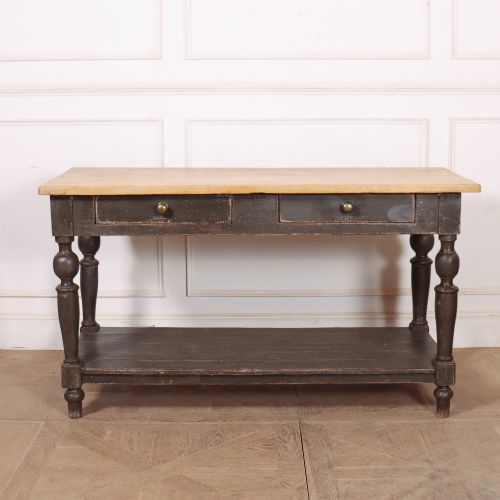
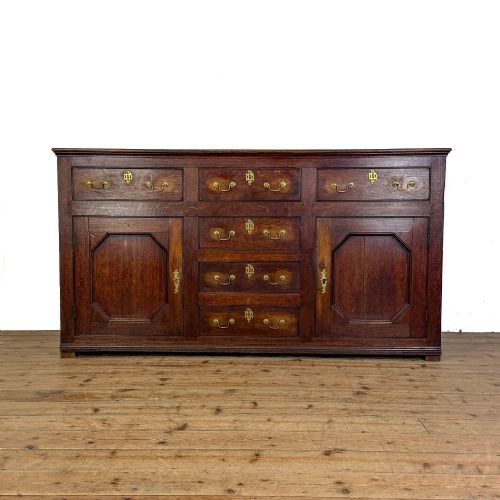
The versions most common on this page are substantial pine and oak dresser bases, potting boards, and serving tables originating from English, French, Welsh, and Scottish rural properties. They arrive in waxed finishes or with historic paint, offering deep drawers and lower shelves designed for heavy daily use.
Materials and Construction
Makers relied on solid domestic woods like pine, oak, sycamore, and fruit wood, selected for their resilience under pressure and resistance to moisture. Surfaces were frequently scrubbed raw, waxed to protect the grain, or coated in durable layers of oil-based paint.
Construction techniques prioritised unyielding strength through pegged mortise and tenon joints, hand-cut dovetails on drawers, and thick plank tops capable of enduring heavy domestic labour.
Antique Kitchen Server Retail Price Guide 2026
Typical asking prices for kitchen server among the pieces listed under this phrase on Sellingantiques today, from the lower quarter to the upper quarter. They describe what is for sale here now, not the wider market.
Periods represented span from the Georgian era through the Victorian period and into Edwardian times.
Judging Quality and Character
Quality rests in the proportion of the timber, the integrity of the original joints, and the survival of uncompromised surfaces. Pieces retaining genuine working drawer configurations and honest patination from decades of service command greater respect.
Lesser examples suffer from unsympathetic modern timber replacements or stripped surfaces that erase the historic texture gathered through generations of culinary use.
The Antique Kitchen Server Glossary
- Potboard
- A low open shelf situated beneath a dresser base or serving table, traditionally utilised for storing heavy pots and pans. This lower tier provides structural rigidity while keeping utilitarian kitchenware accessible.
- Dresser Base
- A low rectangular cabinet or table featuring rows of drawers and cupboards beneath a solid timber top. It represents the lower section of a traditional kitchen dresser without the upper plate rack.
- Dairy Table
- A specialised wooden table featuring an unsealed pine, sycamore, or fruit wood top designed for cooling milk and preparing dairy products. These tables often display pale, scrubbed surfaces due to constant washing.
- Drapers Table
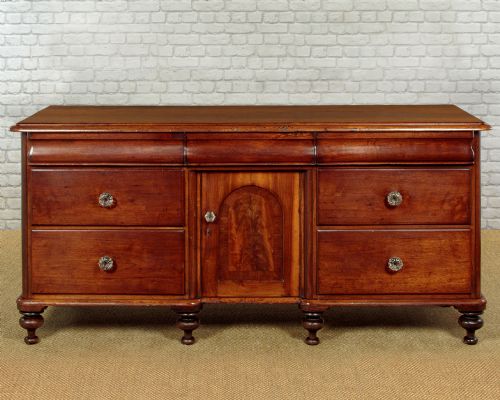
- A long retail display table featuring generous proportions and multiple drawers, originally used in fabric shops. Their clean lines and deep proportions make them functional kitchen servers.
- Patination
- The natural sheen and surface alteration developed on wood and paint over centuries of light, handling, and wax polishing. It serves as a visual indicator of age and genuine use.
Antique Kitchen Server: Frequently Asked Questions
What is an antique kitchen server?
An antique kitchen server is a heavy timber base, dresser, or serving table designed for food preparation and storage in historic domestic kitchens. They provide substantial surface space and deep drawer storage.
These pieces originate predominantly from 18th and 19th-century rural homes, workshops, and farmhouses across Britain and Europe.
How were these servers used?
Historic households utilised these heavy wooden tables for kneading dough, chopping meat, and sorting provisions before meals. The lower shelves and drawers held pots, pans, and dry goods.
Today, they function effectively as sideboards in dining rooms or as kitchen islands providing extra workspace.
How do I date an antique server?
Dating relies on examining construction methods, timber species, and handle hardware. Hand-cut dovetails, pegged joints, and secondary woods like pine or oak indicate 18th or 19th-century origin.
Paint layers and surface wear also reveal the age of the piece, distinguishing Victorian examples from Georgian ones.
Can I use a server in a modern kitchen?
These servers integrate well into contemporary spaces because their solid timber tops withstand daily food preparation and serving duties. Their deep drawers organise utensils and tableware.
Care involves maintaining waxed finishes and avoiding excessive moisture on unsealed pine or oak surfaces.