


Antique Khorasan Rug
An antique khorasan rug brings the rich pattern and resilient weave of north-east Persia straight to your floor.
Antique Khorasan Rug
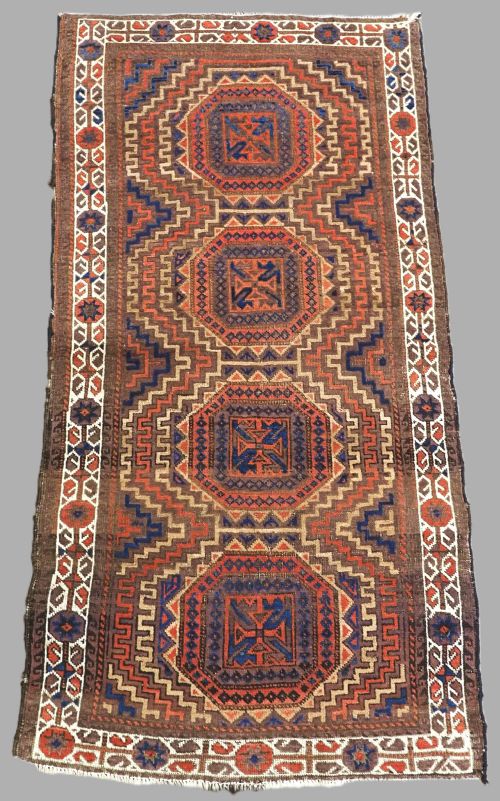
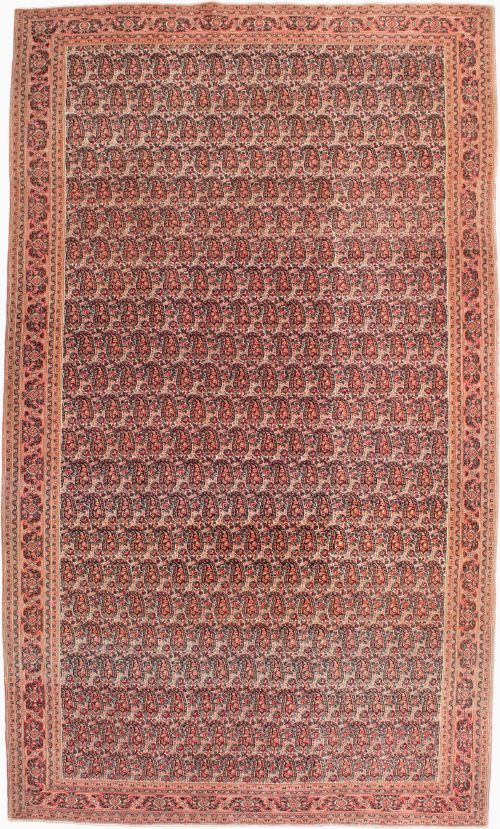
When you search for an antique khorasan rug, you encounter hand-knotted floor coverings originating from the north-east region of Persia, spanning periods from the nineteenth century into the early twentieth century. These textiles frequently reflect tribal and nomadic traditions, created by local groups including Kurdish and Baluch weavers.
The versions most commonly met on this page include specific regional variants such as Quchan Kurdish, Dorush, and Salar Khani pieces. Alongside smaller scatter rugs, the selection encompasses larger format carpets suited to substantial living spaces.
How They Were Made
Weavers utilised natural wool for the foundation pile, frequently incorporating camel wool to provide a warm, neutral ground colour and distinct texture. Cotton also appears in the structural foundations of these woven pieces.
The construction relies on traditional hand-knotting techniques executed by tribal makers across the Khorasan province. Artisans employed time-honoured dyeing methods to achieve deep, lasting shades that define the appearance of each carpet.
Antique Khorasan Rug Retail Price Guide 2026
Typical asking prices for khorasan rug among the pieces listed under this phrase on Sellingantiques today, from the lower quarter to the upper quarter. They describe what is for sale here now, not the wider market.
Listings demonstrate production dates spanning the nineteenth century up to the nineteen-twenties, incorporating wool, cotton, and camel wool materials.
What Varies in Quality
The refinement of the knotting and the complexity of the design dictate the distinction between standard examples and finer works. Pieces displaying intricate lattice motifs, Mina Khani variations, or well-defined guls demand greater technical skill from the weaver.
The integrity of the natural materials, particularly the retention of original camel wool piles and sound cotton foundations, influences the overall character and durability of individual carpets.
The Antique Khorasan Rug Glossary
- Gul
- A repeating medallion or octagonal motif commonly found in tribal rugs. This design element often identifies specific regional weaving traditions.
- Mina Khani
- An all-over pattern composed of daisy-like flowers connected by curved stems. It forms a balanced grid across the field of the rug.
- Khorasan
- A historic province in north-east Persia known for producing distinctive carpets. Weavers in this region combine Persian and tribal aesthetic influences.
- Camel wool
- Fibre gathered from camels, utilised in the pile or ground of certain tribal rugs. It provides a naturally warm hue and distinctive tactile quality.
Antique Khorasan Rug: Frequently Asked Questions
Where were antique khorasan rugs made?
These rugs were produced in the Khorasan province situated in north-east Persia. Tribal groups and regional workshops across this area created the textiles.
Weavers from various communities, including Kurdish and Baluch populations, contributed distinct local styles to the regional output.
How do I identify a khorasan rug?
Look for specific design elements such as lattice patterns, star guls, or Mina Khani motifs. The presence of camel wool ground tones often points towards this origin.
Many examples date from the nineteenth and early twentieth centuries, reflecting traditional Persian tribal craftsmanship.
Are these rugs suitable for daily use?
The robust wool construction and sturdy hand-knotted foundations make these textiles durable for everyday placement on floors. Proper underlay helps protect the pile from excessive wear.
Placing them in moderate traffic areas allows the natural materials to age gracefully over time.
What designs appear on these rugs?
Common patterns include geometric lattices, willow leaf motifs, and large central guls. Many examples showcase all-over repeating formats characteristic of nomadic artistry.
Variations range from rustic tribal interpretations to more structured regional workshop compositions.