



Antique Karabagh Carpet Runner
An antique karabagh carpet runner brings distinct Caucasian character to a hallway, combining tribal geometry with softer floral influences.
Antique Karabagh Carpet Runner
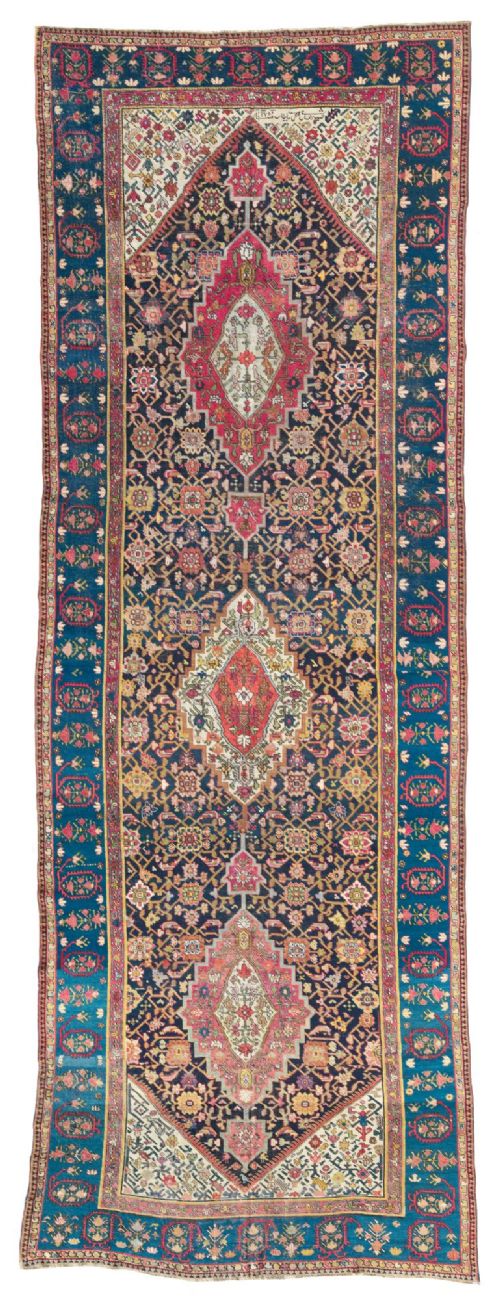
An antique karabagh carpet runner sits within the broader tradition of Caucasian weaving, taking specific forms such as long rugs, kellehs, and dedicated hallway runners. These pieces emerge from the Karabagh region in the Caucasus, spanning production dates from the mid nineteenth century through to the early twentieth century.
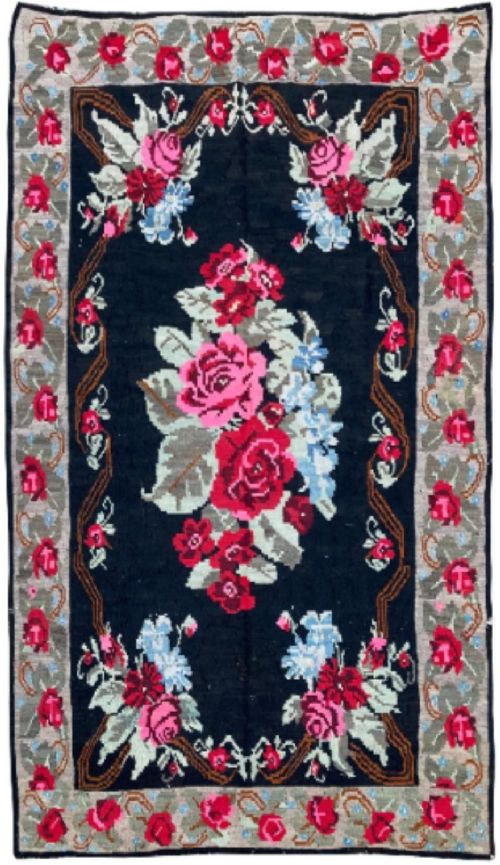
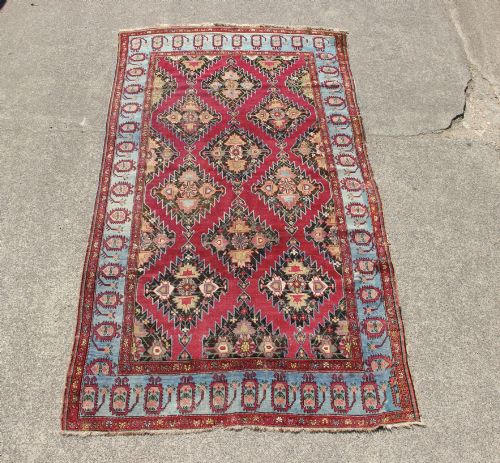
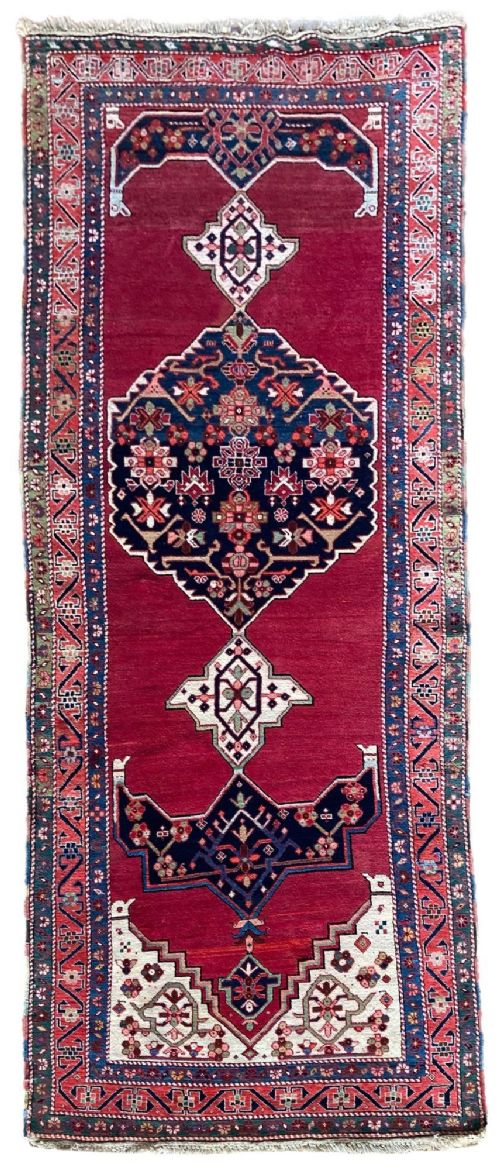
Buyers encountering this selection will discover formats suited to corridors and narrow spaces, often categorized under styles like Caucasian tribal or traditional. The designs range from structured medallions and repeated boteh motifs to European-influenced rose patterns and pictorial scenes featuring people and animals.
How they were made
The construction of an antique karabagh carpet runner relies upon natural textile materials, specifically wool for the pile and foundation elements alongside cotton. Weavers built these long formats by hand on traditional vertical looms, utilising knotting techniques passed down through generations in Caucasian villages.
Dyes derived from local plants and minerals produced the rich palette seen across these textiles, from deep tones to vibrant accents. The interplay between the wool pile and the underlying cotton foundation gives each runner its physical weight and flexibility.
Listings feature pieces spanning from the mid nineteenth century through to the early twentieth century, utilising wool and cotton.
What varies in quality
The distinction between tiers of an antique karabagh carpet runner rests upon the precision of the weave and the clarity of the design. Finer knot counts allow complex motifs like diagonal boteh patterns or cloud bands to resolve with sharp definition along the length of the runner.
Colour saturation and the harmonious balance of natural dyes dictate the visual strength of a piece. Examples featuring signed weaver details, unusual iconography, or specific European-inspired floral layouts often represent distinct levels of artistic expression within the tradition.
The Antique Karabagh Carpet Runner Glossary
- Runner
- A long, narrow carpet format designed primarily for hallways and corridors. This shape emphasises linear patterns such as repeated medallions or diagonal motifs.
- Boteh
- A traditional almond-shaped or paisley motif representing a floral shoot or cypress tree. It appears frequently in rows or diagonal arrangements across Caucasian weaving.
- Kelleh
- A large, elongated format intermediate in proportion between a standard carpet and a runner. These pieces serve similar spatial functions in longer rooms.
- Kilim
- A flatweave textile produced without a raised pile. These items offer a lighter structure compared to knotted pile carpets.
- Caucasian
- Pertaining to the Caucasus region situated between the Black Sea and the Caspian Sea. This geographic term encompasses various distinct weaving traditions and village workshops.
Antique Karabagh Carpet Runner: Frequently Asked Questions
Where should I place an antique karabagh carpet runner?
These elongated formats suit narrow architectural spaces such as hallways, corridors, and gallery landings.
Their linear dimensions accommodate foot traffic while introducing distinct regional patterns to transitional areas of a home.
How do I identify a Karabagh runner?
Karabagh pieces typically exhibit specific regional design markers, including Caucasian tribal motifs, French-inspired rose patterns, or multi-medallion layouts.
Examining the use of wool and cotton materials alongside the weaving style helps confirm the geographic origin.
What periods do these runners date from?
The available examples span the mid nineteenth century through the early decades of the twentieth century.
Production dates cluster heavily around the late Victorian and Edwardian eras, reflecting traditional village output from those decades.
How do I care for an antique wool runner?
Regular gentle vacuuming without a rotating brush bar helps remove dust from the wool pile.
Professional cleaning suited to antique textiles preserves the integrity of the natural dyes and foundation.