

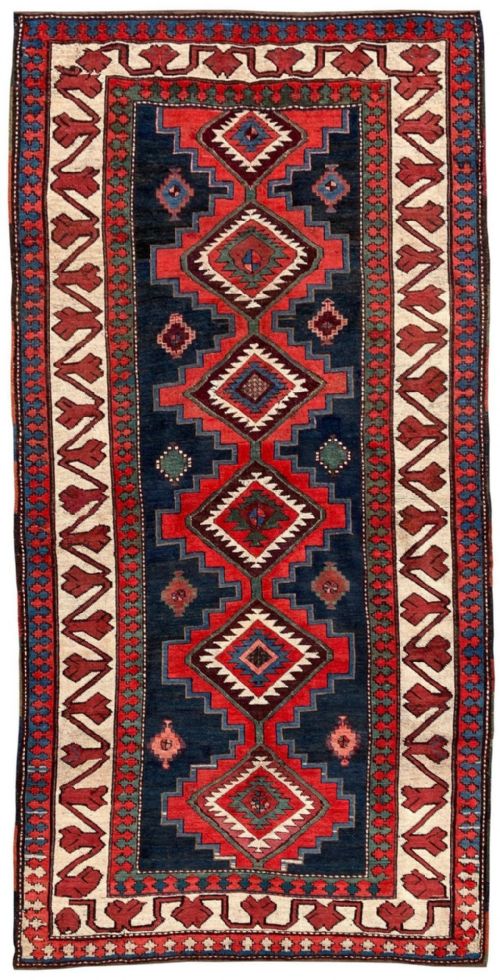
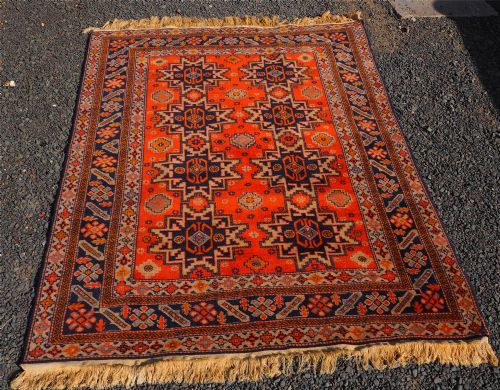
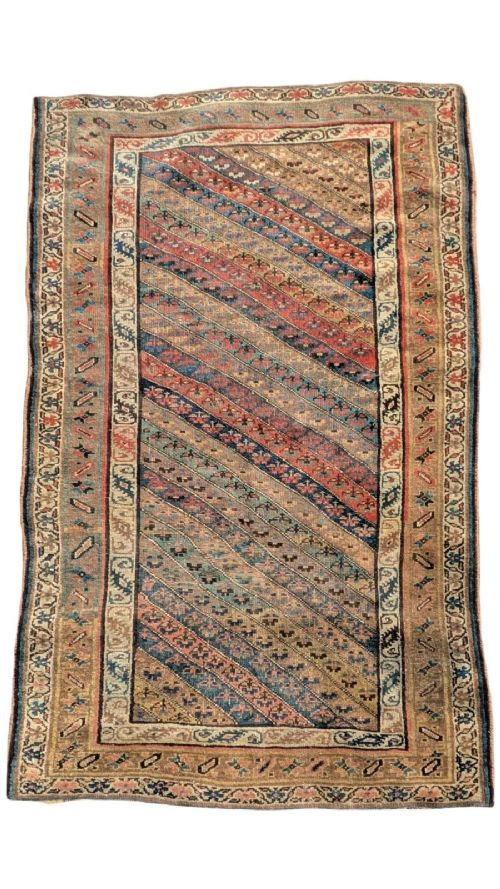
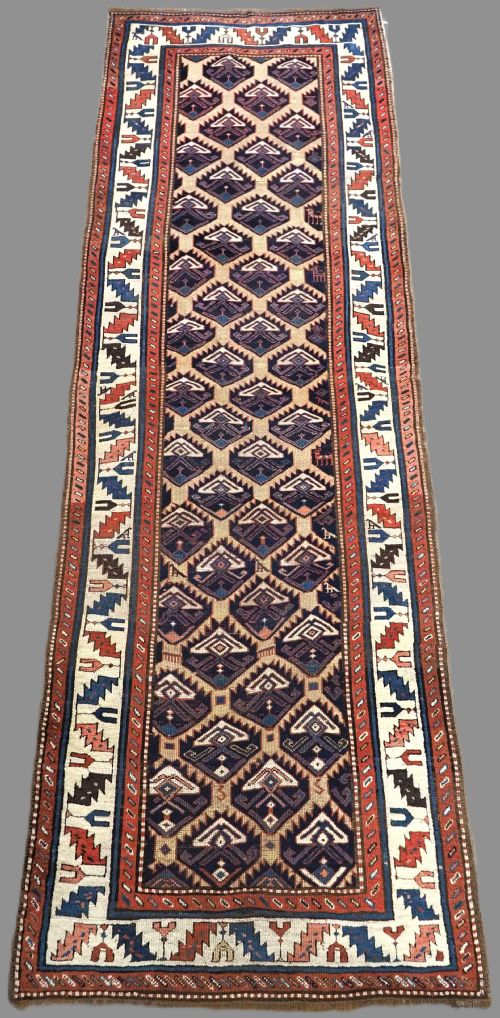
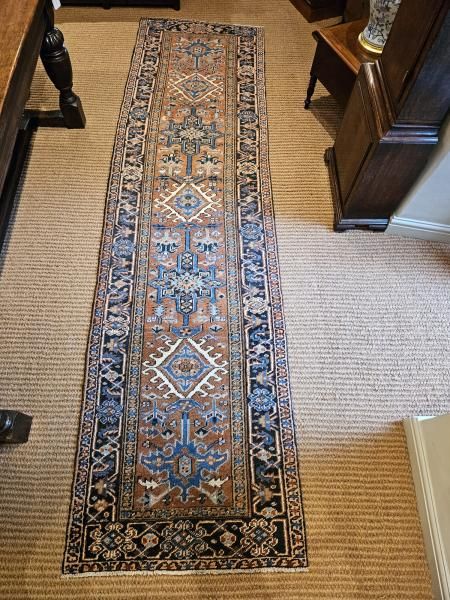
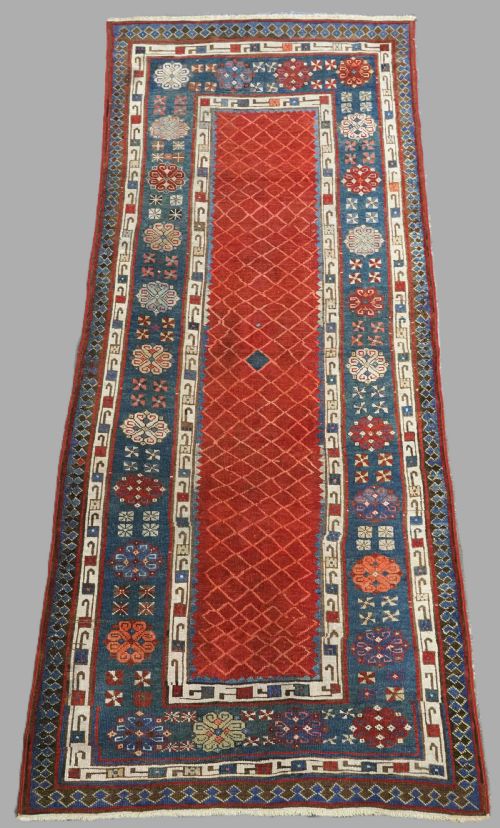
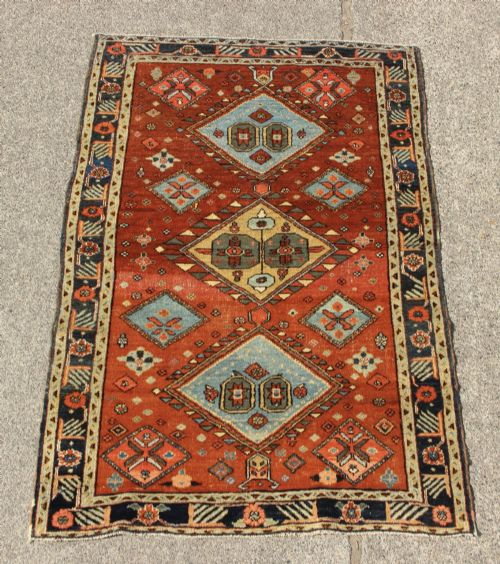
Geometric Caucasian Carpet Runner
These geometric caucasian carpet runner examples bring bold tribal patterns and rich wool textures into hallways and long spaces.
Geometric Caucasian Carpet Runner
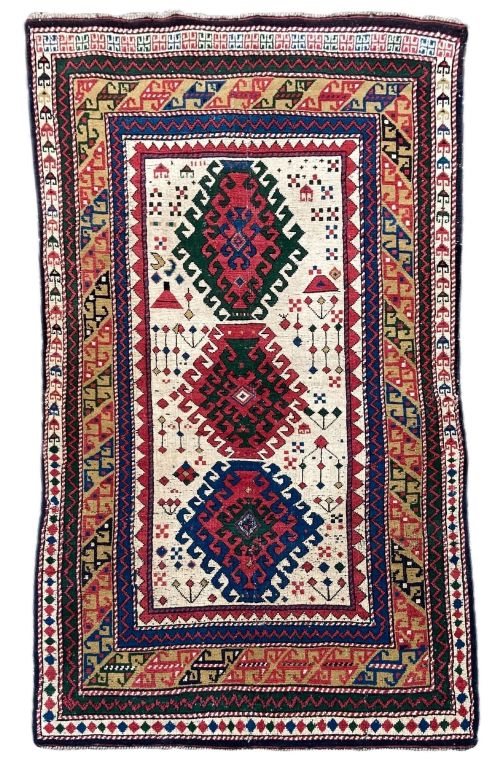
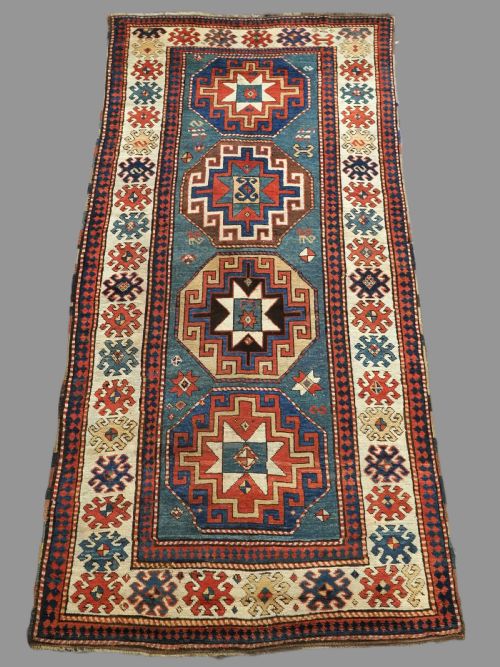
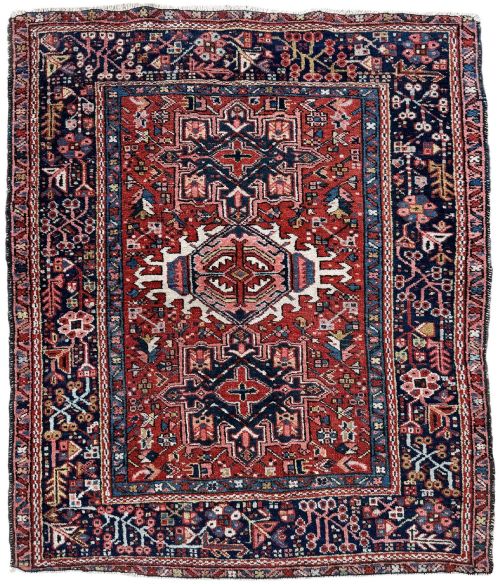
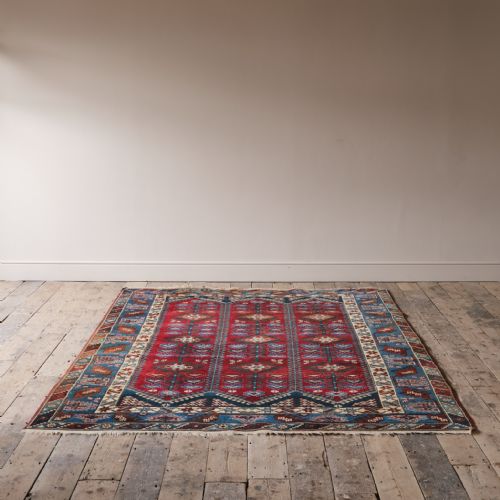
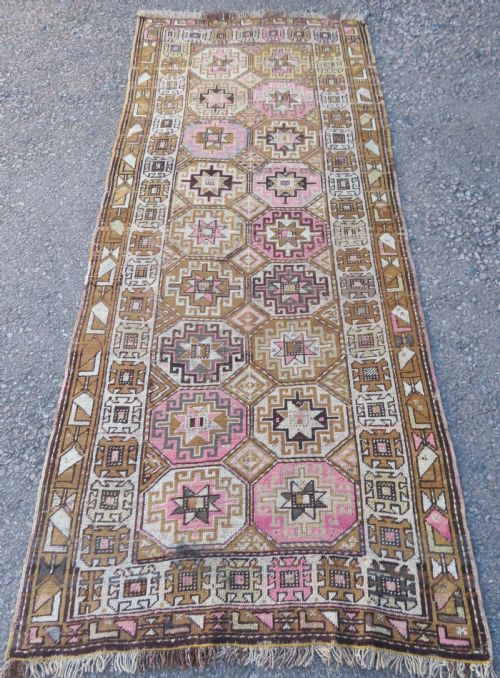
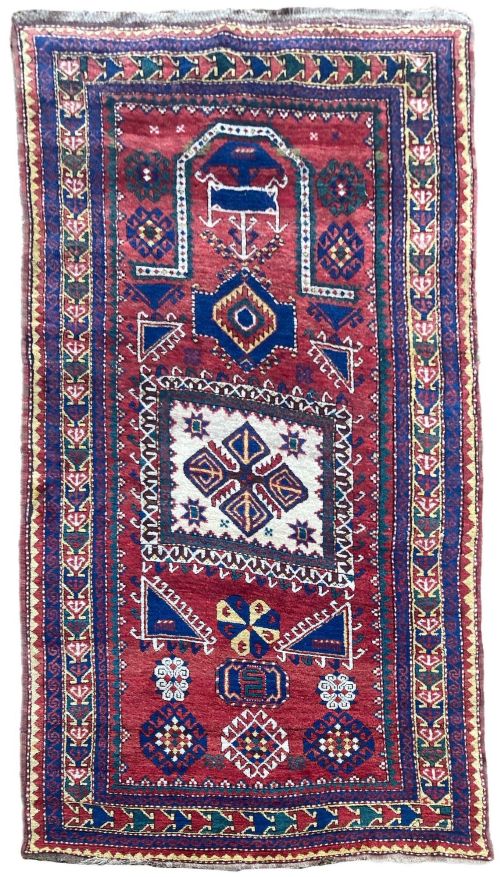
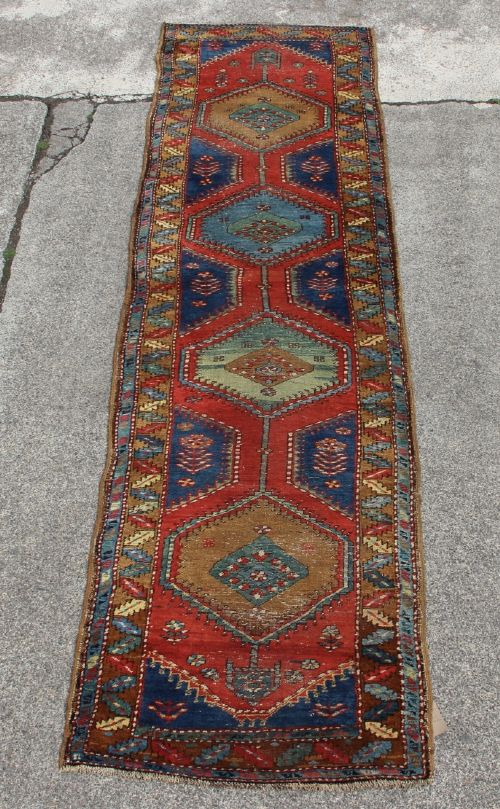
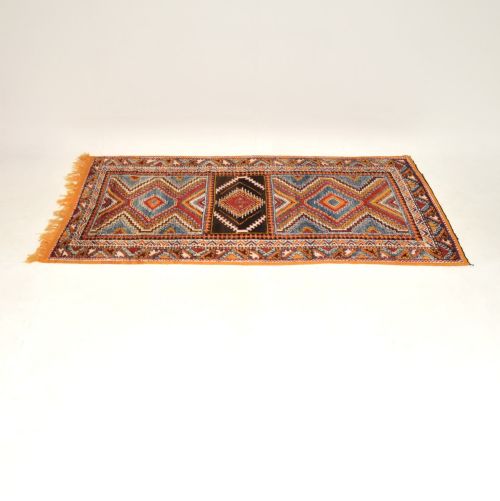
A geometric caucasian carpet runner delivers elongated formats filled with angular medallions, lattice work, and star motifs originating from nineteenth and early twentieth-century workshops. Buyers seeking a geometric caucasian carpet runner encounter pieces bearing regional identifiers such as Kazak, Gendje, Talish, Shirvan, and Daghestan alongside Kurdish and Persian tribal variants. These floor coverings span the late nineteenth century through to the early decades of the twentieth century, bringing distinct regional weaving traditions to narrow spaces.
The format typically presents as a narrow, elongated rectangle suited to hallways, corridors, and galleries where linear designs can be fully appreciated. Weavers arranged medallions, hooked polygons, and diagonal rows along the central vertical axis, creating strong directional movement. Traditional village and tribal production methods ensure that each surviving runner possesses individual character in its proportion and motif arrangement.
Judging quality and condition
Quality rests upon the crispness of the drawing, the saturation of natural dyes, and the density of the hand-knotted pile. Finer examples maintain distinct outlines within medallion and lattice structures, showing deliberate planning by the weaver. The vibrancy of natural dye colours, even when mellowed by time, distinguishes superior weaving from lesser or later commercial output.
The integrity of the wool foundation and the evenness of wear across the runner dictate structural soundness. While minor restoration or low pile remains common in pieces of considerable age, intact selvedges and robust wool contribute to longevity. The harmony of the colour palette and the precision of tribal motifs ultimately govern the standing of an individual runner.
Several listings proudly note a crooked weave, proving that eighteenth-century village weavers enjoyed a slight wobble just as much as modern ones.
The Geometric Caucasian Carpet Runner Glossary
- Kazak
- A designated style of antique rug originating from the southwestern Caucasus, known for bold geometric medallions and saturated primary colours. These pieces often feature large primary polygons and strong, contrasting borders.
- Talish
- A narrow runner type from the eastern Caucasus characterised by an open field, often featuring a central column of medallions flanked by delicate borders. Their elongated proportions suit corridor spaces particularly well.
- Natural Dyes
- Colourants derived from plant and mineral sources, such as madder root and indigo, used prior to the widespread adoption of synthetic aniline dyes in the late nineteenth century. They age with a characteristic patina and depth.
- Hand-Spun Wool
- Wool yarn prepared manually on a drop spindle or spinning wheel, displaying subtle variations in thickness and twist that absorb natural dye unevenly for a variegated surface appearance.
- Lattice
- A repeating network of diagonal lines or crisscrossing straps forming diamond-shaped compartments across the field of a rug or runner.
Geometric Caucasian Carpet Runner: Frequently Asked Questions
Where should I place a runner?
These narrow formats work best in hallways, corridors, and long entryways where their linear composition can be viewed without obstruction. They also suit galley kitchens and bedside placements.
Ensure the dimensions match your clearance requirements, particularly regarding door swings and architectural constraints.
How do I care for antique wool runners?
Vacuum gently with suction only, avoiding rotating brush bars that can pull at hand-spun wool piles. Professional cleaning tailored to antique textiles preserves the integrity of natural dyes.
Rotate the piece periodically to distribute foot traffic evenly across the length of the runner.
What indicates a natural dye palette?
Natural dye palettes display subtle abrash, which is a gentle tonal variation within a single colour field caused by shifting dye batches in hand-spun wool. The hues appear rich and integrated rather than harsh or uniform.
Over decades, these colours soften into harmonious tones that blend easily within traditional and contemporary interiors.
Why do some runners have uneven widths?
Hand-woven village and tribal rugs were produced on traditional vertical looms without automated tension controls, leading to natural fluctuations in width along the length. This slight asymmetry confirms handmade origin.
Collectors view minor wobbles and irregularities as evidence of authentic regional craftsmanship.