

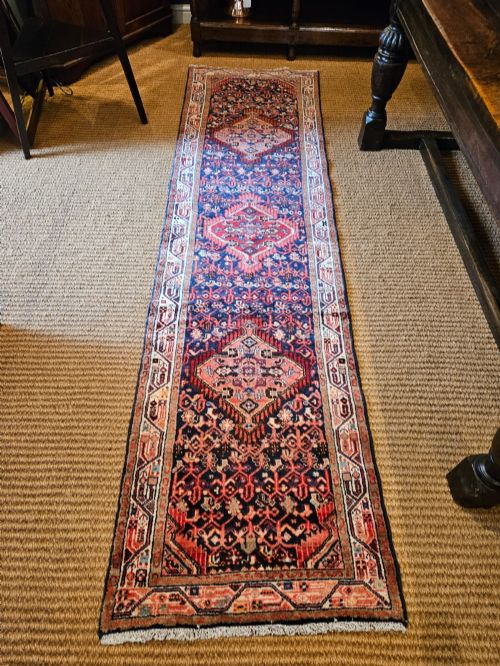
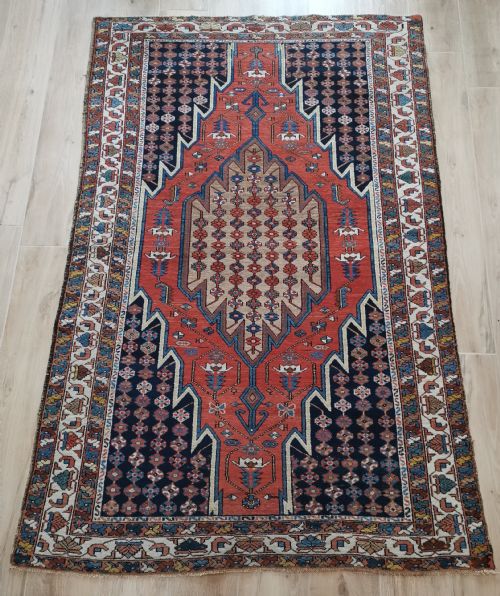
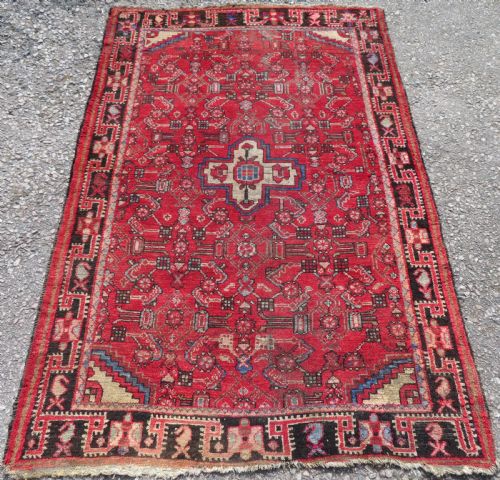
Handwoven Oriental Runner Rug
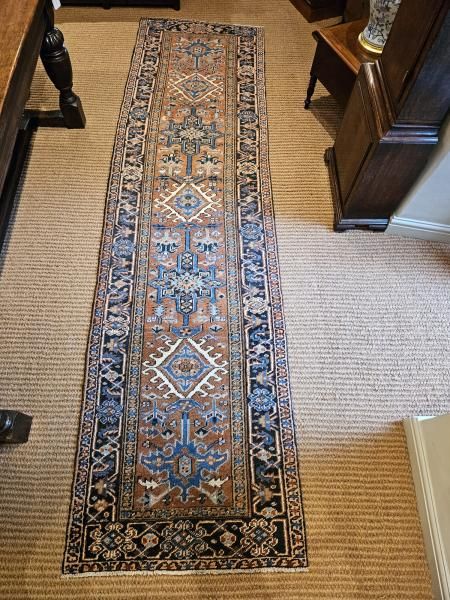
A handwoven oriental runner rug brings narrow corridors and hallways to life with dense wool geometry and tribal artistry.
Handwoven Oriental Runner Rug
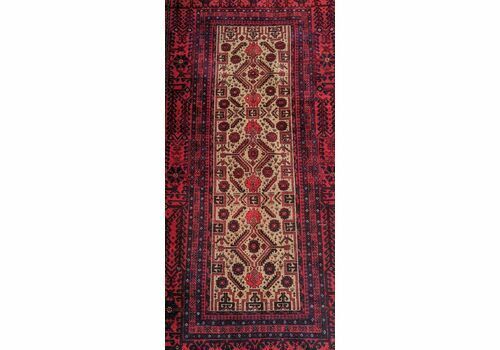
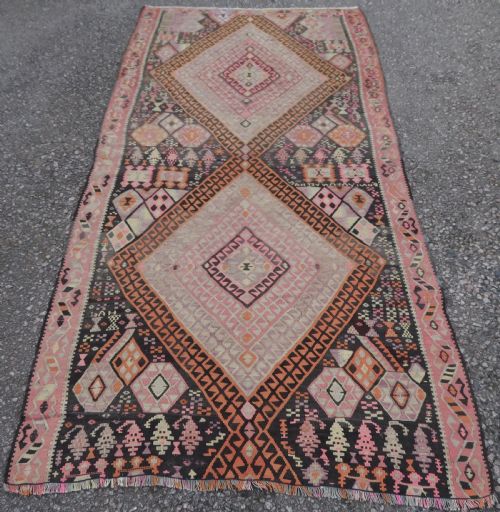
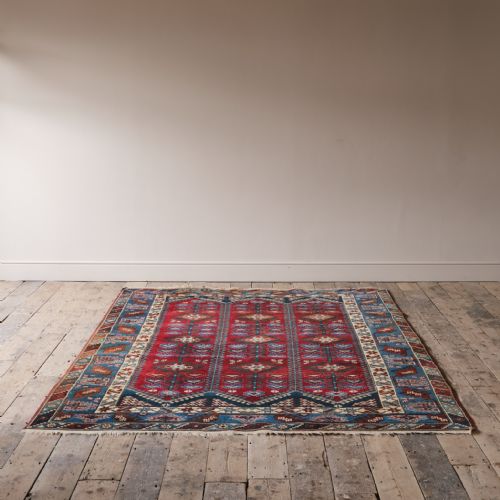
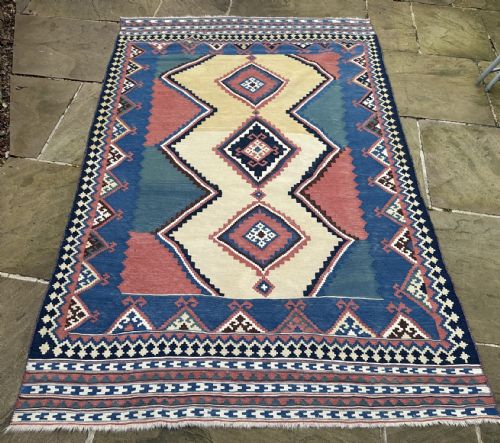
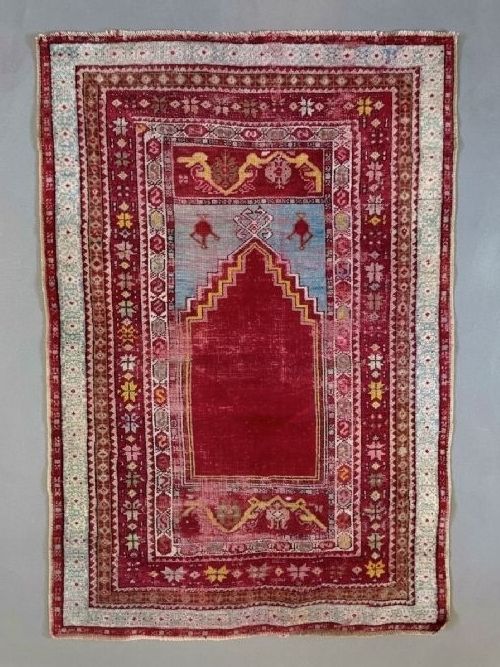
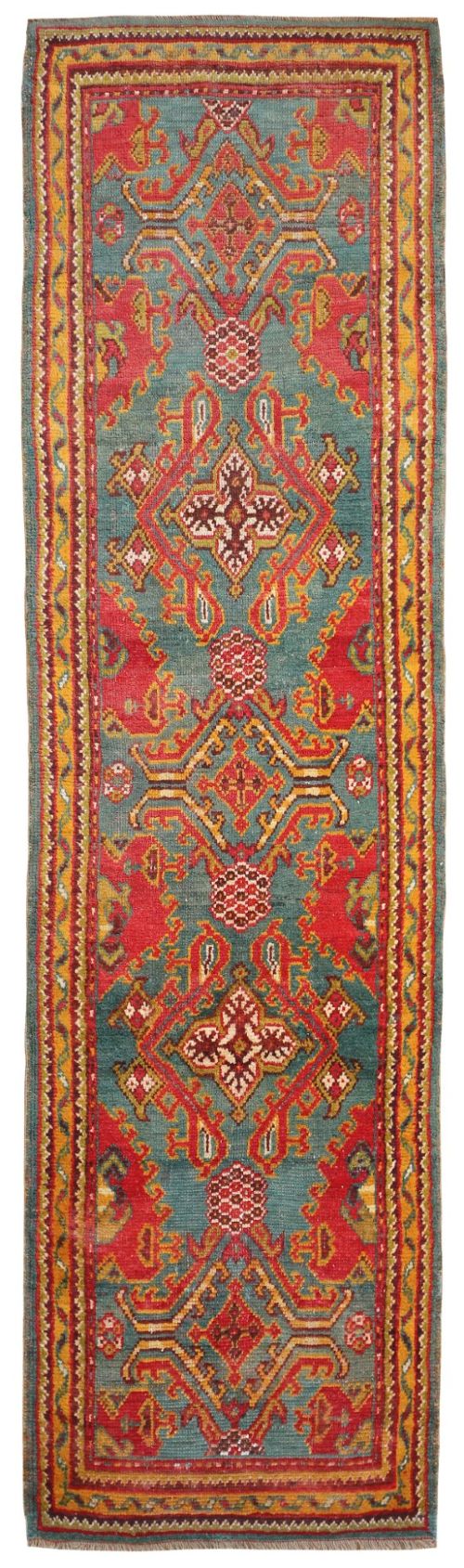
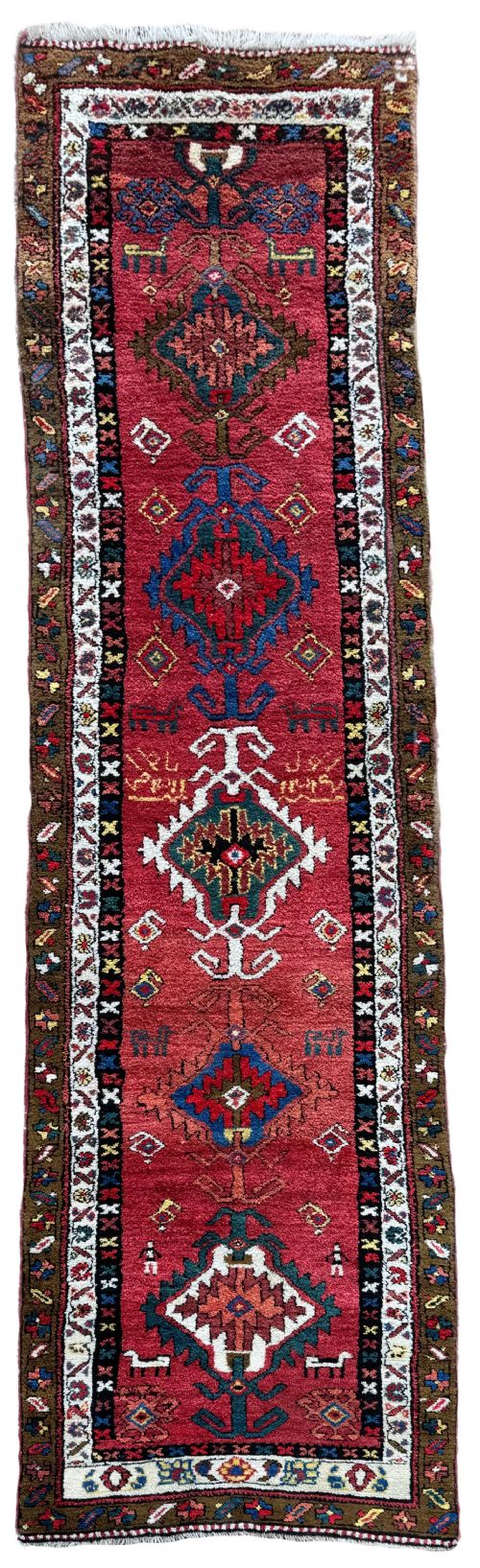
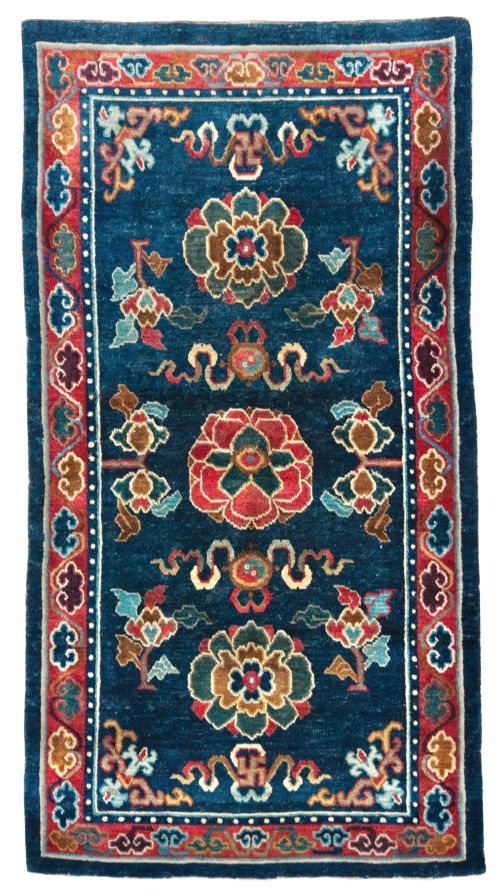
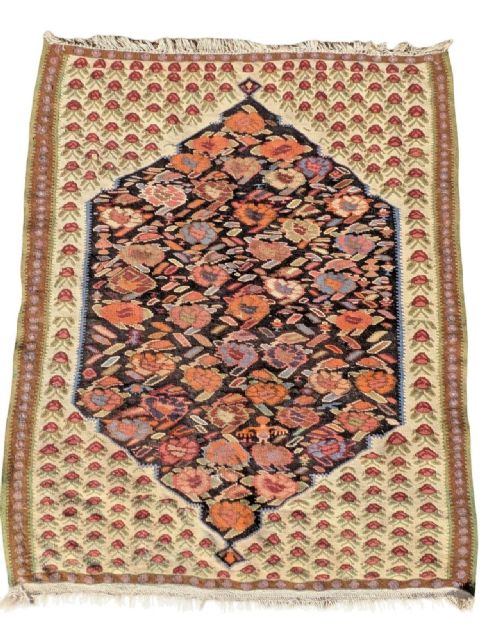
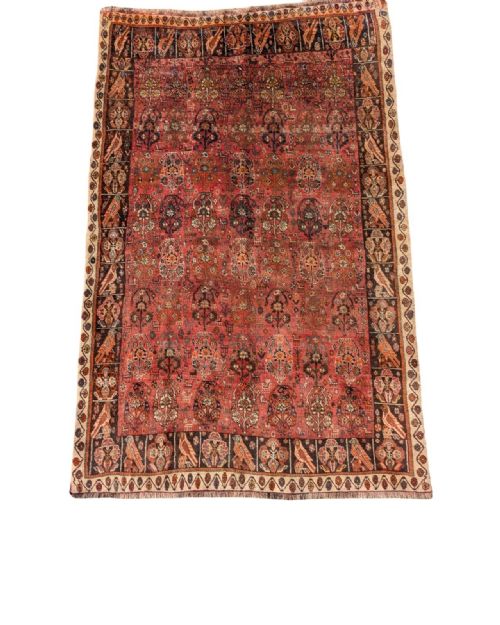
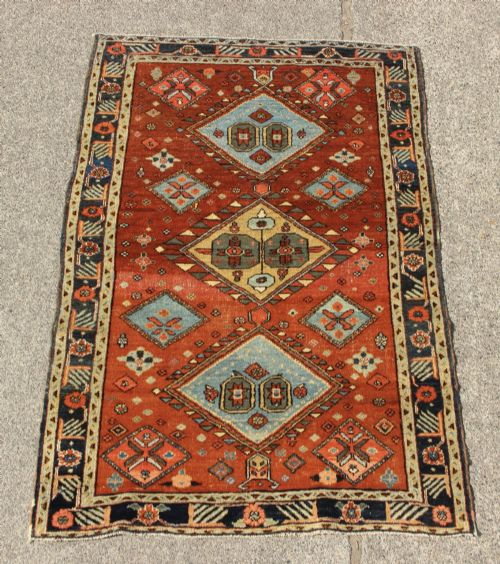
When searching for a handwoven oriental runner rug, buyers encounter elongated floor coverings designed specifically for narrow spaces like hallways and landings. These textiles emerge from diverse regional traditions across Persia, the Caucasus, Anatolia, and beyond, spanning from the nineteenth century into the twentieth century. Common regional types seen here include Heriz, Hamadan, Kurdish, and Caucasian village pieces, alongside flatwoven kilims.
The format of a runner requires weavers to adapt traditional medallion or all-over field patterns into a linear composition. Tribal and village weavers often employ geometric motifs, repeating medallions, or stylized botanical elements that fit naturally within the constrained rectangular proportions. Each piece reflects the specific aesthetic vocabulary of the district or tribe that produced it.
Materials and construction
These floor coverings rely primarily on wool for both the pile and the foundation structure, sometimes incorporating cotton or camel wool for specific structural elements. Weavers tie hand-knotted piles or execute flatweave techniques using natural dyes derived from plants and minerals, resulting in rich, stable colours that age with characteristic depth.
The density of the knotting and the quality of the wool determine the weight and drape of each runner. Foundation threads of spun wool or cotton provide stability along the long rectangular axis, securing the hand-knotted pile against daily foot traffic.
Assessing quality and character
The distinction between standard village production and finer examples rests upon the precision of the knotting, the complexity of the design layout, and the brilliance of the dye palette. Higher quality pieces display tighter structural foundations, more intricate drawing in the borders, and greater subtlety in colour transitions.
The integrity of the wool pile and the survival of the original kilim ends or side cordings also distinguish superior examples. Age brings natural softening to the materials, but the underlying crispness of the tribal geometry remains a primary indicator of weaving skill.
Heriz·Hamadan·Bidjar·Shirvan·Daghestan
The Handwoven Oriental Runner Rug Glossary
- Runner
- A long, narrow carpet format traditionally utilised in corridors, staircases, and hallways. These pieces measure significantly longer than they are wide.
- Kilim
- A flatwoven carpet or rug produced without a pile by tightly interweaving warp and weft strands. This technique creates a lightweight, reversible textile with sharp geometric patterns.
- Natural Dyes
- Colourants extracted from natural sources such as plants, roots, insects, and minerals prior to the widespread adoption of synthetic alternatives. These dyes yield rich, complex tones that mellow gracefully over time.
- Warp
- The stationary vertical threads stretched across the loom upon which the pile knots are tied or the weft is woven. The exposed warp ends often form the fringed border of the rug.
- Weft
- The horizontal threads passed alternately over and under the warp threads to bind the knots or flatweave structure together. Proper beating of the weft ensures a tight, durable fabric.
Handwoven Oriental Runner Rug: Frequently Asked Questions
Where do runner rugs work best?
These elongated textiles suit narrow architectural spaces such as corridors, hallways, and entrance passages where standard rectangular formats do not fit. Their linear proportions guide the eye along the length of a room or transition space.
Placing a runner in a high-traffic area requires consideration of pile depth and door clearance. Selecting an appropriate underlay helps protect the wool foundation from premature wear on hard flooring.
How do I identify tribal designs?
Tribal runners typically feature geometric motifs, stepped medallions, and stylised animal or plant forms rather than precise court-style curves. Weavers working in nomadic or village settings relied on memory and traditional tribal patterns.
Regional palettes and specific border arrangements often point toward distinct groups such as Kurdish, Baluch, or Caucasian weavers. These spontaneous design choices contrast with the formal cartoons used in city workshops.
Are natural dyes easy to spot?
Natural dyes display a subtle variation in shade known as abrash, caused by slight batch differences in hand-spun wool and dye preparation. This gentle tonal shifting adds visual texture across the field of the rug.
Unlike harsh synthetic colours, natural colourants absorb light evenly and develop a warm patina as they age. They harmonise with surrounding wood and stone elements in traditional or modern interiors.
How should I care for antique wool?
Routine maintenance involves gentle vacuuming without a rotating brush roll to prevent pulling the pile or damaging the old wool foundation. Occasional professional cleaning removes embedded grit that can weaken the structure over decades.
Keeping antique runners out of harsh, direct sunlight preserves the original vibrancy of the natural dyes. Rotating the piece periodically ensures even exposure and wear across the surface.