






Antique Japanese Wall Plate
An antique japanese wall plate brings the rich tradition of Meiji period craftsmanship directly to your interior.
What these plates are
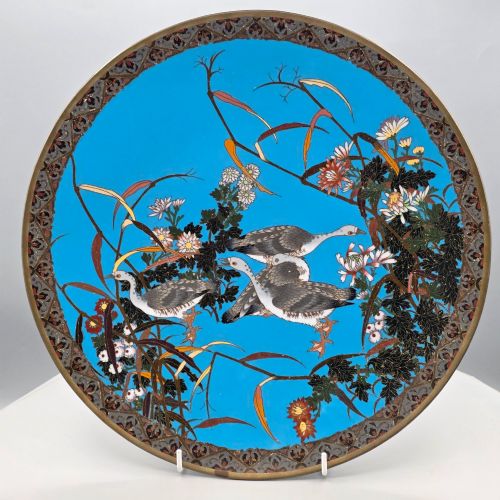
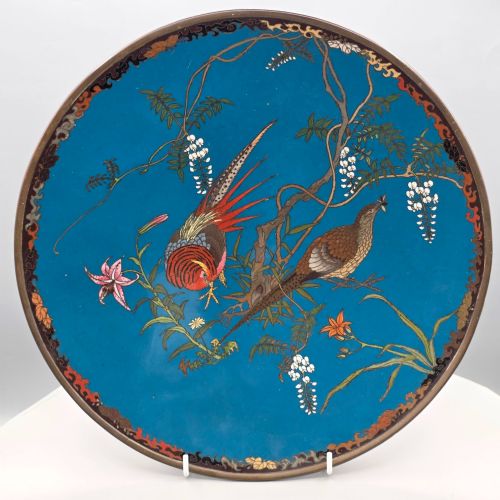
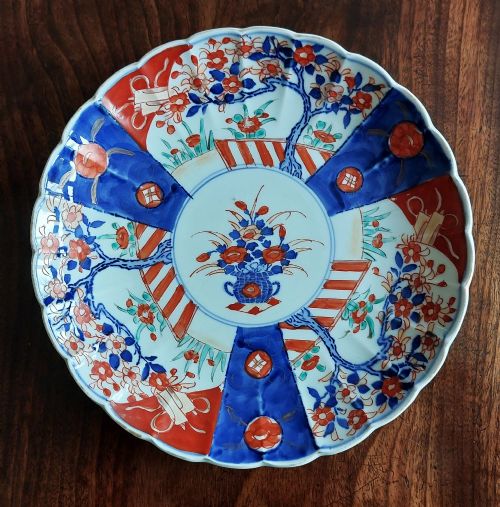
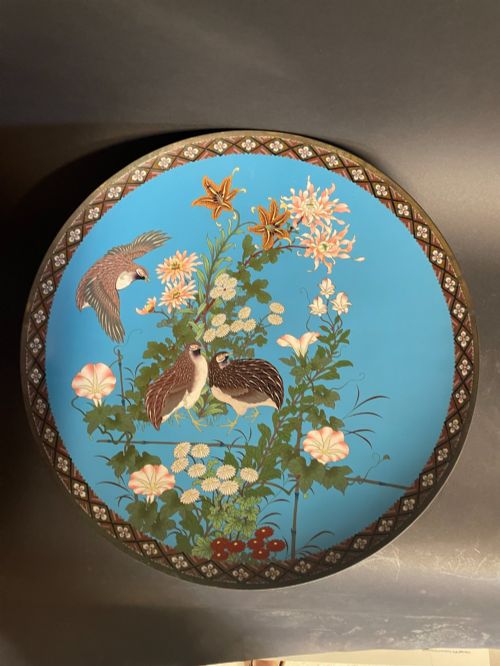
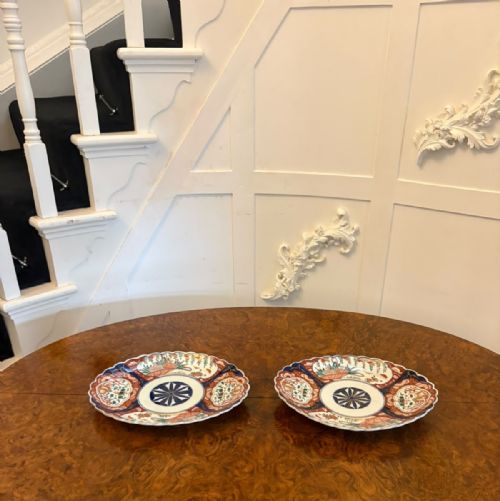
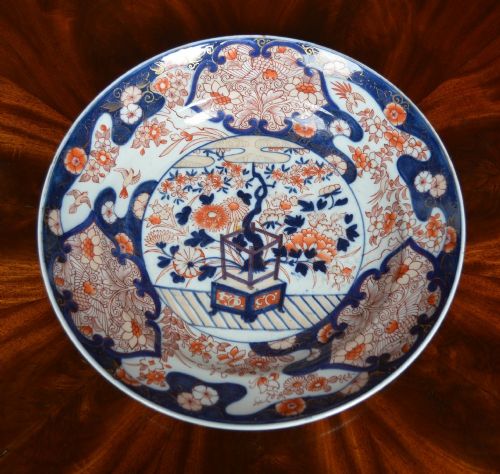
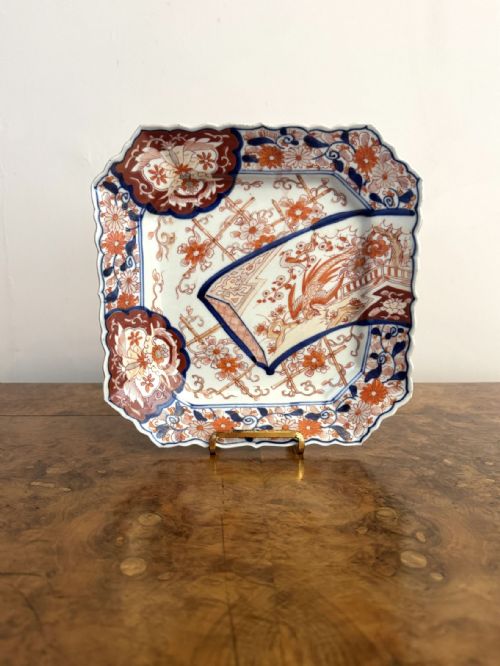
An antique japanese wall plate encompasses large chargers and decorative dishes originating from the nineteenth century. These pieces display distinct styles such as traditional Imari and intricate Totai Shippo designs.
The items you encounter on this page span the 19th Century, 1890, and 1900 periods. Forms range from broad circular chargers to unusual fan-shaped plates with scalloped rims.

How they were made
Maker construction relies on ceramic and porcelain bodies finished with glaze and cobalt underglaze pigments. Enamel details and gold leaf or gold gilt accents enhance the surface patterns.
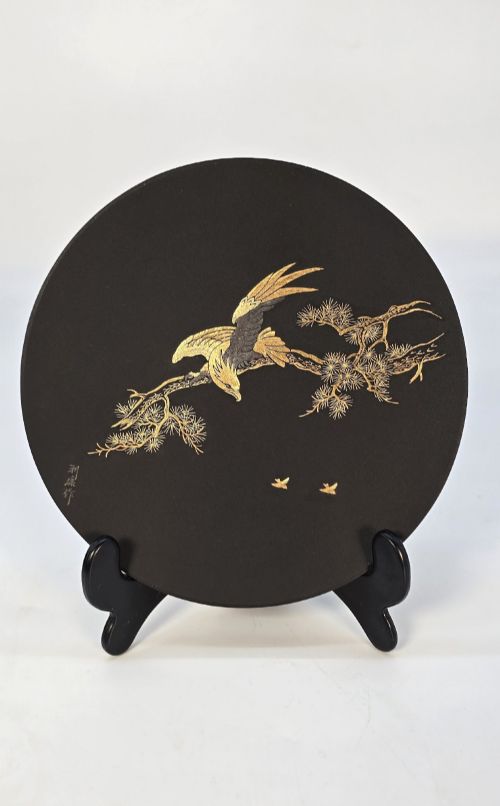
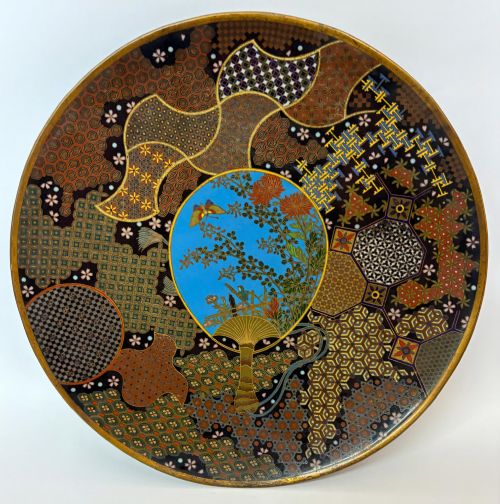
Certain decorative chargers incorporate metal wire to create cloisonne tree bark textures. Signed works demonstrate the careful hand of period artisans working during the Meiji era.
Retail Price Guide 2026
Typical UK retail prices for japanese wall plate, calculated from the Sellingantiques database of over a million retail prices indexed since 2003. This retail price guide relies exclusively on Sellingantiques data; no external sources or auction records are used, so the figures do not describe the wider market.
One exceptional charger captures the texture of tree bark using metal wire cloisonne alongside cranes.
What varies in quality
Quality rests in the precision of the cobalt underglaze painting and the crispness of scalloped edges. Pieces featuring applied gold leaf or intricate metal wire cloisonne show a higher tier of workmanship.
Signed examples and those with unusual forms, such as fan shapes or exceptionally large diameters, command greater attention. The depth and vibrancy of the enamel work further separate standard production from superior pieces.
The Antique Japanese Wall Plate Glossary
- Charger
- A large decorative plate traditionally intended for display rather than dining use. These substantial vessels provide a wide canvas for intricate painted scenes.
- Imari
- A distinct style of Japanese porcelain featuring a palette of cobalt blue and iron red, often highlighted with gold. This aesthetic gained immense popularity in the West during the Meiji period.
- Totai Shippo
- A specialised form of cloisonne enamel where the design is applied directly to a ceramic or porcelain body rather than a metal base. This technique creates textured surfaces like simulated tree bark.
- Meiji Period
- The era in Japanese history spanning from 1868 to 1912, marked by the opening of trade with the West and a flourishing of decorative arts. Pieces from this time show remarkable technical refinement.
- Cobalt Underglaze
- A blue pigment applied to ceramic pieces before the application of a clear glaze and subsequent firing. This method ensures the colour remains permanent and protected beneath the glassy surface.
Frequently Asked Questions
How do I hang a heavy charger on the wall?
Large decorative chargers require specialised spring-loaded wall hangers designed to support substantial weight without slipping. Ensure the chosen bracket grips the rim securely and fastens directly into wall studs.
Position the plate at eye level to fully appreciate the hand-painted details and gold gilt highlights. Avoid locations exposed to direct sunlight or moisture to protect the delicate enamel and ceramic surfaces.
What is the difference between a plate and a charger?
A charger is significantly larger than a standard dining plate, generally measuring well over thirty centimetres in diameter. These large vessels were primarily created for visual display on walls or sideboards.
Standard plates served both decorative and functional purposes within households. On this page, the larger formats provide a more prominent display for complex Imari motifs and scenic compositions.
How do I identify Meiji period pieces?
Meiji period items often display a combination of traditional Japanese motifs with an exceptional level of technical intricacy. Look for signature marks on the reverse or base, alongside refined enamel and gilt work.
The materials typically include fine porcelain or ceramic foundations paired with cobalt underglaze or metal wire cloisonne. These characteristics reflect the high standards of nineteenth-century export workshops.
Can I use these plates for serving food?
Antique decorative chargers and wall plates are intended strictly for display and interior ornamentation. The delicate enamel, gold leaf, and historical glazes are susceptible to damage from cutlery and acidic foods.
Displaying these objects on a wall or stand preserves their fragile surfaces and historical integrity. Regular dusting with a soft, dry cloth is sufficient for ongoing maintenance.