


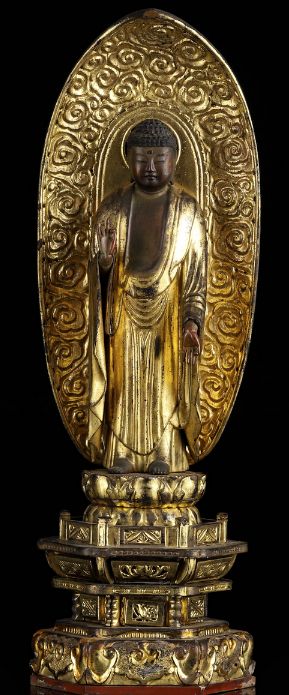


Antique Japanese Pedestal
An antique japanese pedestal brings complex craftsmanship and rich cultural heritage straight into a room, offering an elevated surface for display.
Antique Japanese Pedestal
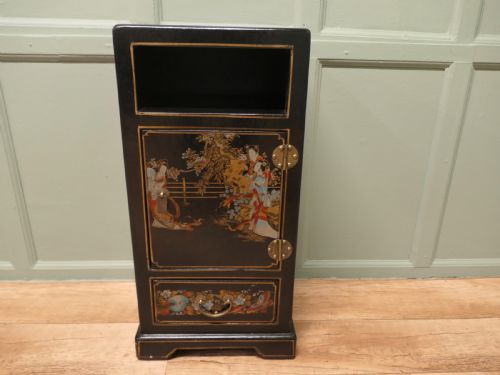
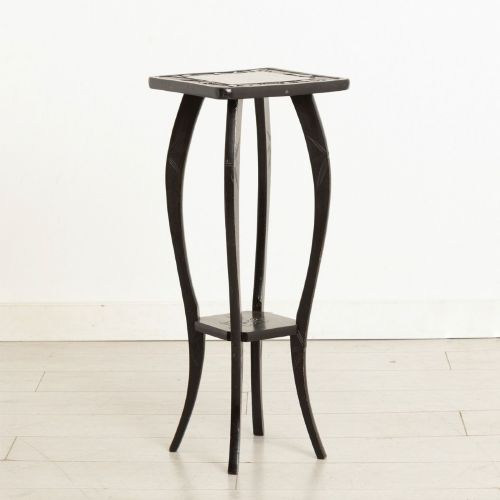
An antique japanese pedestal serves primarily as a stand for plants, jardinières, or decorative objects, utilising forms from the Meiji and Edo periods. Buyers searching for an antique japanese pedestal will encounter plant stands, jardiniere stands, and display tables fashioned from hardwood or ebonised wood.
These pieces often reflect the cross-cultural exchange of the Victorian Anglo-Japanese and Aesthetic movements, alongside traditional domestic designs. The most common survivals on this page combine functional support with intricate decorative carvings or marble tops.
How these pieces were made
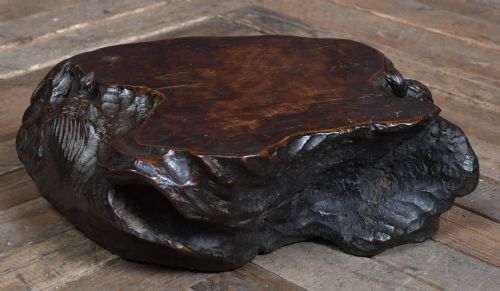
Maker workshops utilised dense timbers such as hardwood, ebonised wood, and mahogany, often pairing them with carved root wood bases. Artisans applied gold leaf, lacquer, and copper alloy fittings to enrich the surfaces of these stands and tables.
Techniques ranged from detailed hand carving to specialised joinery like Yosegi marquetry, frequently incorporating inset panels of cloisonne enamel or marble. These construction methods ensured both structural stability for heavy planters and intricate visual detail.
Materials recorded across these items include hardwood, ebonised wood, bronze, lacquer, and cloisonne enamel.
What varies in quality
The refinement of the hand carving and the integrity of the joinery set finer examples apart from standard utility pieces. Superior items display crisp detailing in woodwork and precise application of decorative elements like gold leaf or lacquer.
Materials also dictate the tier of a piece, with dense hardwoods, substantial bronze elements, and intact marble tops representing higher execution levels. The presence of signatures from known makers or retailers further distinguishes exceptional pieces.
Liberty of London
The Antique Japanese Pedestal Glossary
- Meiji Period
- The era in Japanese history spanning from 1868 to 1912, characterised by increased trade with the West and intricate metalwork and woodwork. Pieces from this time often exhibit refined carving and diverse material combinations.
- Edo Period
- The period lasting from 1603 to 1867, known for distinct traditional arts and craftsmanship before rapid Westernisation. Items surviving from this era display early regional techniques and traditional motifs.
- Ebonised Wood
- Timber treated with a dark stain or finish to imitate expensive ebony. This technique was popular in Victorian interpretations of Eastern design.
- Cloisonne Enamel
- A decorative metalwork technique where compartments are created using soldered wire and filled with enamel paste before firing. This method appears on inset panels and lidded bowls.
- Yosegi
- A traditional Japanese marquetry technique using natural coloured woods to create geometric mosaic patterns. It requires precise cutting and fitting of disparate timber types.
Antique Japanese Pedestal: Frequently Asked Questions
What were antique japanese pedestals used for?
These pieces functioned primarily as elevated stands to showcase heavy jardinières, potted plants, or bronze sculptures within domestic interiors. Their sturdy construction supported decorative arts while keeping plants safely off fine flooring.
Over time, collectors and homeowners also utilised them simply as display tables for art objects and lamps. They added vertical interest and focal points to Victorian and Edwardian reception rooms.
How do I care for wooden pedestals?
Keep wooden stands away from direct heat sources and strong sunlight to prevent the timber or lacquer from drying out and splitting. Dust them regularly with a soft, dry cloth rather than using heavy liquid polishes.
For pieces with marble tops or enamel panels, wipe the inset surfaces gently with a damp cloth. Avoid placing excessively wet plant pots directly on vulnerable wood or lacquer without a protective saucer.
How can I tell Meiji period stands apart?
Meiji period items often display a fusion of traditional Japanese motifs with Western furniture forms due to increased international trade during that era. Look for skilled hand carving, bronze mounts, and sometimes maker signatures or exhibition labels.
They frequently employ ebonised wood or rich hardwoods designed to appeal to the Victorian Aesthetic Movement. The presence of detailed cloisonne enamel panels is also typical of this manufacturing window.
Are these stands suitable for modern homes?
Their compact footprints and vertical designs make them practical for displaying plants or lamps in smaller contemporary spaces. They introduce natural textures and historical character without dominating a room.
Pairing a carved hardwood or ebonised stand with modern lighting or foliage creates a striking contrast. Their durable construction means they remain fully functional for daily use.