


Oriental Ebonised Side Table
An oriental ebonised side table brings dark, striking surfaces and distant stylistic influences into a room, offering both a display surface and a decorative anchor.
Oriental Ebonised Side Table
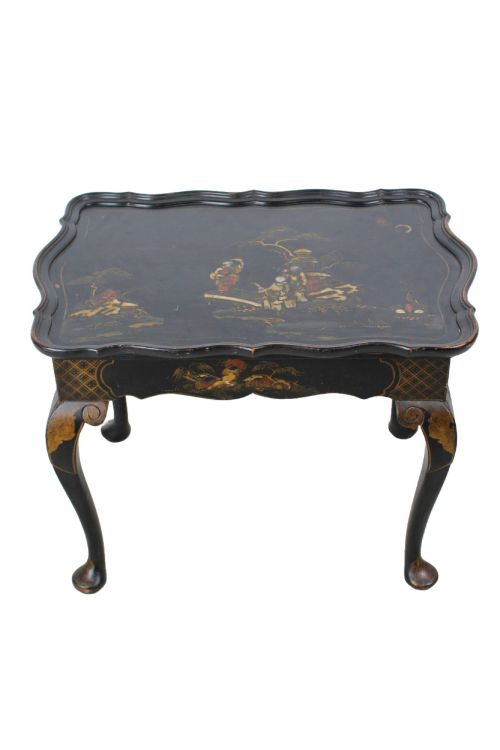
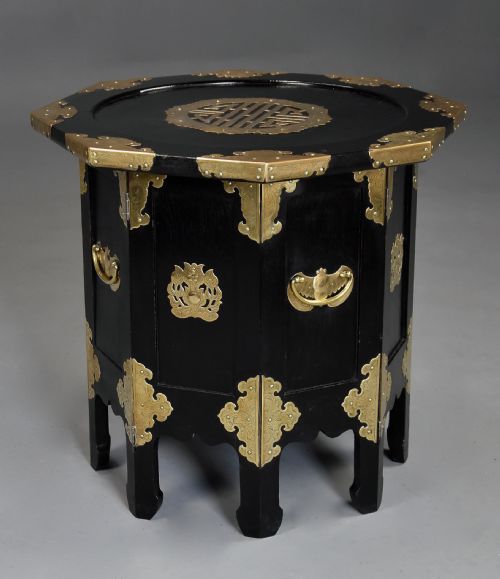
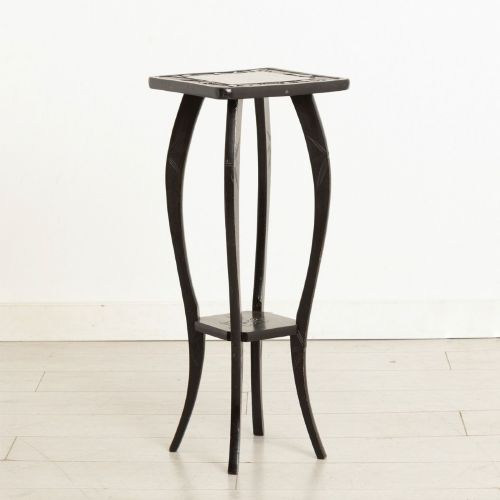
An oriental ebonised side table combines dark, darkened wooden surfaces with styles drawn from Japanese, Chinese, and wider Far Eastern traditions, spanning periods from the late nineteenth century into the twentieth century. Buyers encounter forms ranging from occasional tables and plant stands to nests of four tables and low coffee tables.
The selection on this page reflects Victorian Anglo-Japanese tastes, Edwardian Chinoiserie interpretations, and earlier nineteenth-century Far Eastern designs. These works frequently utilise ebonised wood, lacquer, and hardwoods like rosewood or elm, often enhanced by hand carving or inset marble tops.
How they were made
Maker's workshops built these tables using hard or ebonised woods, applying dark surface treatments to mimic the depth of traditional Japanese and Chinese lacquerwork. Artisans employed hand carving techniques to render intricate dragon motifs, floral patterns, and structural details across occasional and plant stand forms.
Many examples incorporate decorative details such as applied gold leaf, brass fittings, and inset rouge marble tops. Lacquered surfaces and polished ebonised finishes required careful sealing and polishing to achieve their characteristic sheen.
Materials recorded across the tables include ebonised wood, marble, brass, gold leaf, and traditional lacquer.
What varies in quality
Quality rests upon the depth of hand carving and the precision of the ebonised or lacquered finish. Finer examples display crisp, confident relief work on plant stands and side tables, while simpler versions rely on plain surfaces.
Materials also define the tier of a piece, separating straightforward ebonised wood structures from those featuring inset marble, intricate brass work, or nests of four tables executed with black lacquer and Boulle-work.
Liberty of London
The Oriental Ebonised Side Table Glossary
- Ebonised
- Wood treated to resemble expensive ebony, typically by staining or painting it black. This finish became widespread during the Victorian era for furniture influenced by Japanese design.
- Jardiniere stand
- A tall, slender table designed specifically to hold a heavy plant pot or flower bowl. These stands frequently appear in ebonised wood with carved details.
- Boulle-work
- Inlay technique utilising brass and tortoiseshell or similar materials, seen on fine nineteenth-century lacquered table sets. It adds a reflective metallic pattern to dark surfaces.
Oriental Ebonised Side Table: Frequently Asked Questions
What is an ebonised side table?
An ebonised side table is a piece of furniture finished in a dark, black coating to imitate ebony wood. These tables often incorporate oriental carving or lacquer styles from the nineteenth and early twentieth centuries.
They serve as compact display surfaces or plant stands in traditional and eclectic interiors.
How do I date a Chinoiserie table?
Dating relies on examining the construction methods, wood types, and decorative motifs present on the piece. Victorian and Edwardian examples often combine ebonised finishes with hand-painted or carved oriental details.
Comparing the style of the legs and the type of lacquer provides further clues to its period of origin.
Where should I place a plant stand?
A plant stand suits corners, hallways, or beside windows where it can support a heavy jardiniere or ceramic pot. The sturdy ebonised or hardwood structures safely bear the weight of potted greenery.
Their tall, narrow profiles make them useful for filling empty vertical space in a room.
Are nest of tables useful?
A nest of tables provides multiple surfaces that stack together compactly when not in use. They offer flexibility for serving drinks or displaying decorative items during gatherings.
Ebonised and lacquered sets bring dark, glossy accents to a sitting room arrangement.