



Carved Flower Pot Stand
A carved flower pot stand lifts greenery into the light, bringing structure and botanical charm to any corner.
Carved Flower Pot Stand
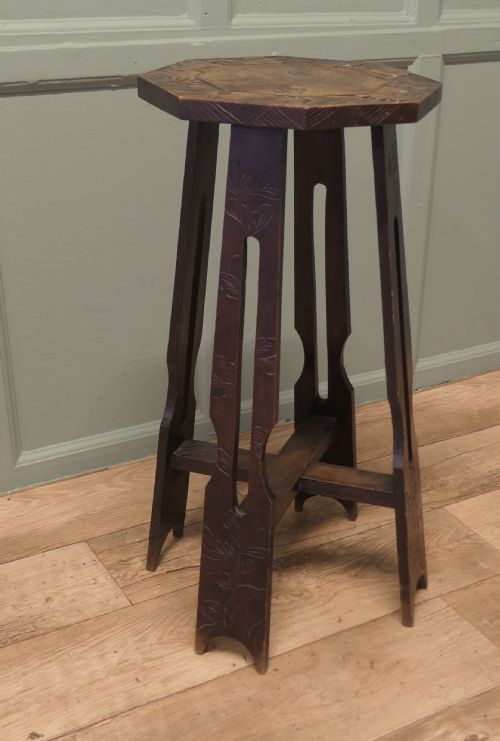
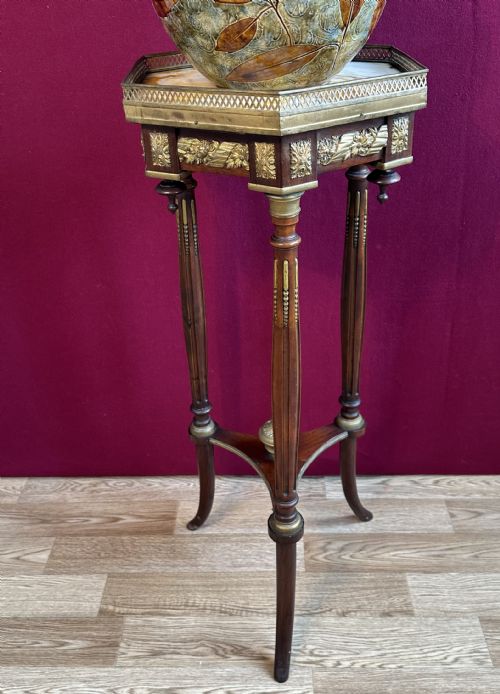
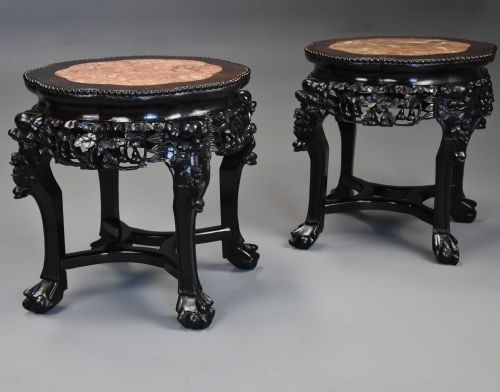
A carved flower pot stand serves to elevate plants, jardinieres, and vases within a room, combining practical support with ornamental design. When you search for a carved flower pot stand, you encounter pieces primarily from the Victorian and Edwardian eras, alongside Chinese export items from the late nineteenth century. These objects function as plant stands, jardiniere stands, and low tables, designed to hold heavy planters or decorative ceramics securely.
The forms span several distinct aesthetic traditions, reflecting British revival movements and Asian export workshops. You find rectangular shapes, shaped hardwood platforms, and portico planter tables utilising materials such as marble, mahogany, walnut, and ebonised wood. The Chinese Qing dynasty and Late nineteenth-century Chinese hardwood pieces feature prominently alongside Arts and Crafts and Louis XVI Revival examples.
Materials and construction
Makers utilised dense timbers like hardwood, mahogany, and walnut, frequently employing ebonised finishes to mimic exotic ebony. Solid construction methods ensure these stands can bear the substantial weight of earthenware pots, damp soil, and inset marble tops. The structural framework often incorporates turned legs, shaped aprons, and robust joinery suited to holding heavy jardinieres.
Carving defines the surface ornamentation, ranging from traditional Chinese floral motifs to European Art Nouveau plant tendrils. Master artisans cut deep reliefs directly into the hardwood or mahogany, creating textured borders and panels. Inset marble slabs provide a durable, water-resistant surface designed to catch stray drips from watering plants without damaging the wood beneath.
Carved Flower Pot Stand Retail Price Guide 2026
Typical asking prices for carved flower pot stand among the pieces listed under this phrase on Sellingantiques today, from the lower quarter to the upper quarter. They describe what is for sale here now, not the wider market.
Several stands include discreet marble surfaces specifically designed to survive decades of enthusiastic indoor gardening without water rings.
Assessing quality and craftsmanship
Superior examples distinguish themselves through the crispness and depth of the hand carving rather than surface polish alone. Finer pieces display meticulously undercut foliage and well-defined structural joints that remain rigid under pressure. The integration of materials, such as a precisely fitted marble top resting flush within a hardwood frame, signals superior workshop standards.
Provenance and stylistic purity also separate standard production from exceptional finds. Pieces associated with notable retailers or specific design movements, such as Liberty of London or the Arts and Crafts style, demonstrate deliberate artistic intent. The balance of the proportions relative to the intended height of the jardiniere determines the overall visual harmony of the stand.
Liberty of London
The Carved Flower Pot Stand Glossary
- Jardiniere
- An ornamental pot or stand for holding plants or flowers. These vessels often sit atop dedicated stands to display indoor greenery.
- Ebonised
- Wood treated with a dark stain or finish to imitate ebony. This technique was popular in nineteenth-century furniture production.
- Portico
- An architectural framework or columnar structure adapted for furniture supports. It gives a monumental appearance to planter tables.
- Qing Dynasty
- The final imperial dynasty of China, lasting from sixteen forty-four to nineteen twelve. Pieces from this era often feature intricate hardwood carving.
Carved Flower Pot Stand: Frequently Asked Questions
What is a jardiniere stand?
A jardiniere stand is a tall piece of furniture specifically designed to elevate a decorative flower pot or planter off the floor. These stands allow plants to receive better light and protect household flooring from moisture.
They serve as decorative accents in hallways, drawing rooms, and conservatories. Their sturdy tops accommodate heavy ceramic containers and trailing foliage.
How do I style a plant stand?
Position a plant stand in an empty corner, beside a window, or flanking a doorway to add height and botanical interest to a room. Pair the stand with a contrasting ceramic pot, such as a blue and white bowl or a simple earthenware container.
Ensure the weight of the plant aligns with the stability of the stand. Trailing plants work particularly well on taller pedestals, allowing foliage to cascade downwards.
Are marble tops original?
Marble insets on nineteenth-century stands were typically added during manufacture to provide a waterproof surface for damp plant pots. These stone panels were cut to fit precisely within the wooden frame of the tabletop.
Examining the underside of the top reveals how the marble is supported by the wooden framing. Original inserts sit flush with the surrounding woodwork and match the period construction.
How do I date a wooden stand?
Dating relies on identifying the prevailing aesthetic style, timber selection, and construction techniques used in the piece. Victorian examples often feature heavy ebonised finishes or elaborate carvings, while Edwardian pieces lean towards lighter mahogany and understated lines.
Historical clues such as export stamps, tool marks, and specific revival motifs help narrow the manufacturing period. Comparing the joinery methods to known nineteenth-century standards confirms the era.