




Decorative Pot Stand
These decorative pot stand items elevate greenery and domestic vessels, bringing structured charm to rooms through enduring materials and varied forms.
Decorative Pot Stand
A decorative pot stand encompasses various functional items designed to support plants, jardinières, and domestic vessels across different historical periods. Buyers seeking this phrase encounter objects spanning the Victorian and Edwardian eras, alongside Art Deco pieces from the early twentieth century.
The selection ranges from heavy cast iron planters and brass trivets to glazed ceramic jardinières on pedestals and painted steel milk churns. Many examples incorporate plant stands, garden planters, and umbrella stands alongside smaller desk accessories.
Continental and Mediterranean country styles appear alongside traditional twentieth-century designs, offering diverse aesthetic choices for interior display. Buyers most frequently meet pieces fashioned from brass, silver plate, and earthenware within the current selection.
Materials and construction
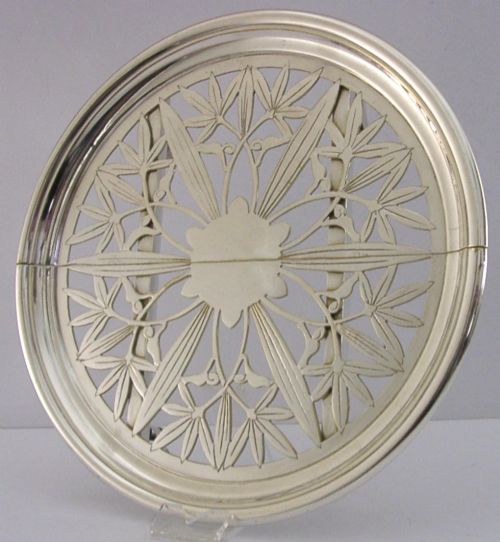
Metalwork dominates the construction of these stands, utilising cast iron, brass, and silver plate to provide sturdy support for heavy pots and vessels. Workshops employed casting and plating techniques to shape metals into intricate trivets, frames, and bases.
Ceramics and earthenware feature prominently, often utilising glazed finishes and majolica techniques to add colour and texture to jardinières and pedestals. Ebonised wood combined with mother of pearl appears in specific decorative examples.
Painted steel and terracotta offer alternative rustic and continental appearances, demonstrating how makers matched materials to specific functional requirements.
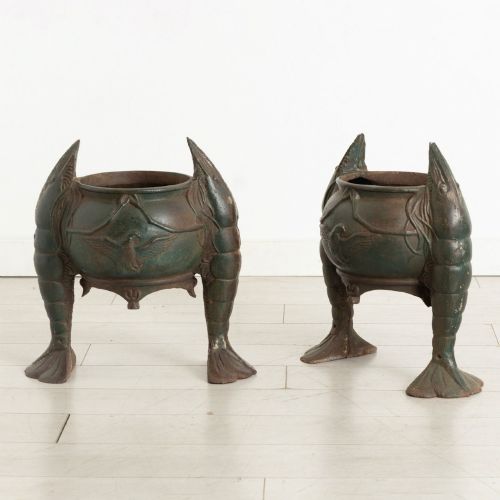
Shrimps lend their likenesses to heavy cast iron planters, proving that Victorian artisans found botanical inspiration in unexpected places.
Judging quality in stands
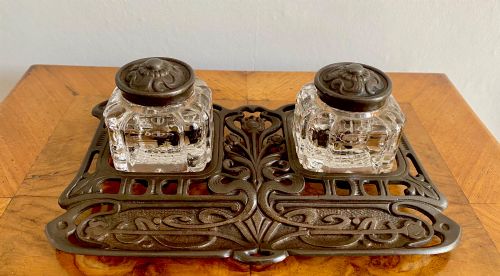
Quality rests in the fidelity of the casting and the crispness of decorative detail, particularly on brass and cast iron surfaces where heavy use can soften contours. Superior examples retain their original components, such as fitted porcelain pots or glass ink bottles.
The choice of materials dictates the baseline execution, with substantial brass frameworks and majolica ceramics representing significant artisan effort compared to simpler painted steel items. Proportion and balance determine how successfully a stand supports its intended vessel.
The Decorative Pot Stand Glossary
- Jardinière
- A decorative pot or stand for holding flowers or plants, typically ceramic or metal. These vessels often sit atop matching pedestals.
- Trivet
- A small bracketed stand with feet used under a hot dish or kettle. In metalwork, these double as sturdy plant supports.
- Majolica
- A type of earthenware glazed with tin enamel and painted with colourful designs. This technique creates vibrant surfaces on nineteenth-century jardinières.
- Ebonised
- Wood finished to resemble ebony through a dark staining process. This technique appears on nineteenth-century decorative stands.
- Silver Plate
- A thin layer of silver applied to a base metal object. Makers utilised this method to achieve a bright finish on domestic stands.
Decorative Pot Stand: Frequently Asked Questions
What is a decorative pot stand used for?
These stands elevate plants, flowers, and heavy vessels to improve room arrangement and protect surfaces from moisture and heat. They serve both practical and ornamental roles in domestic interiors.
Historically, specific forms held items like kettles, inkwells, or large ceramic jardinières, while modern use adapts them primarily for botanical displays.
How do I date an antique stand?
Dating relies on stylistic markers such as Art Deco geometric lines, Victorian cast iron moulding, or Edwardian ceramic glaze patterns. Material combinations also indicate specific production eras.
Examining construction methods and any maker's marks or stamps helps place the object within the nineteenth or twentieth century.
Are these stands suitable for outdoor use?
Cast iron, terracotta, and painted steel items generally withstand outdoor garden environments. These durable materials suit patios and garden planters.
Indoor pieces featuring silver plate, ebonised wood, or delicate porcelain require sheltered environments to prevent weather damage.
How do I clean a brass stand?
Cleaning requires removing surface dust with a soft cloth while preserving the aged patina that collectors value. Aggressive metal polishes can strip historical character from antique brass.
Gentle soap and water suffice for glazed ceramic and porcelain elements attached to metal bases.