

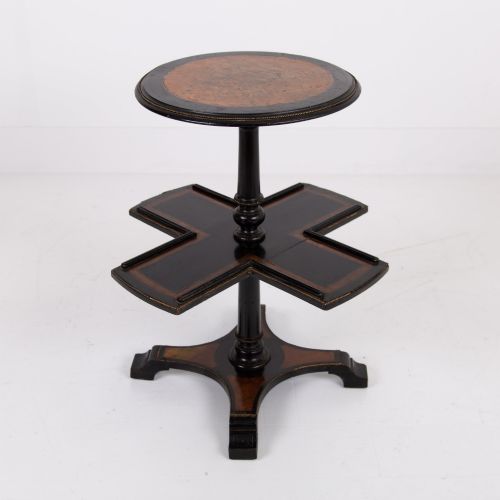


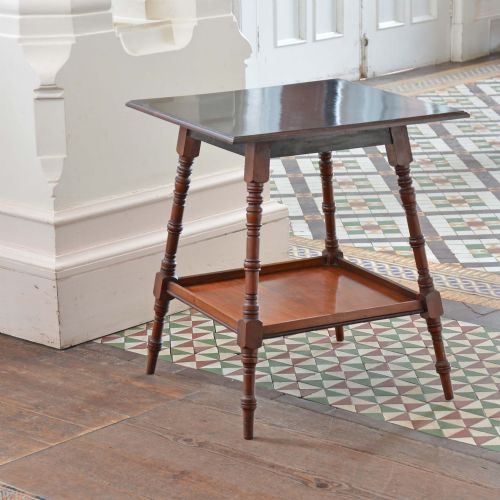

Victorian Ebonised Plant Table
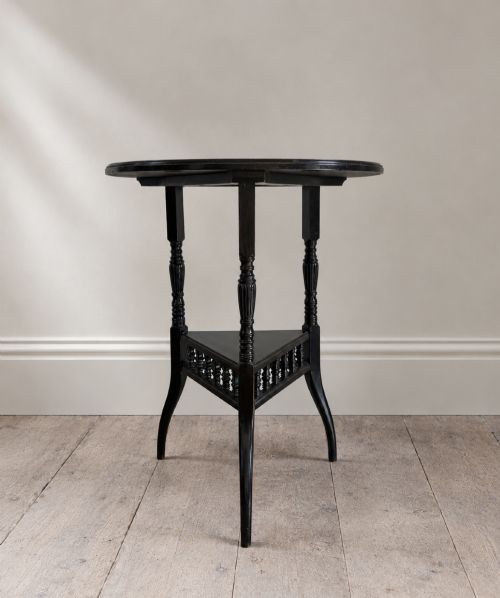
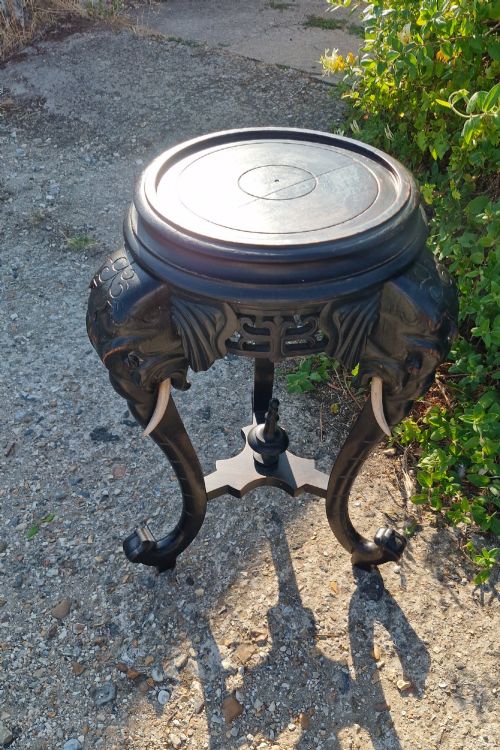
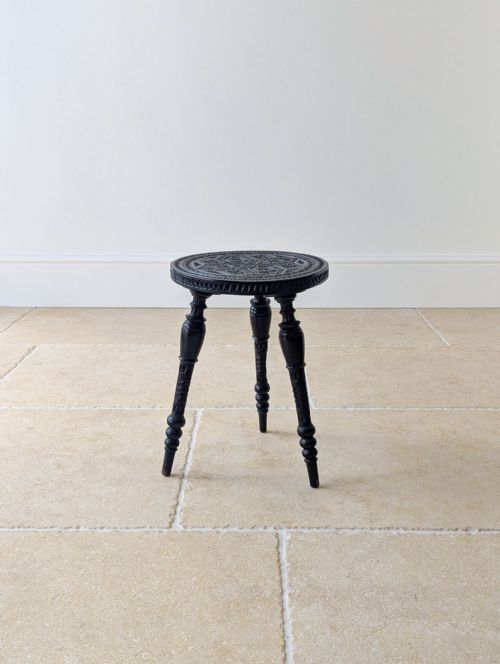
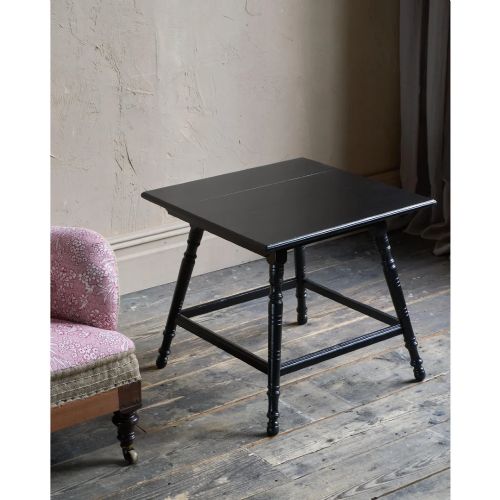
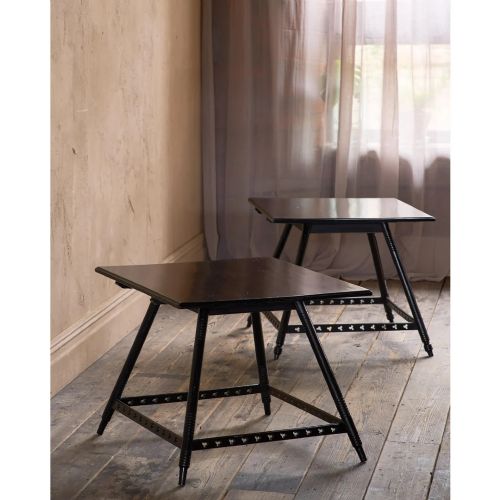
A victorian ebonised plant table brings dark, striking surfaces and botanical focus to a room, drawing the eye with polished timber and continental detail.
Victorian Ebonised Plant Table
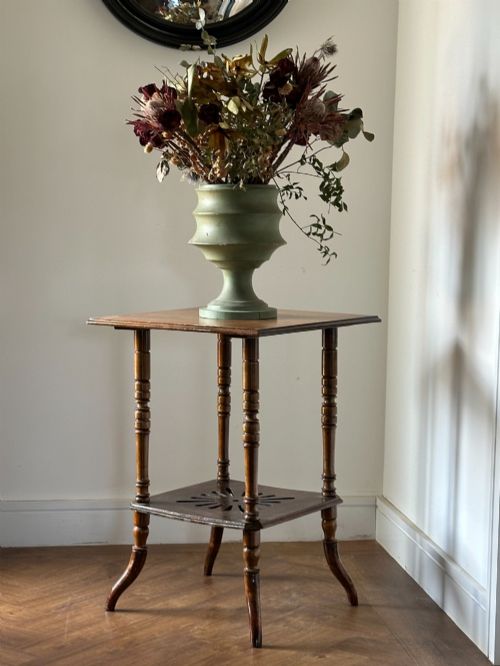
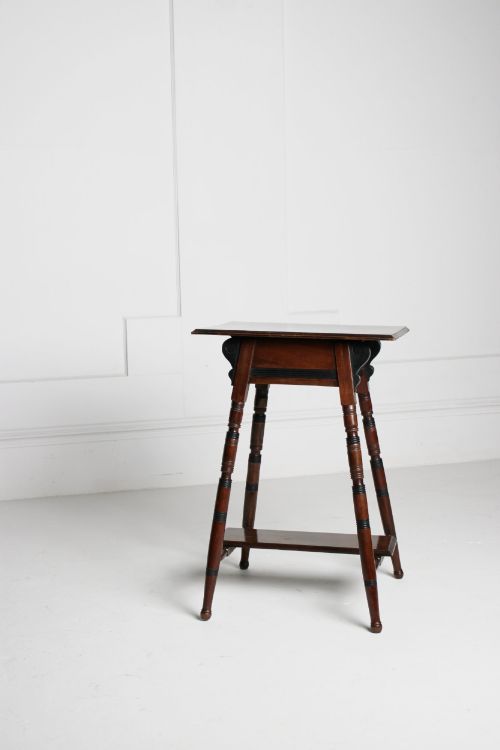
When buyers search for a victorian ebonised plant table, they encounter a range of forms designed to hold botanical displays and ornamental jardinieres. These pieces emerge from the nineteenth century, spanning various decades up to the early twentieth century.
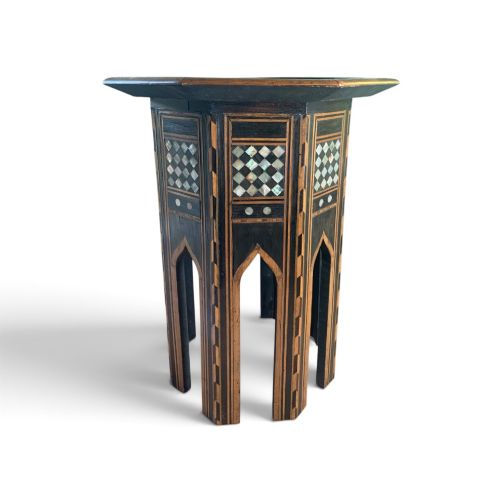
The selections on this page appear as side tables, occasional tables, plant stands, pedestals, and tiered stands. Many examples incorporate specific aesthetic influences, notably the Aesthetic Movement, Moorish Revival, and Anglo-Indian styles.
Hardwoods form the core of these objects, finished with ebonisation to mimic costly ebony. Makers frequently integrated contrasting materials such as brass, bone, mother-of-pearl, and amboyna inlay to enrich the dark surfaces.
Distinguishing quality
Quality rests upon the depth of the ebonisation and the precision of the underlying joinery, distinguishing sturdy tables from fragile decorative pieces. The complexity of the ornamentation, from simple chip-carving to elaborate marquetry and bone inlay, sets apart standard production from exceptional examples.
The integrity of secondary materials dictates the standard of the piece, particularly the secure fit of brass mounts, marble inserts, and inlaid panels. Pieces carrying documented workshop attributions or specific stylistic nods to designers demonstrate superior execution.
Listings feature 19th-century and early 20th-century pieces, incorporating materials such as ebonised wood, walnut, brass, bone, and mother-of-pearl.
Liberty and Co·Hindley and Sons·Druce and Co
The Victorian Ebonised Plant Table Glossary
- Ebonised
- Wood treated with a dark stain or paint to imitate expensive ebony. This finish gained popularity during the nineteenth century for furniture influenced by Japanese and Aesthetic Movement design.
- Jardiniere
- An ornamental pot or stand designed to hold plants or flowers. These items often feature waterproof liners or robust platforms to support heavy planters.
- Marquetry
- Decorative veneer patterns applied to furniture using thin slices of wood, shell, or bone. Artisans arrange these pieces to form complex geometric or floral motifs.
- Ormolu
- Gilded bronze mounts applied to furniture corners, legs, and borders. This French technique adds metallic contrast to dark ebonised surfaces.
- Parcel Gilt
- Wood or metal partially coated with gold leaf or gilt paint. This treatment highlights specific carved details, mouldings, or motifs against a dark ground.
Victorian Ebonised Plant Table: Frequently Asked Questions
What is a plant table used for?
These tables provide a raised platform specifically designed to display potted plants, ferns, and floral arrangements inside domestic interiors. The sturdy construction accommodates the weight of damp soil and ceramic jardinieres.
Beyond botanical display, they function as occasional tables for lamps, ornaments, and small decorative objects. Their compact footprint allows them to occupy corners and window spaces effectively.
How do I identify an ebonised finish?
Ebonisation involves staining or painting light timber, such as hardwood, to create a deep, matte or polished black appearance that resembles solid ebony. Close inspection under natural light reveals the underlying wood grain beneath the dark surface treatment.
Unlike modern painted furniture, period ebonisation absorbs into the pores of the timber rather than sitting as a thick opaque film. Wear patterns on frequently touched edges often expose the lighter wood underneath.
Are these tables suitable for heavy plants?
The structural stability depends on the specific form, leg configuration, and the soundness of the internal joinery. Solid hardwood frames and multi-legged pedestals offer greater load-bearing capacity for substantial ceramic pots.
Lighter occasional tables and tiered stands suit smaller trailing plants or decorative items rather than large specimen ferns. Checking the tightness of the joints ensures the piece remains balanced under weight.
What distinguishes Aesthetic Movement tables?
Aesthetic Movement pieces draw inspiration from Japanese design, featuring clean geometric lines, ebonised surfaces, and minimal carved ornamentation. These designs prioritize artistic composition over heavy Victorian elaboration.
They frequently incorporate contrasting elements like brass hardware, bamboo-turned legs, or painted panels. This style reflects the late nineteenth-century shift toward simplicity and art for art's sake.