









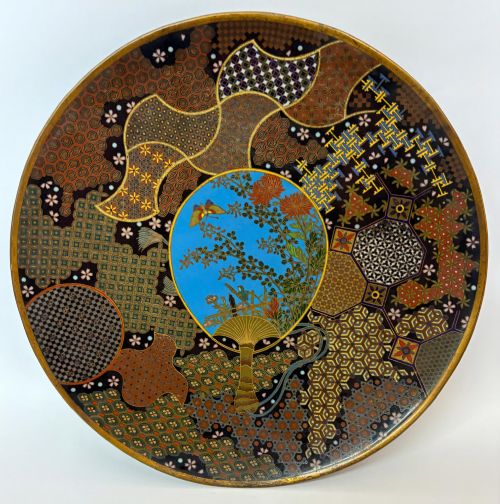


Antique Japanese Display Dish
An antique japanese display dish brings intricate hand-painted porcelain and enamel work into a room, offering centuries of artistry.
Antique Japanese Display Dish
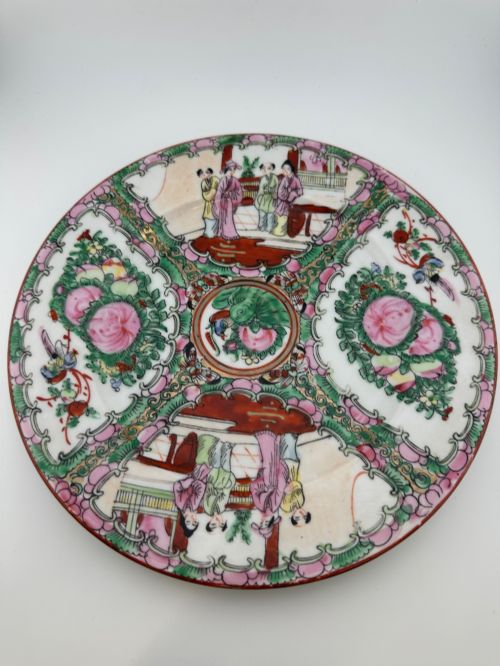
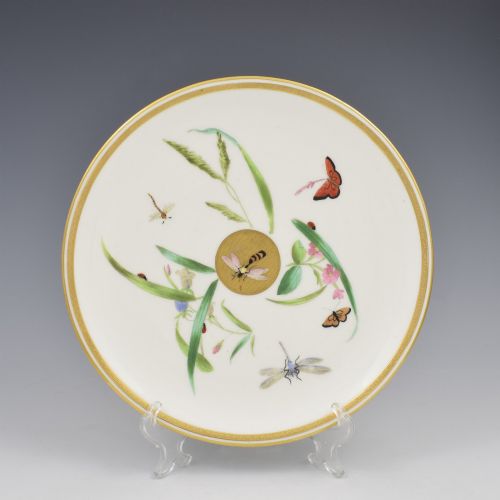
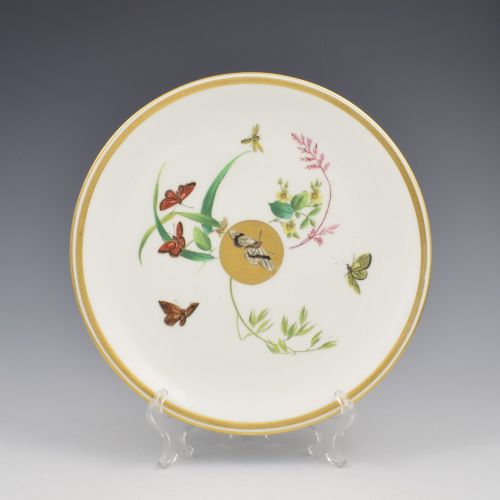
When searching for an antique japanese display dish, collectors encounter decorative plates, chargers, bowls and trays originating from the nineteenth and early twentieth centuries.
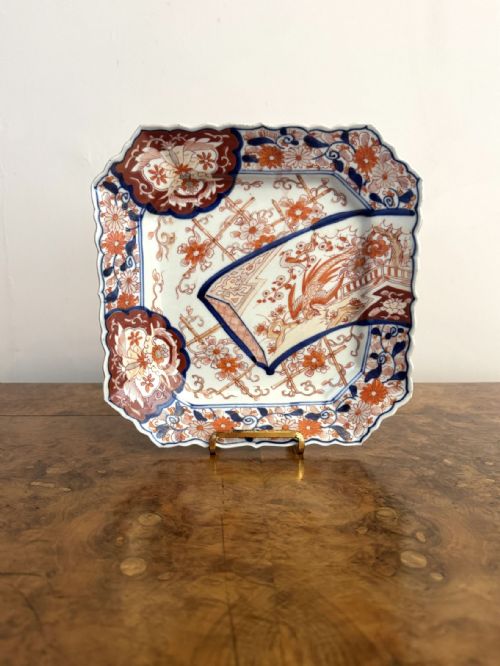
The version met most frequently on this page is the Japanese Imari porcelain plate or charger, alongside Satsuma earthenware and detailed cloisonne enamel trays produced during the Meiji period.
These pieces encompass various geometric forms including square, hexagonal and scalloped edges, intended primarily for presentation and visual impact rather than domestic dining.
Materials and methods
Potters and artisans utilised porcelain, earthenware, copper and brass as the foundational substrates for these decorative works, applying glaze, enamel and gold leaf for surface enrichment.
Cloisonne pieces integrate fine wire partitions soldered to a metal base, filled with coloured enamel pastes and fired multiple times, while porcelain examples rely on underglaze blue and overglaze iron-red pigments.
Listings feature porcelain and earthenware bodies decorated with enamel, gold leaf and copper elements across Victorian and Meiji periods.
Judging quality and execution
Quality rests upon the precision of the hand-painted or enamelled motifs, where subjects like chrysanthemums, birds and dragons demonstrate superior brushwork and compositional balance.
The complexity of the physical form, such as unusual hexagonal or square shapes combined with scalloped rims, separates standard production wares from masterworks signed by notable makers.
Koshida·Kozan
The Antique Japanese Display Dish Glossary
- Imari
- A style of Japanese porcelain featuring a distinct palette of underglaze blue, iron-red, and gilt highlights. It originated in the town of Arita and became widely exported to Europe.
- Cloisonne
- A metalwork technique where powdered enamel is applied within compartments created by soldered wire. The surface is subsequently fired and polished smooth.
- Charger
- A large decorative plate or tray intended for display on a wall, cabinet or sideboard rather than for serving food at table.
- Meiji Period
- The era in Japanese history spanning from 1868 to 1912, characterised by extensive international trade and exceptional decorative arts production.
- Satsuma
- A type of Japanese earthenware featuring a pale, ivory-crackled glaze decorated with finely detailed polychrome enamels and gilding.
Antique Japanese Display Dish: Frequently Asked Questions
How do I identify Meiji period pieces?
Meiji period items often date between 1868 and 1912, corresponding to the reign of Emperor Meiji and an explosion of export-quality decorative arts.
Look for distinctive stylistic markers like dense flora, fauna motifs, cloisonne enamel work and signature panels on the reverse or base.
What is the difference between Imari and Satsuma?
Imari refers to porcelain wares typically decorated in strong underglaze blues, rusty reds and gold, known for their ringing resonance and hard body.
Satsuma describes earthenware pieces with a creamy, crackled glaze that provides a textured canvas for elaborate pictorial scenes.
Are these plates meant for food?
Most antique decorative dishes and chargers from this era were created purely for ornamentation and display rather than practical utility.
Using them for dining can risk damaging delicate overglaze enamels, gold leaf and historical porcelain bodies.