



Antique Japanese Artwork Plate
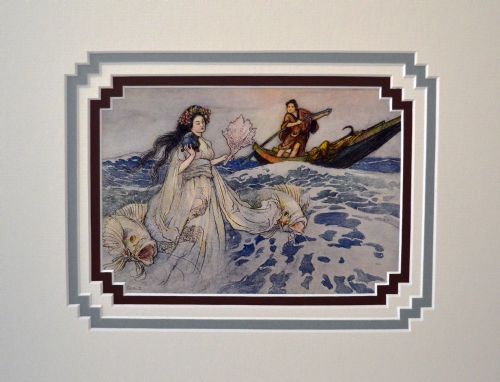
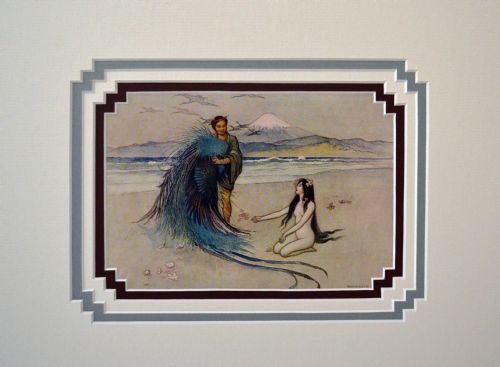
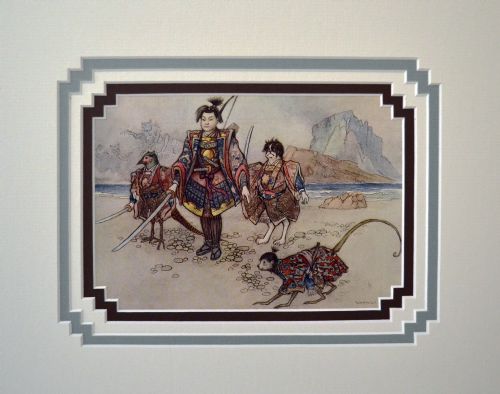
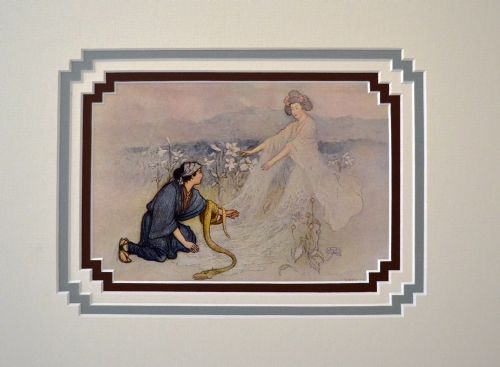
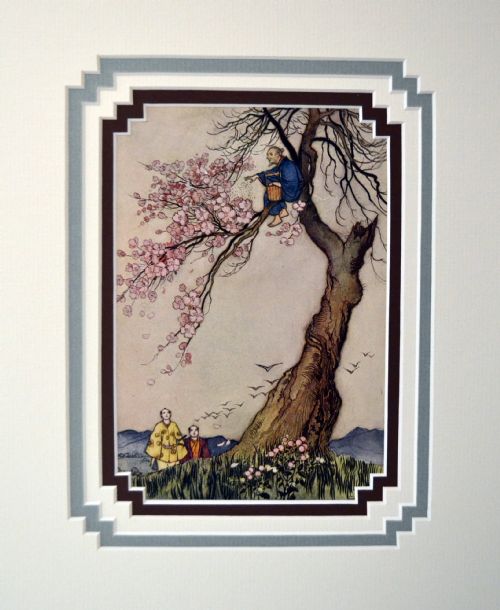
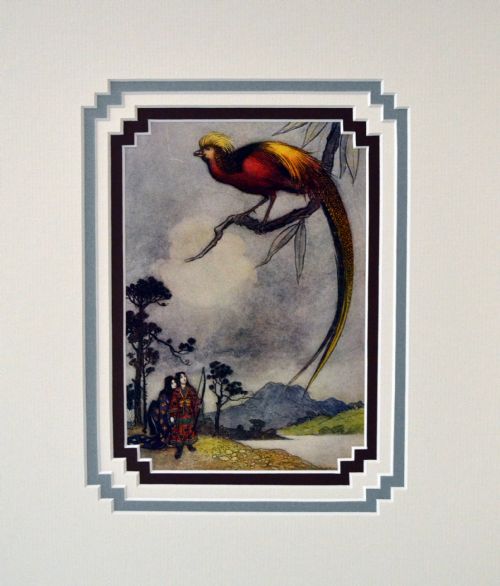
These antique japanese artwork plate selections bring together Meiji period cloisonne and Edwardian book illustration.
Antique Japanese Artwork Plate
An antique japanese artwork plate encompasses both framed printed illustrations and solid metal cloisonne chargers. You encounter decorative plates from the Meiji and Edwardian eras, spanning years from eighteen sixty to nineteen ten.
The selections range from Warwick Goble first edition fairy tale prints to large enamel chargers featuring dragons, landscapes and leaping koi. Many items arrive framed behind glass with mount board, whilst others display intricate wirework on copper or porcelain bases.
Originating from makers in Nagoya and traditional workshops, these pieces bridge Japanese Edo periods and British Golden Age illustration styles. Each format offers a distinct visual record of late nineteenth and early twentieth century craftsmanship.
Materials and Construction
Cloisonne pieces rely on thin copper or porcelain bases combined with coloured enamel and fine metal wires to form intricate cells. Artisans fire these compositions repeatedly to achieve rich surface depths in designs such as trees, fish and dragons.
Printed works utilise ink upon paper and card surfaces, frequently presented within cardboards and protective glass mounts. These graphic illustrations capture delicate colour palettes and fine lines typical of early twentieth century book production.
Listings span four distinct years: eighteen sixty, eighteen ninety, nineteen hundred, and nineteen ten.
Assessing Quality and Execution
Superior cloisonne plates display absolute uniformity in the wire cellwork and a smooth, polished enamel surface without pitting. Lesser examples show irregularities in the metal lines and cloudiness within the coloured glazes.
Fine printed works maintain crisp ink definition and clean paper margins that reflect careful preservation over the decades. Condition of the surrounding mount board and glass protection also distinguishes standard examples from exceptional items.
Warwick Goble
The Antique Japanese Artwork Plate Glossary
- Cloisonne
- Enamelwork technique using metal wires soldered to a base to create compartments for coloured pastes. This method produces intricate pictorial designs upon copper and porcelain.
- Totai Shippo
- Cloisonne ware created upon a porcelain base rather than traditional metal. This technique allows for distinct textural effects resembling natural surfaces like tree bark.
- Japonisme
- Western artistic movement influenced by Japanese art and aesthetics during the late nineteenth century. It appears frequently in Edwardian design hybrids.
- Charger
- A large decorative plate intended for display rather than utility. These substantial pieces often showcase complex imagery such as dragons or leaping koi.
Antique Japanese Artwork Plate: Frequently Asked Questions
What materials are these decorative plates made from?
The inventory divides neatly between metal cloisonne enamels and paper print illustrations. Copper, porcelain, and glass form the physical structure of the physical chargers.
Paper, card, and ink constitute the graphic works. Each material reflects the specific decorative traditions of its respective period.
How do I date an antique cloisonne charger?
Dating relies upon stylistic markers, material combinations, and workshop signatures from the Meiji and Edo periods. Pieces from eighteen sixty often display distinct coloration compared to works from nineteen hundred.
Examining the reverse of the plate and the fineness of the wirework provides further chronological clues.
Where were these Japanese artwork plates produced?
Many cloisonne items originate from established production centres such as Nagoya during the late nineteenth century. These regional workshops employed master artisans skilled in wire placement and enamel firing.
Printed items reflect the intersection of Japanese aesthetic influence with Edwardian publishing in Britain.
How should I display a large ceramic charger?
Large chargers require robust wall mountings or stable plate stands due to their substantial weight. Keeping them away from direct sunlight protects both enamel colours and paper prints from fading.
Proper framing under glass preserves printed works from ambient dust and moisture over time.