


Antique Japanese Ceramic Jar
An antique japanese ceramic jar brings centuries of kiln craft and decorative refinement straight into domestic display.
Antique Japanese Ceramic Jar
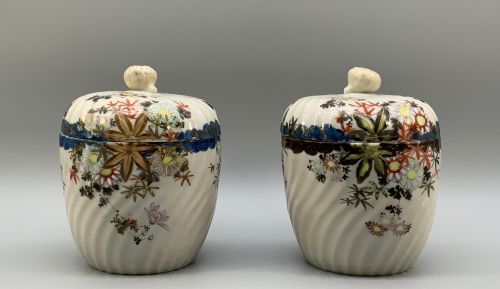
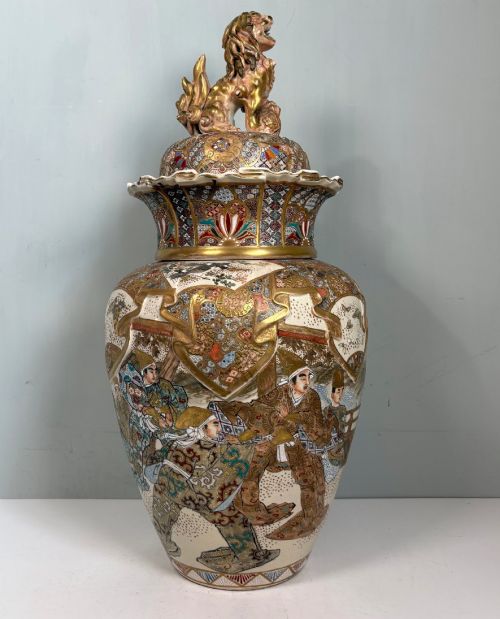
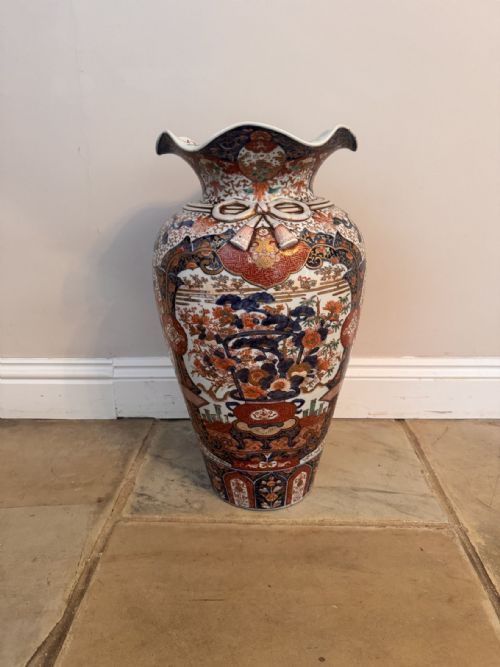
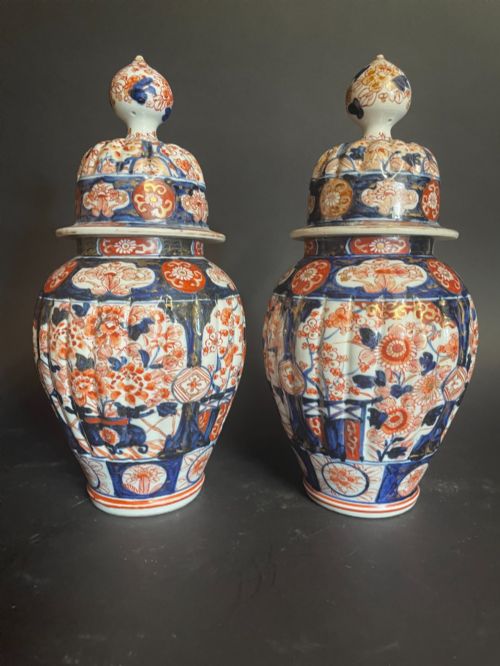
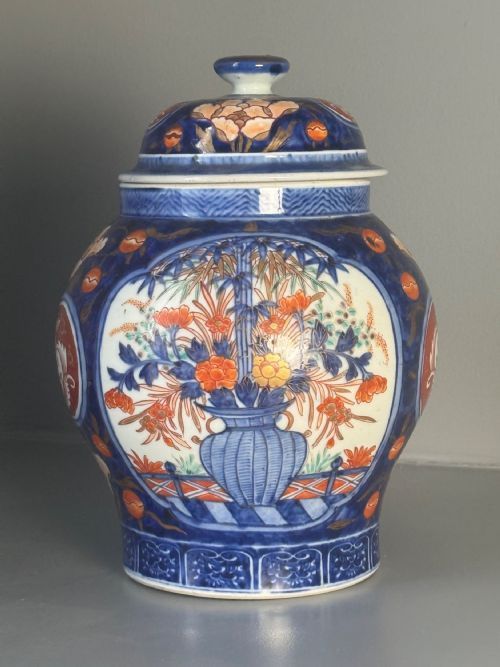
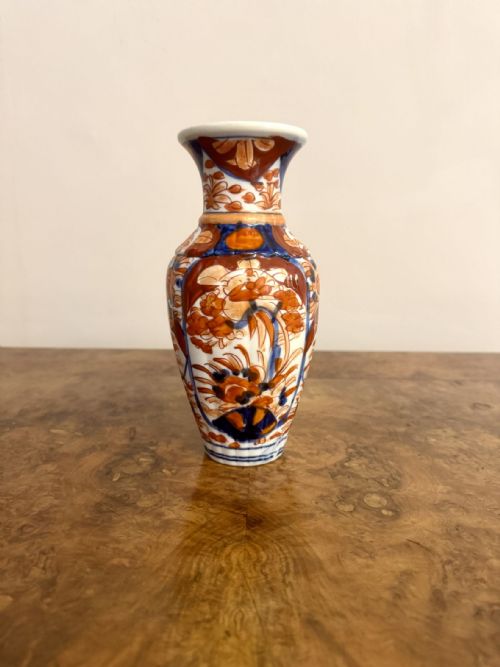
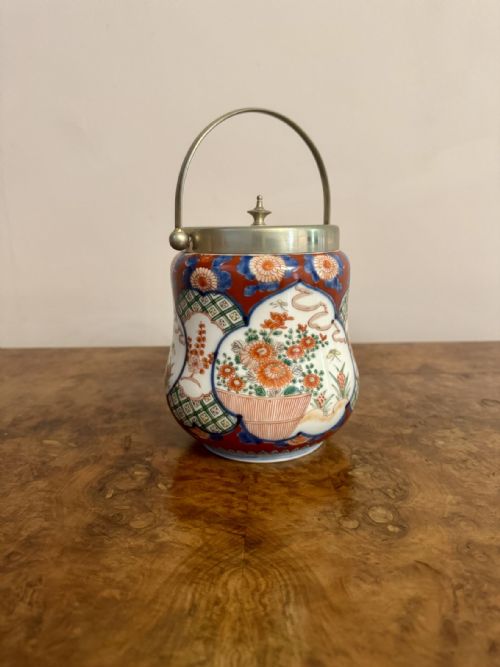
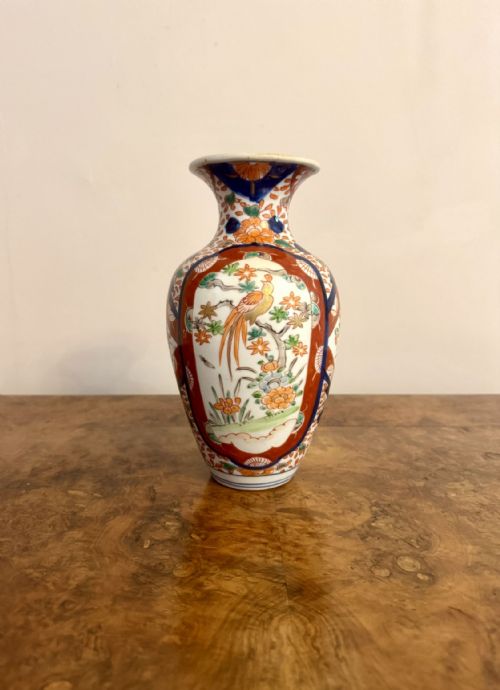
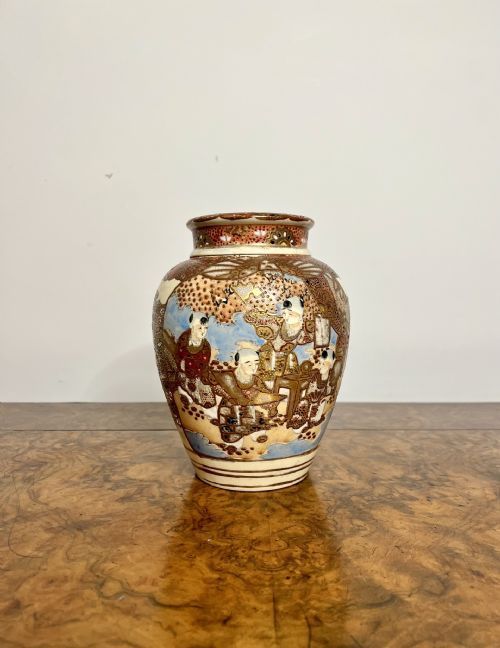
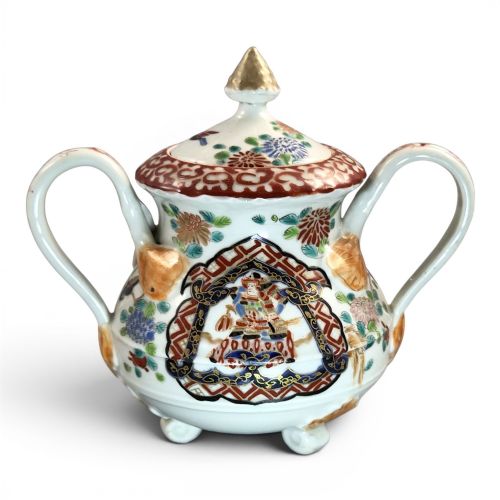
An antique japanese ceramic jar spans forms from lidded ginger jars and floor-standing vessels to biscuit barrels and table vases, originating primarily across the Edo, Meiji, and Taisho-Showa periods. Buyers meet pieces shaped from porcelain and earthenware, often decorated in the distinctive Imari palette or the rich enamels and gilding associated with Satsuma ware.
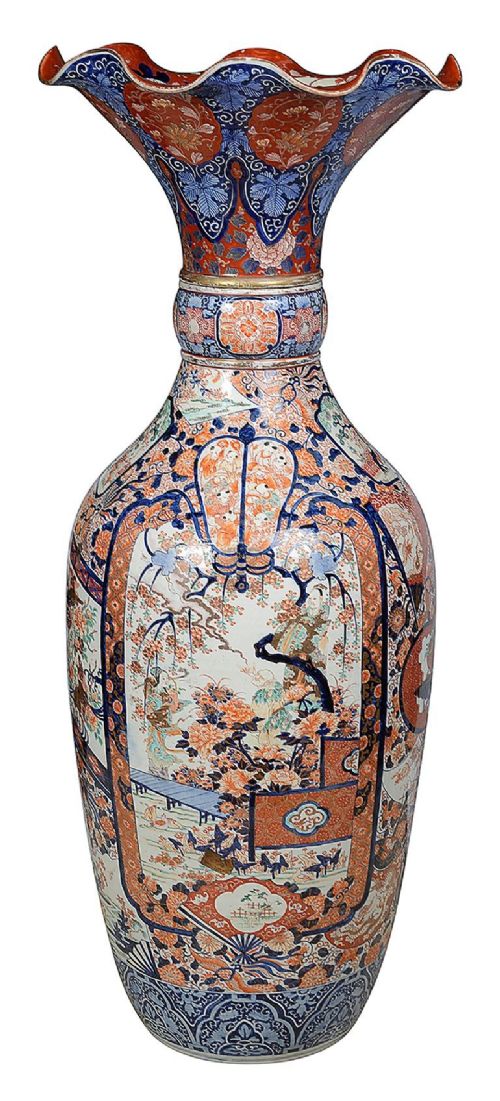
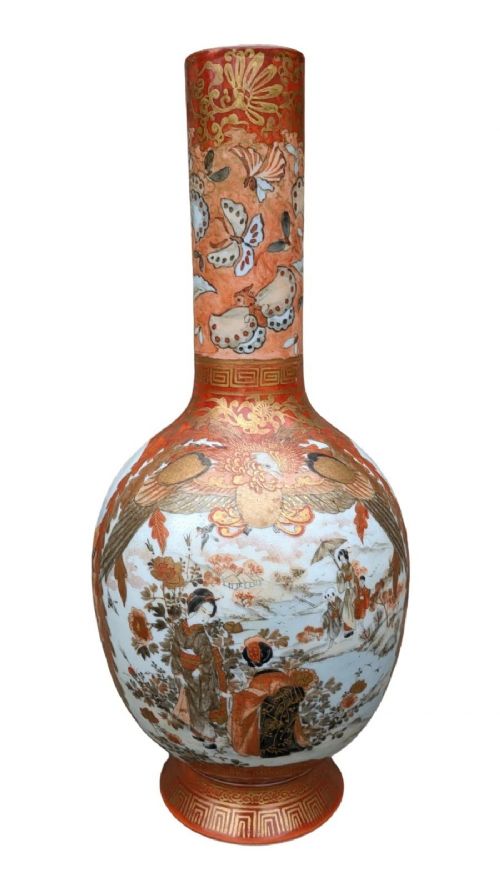
The selection ranges from massive 19th-century Imari lidded jars and double-gourd vases to miniature Satsuma tea jars and Kyoto landscape vessels. These ceramics served utilitarian storage roles and decorative display functions, reflecting the shifting aesthetic tastes of Japanese export markets and domestic patrons alike.
How They Were Made
Potters shaped clay and porcelain bodies on the wheel or moulded them into complex shapes such as octagonal balusters, before applying underglaze blue, vibrant enamel colours, and delicate gold leaf or gilding. Many vessels underwent multiple firings to fix the intricate surface patterns, ranging from blue flambe glazes to tactile totai shippo cloisonne effects.
Specialised workshops utilised local earthenware and refined porcelain clays, integrating wood-fired kiln techniques that produced the characteristic depth and variation found in Satsuma and Arita wares. Artisans signed many of these ceramic jars with workshop stamps or individual artist marks.
Some climbing figures prefer ceramic scaling over real mountains.
What Varies in Quality
The distinction between standard commercial output and superior studio work lies in the precision of the hand-painted brushwork, the richness of the enamel palette, and the lavishness of the gold leaf application. Finer pieces demonstrate careful attention to symmetry in shaped and double-gourd forms, alongside harmonious balance between painted panels and negative space.
Masterworks signed by renowned makers or produced in prominent centres such as Arita and Kyoto exhibit tighter control over the glaze finish and greater complexity in figural or landscape scenes. The crispness of the porcelain body and the depth of the underglaze cobalt similarly divide ordinary export items from exceptional collector pieces.
Makuzu Kozan·Kinkozan·Tokyo Taizan·Yamashu·Shizan
The Antique Japanese Ceramic Jar Glossary
- Imari
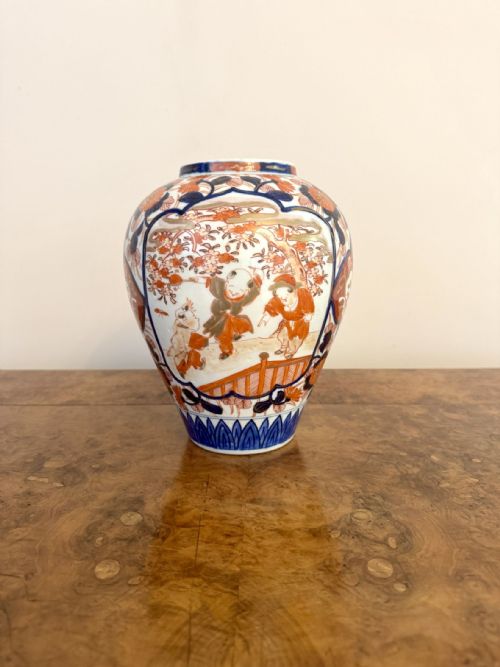
- A traditional Japanese porcelain style characterised by underglaze blue, iron red, and abundant gold leaf. It originated in Arita and became widely exported to Europe during the Edo and Meiji periods.
- Satsuma
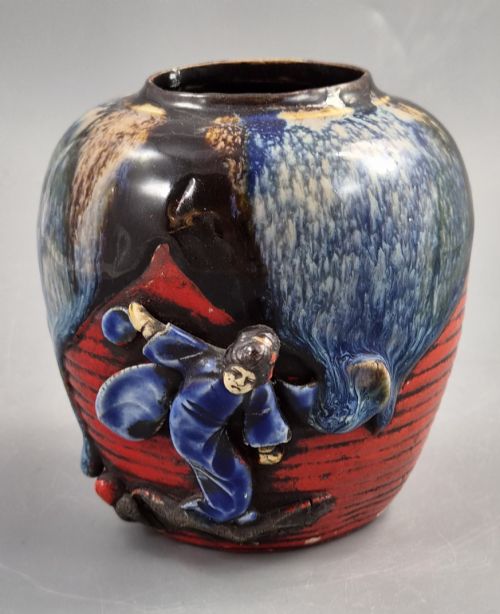
- An earthenware ceramic type featuring a finely crackled ivory glaze decorated with polychrome enamels and extensive gilding. Kyoto and Tokyo workshops produced many of the finest export examples.
- Ginger Jar
- A high-shouldered ceramic vessel with a domed cover, originally designed for storing spices or preserved roots. Collectors prize them for their symmetry and balanced surface decoration.
- Flambe Glaze
- A richly streaked or mottled vitreous coating that changes character during high-temperature kiln firings. It produces dramatic tonal variations across the ceramic surface.
- Totai Shippo
- A specialised technique combining porcelain or earthenware bodies with wirework enamel resembling cloisonne. It creates textured surfaces that mimic tree bark or metalwork.
Antique Japanese Ceramic Jar: Frequently Asked Questions
How do I identify an Imari jar?
An Imari jar typically displays a distinctive palette of underglaze cobalt blue and iron red, frequently heightened with generous applications of gold leaf. These pieces rely on dense floral, geometric, or figurative motifs arranged in panels across the porcelain body.
Most examples date from the 19th century onwards, reflecting the strong export trade to Western markets during the Meiji period.
What is Satsuma ware?
Satsuma ware consists of an earthenware body covered in a characteristic creamy, crackled glaze that provides a pale canvas for elaborate polychrome enamels and gilding. The motifs often feature detailed figural scenes, landscapes, or crowded arrangements of Japanese courtiers and flora.
These jars and vases range from miniature tea caddies to massive floor-standing display pieces signed by prominent Meiji-era workshops.
Where were these jars made?
Japanese ceramic jars originated in key kiln districts and urban centres across the country, most notably Arita for porcelain wares and Kyoto or Tokyo for refined earthenware. Arita served as the historic heartland of porcelain production and the source of classic export Imari.
Individual artists and family-run workshops in these regions stamped or signed their vessels to denote specific studio origins.
How should I display antique ceramic jars?
Antique ceramic jars require stable placement away from direct sunlight and heavy foot traffic to protect their delicate enamel surfaces and gold leaf highlights. Lidded ginger jars and floor vases make strong focal points on sturdy tables or pedestals where their vertical forms can be fully appreciated.
Grouping garnitures of three matching vessels together recreates traditional mantelpiece displays from the 18th and 19th centuries.