


Antique Italian Wood Carving
These pieces of antique italian wood carving bring centuries of craftsmanship and grand decorative presence into a room.
Antique Italian Wood Carving
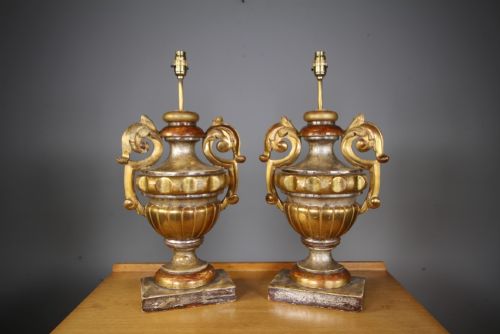
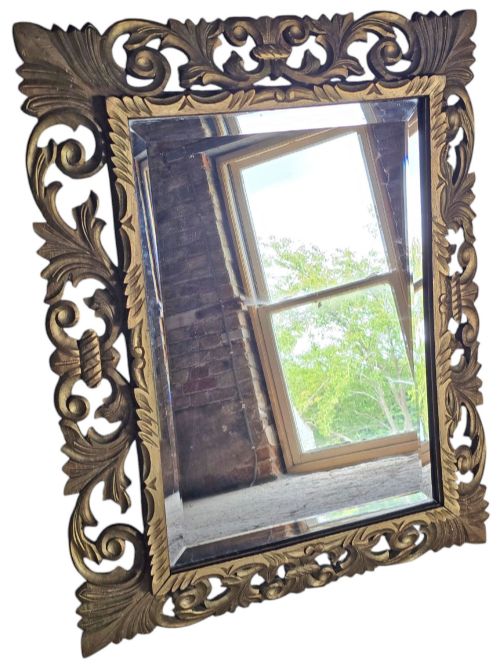
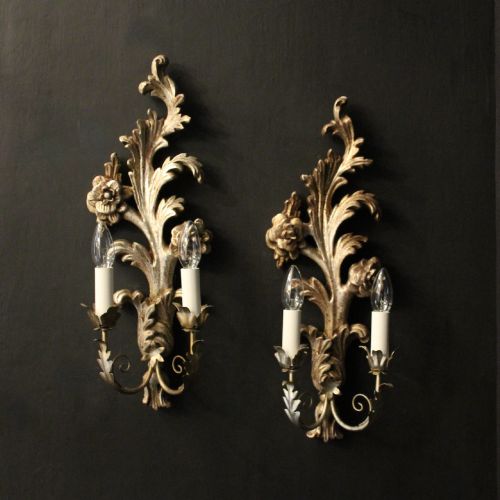
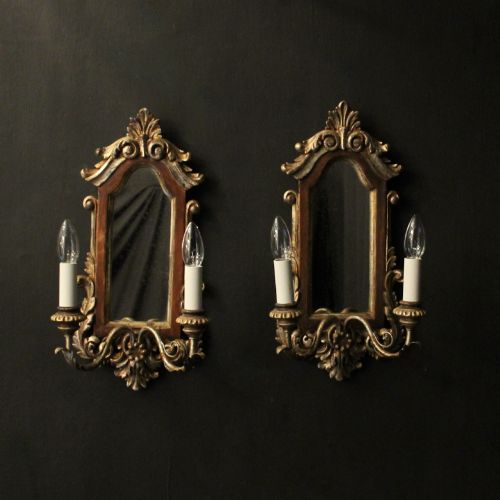
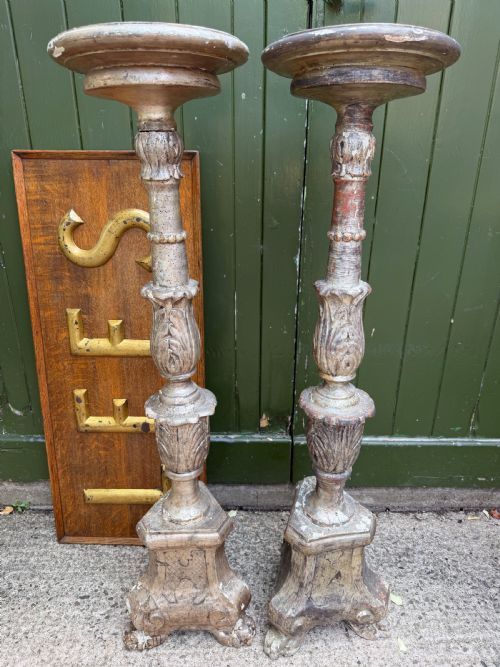
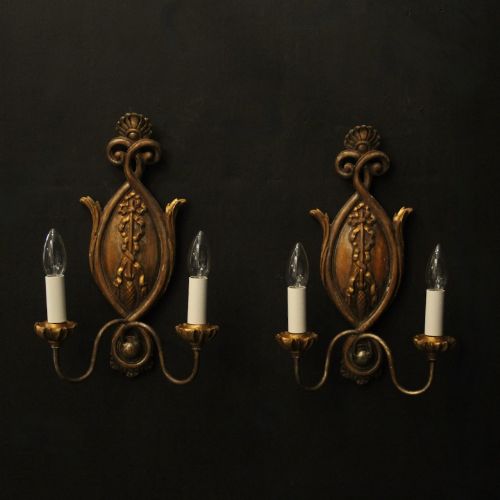
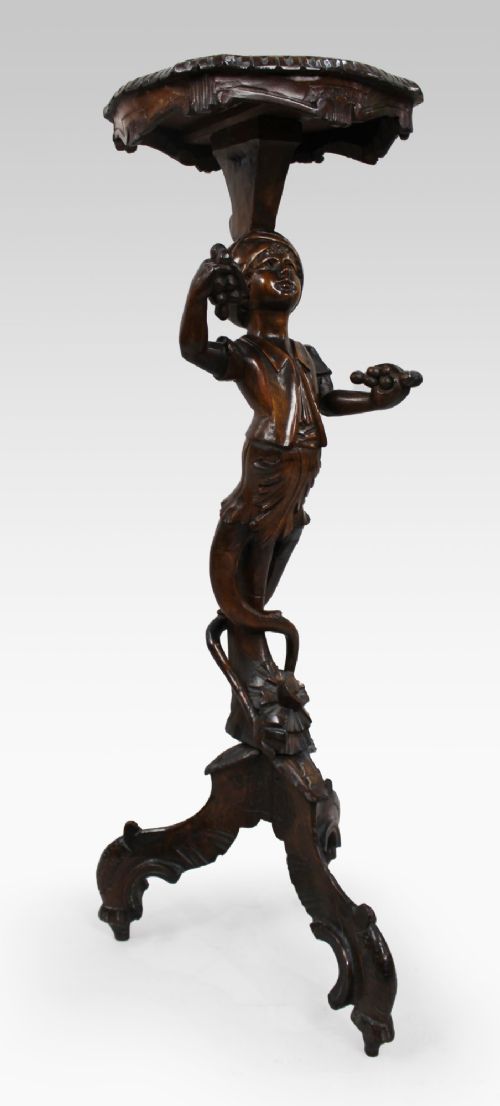
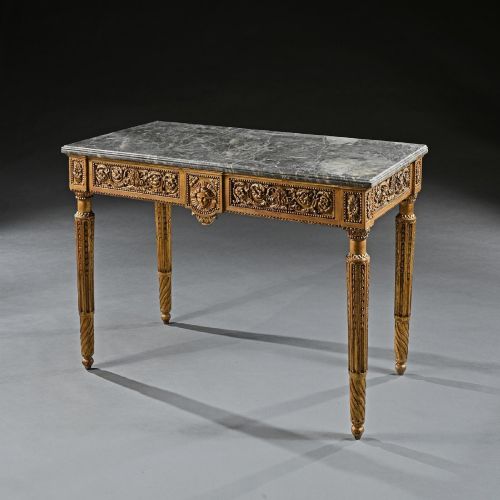
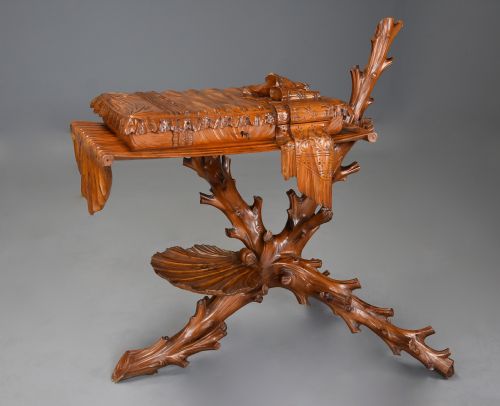
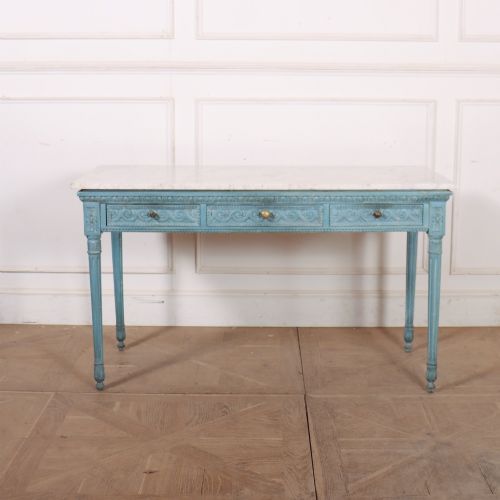
When you search for antique italian wood carving, you are looking at items shaped by centuries of regional design traditions ranging from the seventeenth century to the twentieth. The selection spans grand console tables, mirrors, wall lights, and architectural figures produced across Florence, Venice, and Piedmont.
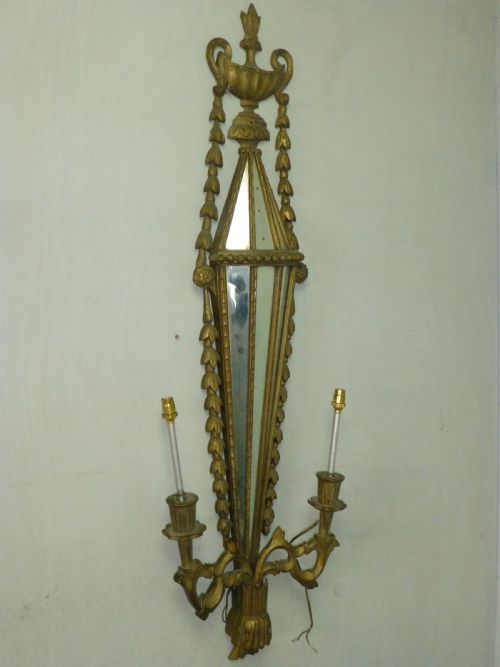
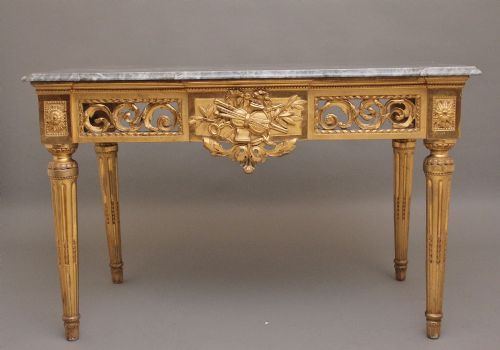
The most common forms on this page include giltwood mirrors, console tables with marble tops, and carved wall lights or girandoles. These objects often display the rich influence of Italian Baroque, Rococo, and Neoclassical styles.
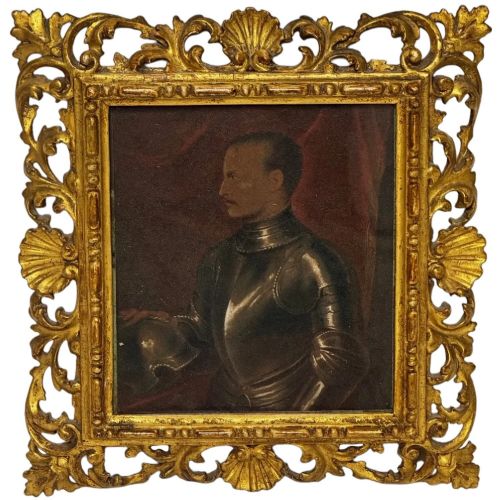
Makers and artisans created functional furniture alongside purely decorative items such as torcheres, pedestals, and picture frames. Walnut, pine, and cypress form the structural core for much of this work.
How they were made
Artisans carved dense timbers such as walnut, pine, and cypress by hand before applying decorative surface layers. Carvers utilised gesso as a smooth foundation to receive gold leaf, silver, or polychrome paint.
Giltwood and silvered finishes required meticulous application of thin metal leaves over prepared grounds to achieve a reflective surface. Many items integrate carved figural elements, putti, or botanical motifs directly into the timber structure.
Antique Italian Wood Carving Retail Price Guide 2026
Typical asking prices for italian wood carving among the pieces listed under this phrase on Sellingantiques today, from the lower quarter to the upper quarter. They describe what is for sale here now, not the wider market.
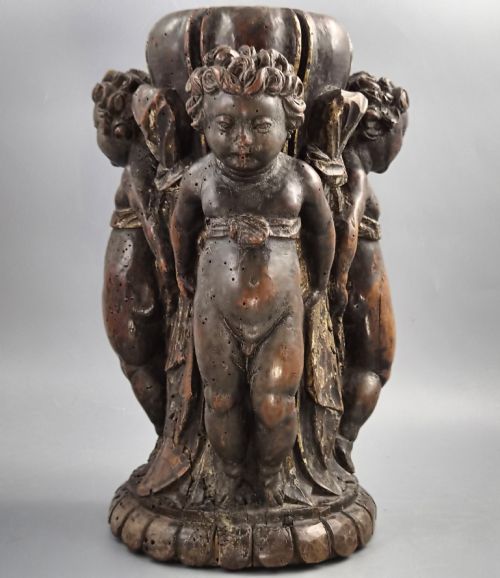
Several pieces include cheerful carved putti keeping watch over tables, mirrors, and candle stands.
What varies in quality
Quality rests in the depth and sharpness of the hand carving, where deeply undercut foliage and expressive figural details distinguish master work from simpler production. The preservation of the original giltwood, gesso, and painted surfaces dictates the visual power of the piece.
Proportion and structural balance also separate standard items from exhibition pieces, particularly in large furniture such as console tables and overmantel mirrors. Pieces retaining their original marble tops and glass plates hold greater integrity.
The Antique Italian Wood Carving Glossary
- Giltwood
- Wood that has been coated with gold leaf over a prepared gesso ground. This technique creates a luminous, reflective surface characteristic of many decorative frames and mirrors.
- Gesso
- A plaster-like mixture applied to wood as a smooth base for gilding or painting. It allows intricate relief details to be moulded and carved sharply.
- Torchiere
- A tall stand designed to hold a light source or candle. Italian examples frequently feature carved figures, putti, or fluted columns.
- Girandole
- An ornamented branching wall bracket or sconce designed to hold candles. They often incorporate mirrors to multiply the reflected light in a room.
- Console table
- A table designed to be fixed against a wall, frequently topped with marble and supported by elaborate carved brackets or legs.
Antique Italian Wood Carving: Frequently Asked Questions
How do I date an antique wood carving?
Dating relies on identifying the underlying wood species, tool marks, and stylistic traits typical of periods like the seventeenth or nineteenth century. Regional preferences in carving depth and motifs also help narrow down the era.
Examining the preparation layers, such as gesso and gold leaf application, provides further clues regarding the workshop practices of the time.
Where should I place a giltwood mirror?
Giltwood mirrors work effectively above mantelpieces or console tables where their reflective glass and carved frames catch the ambient light. They serve as a focal point in both traditional and contemporary interiors.
Ensure the wall structure can support the weight of these substantial wooden and plaster frames before hanging.
How do I care for antique carved wood?
Maintain these items by dusting gently with a soft dry brush and avoiding modern chemical polishes that can damage fragile giltwood or painted surfaces. Keep them away from direct sunlight and extreme humidity fluctuations.
Stable indoor environments protect the underlying timber and prevent the gesso ground from cracking or lifting.