




Antique Wooden Portrait Bust
An antique wooden portrait bust captures character in grain and chisel, offering enduring presence for your desk or mantel.
Antique Wooden Portrait Bust
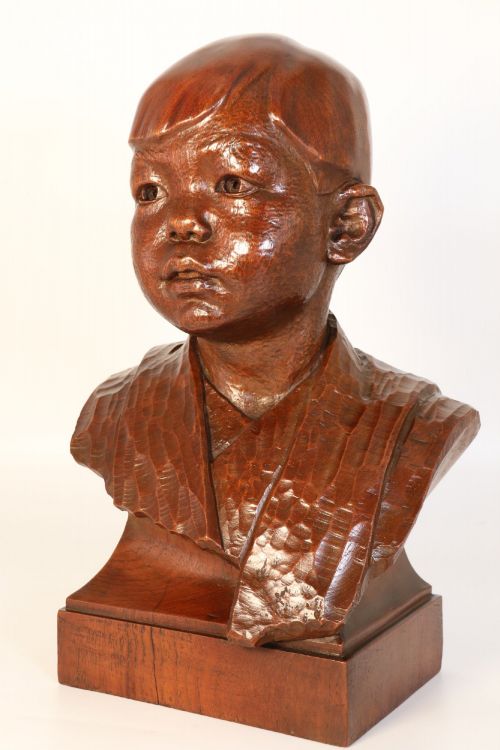
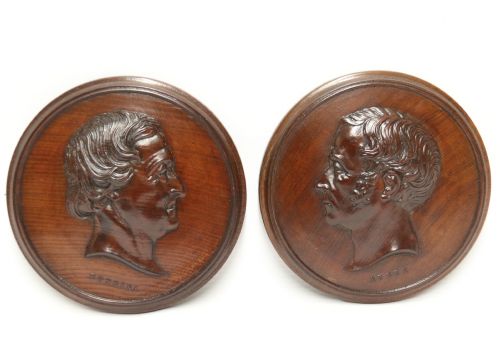
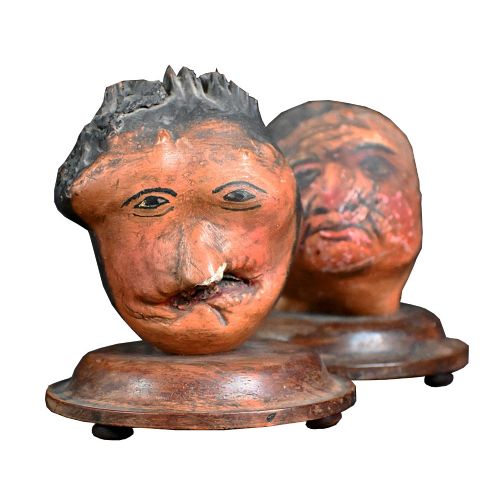
An antique wooden portrait bust presents a likeness in carved timber, spanning wall plaques, bookends, and freestanding sculptures. When you search for an antique wooden portrait bust, you encounter works ranging from folk art milliner heads to signed gallery pieces.
The selection extends from eighteenth-century Italian polychrome carvings to twentieth-century Art Deco hardwood figures. Makers across Britain, Europe, and South America shaped these pieces in oak, walnut, fruitwood, and pearwood.
Forms vary from life-size portrayals of boys and noble ladies to smaller profiles of historical figures like Oliver Cromwell and Colonel Sir Edward Massey. Each piece records the likeness of a specific individual through the carver's interpretation.
Materials and Carving Techniques
Carvers utilised dense timbers such as walnut, oak, mahogany, and fine-grained fruitwoods like pearwood to achieve crisp facial details and smooth contours. Hardwoods allowed for intricate execution without splitting along the grain.
Surface treatments range from natural waxed finishes highlighting the timber grain to polychrome paint applications. Some portrait busts combine carved wood with applied pigments to define hair, eyes, and period garments.
Listings feature woods including oak, walnut, fruitwood, pearwood, and mahogany across periods from the eighteenth century to the mid-twentieth century.
Assessing Sculptural Quality
Quality rests in the anatomical precision and expressive depth of the carving, distinguishing skilled portraiture from basic folk production. Master carvers capture subtle shifts in bone structure, expression, and texture in the hair and skin.
Signed works by known sculptors command attention for their documented provenance and superior handling of the material. The integration of the bust with its base or plaque mount also reflects the overall standard of craftsmanship.
George Henry Paulin·V Ramirez Bolivia·Boudewijn Tuerlinckx
The Antique Wooden Portrait Bust Glossary
- Polychrome
- Decoration in multiple colours applied to wood or stone. This technique brings a lifelike quality to historical portrait carvings.
- Fruitwood
- Timber derived from fruit-bearing trees such as pear or apple. Carvers favoured this wood for its fine, even grain which supports delicate detail.
- Folk Art
- Artistic work created within a traditional culture by self-taught makers. These pieces often display charming simplicity rather than academic proportions.
- Gothic Revival
- An architectural and decorative style drawing inspiration from medieval forms. Pieces in this style often incorporate heavy oak and ecclesiastical motifs.
- Plaque
- A flat ornamental tablet designed for wall mounting. Portrait plaques present a profile or three-quarter view in relief.
Antique Wooden Portrait Bust: Frequently Asked Questions
How do I date an antique wooden bust?
Dating relies on stylistic clues, clothing details, and the tool marks left by the carver. Examining the wood species and the ageing of the timber helps confirm the period.
Makers often signed their work or dated the reverse, providing a direct link to the year of creation.
Where should I display a wooden portrait bust?
These sculptures suit placement on bookshelves, desks, or mantelpieces where lighting can catch the carved contours. Wall plaques require secure fixings away from direct heat sources.
Keeping pieces out of direct sunlight preserves the original wood finish and any applied polychrome paint.
How do I care for antique carved wood?
Dust the carving gently with a soft, dry brush to prevent dirt accumulation in the crevices. Avoid using liquid polishes or household cleaners which can damage the aged timber surface.
Maintain a stable room humidity to prevent the wood from drying out or splitting over time.
What is the difference between a bust and a plaque?
A bust is a freestanding three-dimensional sculpture showing the head, shoulders, and chest of a subject. It is designed to be viewed from multiple angles.
A plaque presents the portrait in relief against a flat background intended for hanging on a wall.