





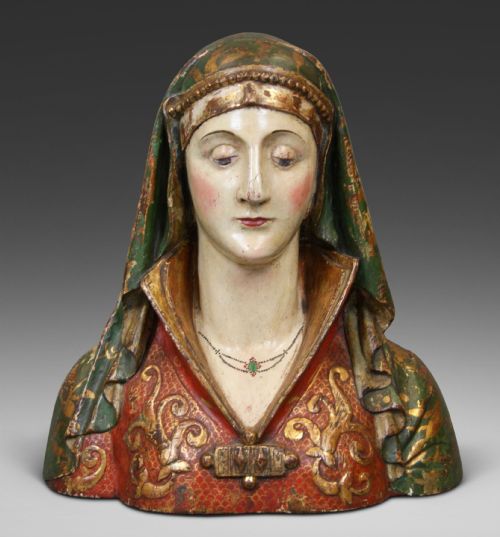
18th Century Italian Sculpture
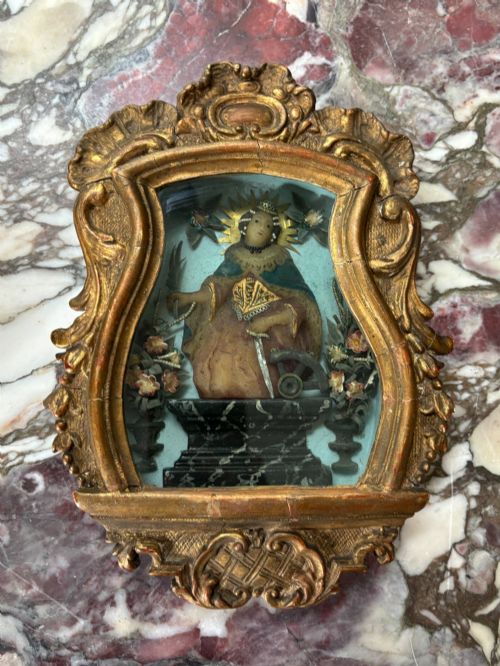
These 18th century italian sculpture pieces bring dramatic Baroque and Neoclassical forms, carved in wood and finished in gold leaf or polychrome paint, directly into a room.
18th Century Italian Sculpture
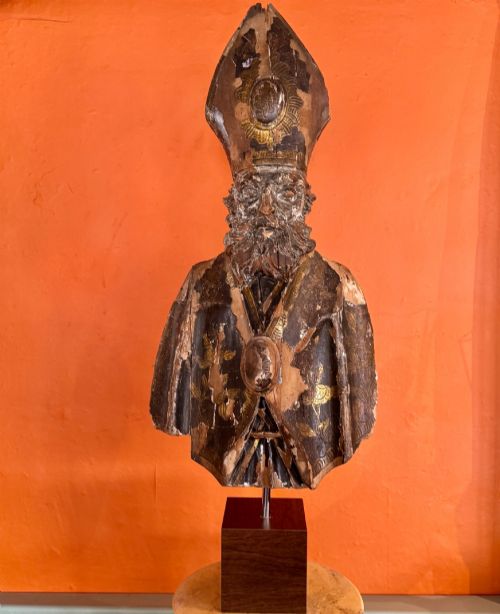
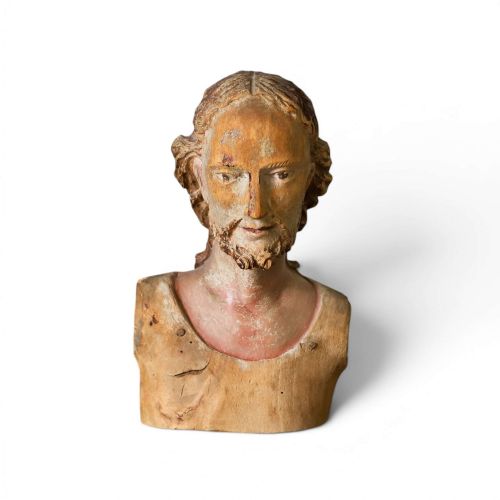
When you search for 18th century italian sculpture, you encounter works spanning the Baroque and Neoclassical styles, originating largely from Italian workshops. The selection here ranges from ecclesiastical busts of bishops and saints to life-size wooden figures, putti, and decorative architectural panels.
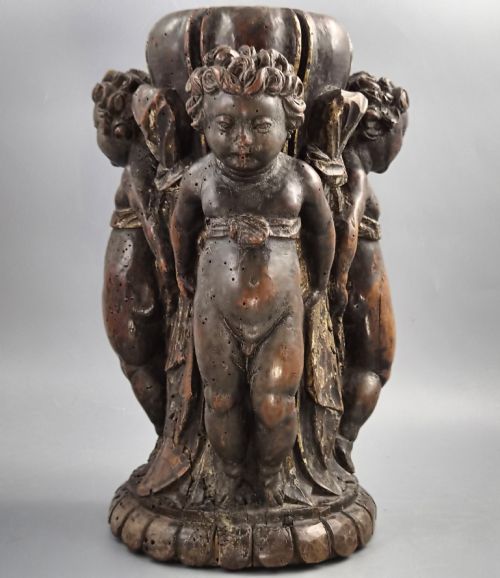
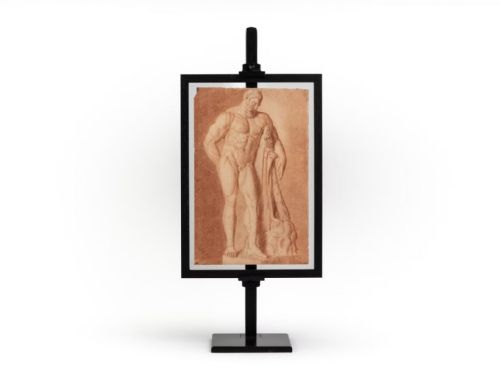
You are most likely to meet carved wooden pieces, including polychrome statues, gilt-wood elements, and triform pedestals. Alongside these sculptural forms, the category occasionally encompasses works on paper such as red chalk drawings and engravings by artists like Giovanni Ottaviani.
How They Were Made
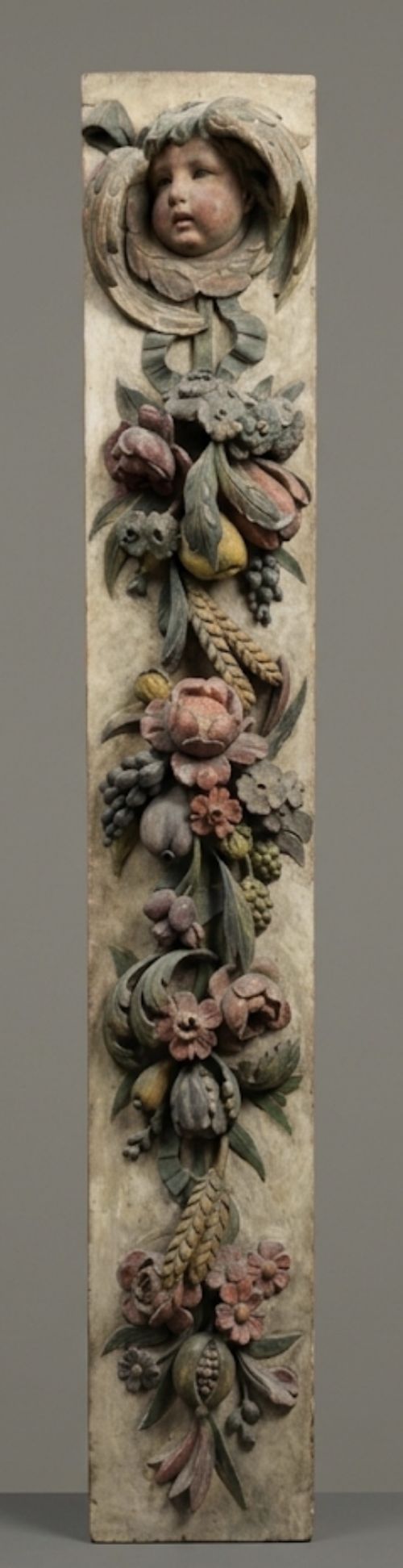
Makers shaped these figures primarily from hardwoods like walnut, oak, and olive wood, utilising detailed hand-carving techniques. The results demonstrate deep relief work, evident in ecclesiastical busts, lecterns depicting eagles, and architectural wall panels.
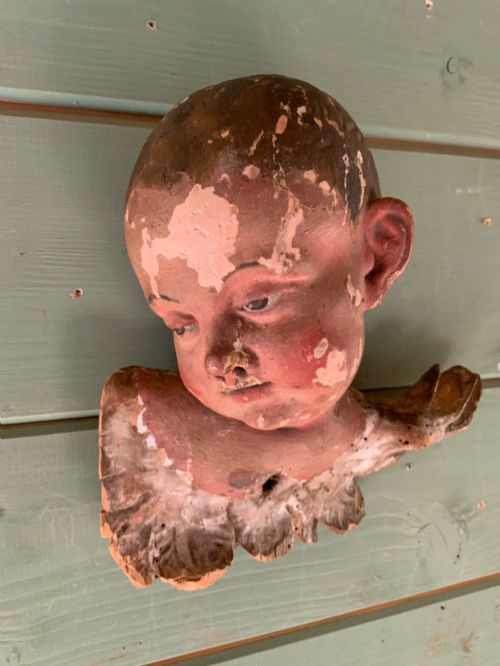
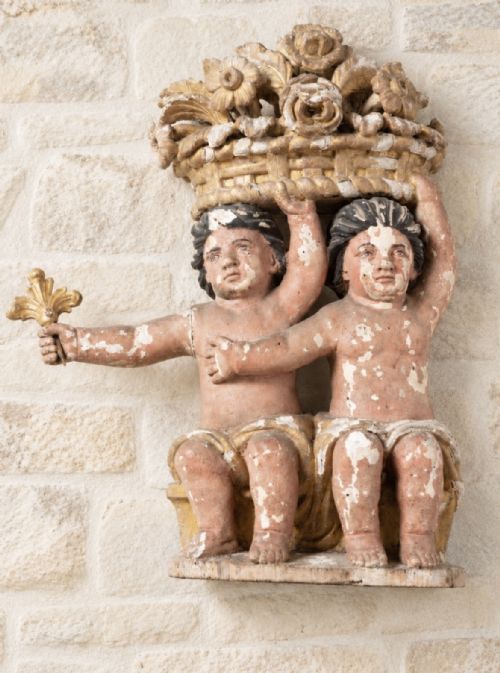
Surfaces were frequently finished with gesso and gold leaf to create luminous gilt-wood effects, or treated with polychrome paint to render lifelike skin tones and garments on figures such as putti and creche sculptures.
Even standing quietly on a pedestal, an 18th-century carved wooden swan manages to look intensely judgmental about your interior design choices.
What Varies in Quality
The preservation of original surface treatments, such as genuine polychrome paint or delicate gold leaf over gesso, dictates the visual impact of a piece. Retaining these historic finishes intact elevates the presence of architectural elements and figural panels.
The 18th Century Italian Sculpture Glossary
- Polychrome
- Decorated in several colours. This paint technique brings realistic detail to wooden statues and putti.
- Gilt-wood
- Wood covered with gold leaf or a thin layer of gold. It provides a reflective, opulent finish for ecclesiastical busts and decorative frames.
- Gesso
- A plaster mixture used as a base for paint or gold leaf on wood. It creates a smooth surface for detailed carving.
- Torchiere
- A tall stand or ornamental candlestick base. These carved wooden supports often feature figurative elements like putti.
- Creche figure
- A doll or sculptural figure used in a nativity scene. Neapolitan examples often feature expressive carved wooden heads and articulated limbs.
18th Century Italian Sculpture: Frequently Asked Questions
How do I identify a true period piece?
Examine the wood grain, tool marks, and the ageing of underlying gesso layers beneath the polychrome or gold leaf. Genuine pieces show appropriate material shrinkage and hand-carving characteristics consistent with workshop practices of the period.
Compare the stylistic details, such as the dramatic folds of Baroque drapery or Neoclassical restraint, against documented regional Italian forms from the seventeen and eighteenth centuries.
Where were these sculptures originally placed?
Many ecclesiastical items, including bishop busts and eagle lecterns, originated inside Italian churches, chapels, and monastic settings. Other decorative carvings and torchieres decorated the grand rooms of private palazzos.
Domestic devotional spaces also housed smaller polychrome figures, putti, and creche sculptures used for private prayer and seasonal displays.
How should I care for carved wood surfaces?
Keep wooden sculptures and gilt-wood panels away from direct sunlight and sources of heat to prevent the wood from cracking and the gesso from lifting. Stable indoor humidity protects both the base material and the delicate polychrome paint.
Dust gently with a dry, soft brush rather than using wet cloths or chemical polishes that can damage historic painted and gilded finishes.
What is the difference between Baroque and Neoclassical styles here?
Baroque sculptures display intense emotion, dynamic movement, and rich ornamentation, seen in twisting putti, dramatic facial expressions, and complex carved drapery. Neoclassical works favour greater symmetry, restraint, and classical proportion.
Regional variations also apply, as Neapolitan and Venetian workshops often favoured more theatrical, ornate surface treatments compared to other Italian centres.