



Continental Polychrome Figures
Continental polychrome figures bring painted colour to carved wood and glazed porcelain across centuries of European workshops.
Continental Polychrome Figures
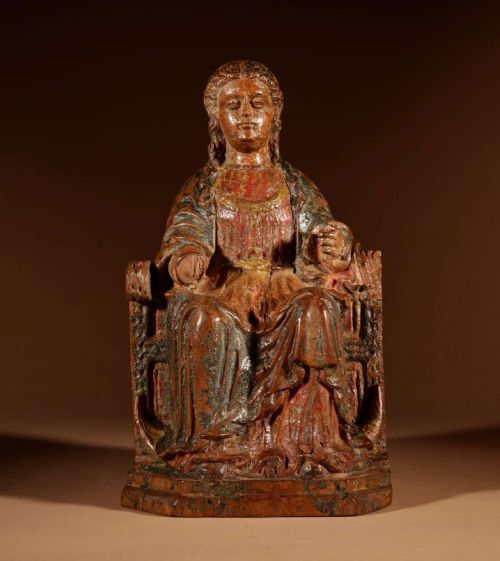
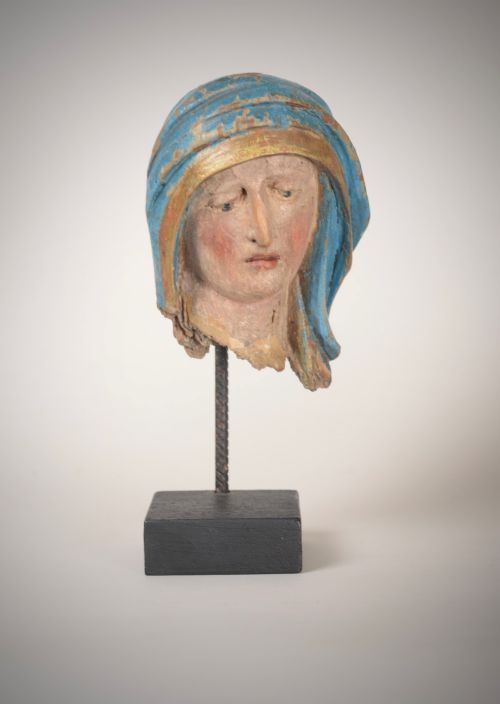
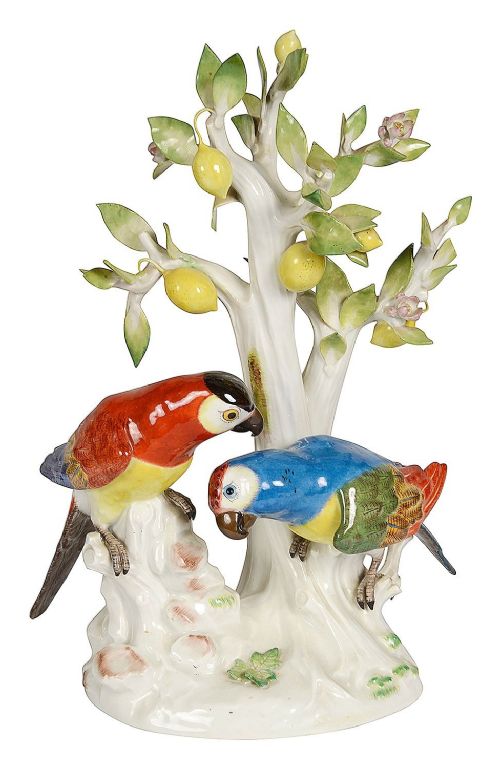
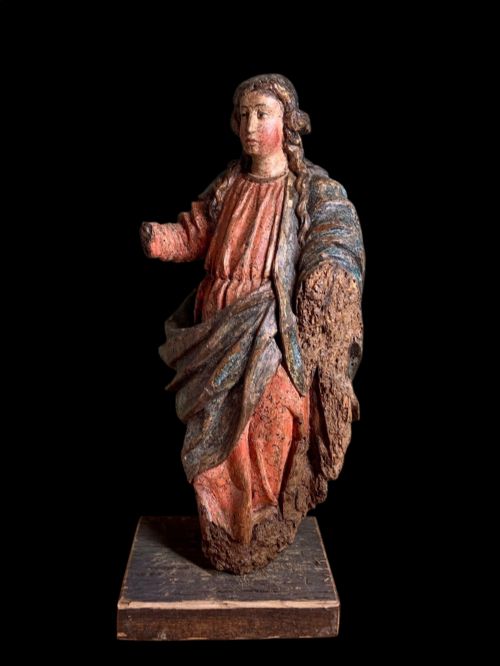
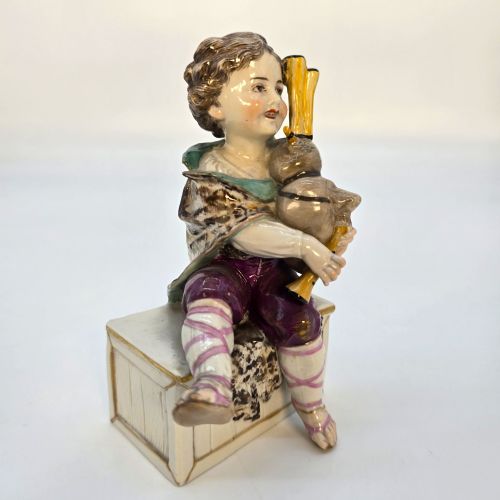
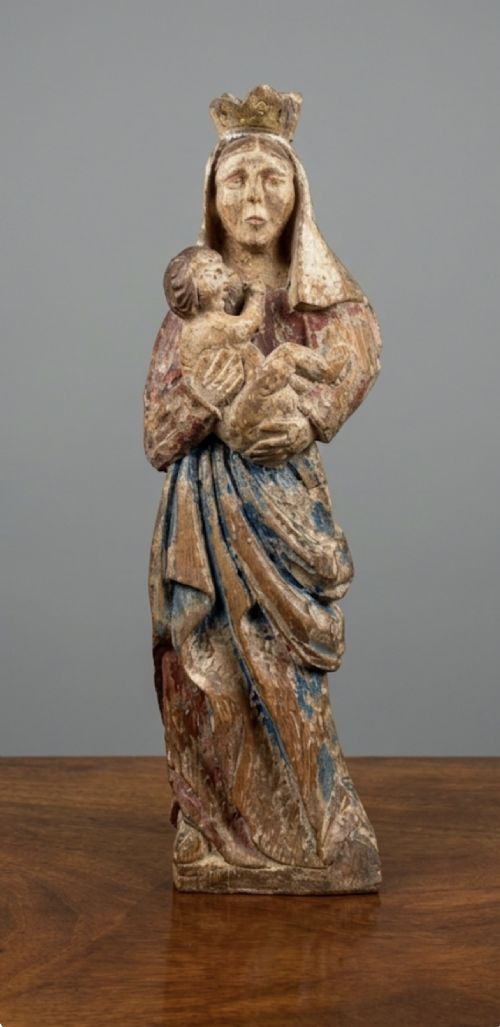
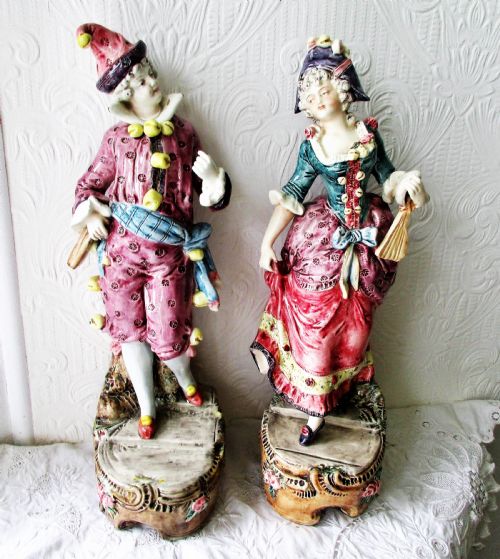
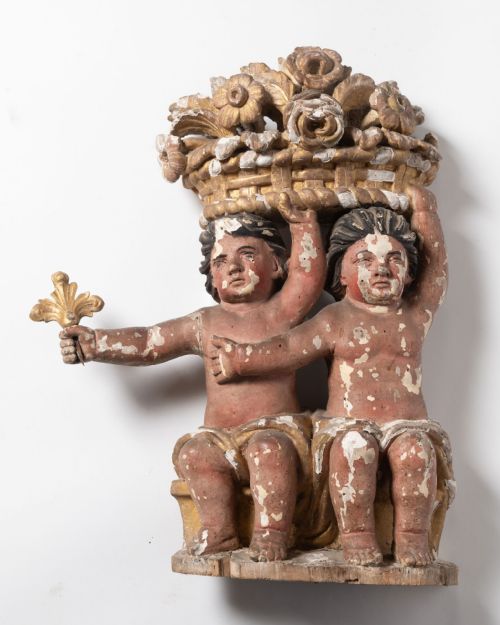
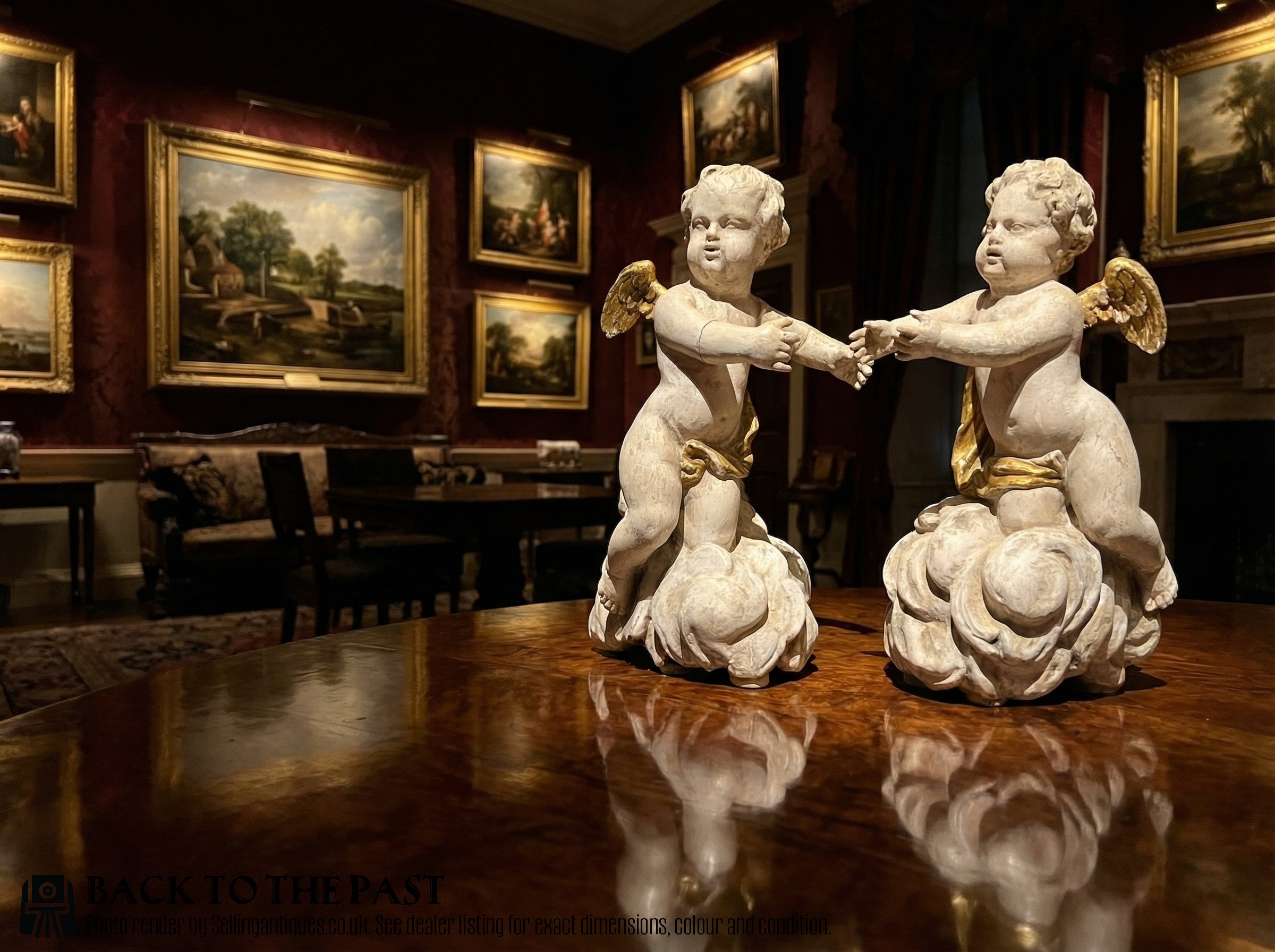
Continental polychrome figures encompass carved wood sculptures and glazed porcelain groups originating from workshops across Europe. Buyers exploring continental polychrome figures encounter everything from early religious carvings to decorative porcelain subjects produced in German and French factories.
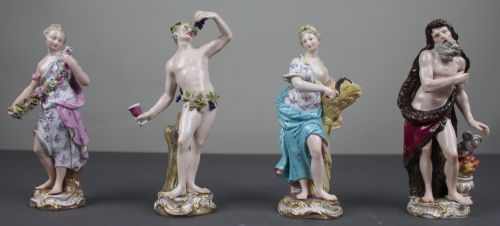
The selection ranges across several centuries, including early wooden saints alongside nineteenth-century porcelain figures modelled in historic revival styles. These pieces function as sculptural works that preserve historical painting techniques and ceramic traditions on a domestic scale.
Materials and Methods
Makers shaped figures from dense timbers such as walnut or pine before applying gesso, gold leaf, and painted pigment layers. Wood carvers relied on hand chisels to define garments and facial expressions prior to the surface decoration.
Ceramic pieces utilise hard-paste porcelain or earthenware shaped in moulds, then finished with detailed enamel painting and gilt highlights. Porcelain works received high-temperature firing before artisans applied polychrome enamels and returned the pieces to kiln heat for fixing.
Listings feature works spanning from the sixteenth century to the mid-twentieth century, utilising carved wood, hard-paste porcelain, and earthenware.
Evaluating Quality and Execution
The preservation of the original polychrome surface dictates desirability, as surviving pigments and gold leaf unaltered by later restoration retain the intended visual impact. Skill in enamel brushwork and the subtle shading of flesh tones distinguish the finest workshops from routine output.
Meissen Porcelain Manufactory·Volkstedt Rudolstadt Factory·Samson of Paris·Carl Thieme Dresden·C G Schierholz·Vion et Baury
The Continental Polychrome Figures Glossary
- Polychrome
- Decorated in multiple colours. This term describes surfaces painted with various pigments, commonly seen on historic wood carvings and glazed porcelain.
- Hard-paste porcelain
- A dense ceramic material composed of kaolin and petuntse. Fired at high temperatures, it produces a durable body that resists scratching and holds fine enamel details.
- Gesso
- A plaster mixture applied as a prepared surface. Artisans use gesso on carved wood to provide a smooth base for subsequent gilding and polychrome painting.
- Spelter
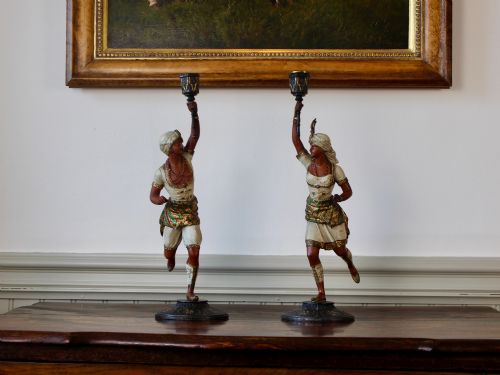
- A zinc alloy used as a substitute for bronze. Makers cast spelter into figural shapes before applying cold-painted finishes to simulate more costly metals.
- Sweetmeat figure
- A small ceramic dish bearer designed for serving confections. These porcelain figures typically feature a basket or bowl incorporated into the sculptural group.
Continental Polychrome Figures: Frequently Asked Questions
How were wooden figures painted?
Artisans first prepared carved timbers by applying layers of gesso to smooth the grain before adding gold leaf and pigment. Pigments were bound in mediums such as tempera or oil to adhere to the wooden substrate.
This layered construction created durable surfaces that retained their hues across centuries of domestic or ecclesiastical use.
How do I care for polychrome carvings?
Painted wooden surfaces require stable environmental conditions away from direct sunlight and excessive humidity. Fluctuating temperatures cause timber to expand and contract, which threatens the adherence of old gesso and pigment layers.
Dusting should occur gently with a dry, soft brush, avoiding any moisture or chemical cleaning agents that might lift the historic paint.
How can I distinguish porcelain periods?
Examining factory marks stamped or painted on the underside provides initial guidance on origin and production era. Stylistic indicators, such as the distinct modelling of Rococo revival or neoclassical forms, help separate eighteenth-century examples from later nineteenth-century interpretations.
The quality of the porcelain body and the palette of the enamel colours further assist in confirming the period of manufacture.