



18th Century Putti
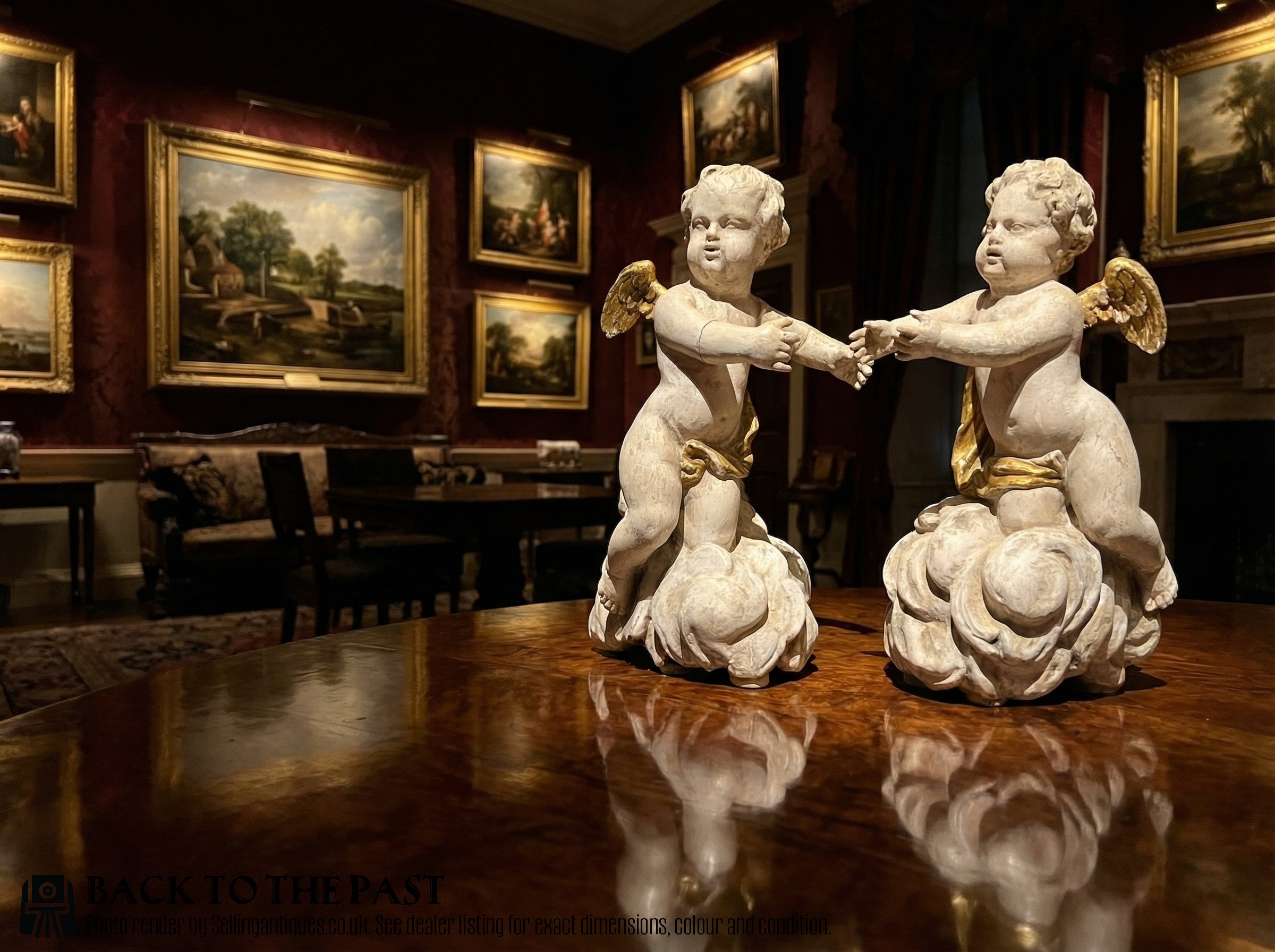
These 18th century putti bring classical charm to interiors through carved wood, delicate porcelain, and gilt bronze figures.
18th Century Putti
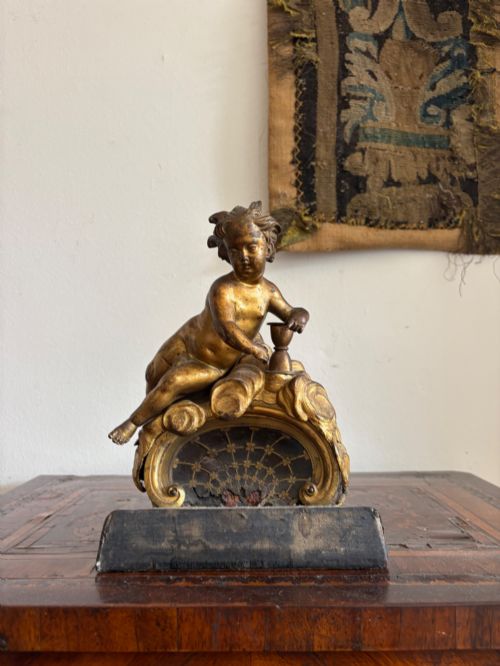
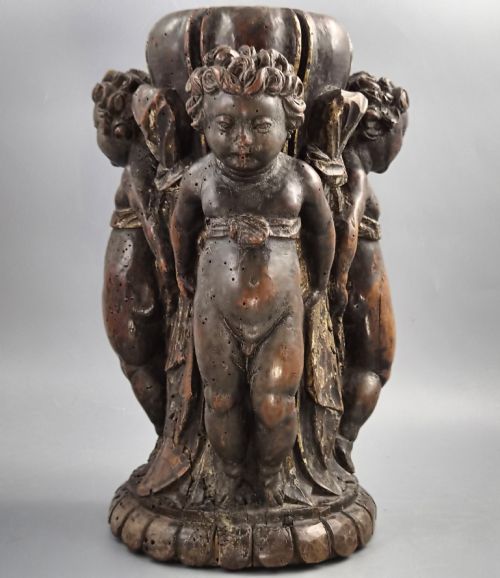
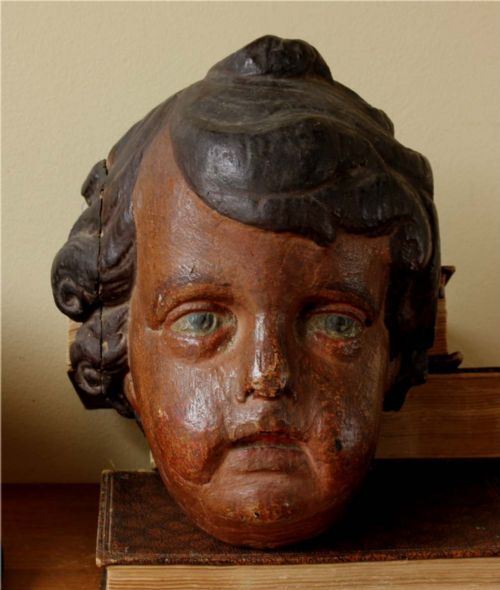
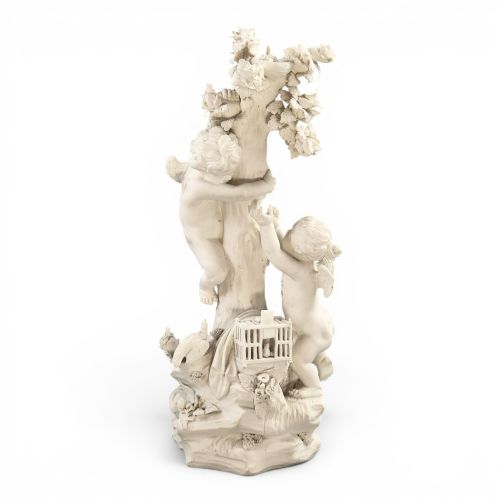
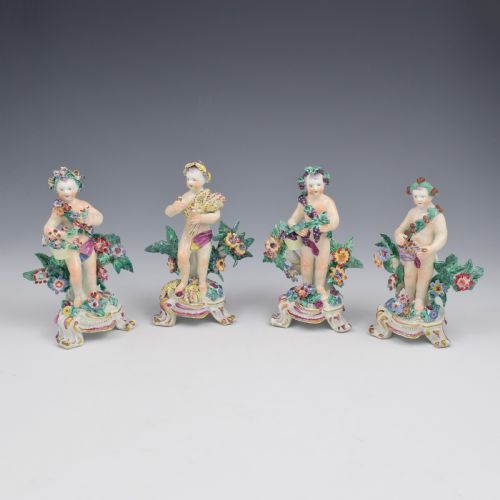
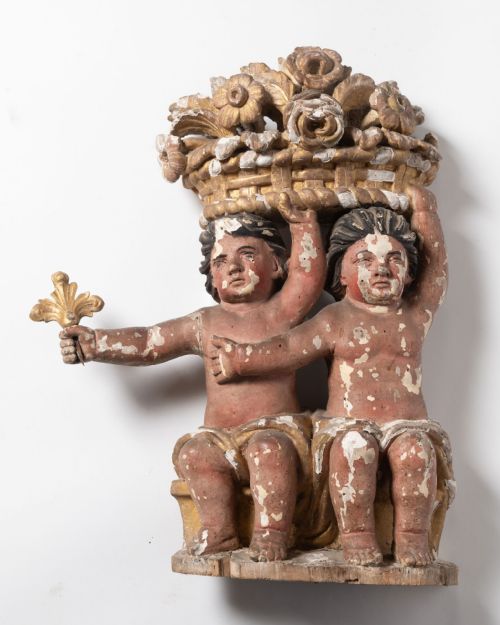
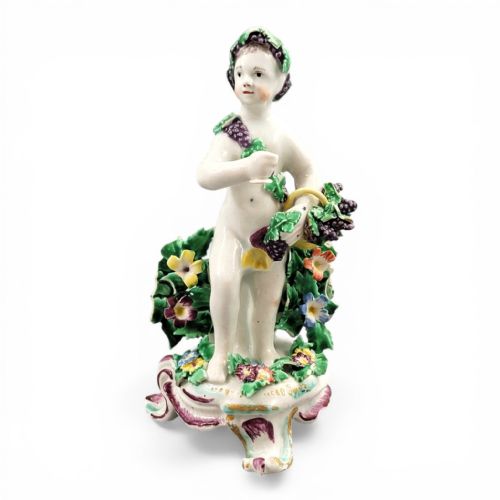
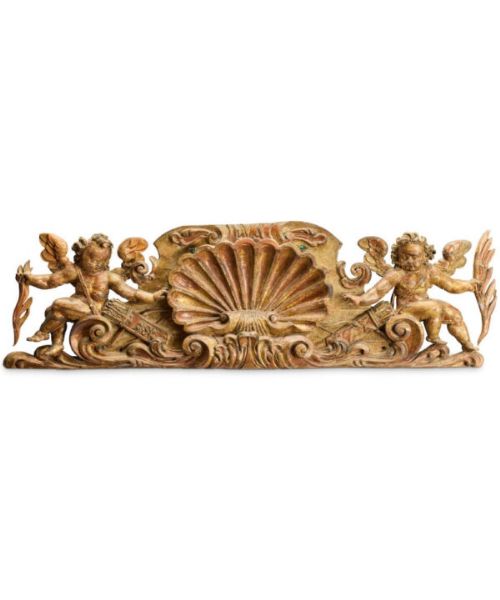
Buyers seeking 18th century putti encounter winged infant figures rooted in classical mythology, appearing across European art and decorative objects. These motifs manifest most frequently on this page as carved walnut or oak architectural panels, freestanding wooden sculptures, and soft-paste porcelain figurines.
The selection spans continental workshops and English makers, capturing figures in varied sculptural forms from wall friezes to decorative mounts. Baroque and Rococo sensibilities dominate the aesthetic, translating celestial cherubs and secular cupids into tangible ornamentation.
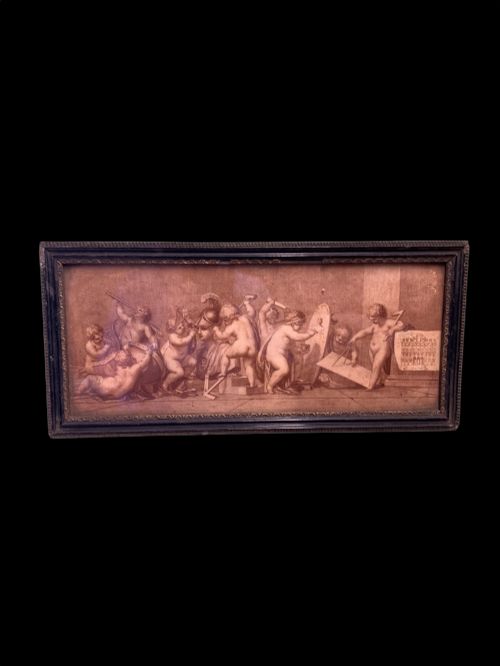
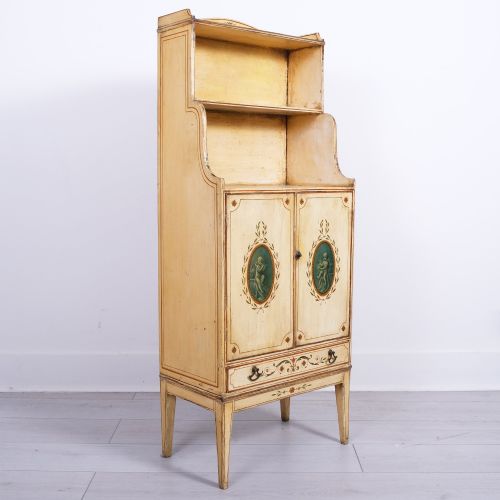
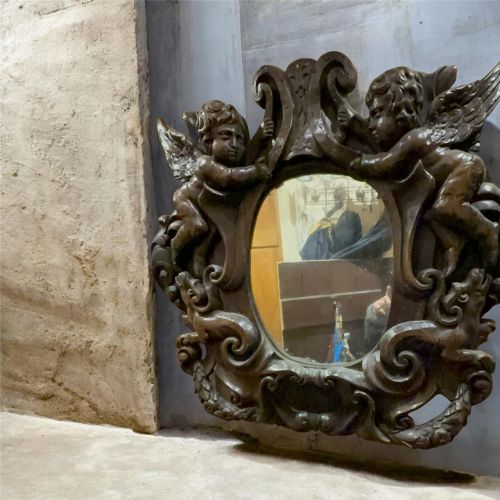
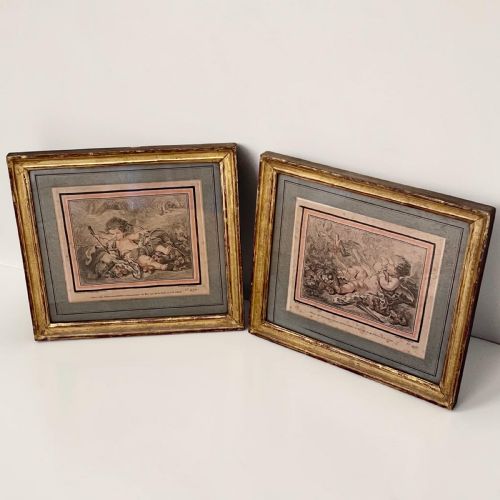
Originating from diverse disciplines, these pieces range from utilitarian furniture mounts and clock ornaments to dedicated oil paintings and engravings. Collectors meet these winged subjects functioning both as standalone artworks and as ornamental details upon mirrors and bookcases.
Materials and construction methods
Artisans carved these figures primarily from solid timbers like oak, walnut, and fruitwoods, often applying gesso, polychrome paint, or gold leaf to enhance the sculptural depth. Master craftsmen utilised chisels and gouges to shape dynamic musculature and feathered wings directly into the grain.
Ceramic works rely on soft-paste porcelain and faience, shaped in moulds and fired before receiving hand-painted enamels. Metal variants employ bronze and ormolu casting techniques, utilising lost-wax methods to achieve crisp detail in hardware and decorative mounts.
Listings feature carved wood, soft-paste porcelain, bronze, and oil paintings originating from the seventeenth through nineteenth centuries.
Distinctions in craftsmanship
Quality rests in the anatomical articulation of the carved limbs and the sensitivity of the facial expression, distinguishing refined studio output from utilitarian workshop production. Superior examples display fluid movement and confident undercutting in wood or bronze.
Surface preservation dictates the standing of porcelain and painted wooden pieces, where untouched original polychromy or gilding elevates the historical integrity. Fine specimens retain crisp detail in the feather work and drapery without heavy restoration obscuring the tool marks.
Grinling Gibbons·Demarteau·Johann Joachim Kändler·Veuve Perrin
The 18th Century Putti Glossary
- Putto
- A representation of a chubby, naked male child, usually winged, derived from classical art. These figures populate baroque and rococo decorative schemes.
- Ormolu
- Gilded bronze, produced by applying a mercury-gilding mixture to cast bronze objects. This technique creates a rich golden surface common on French decorative mounts and clocks.
- Soft-Paste Porcelain
- A ceramic composition made from clay, glass, and frit, fired at lower temperatures than hard paste. Eighteenth-century factories utilised this material for translucent figures.
- Faience
- Tin-glazed earthenware produced in European workshops, notably in France and Italy during the seventeenth and eighteenth centuries. It provides an opaque white ground for hand-painted decoration.
- Cartel Clock
- A wall clock housed in an ornate frame made of gilt bronze, wood, or gesso. These timepieces frequently incorporate asymmetrical rococo scrolls and putti.
18th Century Putti: Frequently Asked Questions
What is a putto?
A putto is a classical sculptural motif depicting a chubby, winged infant boy. These figures appear frequently in European art as symbols of love or celestial presence.
In eighteenth-century design, they decorate everything from furniture panels to porcelain mantel ornaments.
How were wooden putti finished?
Carvers often finished wooden figures with layers of gesso, polychrome paint, or gold leaf. These treatments added colour and protected the underlying timber.
Many surviving pieces retain traces of these original decorative surfaces beneath later dust.
Where were porcelain putti made?
European porcelain factories such as Meissen, Bow, Derby, and Chelsea produced numerous figures of putti. Modelers created these ceramic pieces as allegorical representations of seasons or elements.
Craftsmenship varied by region, combining moulded bases with hand-modelled limbs and painted details.
How do I display antique putti?
Wall-mounted friezes, panels, and carved brackets suit placement as architectural accents in traditional interiors. Smaller porcelain figurines and bronze ornaments sit securely on mantelpieces or within display cabinets.
Placement should account for stable humidity and light levels to protect aged wood and painted surfaces.